

Nothing is more disheartening than discovering your vegetable garden ravaged overnight. Or maybe your vibrant flowers, like dahlias and pansies, are under attack from pesky slugs and snails.
If traditional pesticides were the ultimate solution, we wouldn't need to keep stocking up on them. While we can harness nature for pest control, we must also accept that some pests are simply a part of gardening.
To fend off common nuisances like aphids, mosquitoes, spider mites, and mealybugs, gardeners have employed various tactics, from using spices as repellents to incorporating scents that deter pests. We consulted gardening professionals to uncover the best ways to protect our gardens without chemicals.
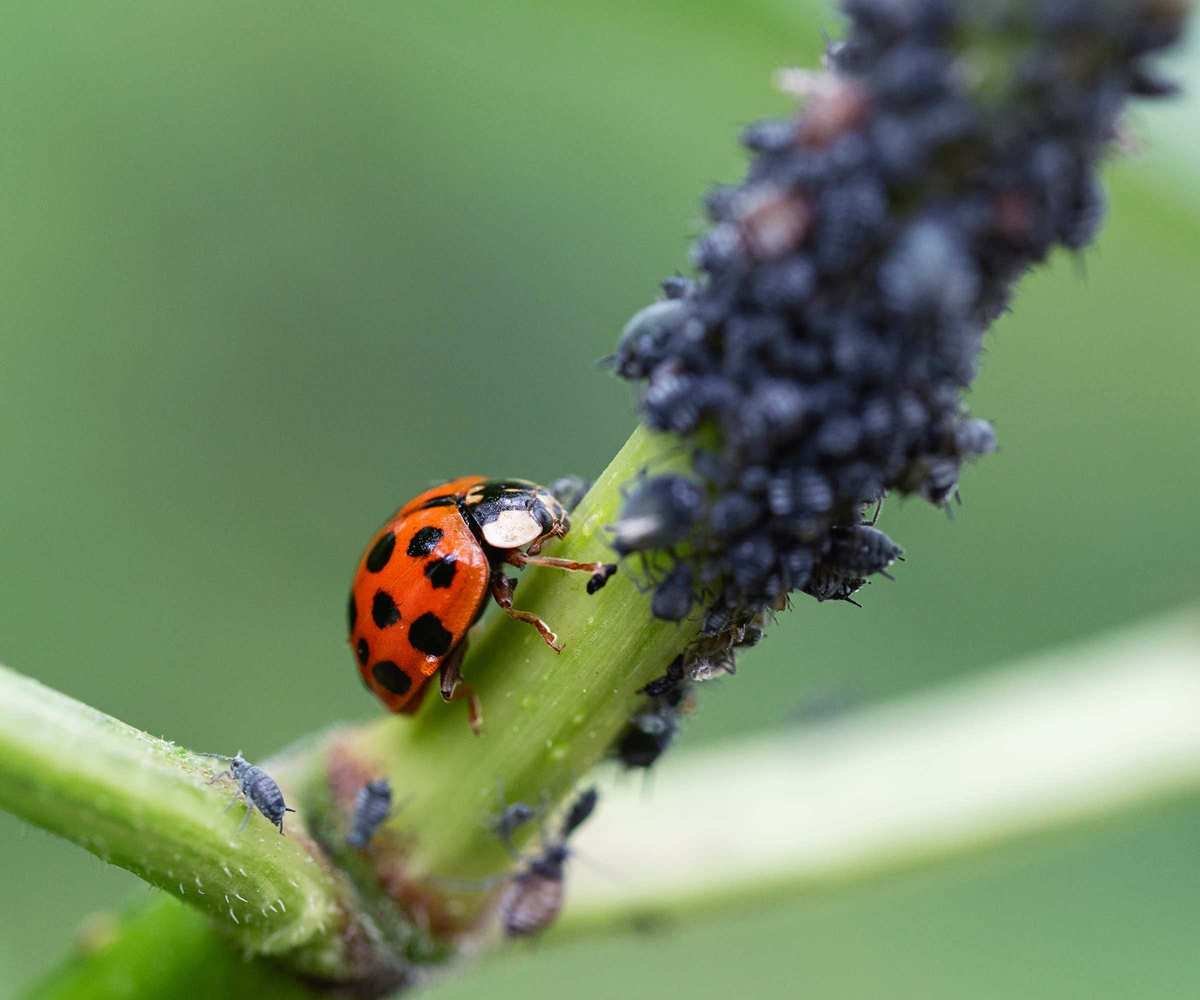
7 Effective Natural Pest Control Methods
Experiment with these non-toxic methods and remember, a thriving garden flourishes where careful gardeners observe and remove pests by hand during watering, catching them before they multiply.
1. Attract Beneficial Insects with Umbelliferous Flowers

Dill 'bouquet'
Carissa Kasper of Seed & Nourish believes the best pest control isn't about sprays or even water blasts. She states, "Planting umbelliferous flowers throughout your garden creates ecosystems that attract wildlife, including beneficial bugs that consume harmful pests like aphids and whiteflies."
These flowers, characterized by their umbrella-shaped clusters, draw in helpful insects such as hoverflies and lady beetles that prey on pests. Yarrow, ammi, and herbs like dill and fennel are excellent choices. You can find dill 'bouquet' herb seeds at True Leaf Market.

2. Prioritize Healthy Plant Growth

Robust plants naturally resist pests better. Although no plant is entirely safe, stronger plants are less likely targets for infestations. To boost plant health, focus on soil quality.
"Begin by assessing your soil's type and pH level," suggests an expert. Enrich your soil with organic matter or homemade compost. Periodically aerating and mulching helps improve nutrient delivery and root support.
Additional steps include using fertilizers from Amazon and ensuring adequate water and sunlight.

3. Utilize Sacrificial Plants
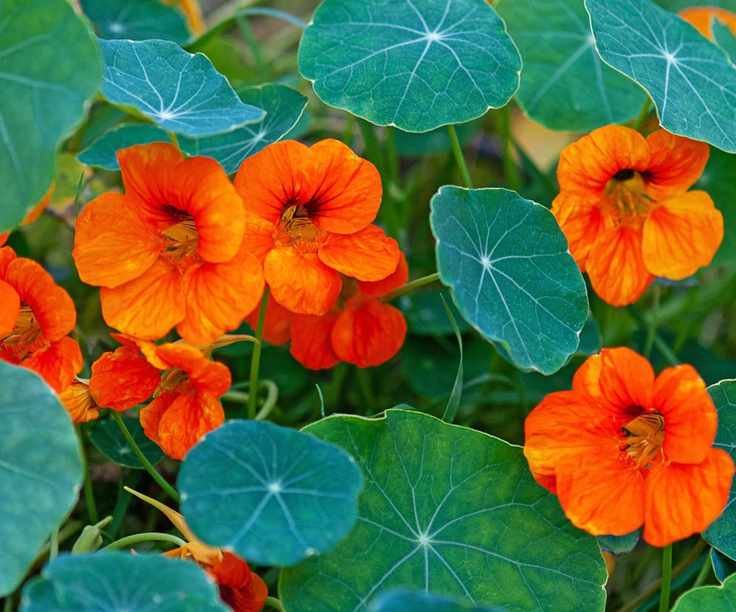
Known as sacrificial or trap plants, these are strategically placed to lure pests away from your precious plants. For aphids, consider nasturtiums and nettles; for slugs, try French parsley and marigolds.
Carissa recommends positioning these trap crops outside the main garden area. "Nasturtium pots are attractive to soft-bodied pests. We let pests accumulate here before managing their numbers to protect our main crops. If the pests grow excessively, we sacrifice the trap plant to maintain balance."
You can acquire marigold seeds at True Leaf Market and nasturtium seeds, also at True Leaf Market.
4. Embrace Companion Planting

Companion planting has been a staple in agriculture for centuries. This method not only repels pests but also boosts pollination and overall garden diversity.
For instance, plant onions with carrots, rosemary near carrots to deter flies, and basil close to tomatoes—basil helps ward off various pests, including mosquitoes.
A landscape professional endorses companion planting, stating that basil's proximity to tomatoes naturally repels pests. Additionally, marigolds deter nematodes and aphids, thanks to compounds they release into the soil.

5. Use Neem Oil Solutions

Neem oil is a powerful organic solution against various pests, including aphids, whiteflies, and thrips. This oil, derived from neem tree seeds, is a go-to for many pest control experts.
One expert highlights its effectiveness and availability at local stores. Look for the OMRI (Organic Materials Review Institute) label to ensure it's suitable for organic gardening.
To create a homemade bug spray, mix two tablespoons of neem oil with one tablespoon of organic dish soap in a gallon of water. Spray this weekly, disrupting pest life cycles while keeping beneficial insects safe.
6. Apply Diatomaceous Earth

Diatomaceous earth can effectively manage slugs, snails, and beetles. Its fine powder works by dehydrating pests on contact.
An expert shares, "Diatomaceous earth lives up to its reputation as a non-toxic pest control method. It's entirely safe for children, pets, and plants."
Spread this powder around your plants, particularly where pests are present, to help control infestations.
7. Attract Frogs and Birds

Enhancing your garden's biodiversity is a natural way to manage pests. Creating a wildlife-friendly environment encourages natural predators to control annoying pests.
While slugs and snails may still appear, adopting a 'live and let live' mindset is key. For instance, attracting frogs can help reduce mosquito populations. Also, providing birdbaths and feeders can bring in birds that will keep slug and snail numbers in check.
Consider growing more fruits and vegetables than you need, so even if some are consumed by wildlife, you still enjoy a good harvest.



