

During the growing season, backyard pests can wreak havoc on your plants. Yellowing leaves, damaged fruits, or chewed stems prompt gardeners to seek solutions for maintaining healthy crops.
As a seasoned gardener, I understand that pest control is an ongoing struggle. Instead of relying solely on chemical pesticides, I prefer exploring natural and cost-effective pest deterrents that can help minimize damage.
One popular approach is utilizing kitchen spices as natural repellents. Here are three spices that can effectively help keep pests at bay in your garden.

3 Spices to Repel Common Garden Pests
Several kitchen spices serve as effective natural deterrents. Cloves, chili powder, and cinnamon are known for their ability to reduce pest problems. Why not check your spice rack to see if you have these on hand?
1. Cloves
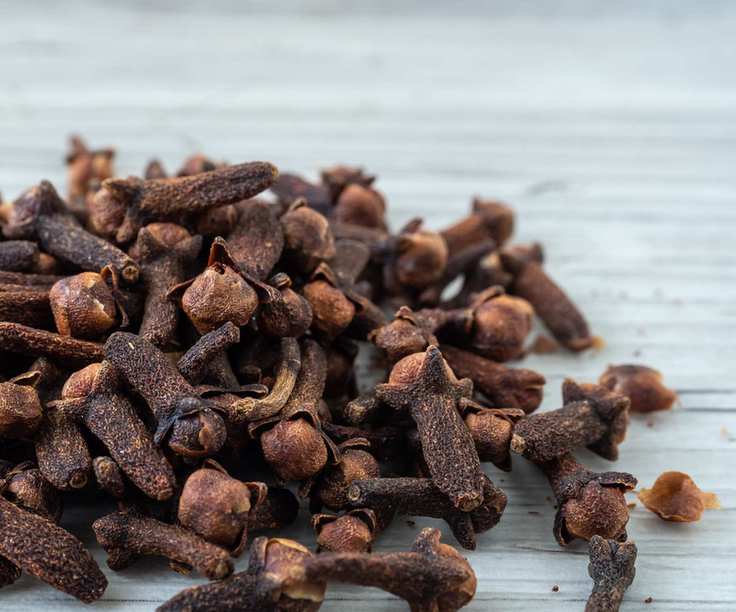
Cloves are renowned for their unique aroma and are useful in cooking and home remedies. Common garden pests like aphids and whiteflies tend to avoid cloves due to their potent scent and flavor.
Aphids and whiteflies can be particularly troublesome in both vegetable and flower gardens, often going unnoticed until their populations swell. To create a clove repellent, try using clove oil mixed with water or crushing whole cloves and placing them around your plants. This method can preemptively deter pests before they become a significant issue.
2. Chili Powder
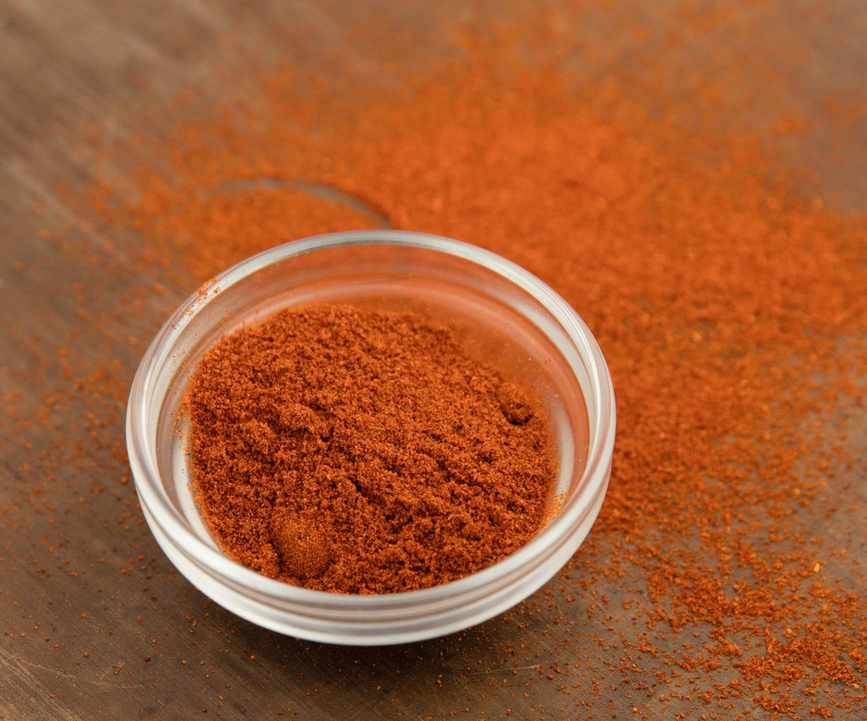
Chili powder is another effective pest repellent. Sprinkle it around plant bases or create a chili solution to spray on leaves. Slugs, snails, and spider mites are known to dislike spicy substances, making chili powder a great option.
Studies indicate that using hot chili powder or cayenne pepper is particularly effective against pests. Combine one tablespoon of dish soap with two teaspoons of cayenne pepper in a spray bottle filled with water. This solution can be applied to the lower leaves of plants, helping to prevent slugs and snails from reaching new growth.
3. Cinnamon
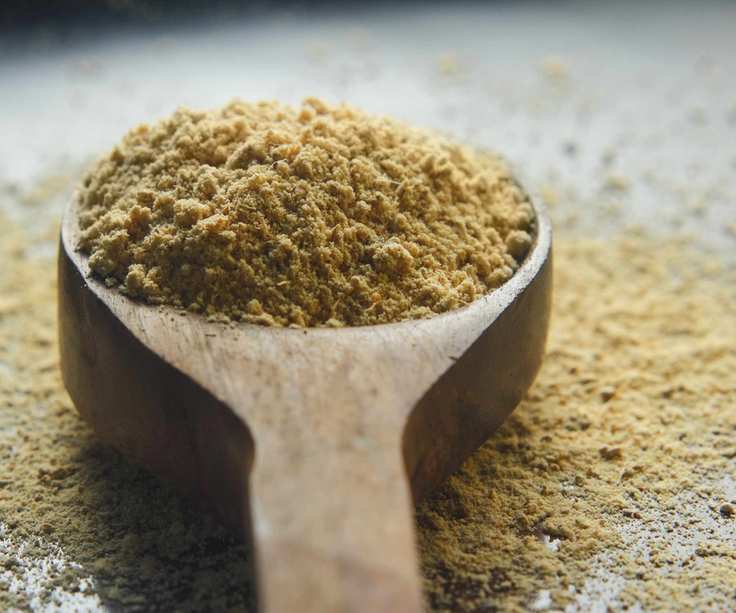
Cinnamon acts as a helpful deterrent for ants, who tend to avoid its powder. Creating a cinnamon barrier can effectively reduce ant activity in your garden.
While some ants contribute positively to the ecosystem, certain types, like red ants, can be problematic. In such cases, cinnamon may assist in keeping them away. Additionally, research suggests that cinnamon can limit fungal spread in damp soil, which is beneficial for young plants. To make a cinnamon fungicide, mix 1 to 2 teaspoons of cinnamon powder with water in an 8 to 10L watering can.
These spice-based repellents may not be extensively proven, but they offer quick and natural solutions worth trying. They're easy to implement and could save your garden from pest problems. If you're interested in more DIY garden ideas, explore creating homemade plant fertilizer using common weeds.



