

Every homeowner should engage in some DIY projects to keep their space in great shape, whether driven by creativity, a passion for design, or the desire to maintain their property.
While DIY tasks might initially seem daunting, acquiring key skills can save you both time and money in the long run. More importantly, these abilities empower you to confidently manage and enhance your home. From repairing drywall cracks to handling minor plumbing and electrical issues, there's a wealth of tasks homeowners can tackle themselves.
Below, skilled contractors share 11 crucial DIY skills that every homeowner should learn, covering everything from projects that enhance your living space to fundamental home maintenance tasks.
Key DIY Skills for Every Homeowner
Having the right tools in your home toolbox is crucial for learning and mastering these essential DIY skills.
1. Changing Air Filters
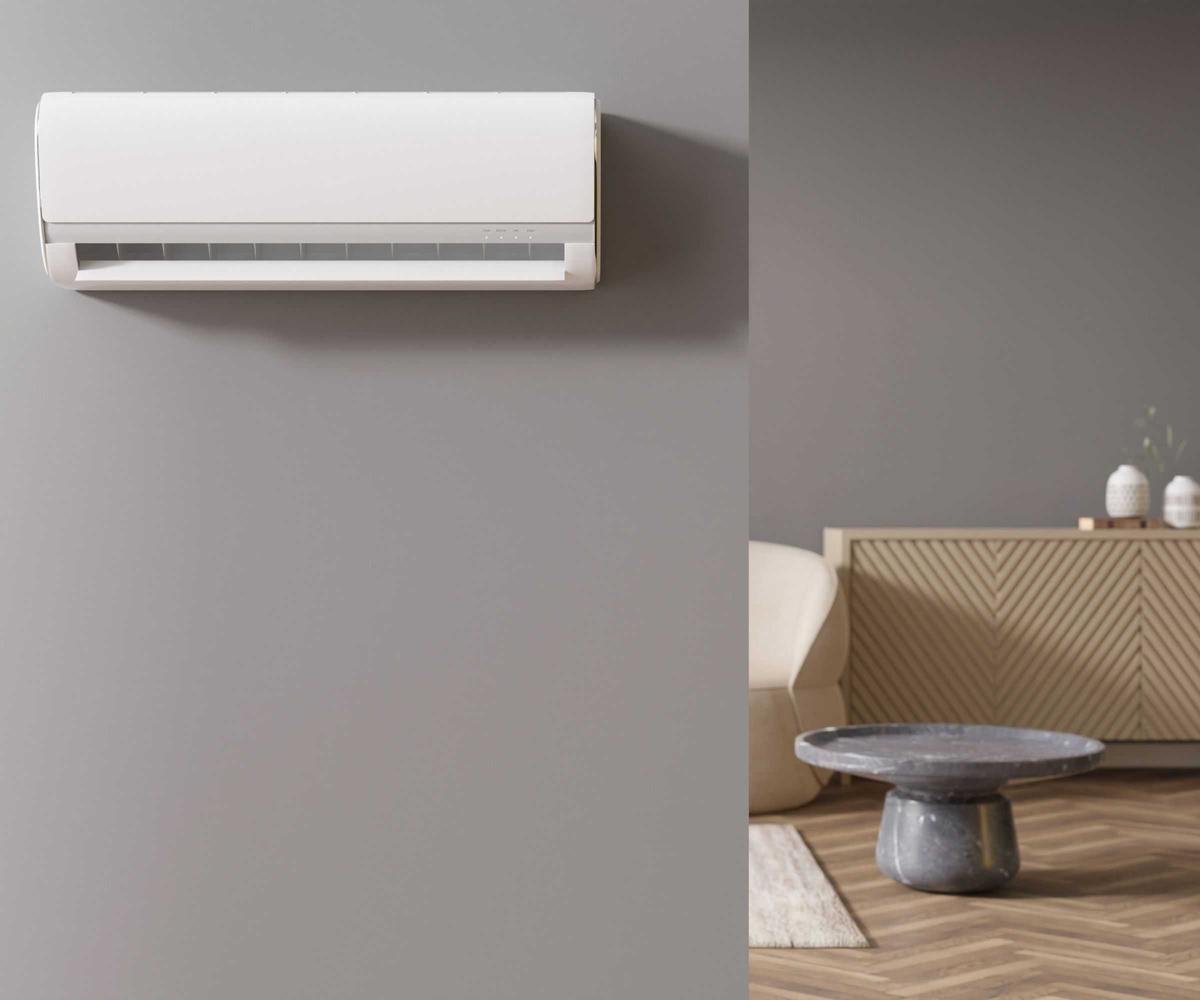
Geoff Walker, a superintendent and contractor, emphasizes that understanding how to clean your HVAC system and replace air filters is a foundational DIY skill for homeowners. He states, 'Regularly changing your HVAC filters not only helps reduce energy bills but also prevents the need for contractor assistance. A significant number of HVAC breakdowns stem from clogged filters that could have been easily replaced.'
Instructions for changing air filters may vary based on your HVAC system's make and model, so be sure to consult your unit's manual for specifics.
2. Caulking
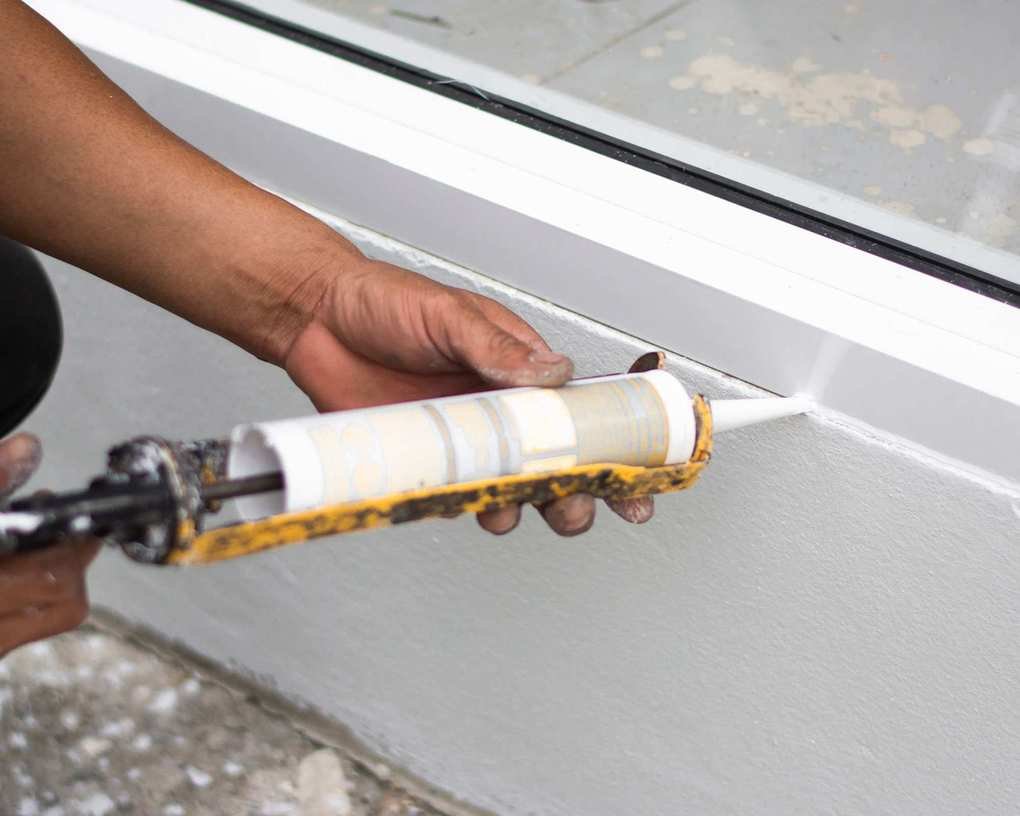
Niki O'Brien, operations manager at a home improvement company, asserts that knowing how to caulk—whether for bathtubs or sealing gaps in windows and doors—is an invaluable skill for homeowners. With practice, this technique helps keep your home insulated, prevents water leaks, and discourages pests.
'This task is quite straightforward,' she assures. 'Start by removing any old silicone caulk and replacing it with fresh material, following the instructions on the caulking gun for proper application.'
When caulking, hold the gun at a 45-degree angle and apply consistent pressure as you move the nozzle along the gap. Aim for a smooth, continuous bead of caulk to avoid gaps or uneven patches. Consider using a caulking tool if you prefer not to use your fingers, especially if you have sensitive skin.
To ensure proper adhesion, allow the caulk to dry by minimizing humidity and moisture in the area, and avoid contact with water for at least 24 hours, although this may vary by manufacturer.
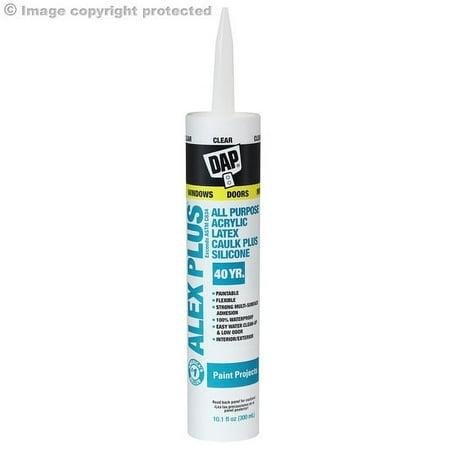
This versatile caulk is designed for sealing a variety of interior and exterior surfaces. Its silicone additives provide added flexibility and adhesion, creating a durable and waterproof seal.
3. Flipping Breaker Switches
Brandon Walker, another superintendent at a restoration company, notes that many clients call for help with appliances and light fixtures that aren't functioning. Often, the issue stems from a blown fuse, which homeowners may not know how to reset.
'Understanding how to flip the breaker switch can save homeowners from sitting in the dark and prevent restoration professionals from visiting a home without a genuine issue to address.'
It's essential to differentiate between a flipped breaker switch and a blown fuse. If the switch doesn't restore power, it may require a fuse replacement. While this can be a DIY task for those experienced with electrical systems, it's typically safer to consult a professional who can handle the breaker box with care.
4. Unclogging Drains
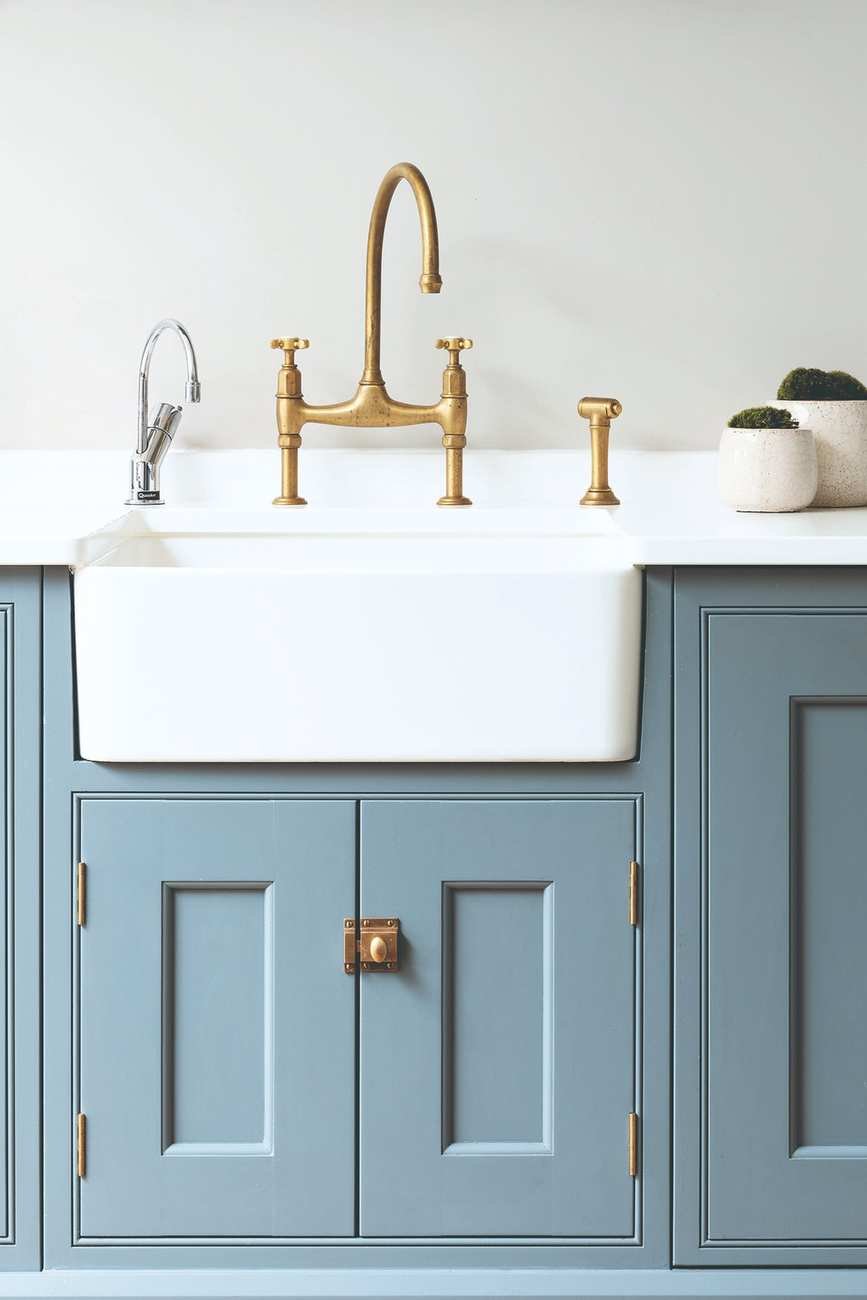
Minor plumbing issues, such as unclogging drains in bathrooms, sinks, or dishwashers, are vital skills for homeowners to develop, according to Andriy Boyko, a seasoned handyman. 'Addressing plumbing problems promptly can prevent water damage, mold growth, and rising utility costs. Being able to fix these basic issues can save you from expensive repairs.'
'While these skills are essential, it's important to know your limits,' Andriy adds. 'For more significant or complex projects, consulting a professional is always the best approach.'
Manual tools like plungers and drain snakes, or chemical options that dissolve clogs (often caused by hair and soap residue) can be effective solutions.
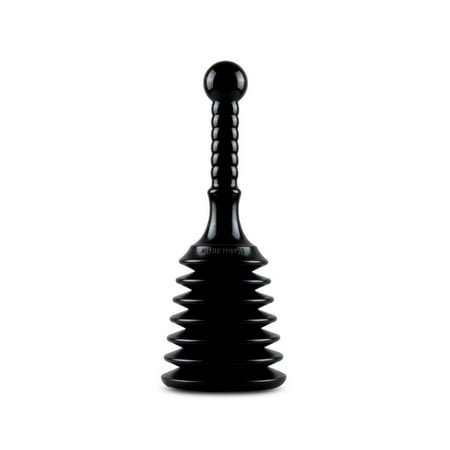
This compact plunger is perfect for sinks, showers, and floor drains, featuring a comfortable ribbed handle for grip and an effective compressible head for clearing blockages.
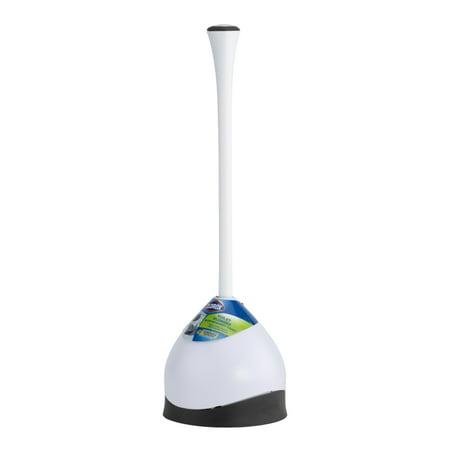
This toilet plunger maintains hygiene and aesthetics in your bathroom with a clam-shell caddy that opens automatically when the plunger is lifted, allowing for hands-free operation and neat storage.
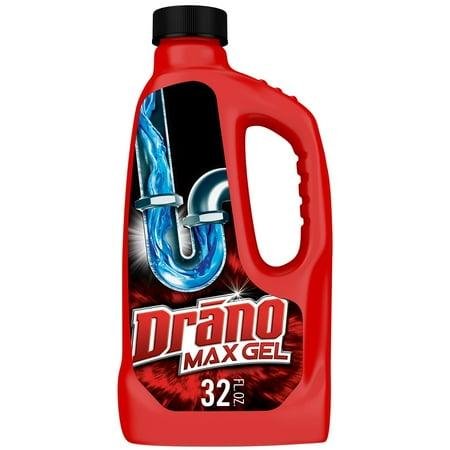
This powerful gel is a quick and effective solution for tough clogs. Highly rated by users, many report it 'works wonders.'
5. Operating the Water Main

While operating a water main isn't strictly a DIY skill, it's essential knowledge for homeowners, according to Josh Rudin, owner of a restoration service. 'If a leak occurs, whether from a toilet or a sink, knowing how to shut off the water supply at the main line is crucial. Typically, this valve is located on the street or just outside the house.'
'It usually involves flipping a simple lever to prevent flooding. Familiarizing yourself with its location and operation, as well as what to do if a pipe bursts, can save you substantial time, money, and hassle.'
6. Cleaning Gutters and Inspecting Roofs
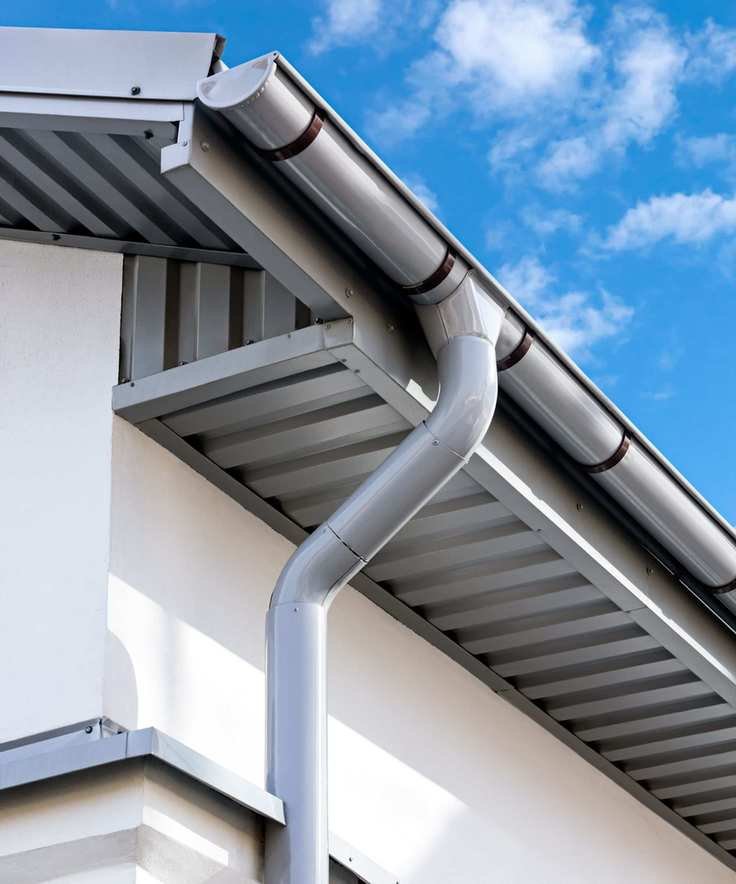
For those comfortable with heights, learning to clean gutters and inspect your roof is wise to prevent clogs and water damage, according to Daniel Kepreotes, founder of a roofing company. 'Gutter maintenance is part of homeownership, yet many neglect this task. Ignoring it can lead to leaks and damage to your home's exterior and roof.'
'Regular roof inspections, especially in spring and fall, are also vital,' he adds. 'By checking for damage, you can address minor issues before they escalate into major problems, potentially saving thousands.'
To stay safe while cleaning at height, use a sturdy ladder (the Werner 20ft aluminum ladder from The Home Depot is a popular choice) with slip-resistant rungs, wear sensible footwear, and, if possible, have someone to assist you.
7. Basic Yard Maintenance

Many homeowners limit their yard care to basic lawn maintenance and raking leaves in autumn. However, learning to maintain larger shrubs and trees can prevent damage to your yard and neighboring properties, as suggested by Daniel Kepreotes, an expert contractor. 'Overgrown trees with branches hanging over your roof are a serious risk. Not only can they clog gutters, but during storms, they can even pierce your roof.'
Homeowners can manage smaller trees and hedges to keep them from becoming unmanageable, but larger trees may require a professional arborist for safe maintenance, especially those with heavy branches over properties. Opting for low-maintenance tree varieties can simplify this task in the long run.
8. Repairing Drywall
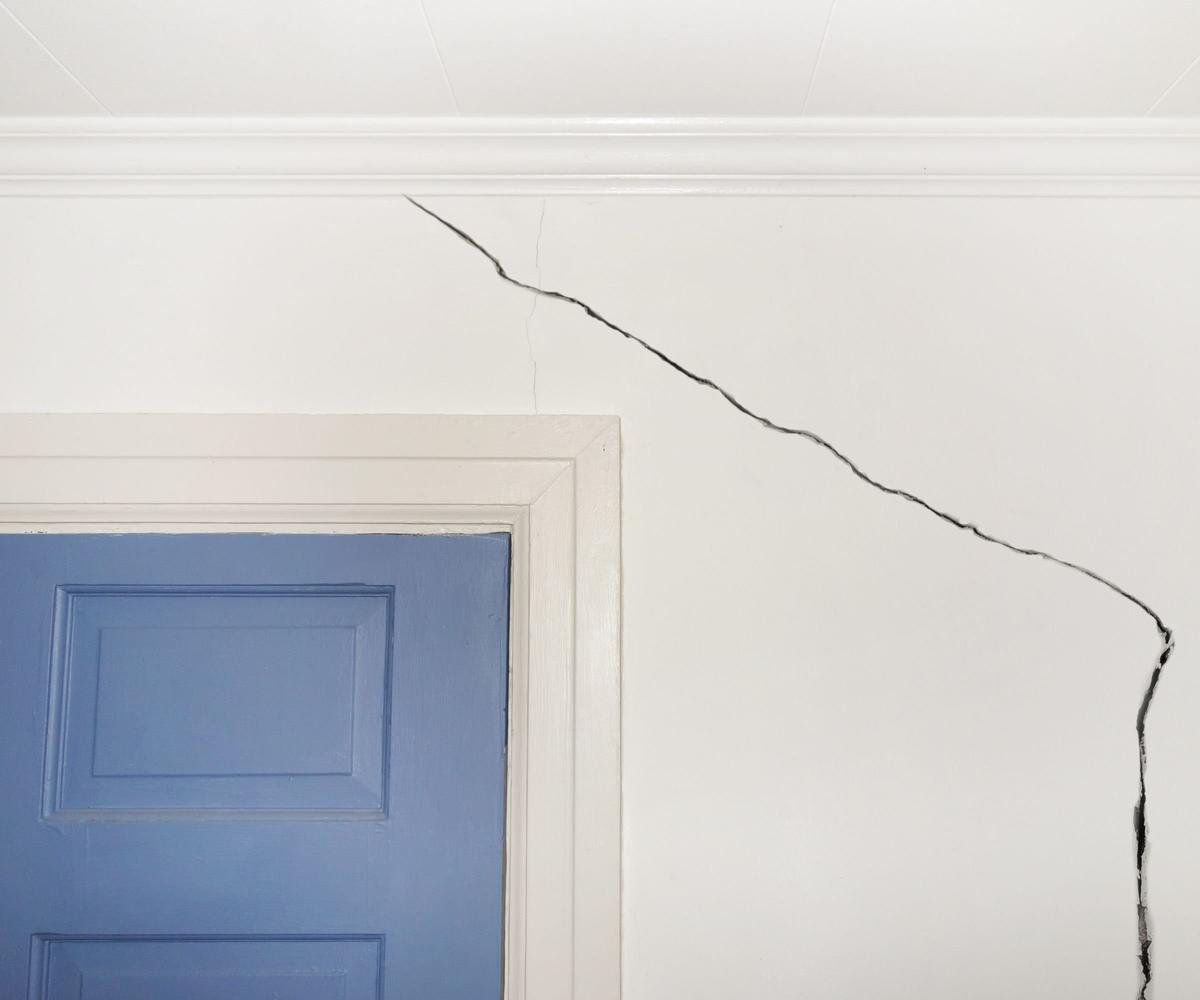
While cracks in drywall can be alarming, they often result from the natural settling of a home unless they appear suddenly and are large. For minor hairline cracks or small holes, the repair process is straightforward. Andriy Boyko, a seasoned handyman, encourages homeowners to get comfortable with this task: 'Fixing small drywall imperfections promptly can prevent further damage and keep your walls looking pristine. Timely repairs help avoid escalating issues that could become costly.'
9. Painting and Refinishing
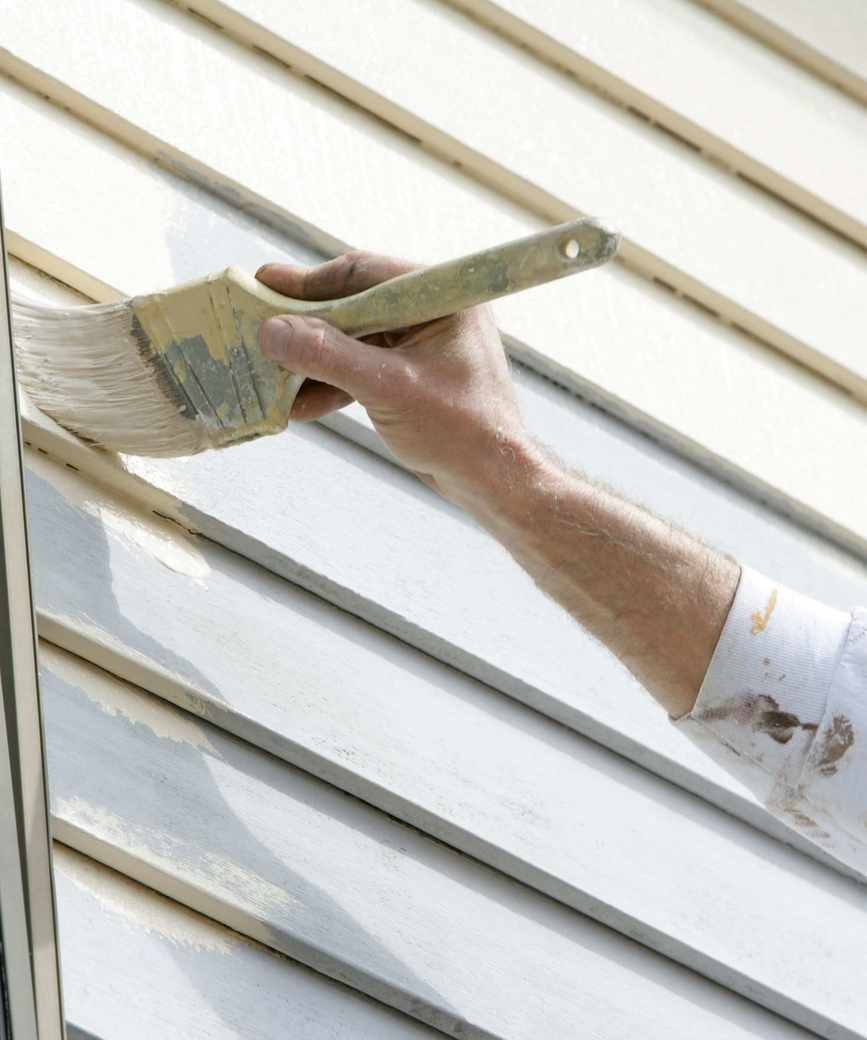
According to Andriy Boyko, painting is one of the simplest DIY skills to master. 'A fresh coat of paint can dramatically change the appearance of a room. Knowing how to prepare walls for painting, select the right paint, and apply it properly can save you money and refresh your home's look.'
10. Basic Electrical Repairs

Understanding basic electrical repairs, such as determining why a light flickers or selecting the appropriate wall switches, is crucial for any capable homeowner, says Chris Stevenson, a contractor and roofer. 'Being able to perform fundamental electrical tasks is essential for safety and convenience, as well as cost savings.'
'For light bulb changes, ensure the power is turned off, remove the old bulb, and replace it with a new one of the right type and wattage.'
'To change light switches or outlets, switch off the circuit breaker, remove the cover plate, unscrew the old component, disconnect the wires, connect them to the new component, secure it, and replace the cover plate.'
'If a circuit breaker trips, locate the breaker box, find the tripped breaker, and reset it by turning it off and then back on.'
11. Repairing Masonry

Just as it's important to repair cracks inside, knowing how to spot and fix cracks on the exterior is crucial. Tyler James Hull, a professional contractor, points out, 'These small cracks can allow moisture to infiltrate your home, leading to mold and structural damage.'
'Using primer can seal past moisture sources, and applying a good paint can also help. Regularly inspecting your siding and masonry for cracks and using suitable filler materials for repairs is essential.'
'For masonry repairs, ensure the mortar mix matches the type of siding for a quality finish.'
Staying on top of exterior cracks will also block pests from entering your home, which is vital for maintaining a healthy living environment.
By familiarizing yourself with these fundamental DIY skills and opting to repair rather than replace wherever possible, you can enhance your home's functionality, foster independence, and promote sustainability.
Additionally, mastering these basics helps you avoid common pitfalls, such as making mistakes with adhesives.
Finally, discover how to complete your DIY projects when motivation runs low.



