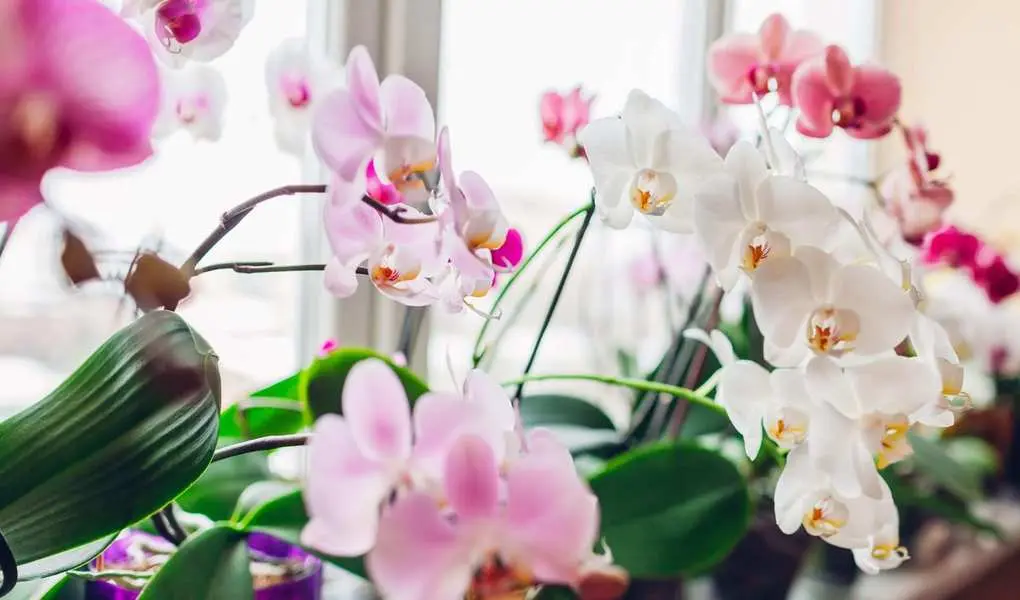
Why is the stem of my orchid turning yellow? This is a common concern for both novice and seasoned orchid enthusiasts.
Orchids are popular houseplants, thriving with the right conditions and care.
To keep these tropical wonders blooming in a variety of stunning colors, ensure they receive adequate light, warmth, and careful watering.
However, even with diligent care, you might notice your orchid's stems developing a yellow hue. What causes this? Is it something to be worried about? Let's explore...
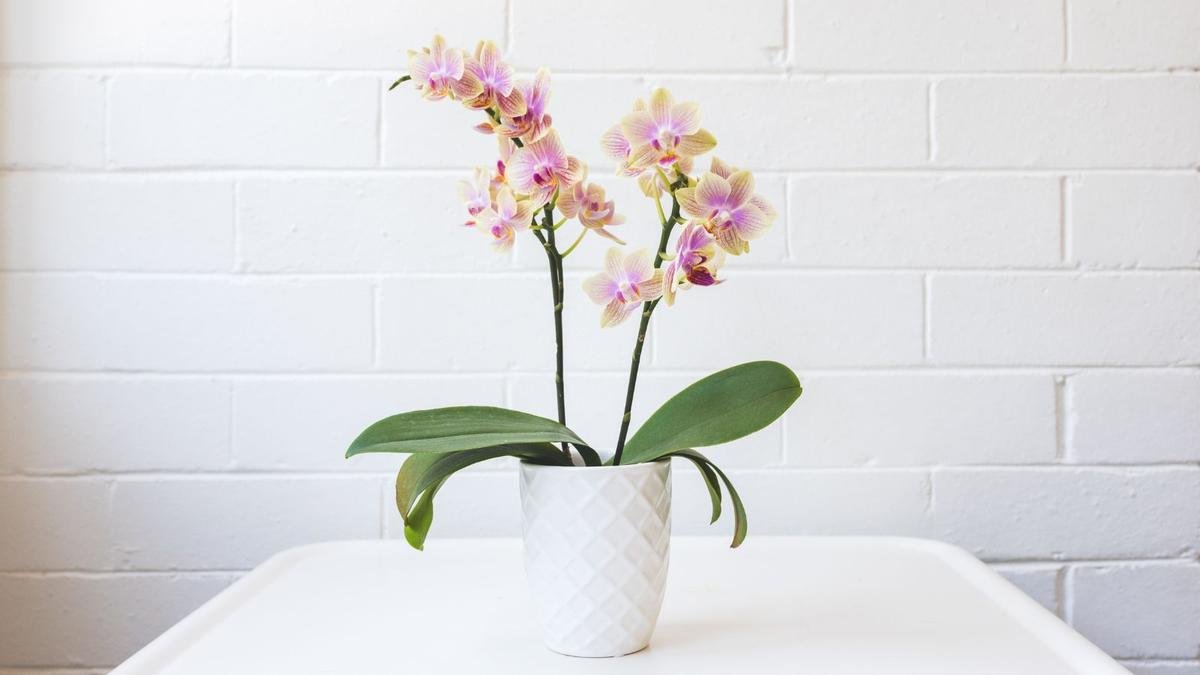
Understanding Yellow Orchid Stems
Orchids are celebrated as some of the finest indoor flowering plants.
As noted by a leading orchid expert, "Orchids dominate the houseplant scene, even available in grocery stores." So, it can be disappointing when, after careful nurturing, you spot yellowing stems.
You might be asking, "Is my orchid stem turning yellow due to improper care?" Various factors can contribute to this, including completed blooming cycles.
Many new orchid owners reach out with queries. Often, yellowing stems occur naturally after flowers fade. There's no need for alarm; this is just a part of the plant's lifecycle.
If your orchid is a sympodial type, such as Paphiopedilum, the old stem may yellow as it dies back post-blooming. Healthy plants will typically show new stems beginning at the base.
However, if a stem that hasn't bloomed yet starts to yellow, it could indicate nutrient deficiency, stress, rot, or cold exposure. Assess the entire plant: Are the leaves vibrant? Is the root system healthy? Has the orchid recently experienced transport stress? Are you using appropriate fertilizer? If it's near a draft or door, consider relocating it.
For monopodial orchids like Phalaenopsis, yellowing may stem from excessive direct light. In such cases, repositioning the orchid to a spot with indirect light is advisable, especially if the yellowing is localized on the side facing the window.
If the affected area feels soft, rot may be to blame. Treat rot by removing damaged leaves and applying ground cinnamon to the affected stem areas. Check the orchid's crown, leaves, and roots for any signs of pests, as they could also cause yellowing.
Should I Remove the Yellow Stem from My Orchid?
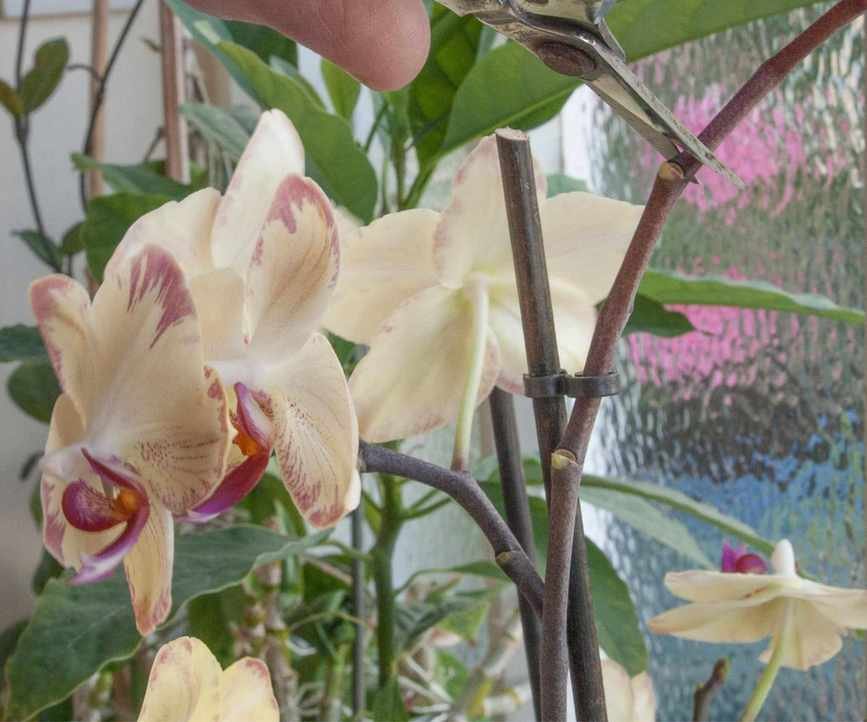
Yes, trimming the yellow stem is recommended since it won't produce more flowers.
When an orchid's flowers have faded, the flower stem will naturally transition from green to yellow to brown. This is just a natural dieback process that can be trimmed back to the base.
If you have a Phalaenopsis and the spike starts yellowing from the top, you might consider cutting off the yellow part. If there are still healthy nodes, a secondary spike could develop.
Eventually, the plant will pause flowering to generate new leaves, leading to a fresh stem when conditions are right.
Sometimes, it's necessary to repot orchids simultaneously.
Will My Orchid Produce a New Stem?
Yes, your orchid can grow a new stem, offering a fresh chance for blooms.
With proper care, orchids can bloom year after year. One expert shared that their father cultivated orchids for over a century, meticulously tracking their blooming cycles.
Patience is crucial when tending to orchids. It often takes time for them to bloom again, usually within a year.
So, when someone asks, "Why is my orchid stem turning yellow?" you can confidently share your insights.