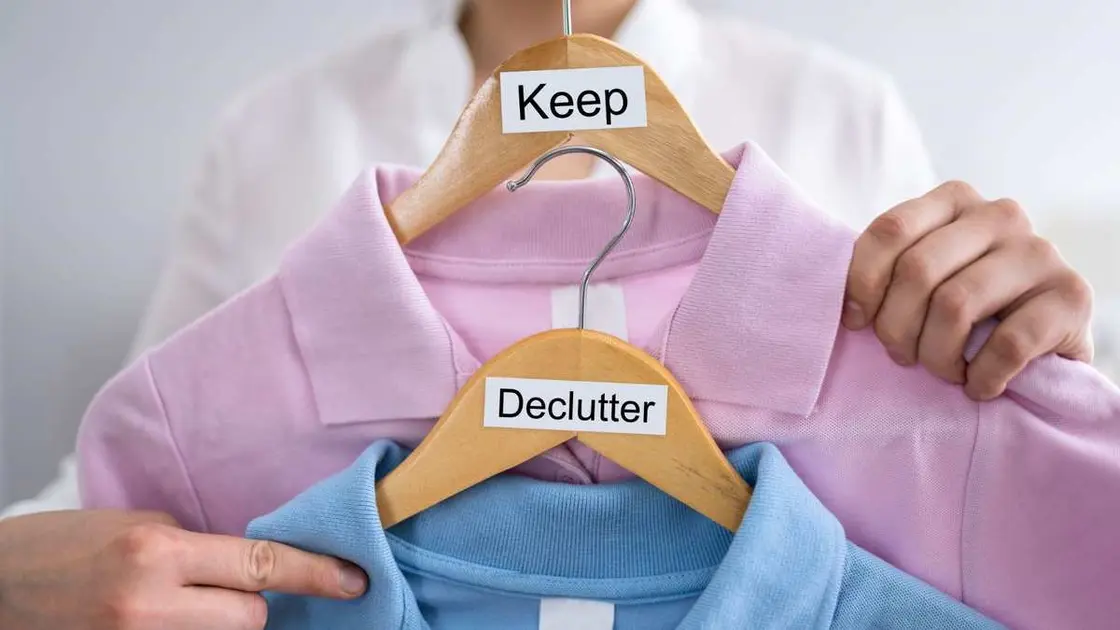
Decluttering your home when you're feeling overwhelmed can seem daunting, but starting is often the hardest part. After that initial step, the rest usually falls into place.
The secret to conquering clutter lies in making swift choices. Should you keep an item? Does it have a designated spot? What do you do if you want to discard it? Although these questions seem straightforward, the decluttering process can be quite intimidating, especially if you haven't tackled it in a while or if emotional attachments complicate matters. Many people struggle with how or when to begin, leading to avoidance.
We've gathered insights from experts to help you declutter your home effectively, showcasing practical tips and common mistakes to steer clear of. This way, you can accomplish the task and maybe even enjoy it.
How to Declutter Your Home When Overwhelmed
Your home should be your haven, and a messy space can leave your mind feeling cluttered as well. Remember the saying, 'a tidy home equals a tidy mind.' Although it may feel like a challenge, addressing your decluttering tasks can free up both physical and mental space. Professionals agree that a clean home boosts happiness and that a chaotic bedroom can disrupt sleep quality.
'Decluttering is not just about physical space; it's also about clearing emotional clutter. Getting started is often the hardest part, but once you overcome that, you'll feel much more at ease,' says an interiors expert.
1. Prepare and Plan
Creating a written plan can significantly reduce the stress of decluttering. It's satisfying to check off completed tasks, and it allows you to easily resume when life interrupts. Begin by listing the areas you want to declutter, prioritizing them.
Consider what supplies might assist you—there's nothing worse than halting your progress because you ran out of trash bags!
If you anticipate disposing of a lot, think about renting a skip in advance. Charities can also be a great option for larger items, but always confirm they're accepting donations first.
2. Stay Flexible
A plan is essential, but don't confuse it with rigid timelines. It's fine to have a general target, but avoid pressuring yourself with specific time constraints. Be realistic about how long the decluttering will take, and don't be discouraged if it takes longer than you thought.
3. Begin with Simple Tasks
While it might seem logical to tackle the biggest projects first, that can be overwhelming, especially if it's been a while since your last declutter. Starting with simpler tasks can be more effective.
Completing even one small task, like organizing a drawer or tidying a bookshelf, is better than doing nothing. Quick wins provide a sense of accomplishment that will motivate you to continue. The 20/20 rule can help you easily part with smaller items that consume valuable storage space.
'Focusing on small, complete projects sets you up for success, which will encourage you to tackle more manageable sections until your entire space is organized,' shares an organizing expert.
4. Ensure You're in the Right Frame of Mind
'A positive mindset is crucial when starting. Remember, it's okay not to finish everything or achieve perfection immediately. Visualizing how you'll feel after decluttering a room can be beneficial. Once you succeed, celebrate that achievement and enjoy the satisfaction,' says a professional life coach.
Consider trying the reverse decluttering method to shift your focus to the positives rather than what you need to discard.
5. Set Time Blocks for Decluttering
When you feel overwhelmed, it can be tough to keep going. Designating small time blocks each day can alleviate this pressure. Stick to these time limits whether or not you finish the task.
'Set a timer for 10-30 minutes and start by removing easy items: trash, empty boxes, things to return, or items you no longer want or need. Keep this routine, and you'll gradually feel more confident about tackling tougher decisions,' advises a professional organizer.
Make sure these decluttering sessions fit into your schedule, so they don't interfere with daily life.
6. Define Your Goals and Track Progress
Having a clear goal for your decluttering project is essential. Are you aiming to declutter the entire house or just one room? Maybe you want to free up storage or create a better-organized closet. Whatever your aim, knowing it beforehand will keep you focused.
During the decluttering process, it can be easy to forget your initial state. Experts suggest taking 'before' photos to remind yourself of your progress. Also, take 'after' photos to highlight your successes and serve as motivation if clutter starts to creep back.
7. Focus on One Room at a Time
Attempting to declutter your entire home in one go can be overwhelming. Breaking the task into smaller sections—like individual rooms—keeps you motivated and prevents feelings of failure.
'Trying to declutter everything in a day isn't effective. Tackle one room at a time to maintain motivation and avoid overwhelming yourself,' advises an expert.
Choosing where to start can be challenging, but remember there's no right or wrong place to begin. Some rooms, like bathrooms, are often less emotional and easier to declutter.
8. Take Breaks
If you start to feel overwhelmed, it's perfectly fine to pause. Sometimes, a brief step away can be all you need. A cup of tea can work wonders.
9. Be Kind to Yourself
For many, just the word 'decluttering' can evoke feelings of stress. We often have emotional attachments to items that others might dismiss as clutter. It's essential to recognize that you don't have to part with everything; effective storage solutions are key. Consider designating a sentimental box for cherished items, but limit yourself to one.
10. Seek Support
Some people find decluttering particularly challenging, and that's okay. Don't hesitate to ask friends or family for assistance; it can make the process more manageable.
However, be cautious—too many opinions can complicate matters. If that's a concern, hiring a professional organizer might be a better option. They offer a neutral perspective and can help you achieve your personal goals.
11. Make It Enjoyable
Although decluttering can be tough, it can also be fun, especially with friends. Create a lively atmosphere with music and snacks, making new memories while reminiscing about old ones.
12. Treat Yourself
Once you complete a decluttering task, no matter how minor, reward yourself. A sweet treat, a night out, or a cozy evening in front of the TV can help you associate decluttering with positive experiences.
Starting Your Decluttering Journey When Overwhelmed
Feeling overwhelmed during decluttering often stems from a lack of preparation. Don't underestimate the power of a solid plan. Along with your practical list of areas to tackle and necessary items, jot down the reasons why you want to declutter. Having clear goals can motivate you and serve as a reference during tougher moments.
Don't overextend yourself—begin with a small, manageable task, such as a sock drawer or a spice rack. Allocate a short time limit, no more than 30 minutes, then stop, regardless of progress. Decluttering shouldn't disrupt your daily routine; taking small steps consistently will lead to a more organized home without the stress.
How to Declutter When You Want to Keep Everything
If you have a tendency to hoard, the decluttering process can be especially tough. To let go of items, you must be strict and honest with yourself.
Consider whether you would repurchase items in your current lifestyle. If the answer is no, it's time to let them go. Seeking assistance from a friend or relative can also be beneficial—they might help you see things more clearly when emotions cloud your judgment.