One of the biggest challenges of decluttering isn't just the physical labor or the temporary chaos; it's the mental strain of deciding what to toss.
Enter the Reverse Decluttering method, which turns traditional tidying on its head. Instead of focusing on what to give away, this approach encourages you to concentrate on what you cherish and wish to retain.
After trying it myself, I was pleased with the outcome. I also consulted with professional organizers to gather insights about this positive decluttering strategy and its benefits.
Understanding the Reverse Decluttering Method

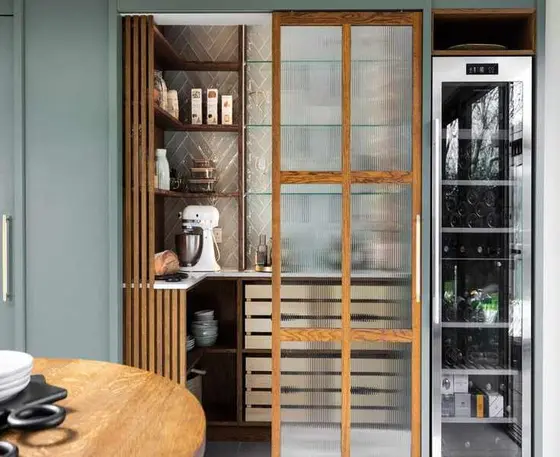
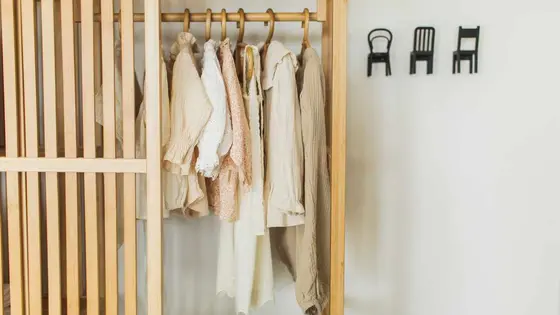
This technique is particularly effective for organizing challenging areas like closets.
Typical decluttering advice often centers on the negatives—items you dislike or don't use. In contrast, the Reverse Decluttering method highlights the positives, similar to the KonMari approach, where you assess what brings you joy rather than dread. You identify the belongings you love and use, then discard, recycle, sell, or donate everything else.
I discovered that this optimistic strategy worked exceptionally well, especially when I integrated it into my routine of decluttering as I go alongside my usual tidying methods.
By tackling small sections in short bursts, identifying what I wanted to keep turned the task into a breeze—far more enjoyable than prolonged sessions that usually left me with more mess.
Focusing on items I didn't want often made me feel guilty about expenditures on things I barely used. Traditional decluttering tends to drain me, making me feel overwhelmed. Reverse Decluttering was, therefore, a refreshing change.
Two million copies sold
The Life-Changing Magic of Tidying Up: The Japanese Art of Decluttering and Organizing
This bestselling guide delivers a wealth of information in just 200 pages, illustrating how organizing can alleviate stress in your home.
My Experience with Reverse Decluttering
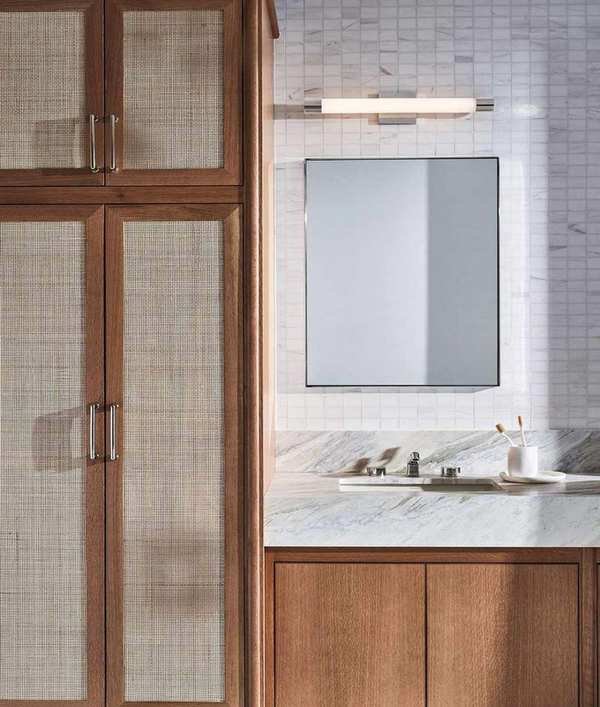
I found the Reverse Decluttering method particularly effective for managing cluttered spaces like bathrooms.
When I had to sort through a bathroom drawer to locate a missing razor, I experienced the best results with this method. Instead of the usual mistake of stuffing everything back in, I only returned items I genuinely loved and used, like my favorite body wash and moisturizer.
All the items left on the floor were things I didn't connect with, making it easy to decide to toss or donate them, especially if they were unused.
Previously, I would have been more focused on what to discard first, often keeping items out of fear of wasting money. However, with the Reverse Decluttering method, I felt zero stress or guilt. It transformed decluttering into a quick and enjoyable process.
 Set of four
I utilize stackable drawers like these in my bathroom to maximize storage. Their design allows them to fit neatly into my small cabinet, with adjustable heights as needed.
 Easy to clean
These clear acrylic dividers are perfect for keeping shallow drawers organized. They're simple to wipe clean in case of spills or leaks.
 Set of six
For dry storage in my bathroom drawer, I prefer deeper bins to keep folded face cloths and small towels tidy. These fabric organizers come in various sizes and fold down for easy storage.
Tips from Experts on Reverse Decluttering
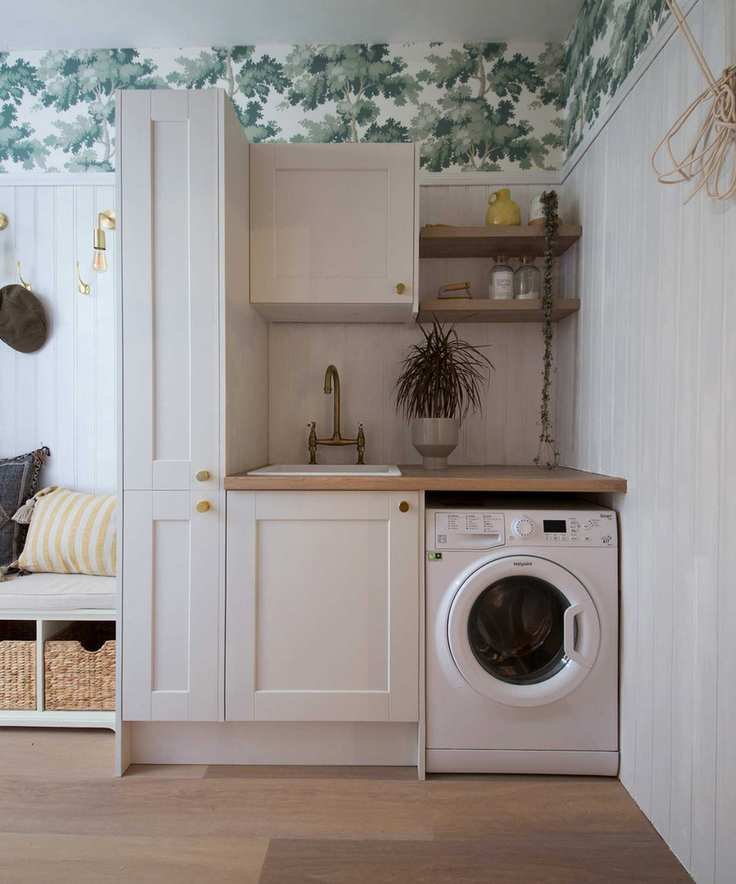
This technique can also address functional items like cleaning supplies.
1. Tackle Small Areas
Similar to slow decluttering or the 'ODT' decluttering method, the goal of Reverse Decluttering is to minimize stress. Don't feel pressured to sort your entire house in a single day.
Catherine Hamilton-Cooper, a professional organizer, recommends scheduling dedicated times for decluttering to avoid procrastination. She suggests breaking larger projects into manageable tasks and setting a realistic time limit to complete each task without getting bogged down.
Rewarding yourself for completed tasks is essential. Remember, an imperfect job is better than none at all.
2. Establish Goals
To prepare for an effective decluttering session, Diane Quintana, a home organization expert, advises setting boundaries to simplify the clutter removal process.
Even when focusing on what to keep, having goals helps maintain focus and avoid overwhelm.
Goal planning sheets
AnthroHome
Papier Spiral Daily Softcover Planner
This planner includes daily to-do lists, habit trackers, and goal-setting sheets to help you stay organized.
3. Seek Support
One downside of focusing on what to keep is the temptation to justify holding onto everything. This is where body doubling or working with a decluttering buddy can help you stay focused.
Meaghan Kessman, a professional organizer, explains that having a supportive partner can significantly impact your commitment to your goals.
4. Be Honest with Yourself
To maximize the Reverse Decluttering method, trust your instincts when deciding what to keep. Don't overthink it.
Tina Priestly, a decluttering expert, emphasizes the importance of following your gut feelings. If an item doesn't bring you joy or you can't remember the last time you used it, it's time to let it go. Keep it straightforward: if it lacks joy or utility, it's time to part ways!
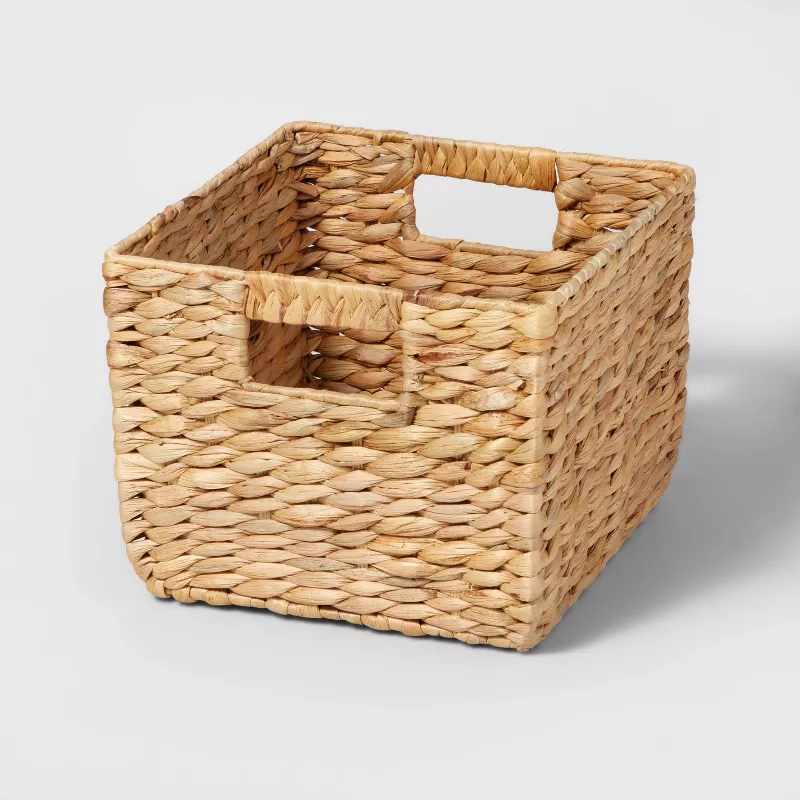 Two sizes
A great way to ensure progress while using this method is to limit your storage space. For instance, set a rule that you can only keep items that fit neatly into your existing storage solutions, like baskets you already own.
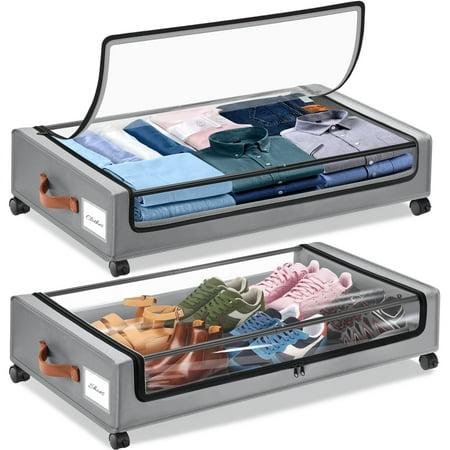 Pack of two
Under-bed storage is an excellent way to keep items you plan to use later accessible yet out of sight. These bags feature clear lids, prompting you to declutter items that might otherwise linger.
 Set of four
Clear storage bins complement the Reverse Decluttering method beautifully, keeping the items you choose to retain visible and reducing the temptation to hide away guilt-inducing possessions.
Meet the Experts

Diane is a Certified Professional Organizer specializing in chronic disorganization based in Atlanta, Georgia. She holds a Hoarding Specialist credential from the Institute for Challenging Disorganization and co-authored a book titled: 'Filled Up and Overflowing: What to do when life events, chronic disorganization or hoarding go overboard.

Meaghan Kessman Home Organizing is a full-service organization firm in Los Angeles, committed to creating beautiful spaces through effective organization.
FAQs
Does decluttering help with anxiety?
Utilizing decluttering techniques, such as the 1, 2, 3, 4, 5 method, has been shown to alleviate anxiety and enhance mental well-being. A tidy home environment is linked to improved focus, reduced stress, and a greater sense of control, fostering a calmer mindset.
If you want to be more decisive when decluttering, the Reverse Decluttering method is a fantastic start. If it doesn't feel quite right, the 'out in the open' decluttering rule or brutal five-second decluttering rule might also be beneficial.