
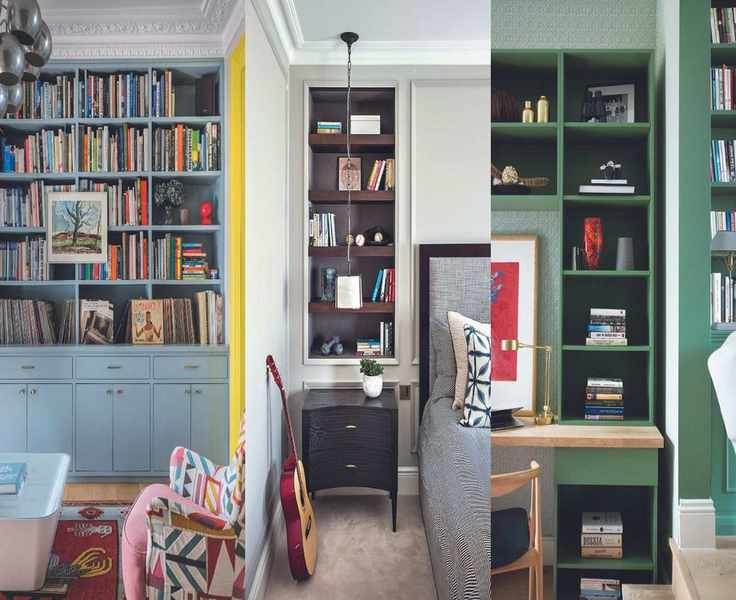
There's no universal method for arranging a bookshelf. Whether you prefer alphabetical order, genre classification, or height sorting, the key is to find a system that works for you and looks great.
Well-organized bookshelves can elevate a living room's vibe and inspire more reading. 'Displaying books adds warmth to any space. Ultimately, how you arrange them reflects your personal style—there are no wrong choices,' says an organizing expert.
Depending on your collection size, organizing your bookshelf may take a few hours. Once you establish a system, maintaining an attractive display becomes easier, especially when enhanced with personal mementos and artwork.
Organizing a Bookshelf
We've gathered expert insights to help you achieve your bookshelf goals, creating a visually pleasing and functional organization that shines.
1. Purge Your Collection
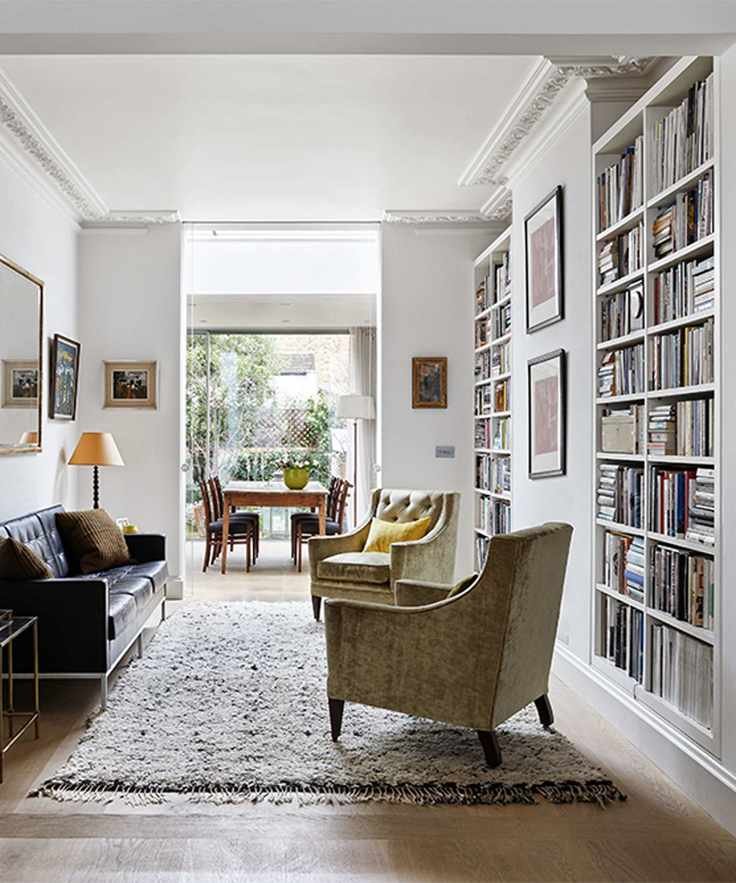
A common mistake is trying to fit your entire collection on the shelves. This often leads to a chaotic arrangement. Begin by emptying your shelves completely and cleaning them thoroughly.
According to the KonMari method, keep only the books that spark joy. Donate or give away the rest—many public libraries accept book donations for their sales.
If you're struggling to decide, create a 'maybe' pile. Set these aside for a week or two and see if you feel inclined to keep any of them.
2. Alphabetize Your Books
Consider what works best for your home library. If you frequently access your books, an alphabetical system is practical. While it may not be the most creative method, it makes finding books easy.
When alphabetizing by title, exclude initial articles like 'A' or 'The' for easier sorting. Inform household members of your system to avoid confusion.
You can also sort by the author's last name, similar to libraries. This requires you to remember authors, but it can be a good fit for dedicated fans.
3. Sort by Genre
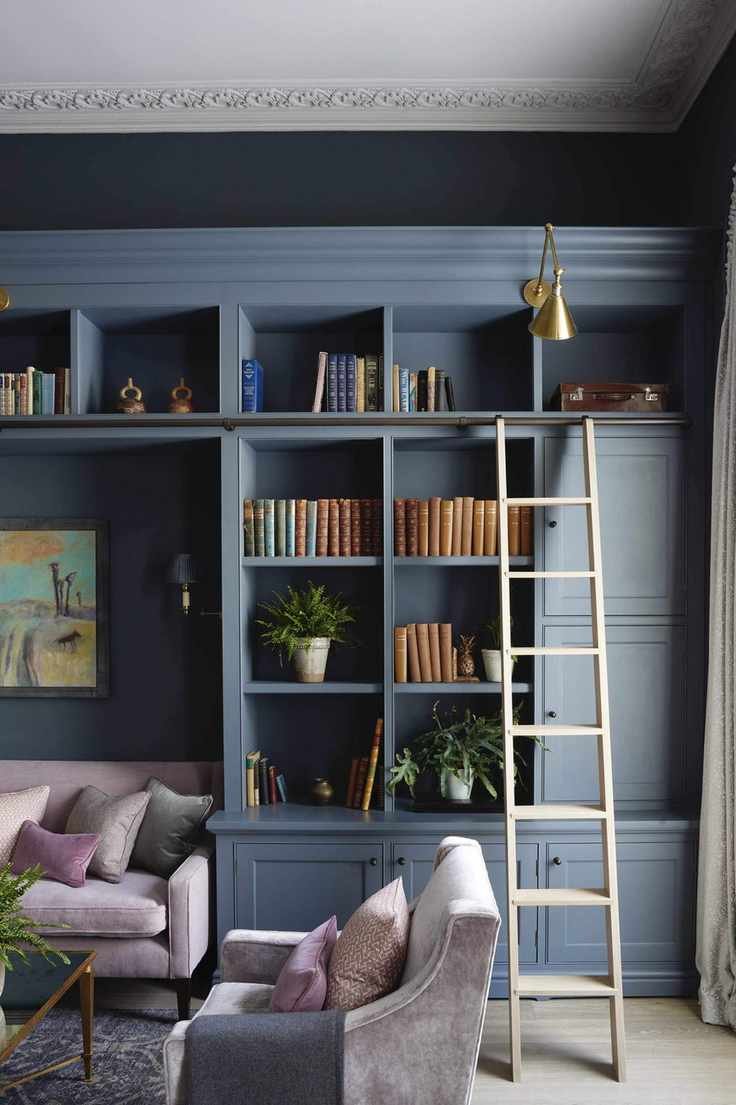
If you choose books based on your mood, organizing by genre is an excellent strategy. You can keep it broad—fiction and non-fiction—or break it into categories like action, mystery, and romance. Just note where you place each book for easy reference.
4. Create a Color Gradient
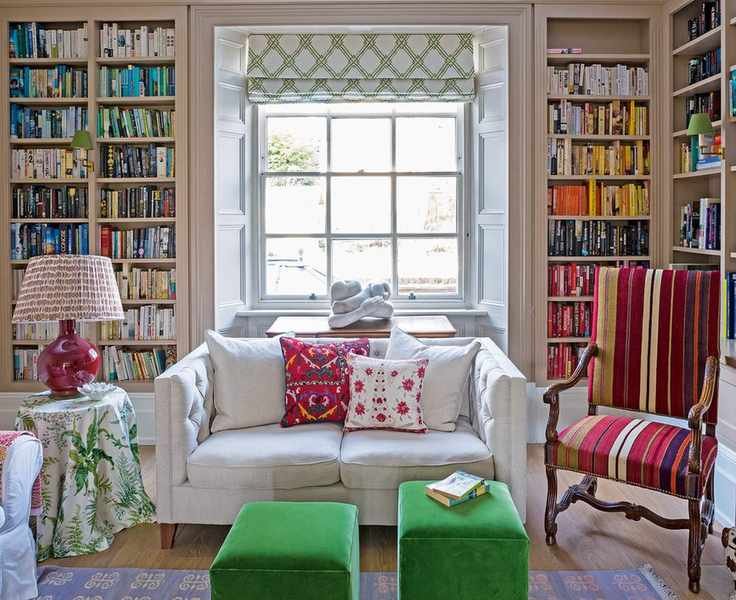
Arranging books by color is visually striking but may not be practical for frequent access. Reserve this method for less-used shelves. To achieve an ombre effect, organize book jackets from dark to light.
For children's books, color coordination helps them return items to their places without trouble, as they can identify their favorites by color.
5. Highlight Your Favorites

If you're setting up a reading nook, dedicate a space for your most-loved books or those you use often. Place them at eye-level for easy access, separated by dividers or stacks.
This approach is also great for keeping unread books visible, encouraging you to explore new reads.
6. Arrange by Size
Grouping books by height offers a polished look, ideal for stylish living room bookshelves. You can have fun with arrangements—place taller books on the ends and shorter ones in the center or alternate heights across shelves.
7. Follow the Two-Thirds Rule
Leave some space on each shelf to enhance both aesthetics and accessibility. 'Crowding books makes them hard to pull out and creates a cluttered appearance,' advises an organizer.
To avoid this, adhere to the 'two-thirds rule'—fill no more than two-thirds of each shelf. Use the remaining space for decorative items or leave it empty for simplicity.
8. Build Stylish Book Stacks
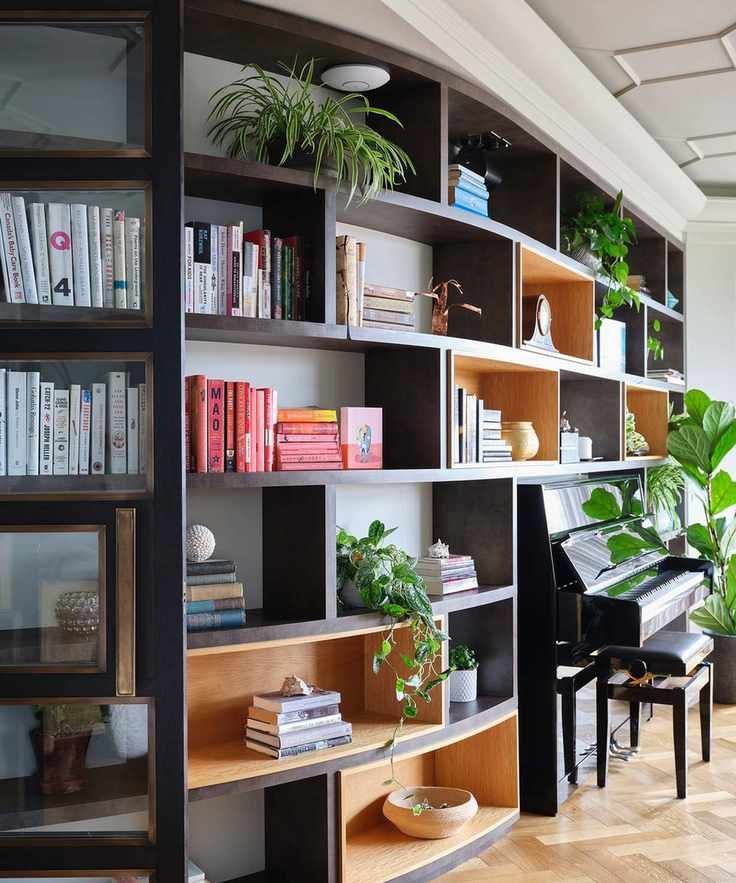
Oversized books can dominate a shelf when standing. Instead, stack them with the spine facing out, starting with the largest on the bottom. If shelves are at eye level, place a visually appealing book on top.
This method also helps separate types of books, like cookbooks and reference materials.
9. Incorporate Other Decorative Items
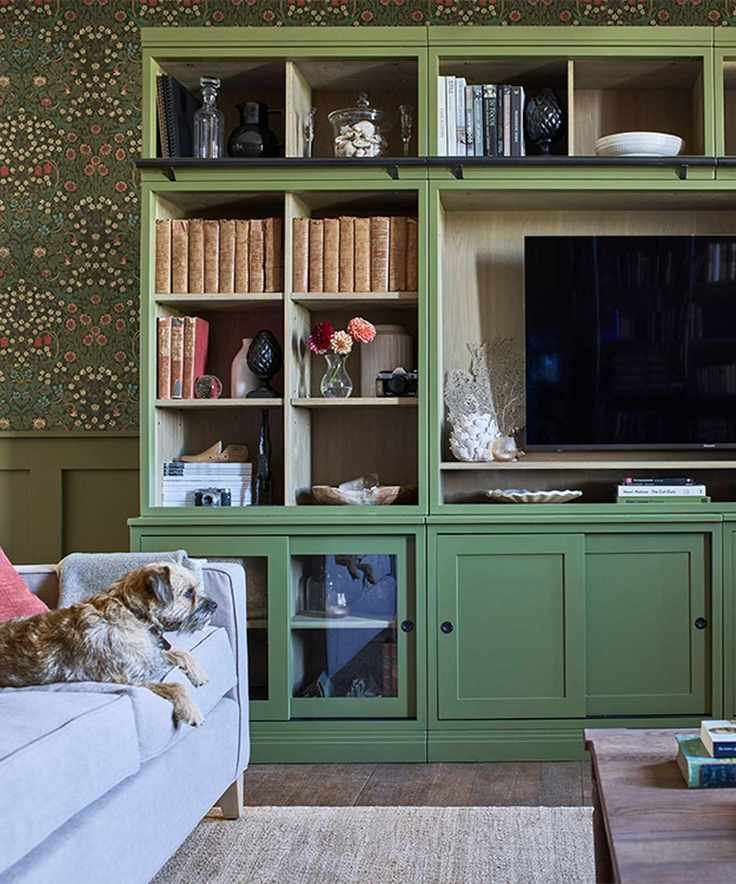
Bookshelves can showcase more than just books. Display family photos, vases, and other cherished items to add personality.
'Styling serves as a subtle organizing method,' suggests a design editor. Group items in odd numbers and consider your room's color palette to maintain warmth and charm.
10. Use Artwork as Decoration
Enhance your bookshelf with artwork to create a striking focal point. Propping art allows for easy rearrangement without needing nails.
Position larger pieces at the center and smaller ones outward. Mix different frame styles and sizes for an inviting atmosphere, ensuring a cohesive look.
11. Organize by Visual Style
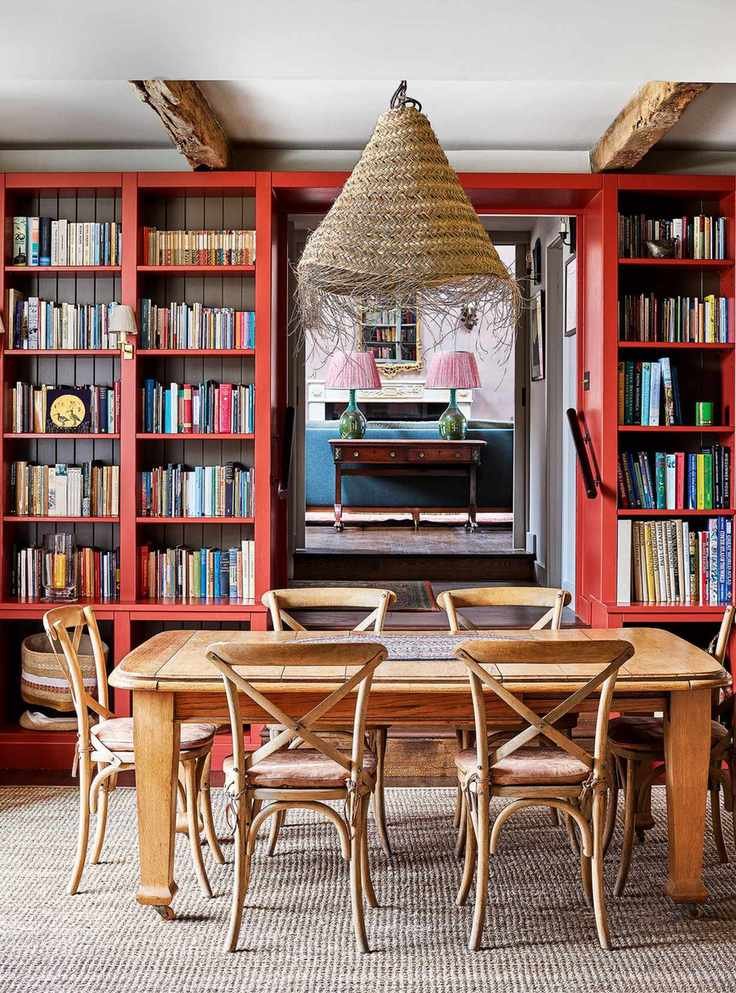
While many prefer alphabetical order, some might prefer arranging books based on spine appearance. If you're more visual, this method can work well, allowing for a unique yet functional display.
12. Coordinate with Your Color Scheme
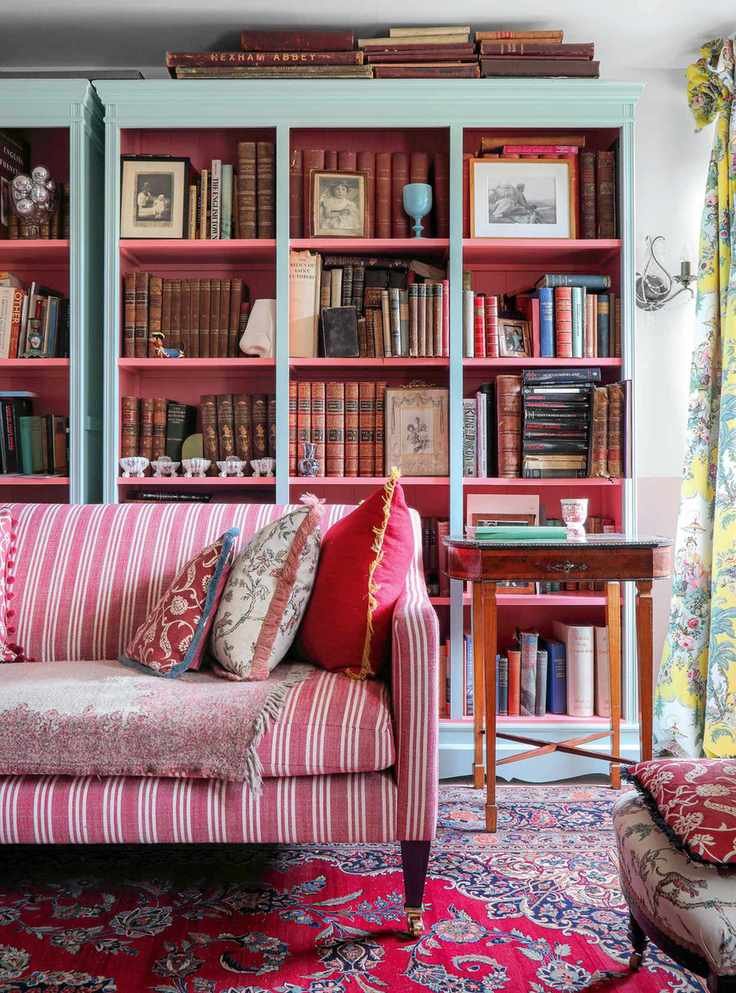
If you're visually inclined, matching book colors with your room's palette can be effective. It's easy to cover books with matching jackets, resulting in a harmonious look.
13. Embrace Negative Space
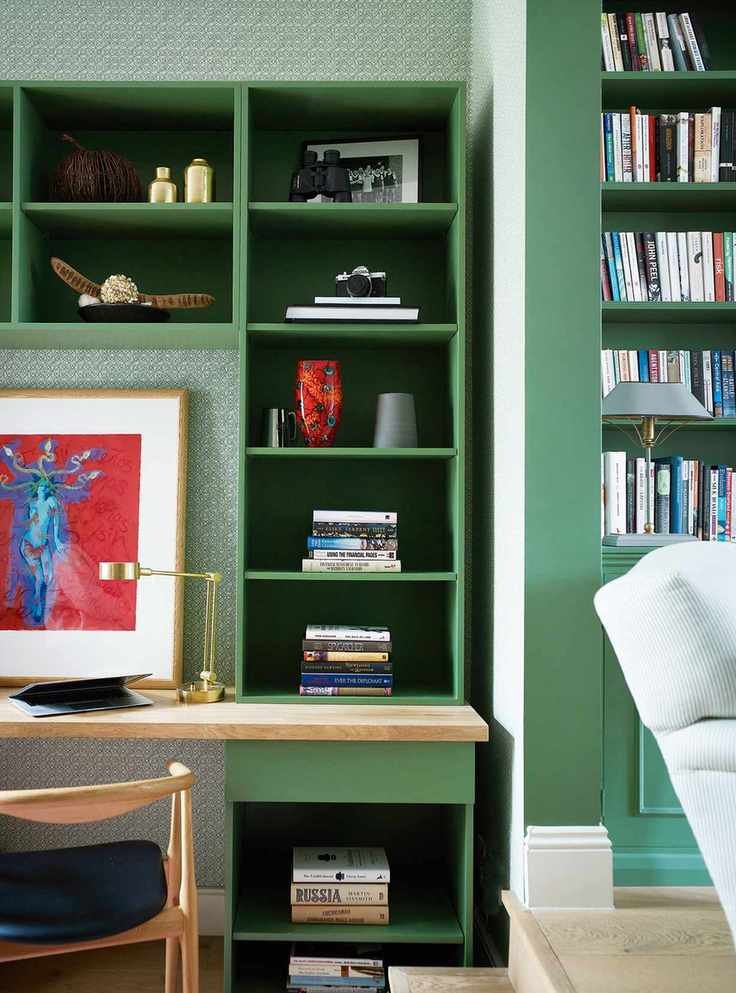
Don't feel compelled to fill every inch of space. Allowing your bookshelf to breathe is essential, especially in workspaces or bedrooms.
After decluttering, consider keeping it simple for a stunning display that speaks for itself.
14. Use Art as Dividers
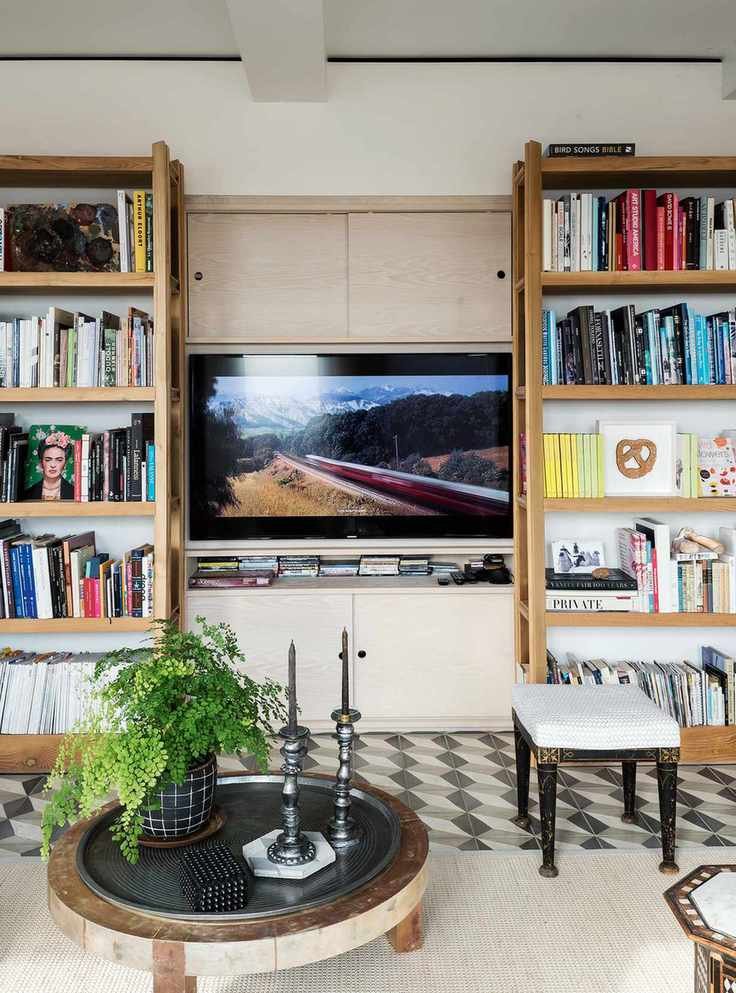
Instead of merely stacking books, use art to separate genres or styles. This adds visual interest and provides a break from dense book arrangements.
This method draws attention to every detail while keeping the overall focus cohesive.
15. Store Less-Frequently Used Books High
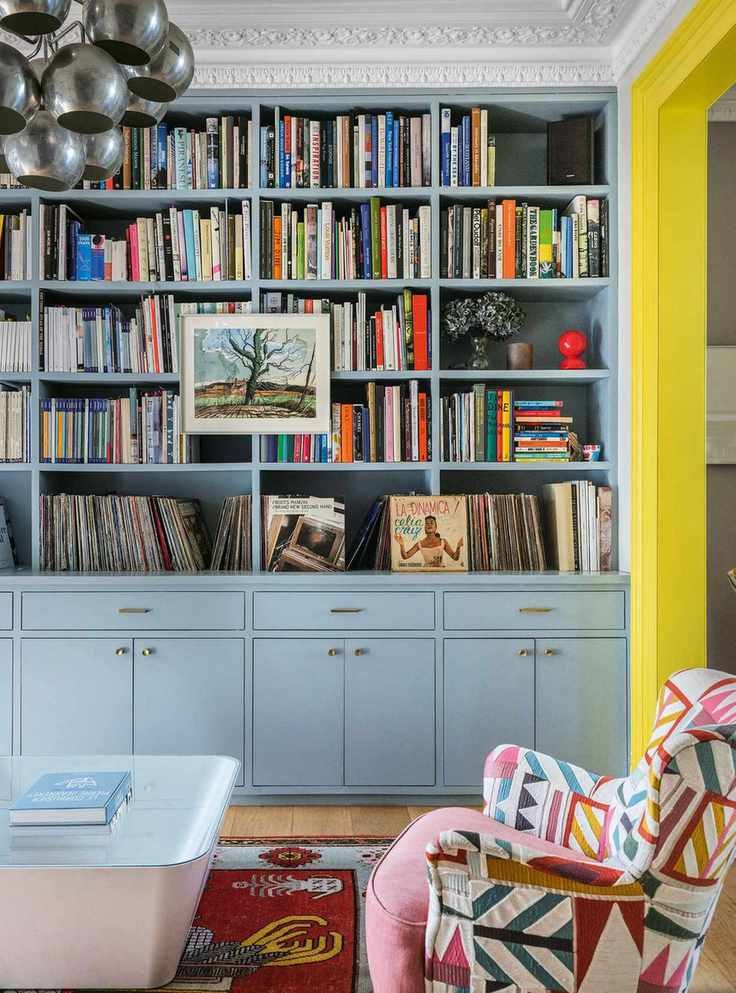
If you have books you're hesitant to part with, place them on a top shelf. This keeps them out of the way while keeping lower shelves available for more frequently accessed items.
What's the Best Way to Organize a Bookshelf?
Maximizing bookshelf space doesn't mean cramming it full. Instead, find smart storage solutions that utilize your space effectively while allowing for some open areas. This approach fosters a serene atmosphere, particularly in bedrooms or home offices.
Consider stacking books to optimize vertical space. Start with heavier books at the bottom, gradually decreasing the size. Alternatively, use risers to elevate back row books for better visibility, storing less attractive ones underneath.
Explore using the top of your bookshelf for baskets or additional storage. If possible, adjust shelf heights to create more room for smaller items.
How Can I Organize My Bookshelf?
Organizing a bookshelf is a personal endeavor and doesn't need to adhere to any strict guidelines. However, several approaches can streamline the process.
If quick access is essential, consider alphabetical sorting, either overall or by specific subjects. Alternatively, grouping similar books together works well.
For an appealing display, color coordination is popular, with darker spines on lower shelves transitioning to lighter ones above.
At the individual shelf level, arrange by height for a balanced look. Mixing vertical and horizontal arrangements alongside decorative objects enhances visual interest.


