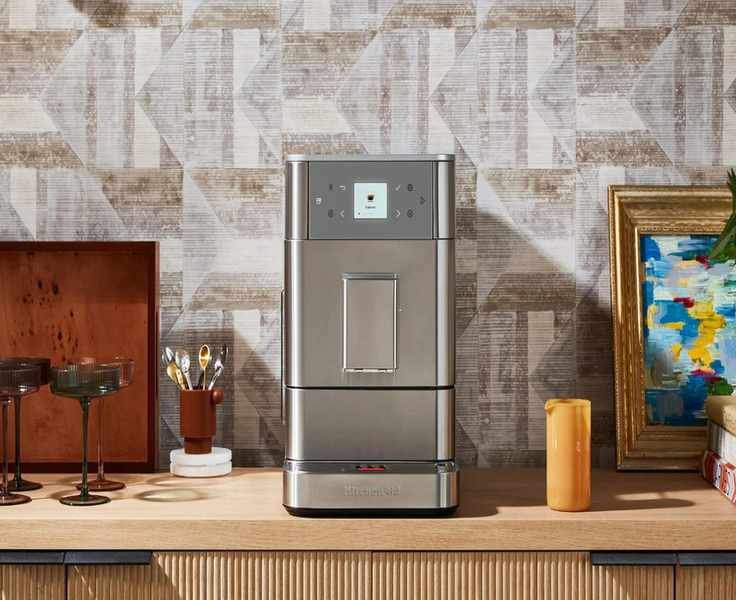
As a culinary professional, I've learned to prioritize the quality of my kitchen tools just as much as the ingredients I use. My journey across organic farms and leading kitchens has fueled my research into non-toxic appliances, focusing on safe alternatives for a healthier cooking environment.
When we talk about non-toxic cookware, we primarily mean the absence of per-and-polyfluoroalkyl substances (PFAS). These synthetic chemicals, which have been around since the 1940s, resist oil and water, often appearing in grease-proof products like waffle makers and non-stick frying pans. Unfortunately, they persist in the environment, earning the nickname 'forever chemicals.' Various health organizations, including the FDA, have raised alarms over their long-term effects on our health and the planet (more below).
According to Dr. Kelly Johnson-Arbor, a medical toxicologist, heating BPA plastic in appliances like coffee makers and kettles can pose health risks. Additionally, I've discovered concerns regarding heavy metals leaching from kitchen devices.
This awareness has driven me to seek safer options in non-toxic air fryers, plastic-free coffee makers, and beyond. This guide is designed to help you find safe kitchen appliances, detailing which materials to steer clear of, and providing recommendations for healthier cooking.
Top Materials for Non-Toxic Kitchen Appliances
According to Chiana Dickson, our expert on non-toxic living, 'Glass and stainless steel are some of the safest materials available because they are chemically stable and do not leach harmful substances.' We always prefer these over plastic or non-stick options, which can release dangerous 'forever chemicals' if misused.
Stainless Steel

The Aarke Drip Coffee Maker made with stainless steel
Stainless steel is a top choice for non-toxic kitchen appliances. It is free from the harmful chemicals often found in plastics and non-stick coatings, making it safe for all food types. However, be mindful of product quality; lower-grade stainless steel can leach trace amounts of nickel or chromium, especially when cooking acidic foods at high temperatures. Opt for food-safe 18/10 stainless steel appliances for optimal safety.
Borosilicate Glass

A glass air fryer, made by Fritaire
Like stainless steel, borosilicate glass is inert and free from hazardous chemicals. It doesn't absorb bacteria or odors, making it a hygienic choice. The FDA recommends it for its thermal shock resistance and chemical stability, allowing it to handle rapid temperature changes and acidic foods.
BPA-Free Tritan Plastic

A Tritan bottle on the Smeg Sparkling Water Maker
Tritan plastic is a safer alternative to cheaper plastics, being free from BPA, PFAS, and other harmful substances. Its manufacturer conducts thorough testing, earning certifications from various food safety agencies. Tritan is durable and heat-resistant, although it should not be used for boiling liquids.
Materials That Require Care
Some materials can be safe but require careful use and cleaning.
Ceramic Coatings

Ceramic-coated air fryers, pans, and panini makers, made by Bella
Ceramic-coated appliances provide a safer alternative to traditional Teflon but demand gentle handling. Chef Maricel Gentile advises using medium heat and avoiding metal utensils to maintain the coating's integrity. Clean ceramic-coated tools with soft sponges and mild detergents.
Aluminum

While Dr. Ryan Marino notes that aluminum cookware typically leaches minimal amounts of aluminum, cooking acidic foods in bare aluminum can accelerate leaching. Be cautious with high-salt dishes as well.
Carbon Steel, Copper & Cast Iron

These materials are generally safe when used appropriately, but avoid combining them with acidic or salty dishes to prevent leaching.
Materials to Avoid
Certain materials can pose health risks, particularly when subjected to high temperatures or wear.
PFAS and Teflon Coatings

PFAS, including Teflon, are common in non-stick appliances like waffle makers and frying pans. Although the FDA states these chemicals are tightly bound to cookware, concerns about health risks persist, including links to cancer and reduced fertility. Dr. Bruce Jarnot recommends opting for PFAS-free appliances.
Cheap BPA Plastics

Many inexpensive appliances use BPA-laden plastics, which can leach harmful chemicals when heated. These plastics are chosen for their low cost but can lead to significant health concerns, including endocrine disruption.
Lead & Cadmium
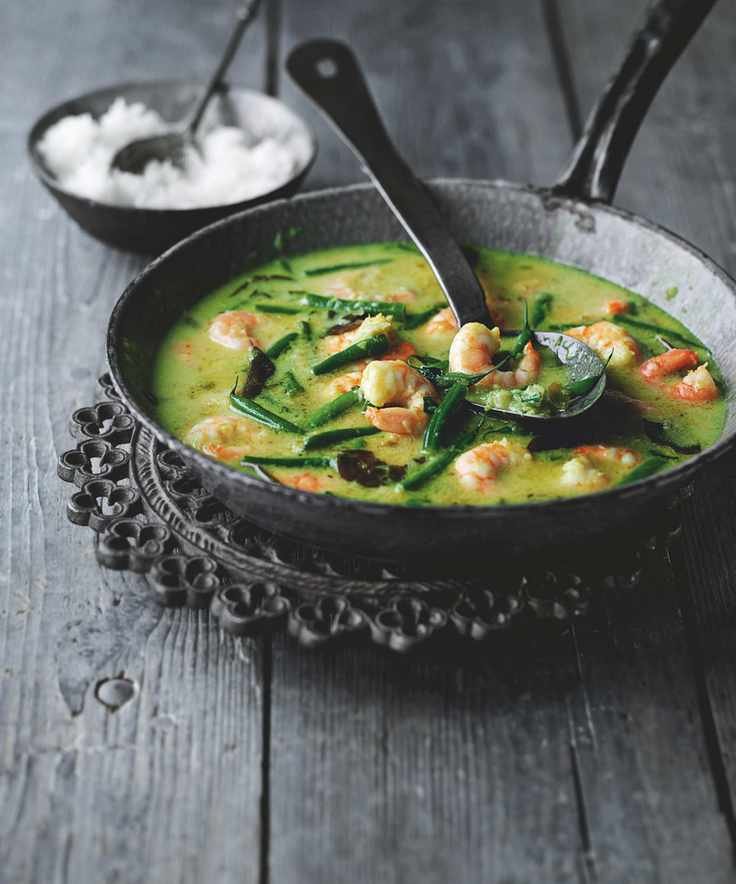
Lead and cadmium are heavy metals that pose health risks and are regulated in kitchenware. Imported appliances may not always meet these regulations, so look for FDA certifications to ensure safety.
Recommended Non-Toxic Kitchen Appliances
After consulting with toxicologists and kitchen experts, I've curated a list of reliable non-toxic appliances for various cooking needs.
 Best non-toxic kettle
- Aarke Electric Kettle: This kettle is crafted from high-quality stainless steel, ensuring it won't leach chemicals, even at high temperatures.
- Aeropress Premium: Skip plastic pod machines. The Aeropress is made from stainless steel and glass, making it easy to use and clean.
- Vitamix Stainless Steel Container: A top-tier blender now available with a stainless steel container, perfect for soups and smoothies.
- GreenPan Omni Cooker: This slow cooker features a ceramic coating free from harmful chemicals, ideal for various dishes.
- Aarke Drip Coffee Maker: This sleek coffee maker is made of stainless steel and glass, perfect for serving high-quality coffee.
- Midea Flexify French Door Air Fryer: A spacious air fryer/oven that can bake, roast, reheat, or air fry for the whole family.
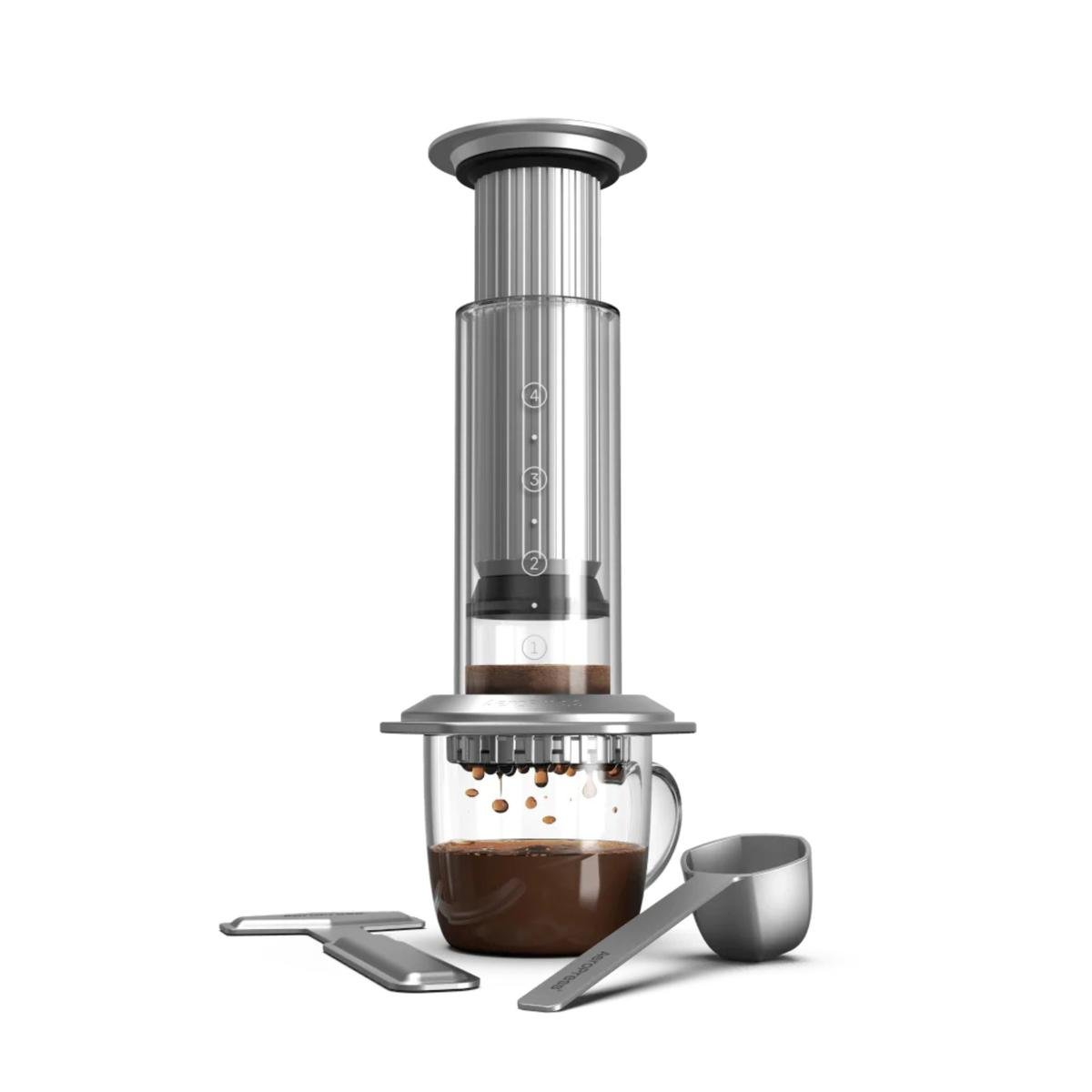 Best single-serve coffee maker
 Best non-toxic blender
 Best non-toxic slow cooker
 Best non-toxic drip coffee maker
 Best non-toxic air fryer / toaster oven
A-Z of Trusted Brands
- Aarke: glass/stainless steel kettles and coffee makers
- Aeropress: glass and BPA-free coffee makers
- Caraway: PFAS-free bakeware and cookware
- Le Creuset: cast iron cookware with enamel coating
- GreenPan: ceramic-coated cookware
- KitchenAid Mixers: stainless steel and glass bowl options
- Made In: stainless steel cookware
- Moccamaster: BPA-free coffee makers
- Our Place: non-toxic kitchen appliances
- Staub: premium French cast iron cookware
- Vitamix: stainless steel and Tritan pitchers
Meet Our Experts

As a Kitchen Editor, I oversee research and testing on non-toxic kitchen appliances. I interview toxicologists and analyze materials for safety, ensuring the products we recommend meet high standards.

Bruce is a board-certified toxicologist with over 30 years of experience in product safety and compliance, advising manufacturers on sustainability and regulatory standards.

Kelly is a medical toxicologist and interim executive director at a Poison Center, specializing in kitchen appliance safety.

Chiana is an editor focused on non-toxic living, providing practical advice on decluttering and healthy home practices.

Dr. Marino is a medical toxicologist and emergency physician, with expertise in food safety and health risks.

Dr. Brandon is a leading expert in microplastic pollution and sustainability.

Lindsay is a dietitian specializing in functional medicine, with a focus on nutrition education.

Maricel is a chef and educator, guiding home cooks in mastering Asian cuisine.

Dr. Quoc Le is a food scientist and consultant, offering insights into food safety and cooking practices.
FAQs
What toxins are in kitchenware?
Kitchenware brands often refer to PFAS as 'toxins.' These substances resist grease and heat and are commonly found in stain-resistant products. The FDA links certain PFAS to serious health risks.
For more information, check my guide on non-toxic cookware.
What is the best non-toxic toaster oven?
After testing various toaster ovens, we recommend the KitchenAid Digital Toaster Oven for its stainless steel design and spacious interior.
Is there a non-toxic food processor?
Finding food processors made from safe materials can be challenging, but BPA-free Tritan plastic is a viable option for some uses. For a plastic-free alternative, I recommend a marble mortar and pestle from Crate & Barrel.