

Roses consistently rank among gardeners' top flower choices. To ensure these stunning plants thrive for years, mastering proper pruning techniques is essential.
However, it's easy to make errors when pruning roses, leading to less than optimal growth. Here are common mistakes to steer clear of to keep your roses flourishing.
From timing your cuts to selecting the right pruning tools, understanding these pitfalls can enhance your gardening success.
Tips for Successful Rose Pruning
Rose pruning doesn't have to be daunting. By recognizing common pitfalls, you can cultivate an impressive rose garden.
1. Pruning at Inappropriate Times
One frequent error is pruning roses at the wrong season. If you prune in early summer, you risk cutting away the first flower buds, diminishing blooming potential.
In the fall, roses should be trimmed back by a third to remove spent blooms and prevent damage from winter weather.
Typically, the ideal time for pruning roses to prepare for growth is late winter or early spring. Mature roses can be pruned back significantly to promote strong, healthy new shoots.
Different rose varieties have unique pruning schedules:
- Shrub or bush roses: These types thrive on new growth, so hard pruning in early spring helps maintain their compact form and flower production.
- Rambling roses: These bloom annually in midsummer on last year's growth and should be pruned immediately after flowering to prevent losing buds.
- Climbing roses: Prune these in winter, reducing flowered shoots to maintain the main structure.
If your roses appear messy outside of primary pruning times, staking or tying them to a trellis can help until fall.
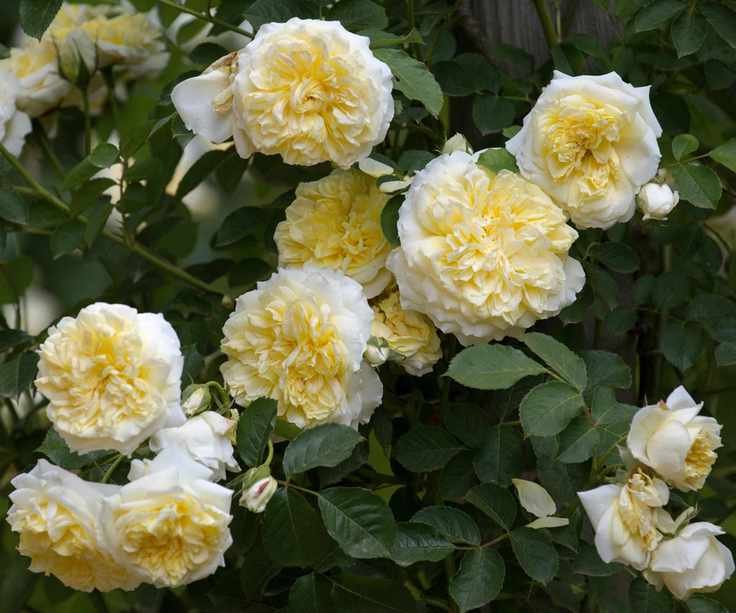
Trim climbing roses in winter for optimal new growth and blooms.
2. Overlooking Pruning Fundamentals
Roses require the same pruning attention as other shrubs. To prevent pruning errors, adhere to the '3D rule': dead, damaged, and diseased wood should be removed first.
Additionally, eliminate weak and inward-growing shoots to avoid a cluttered center.
When cutting healthy stems, make your cuts about 1/4 inch above a bud with an outward slope to facilitate water drainage.
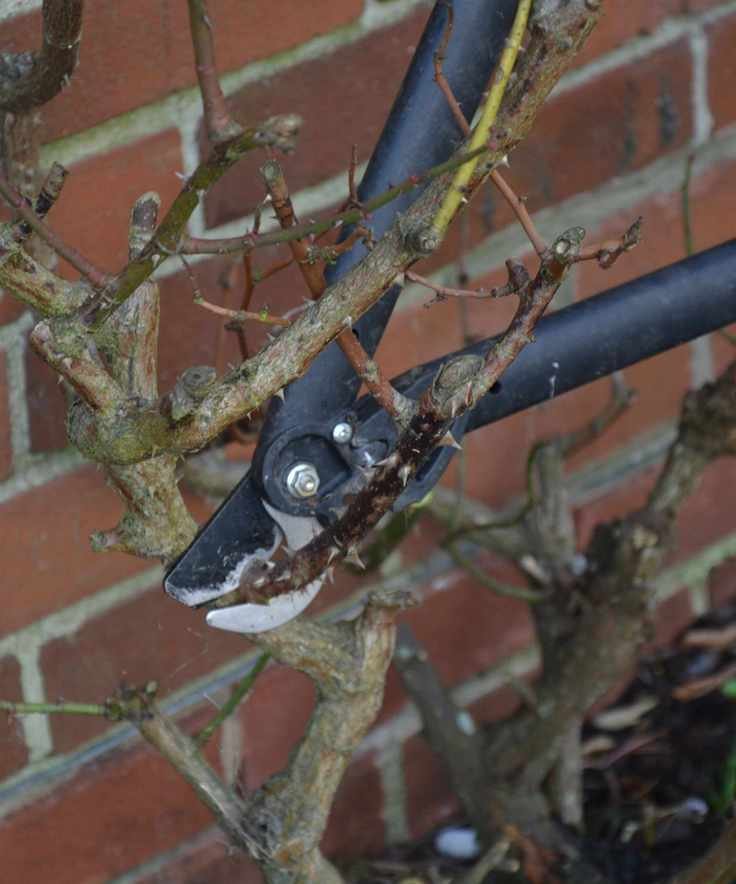
Start by removing all dead or diseased wood for healthy roses.
3. Using Dull or Dirty Tools
Using blunt tools is a major contributor to pruning woes. Tools covered in sap or debris can damage the plant. Dull blades crush stems instead of cutting cleanly, creating openings for pests and diseases.
Sticky tools can also transfer rose diseases from one plant to another.
Always clean your tools after use and keep them sharpened. For stubborn sap, a cleaner like Felco Plant Resin Remover works well, while a SHARPAL Dual-Grit Diamond Sharpening Stone is perfect for sharpening blades.
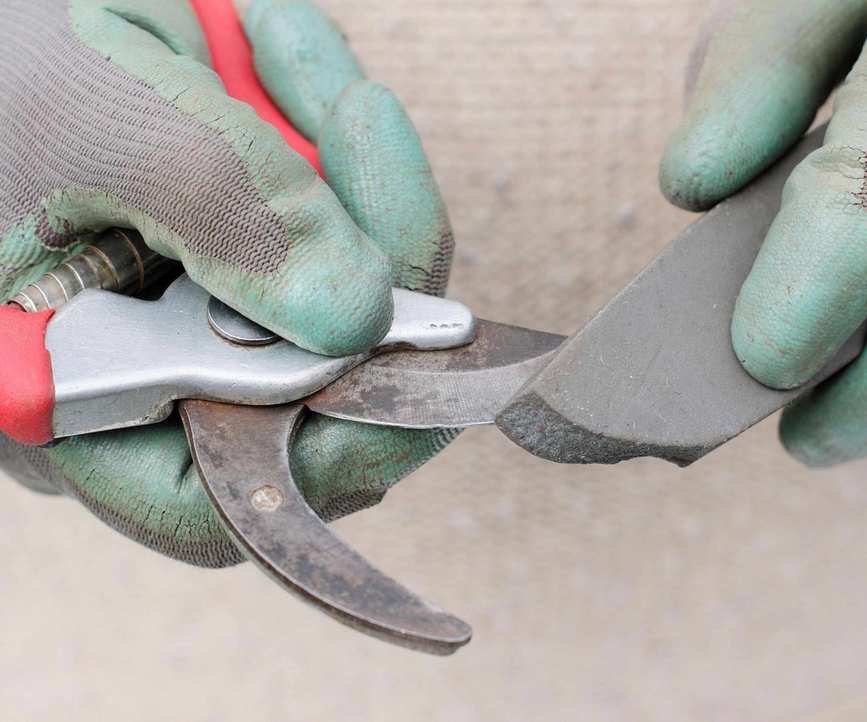
Ensure tools are clean and sharp for successful rose pruning.
4. Using Improper Tools
Utilizing the wrong tools can harm your roses just as much as dirty ones. Common pruning implements include pruners and loppers, each suited for specific tasks.
There are two types of pruning shears: anvil and bypass. Anvil pruners, such as this heavy-duty option from Woodland Tools, crush stems and are best for dead wood.
Bypass pruners, like these titanium gonicc pruning shears, operate like scissors and are ideal for green stems.
Loppers and pruning saws are necessary for thicker branches, especially in older rose plants.
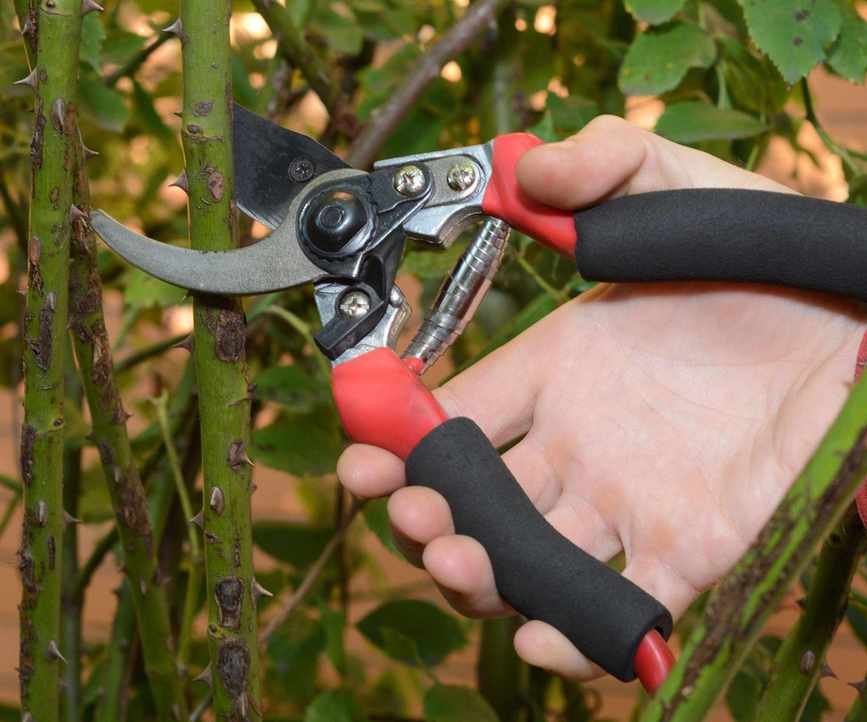
Bypass pruners are perfect for cutting green stems effectively.
5. Pruning in Unfavorable Conditions
While roses can be pruned in winter, avoid doing so in saturated or freezing soil.
Maintaining soil health is crucial; treading on waterlogged soil can compact it, reducing oxygen access to roots.
Cold conditions can lead to frost damage at the cuts, causing dieback. Wait for the weather to warm up and the soil to dry out for effective pruning.
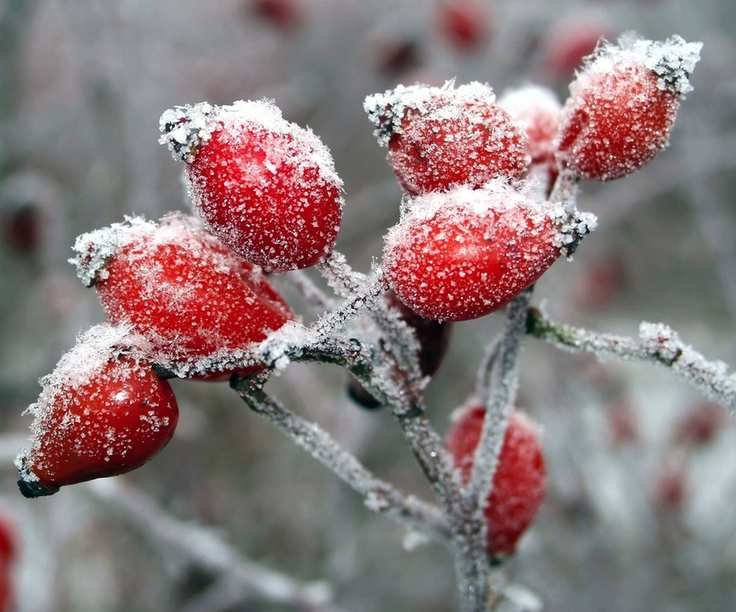
Avoid pruning in frosty or excessively wet conditions.
6. Neglecting Diseased Roses
Failing to handle roses with diseases like black spot is another significant error. This common ailment starts as dark spots on leaves that eventually yellow, often leading to leaf drop.
Improper disposal of infected materials and neglecting to disinfect tools can spread the disease.
Dispose of black spot-affected leaves carefully, whether on the ground or on the plant, and never compost them. Mulching around roses can help prevent spores from splashing back onto the plants. Always disinfect your pruners after working with diseased roses.

Dispose of infected leaves properly to prevent spreading diseases.
7. Skipping Pruning Entirely
Ignoring pruning can lead to tangled roses, reminiscent of the briar hedge in the tale of Sleeping Beauty.
Climbing and rambling varieties in particular can become overgrown and produce fewer flowers if not pruned. Follow the 'one third pruning rule' by removing one-third of the oldest stems at their base.
This encourages fresh growth, which you can train to grow horizontally on supports for abundant blooms.
Shrub roses also need annual pruning to prevent congestion, which can increase issues like powdery mildew due to poor airflow.
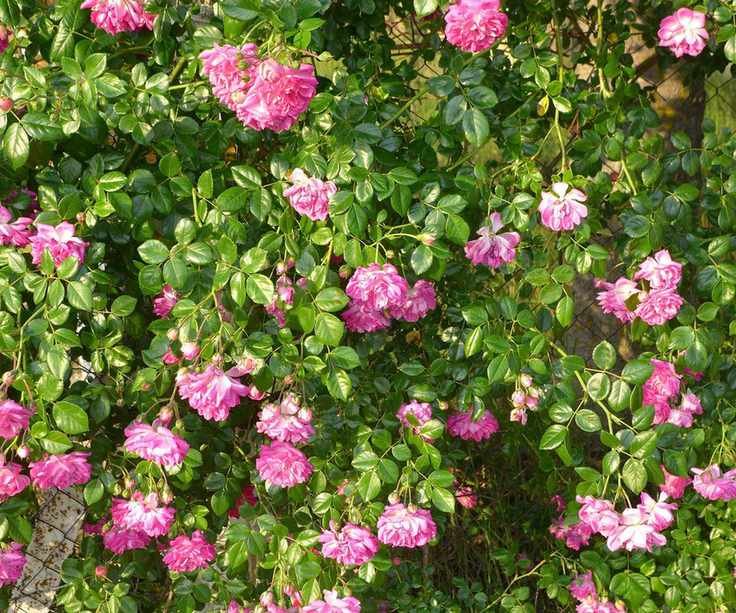
Regular pruning prevents tangling and promotes healthy flowering.
While we suggest deadheading roses throughout the season to encourage new blooms, leaving them to naturally die back in the fall is also beneficial.
The resulting hips can provide winter interest and nourishment for birds during colder months.


