
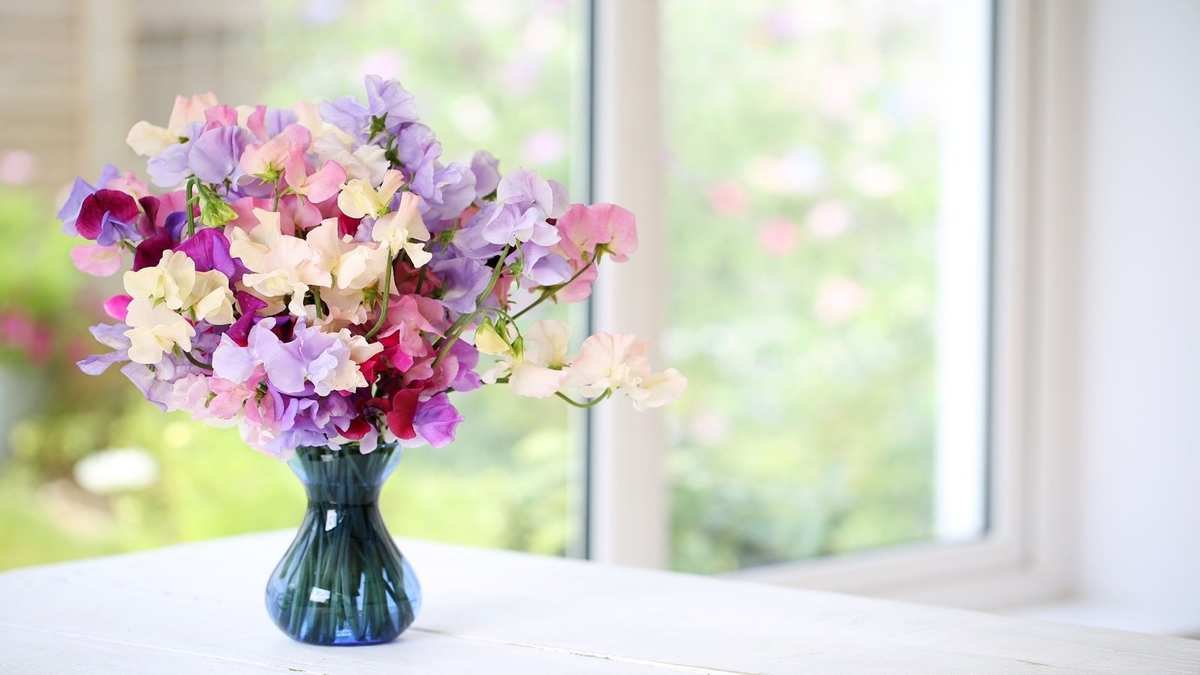
Sweet peas are beloved garden flowers, known for their delightful fragrance and vibrant colors ranging from soft cream to bold violet. These climbing plants are a staple in English-style gardens, often growing over fences or obelisks, adding height and charm throughout the summer.
Reaching heights of up to 8 feet (2.4m), they’re primarily cherished for their striking blooms rather than their less colorful stems and foliage.
Among the easiest flowers to cultivate from seed, annual sweet peas provide a rewarding gardening experience, yielding an abundance of blossoms from small seeds in just weeks. They thrive in sunny spots with fertile soil, and while they need moisture for their roots, avoid waterlogging for optimal flowering.
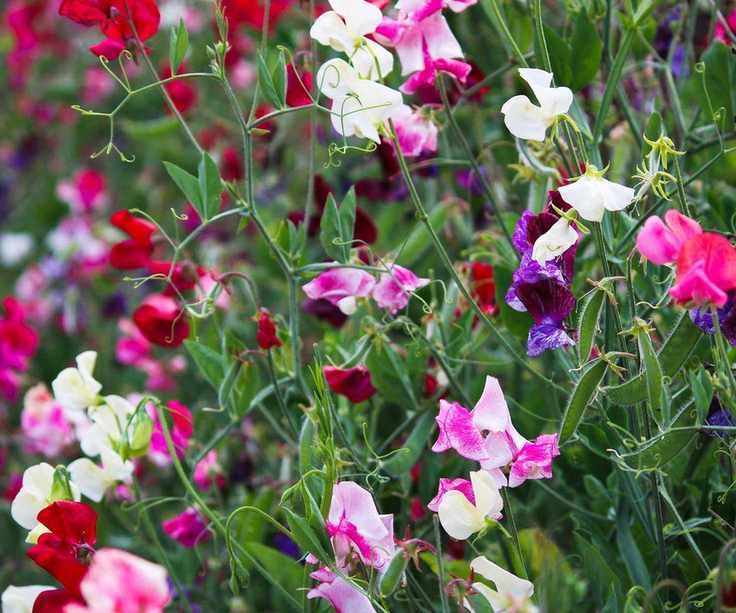
9 Sweet Pea Varieties You Must Grow
Uncover the most rewarding annual sweet pea varieties to grow. From fragrant heirlooms to larger modern blooms perfect for cutting, here’s our curated selection of must-try options.
Types of Sweet Peas
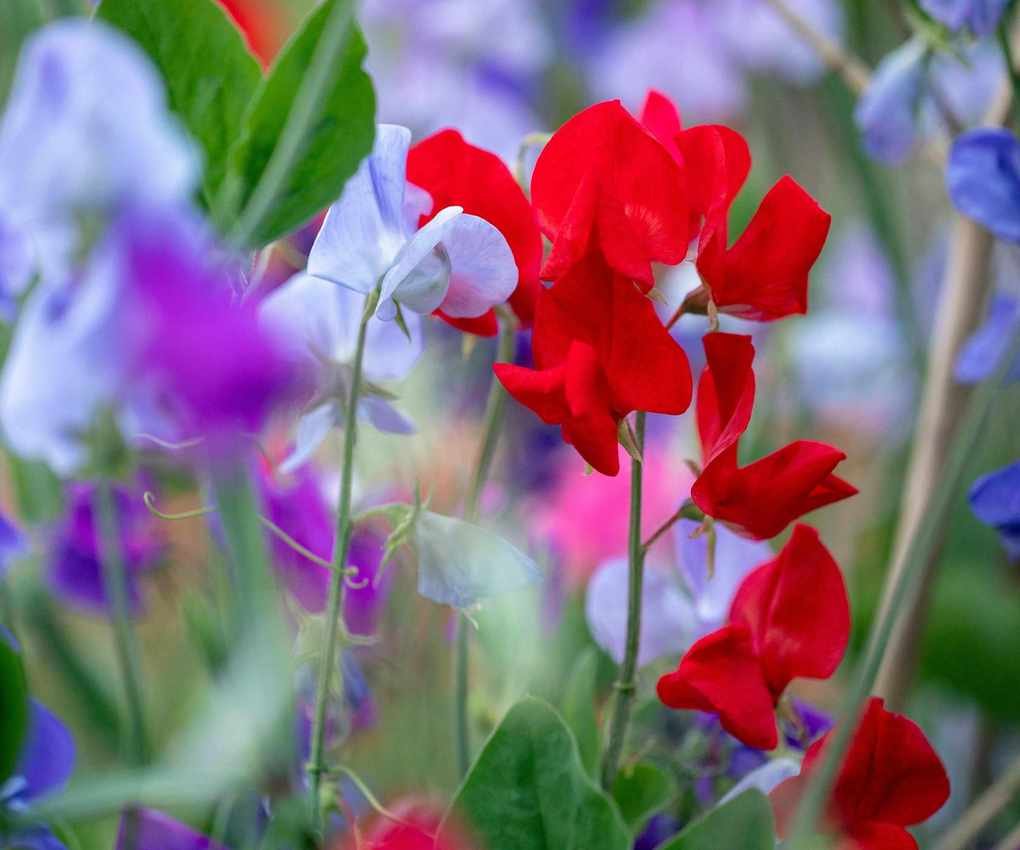
With countless varieties of the annual sweet pea Lathyrus odoratus, new options are continuously introduced by enthusiastic breeders. These varieties can be categorized into three main groups: Old Fashioned types with smaller, simple flowers; Spencer varieties featuring large, frilly blooms; and Modern types bred for substantial flowers on long, straight stems, ideal for cutting.
Perennial sweet pea, Lathyrus latifolius, regrows annually, offering clusters of small, unscented white or rose flowers. It’s perfect for trailing on fences and trellises, boasting around 20 different varieties.
Lathyrus odoratus 'Jilly'
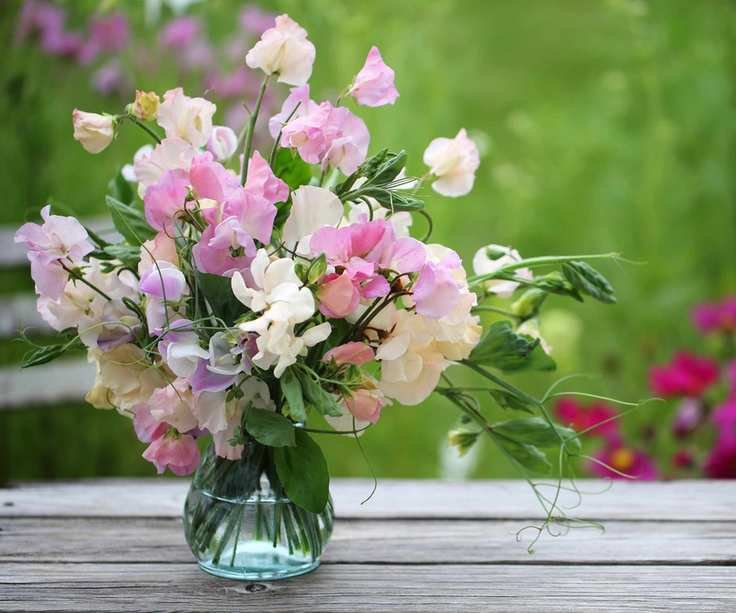
Lathyrus odoratus ‘Jilly’, with wavy soft cream petals and yellow buds, is a stunning, fragrant variety introduced by Unwins in 1988. It remains a top choice among pale-toned sweet peas.
Spencer sweet peas are recognized for their long stems and large blooms. Experienced grower Glenys Johnson explains that these were first cultivated by the Earl of Spencer and his gardener, who focused on large, frilled flowers.
Successful sweet pea cultivation begins with early planting. Glenys notes that in Northern California, she starts seeds in the fall, while colder regions may begin between January and March. Sweet peas tolerate frost and prefer sunny, cool conditions. She enjoys watching her sweet peas sprout in mid-winter.
Lathyrus odoratus ‘Matucana'
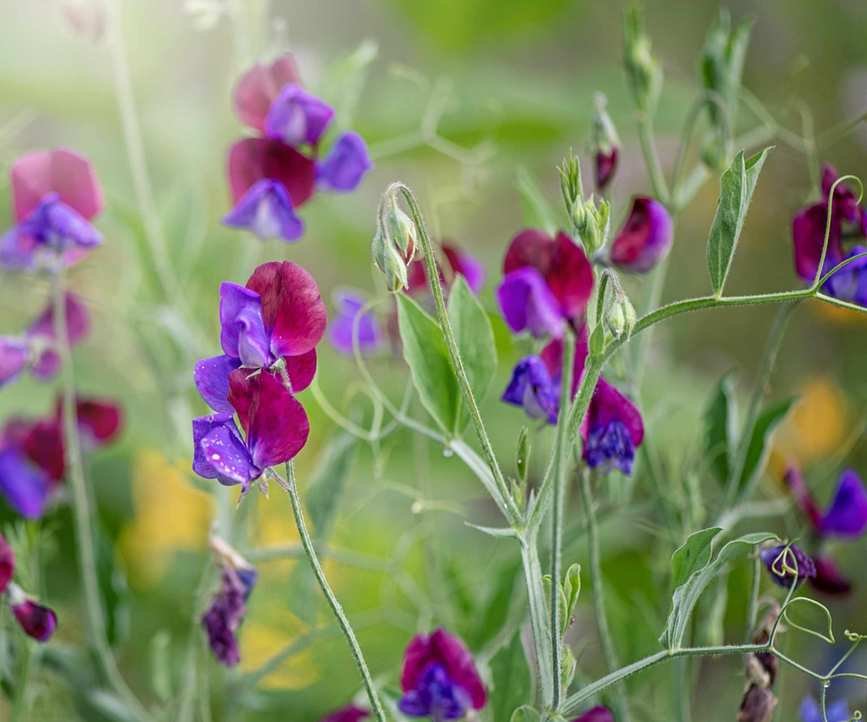
This variety blooms continuously from early summer to fall, attracting pollinators. While susceptible to mildew and other common issues, ‘Matucana’ demonstrates greater drought resistance. Young seedlings can attract pests, so protect them from critters.
Lathyrus odoratus 'Mammoth Rose Pink'
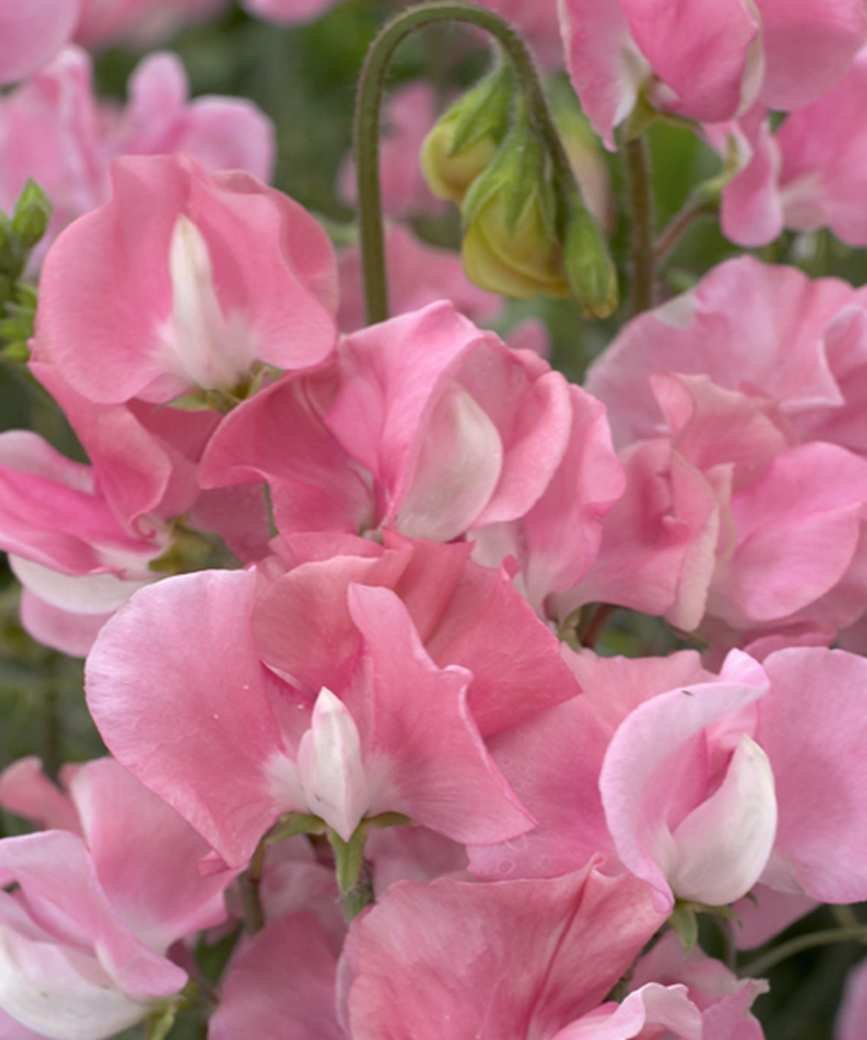
This large-flowered sweet pea features a vibrant pink shade, reaching heights of up to 6ft 5” (2m). Ideal for cutting, it thrives in sunny, well-drained soil.
Encourage bushy growth by pinching out seedlings’ growth tips after three to four leaves develop, promoting side stems and more blooms. You can find Lathyrus odoratus Mammoth Rose Pink seeds at Burpee and Ball Seed Company.
Lathyrus odoratus 'Blue Shift'
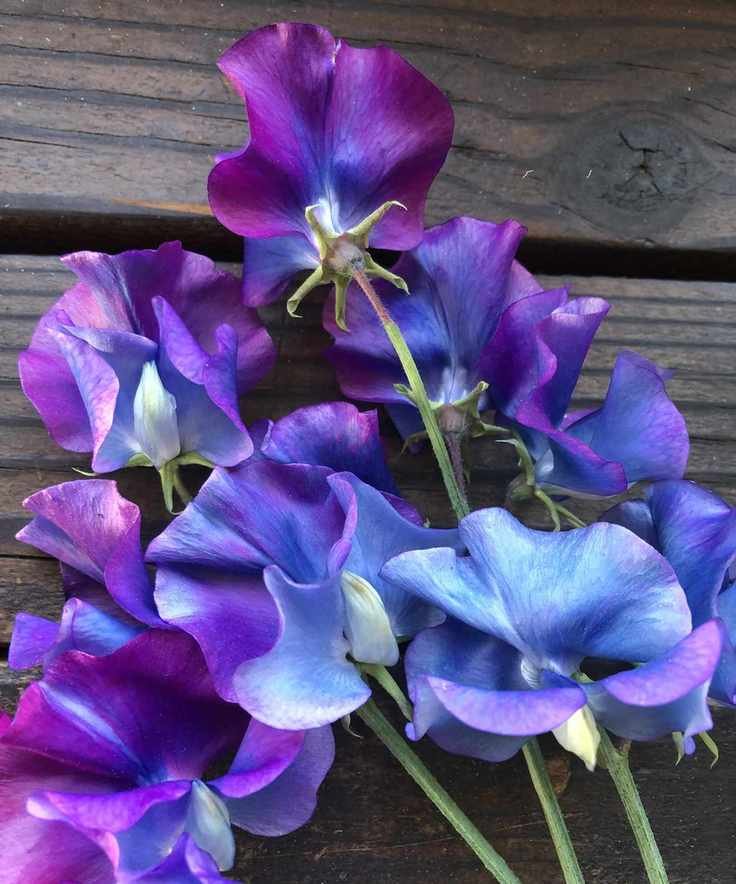
‘Blue Shift’ is a favorite among growers due to its remarkable color-changing blooms, transitioning from soft pinks and purples to captivating blues and aquamarines. Georgina, a grower, notes that after cutting, the flower continues to evolve in the vase.
Glenys Johnson recommends these seeds, highlighting their need for full sun, well-drained soil, and regular feeding for abundant blooms. Regularly deadhead spent flowers to encourage new growth.
Seeds for Lathyrus odoratus 'Blue Shift' can be found at Enchanting Sweet Peas.com and Sweet Pea Gardens.

With years of sweet pea cultivation experience, Glenys launched her Enchanting Sweet Peas seed company in Sebastopol, CA, sharing her knowledge and passion for these beautiful flowers.

Founder of Sweet Pea Gardens, Georgina is a dedicated horticulturist with over a decade of experience in sweet pea cultivation.
Lathyrus odoratus 'Spring Sunshine Lilac'
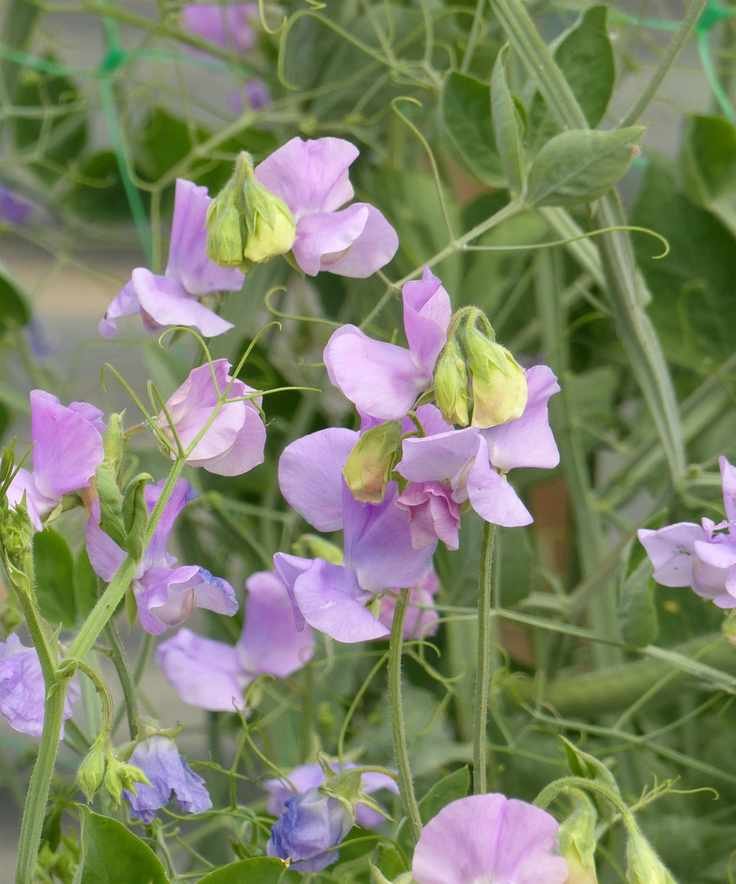
This newer variety thrives in warm, dry conditions, producing large, softly waved petals in a lovely lilac hue and reaching heights of 6ft 5” (2m).
It requires sturdy support like a trellis and enriches soil by fixing nitrogen. Prep the soil well and feed young plants with a diluted liquid fertilizer high in potash and phosphate. Ensure roots remain moist, watering regularly.
Lathyrus odoratus 'Spring Sunshine Lilac' seeds are available at Ball Seed Company and Muller Seeds.
Lathyrus odoratus 'King Size Navy Blue'
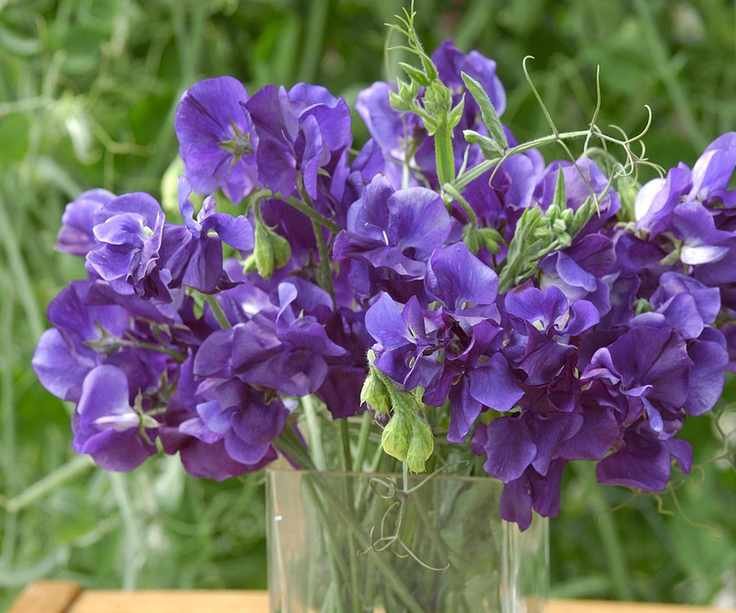
This striking variety features deep blue, almost black petals with a wonderful fragrance. Each slender stem produces five frilled flowers, making a stunning display alongside lighter sweet pea varieties.
To extend the vase life of cut stems, trim them at an angle and submerge in cold water, recutting the base to avoid air bubbles.

Operations Manager at Holland Group, Katie has been in the green industry since 2005, earning a degree in Horticulture in 2008.
Lathyrus odoratus 'Fire and Ice'
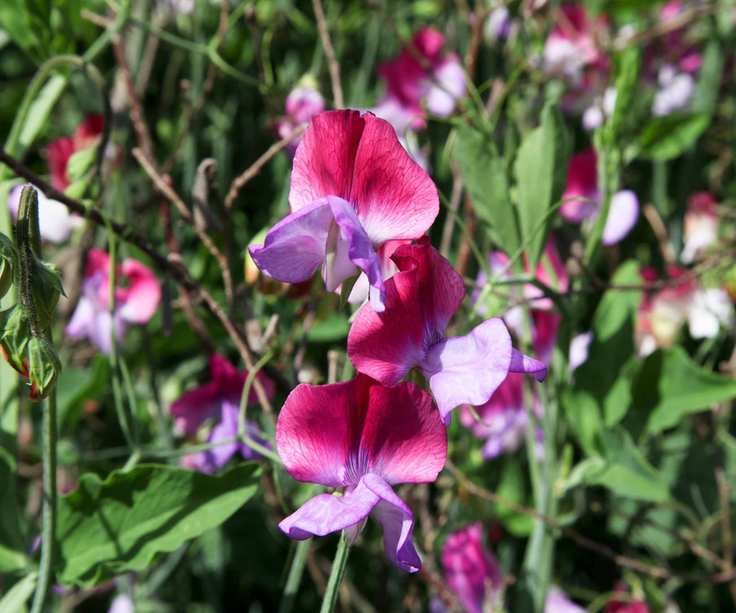
This large-flowered variety features soft pink petals tinged with violet. It blooms profusely and is ideal for cut arrangements; remember to regularly snip off spent flowers to redirect energy to new blooms.
Popular with pollinators, it’s a favorite among flower farmers and florists. Katie Sunderlage loves its contrasting blooms and potent fragrance but advises against placing it in direct afternoon sunlight.
Lathyrus odoratus 'Blue Celeste'
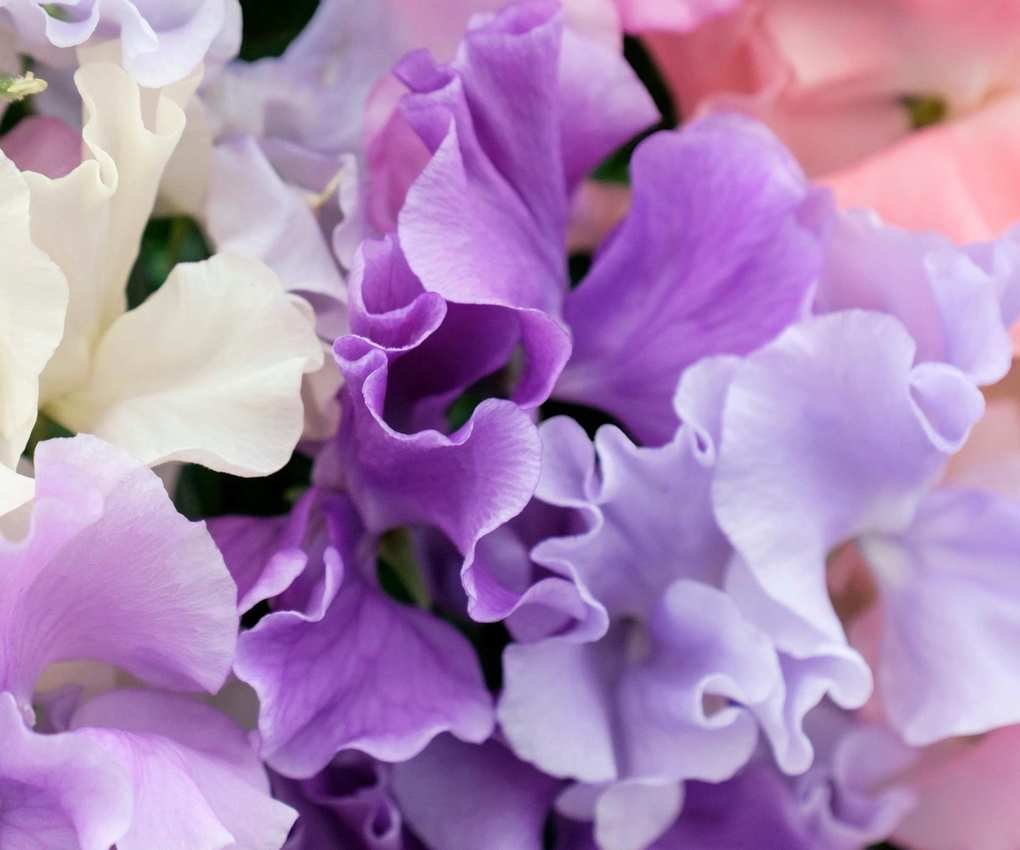
When people think of sweet peas, they often envision the Spencer varieties, known for their ruffled, fragrant blooms that capture the essence of summer cottage gardens.
Glenys shares her fondness for the tall vining Spencer types, particularly Blue Celeste, with its pastel lavender hue and delightful fragrance. Consider starting with nursery-grown seedlings or germinating your own seeds, which typically take about three weeks to sprout.
Peggy Anne Montgomery recommends soaking seeds overnight or nicking them to enhance germination. Plant in early spring in rich soil and pick when two flowers are open for longevity in the vase. Sweet peas can be toxic, so handle with care around pets and children.

Peggy Anne has over 30 years of experience in garden marketing, focusing on sweet peas.
Lathyrus odoratus 'Wiltshire Ripple'
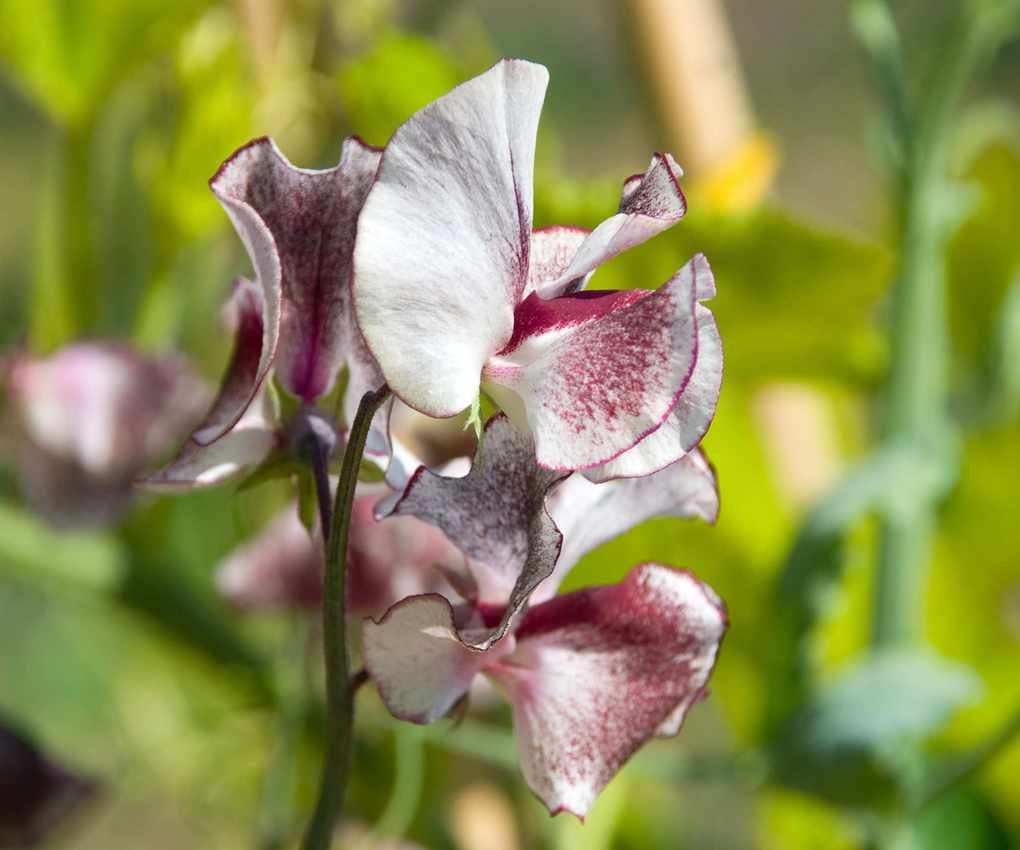
This Spencer type features large, wavy flowers with stunning markings in deep blackcurrant and claret, set against ivory. They attract pollinators with their fragrance and look remarkable on trellises or arches.
Reaching about 5ft 9” (180cm), seeds germinate in just 10-14 days and can be started in root trainers for robust, deep-rooted plants.
After exploring these sweet pea varieties, you’ll be inspired to fill your garden with vibrant blooms. To expand your gardening knowledge, check our guides on easy flowers to grow from seed and tips for successful seed germination.


