
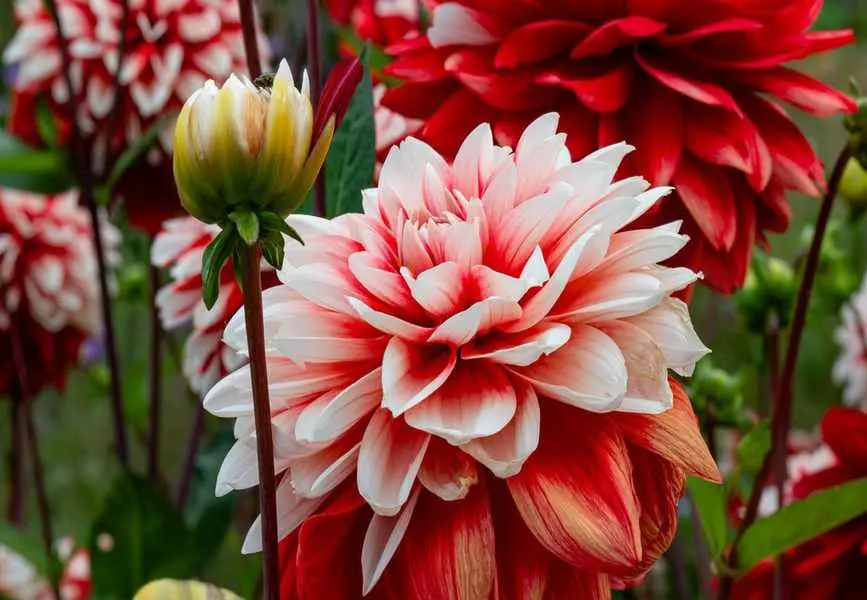
With a stunning variety of colors and shapes, dahlias can transform your late summer garden into a vibrant display. To maximize their blooming potential, it's essential to know how to care for them effectively.
Dahlias are not only eye-catching in the garden but also thrive in containers on patios, allowing you to enjoy their beauty in smaller spaces.
Planting dahlia tubers is straightforward, but these flowers do need some attention to flourish. We consulted experts to uncover the best practices for keeping dahlias blooming from late July until the first frost.
Essential Tips for Continuous Dahlia Blooms
Knowing when to plant dahlias is key for a stunning flower display. To truly excel, there are several important tasks to perform. Here's how professionals maintain their dahlias for a lasting impact.
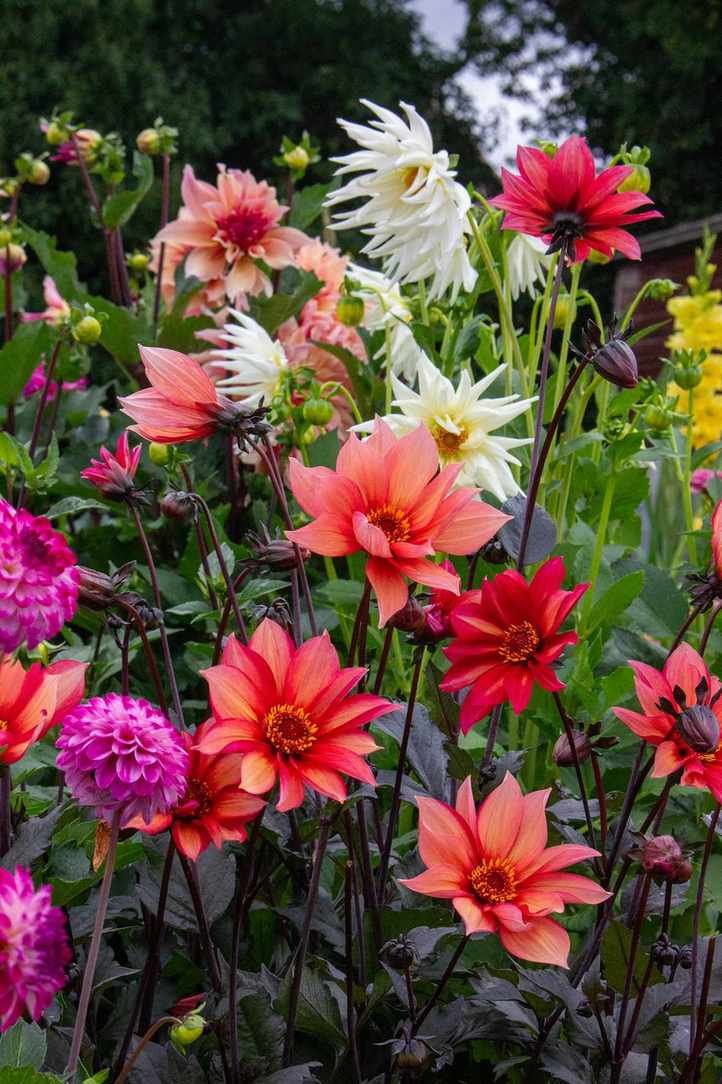
1. Regularly Deadhead Dahlias
To prolong blooming, deadheading dahlias is essential. 'Remove the spent flower head and stem down to the next highest bud to strengthen the remaining stem,' advises a gardening expert.
Be cautious to remove only the faded flowers, not the buds. 'Generally, flower buds appear rounded, while spent blooms look pointed and are a lighter shade,' the expert notes.
2. Support Your Blooms with Stakes
Staking your dahlias not only enhances their visual appeal but also provides necessary support. 'Heavy blooms can weigh down the plant, especially after rain,' the expert explains. Use sturdy stakes inserted around the plant when it reaches 12 to 18 inches tall, ensuring the tubers remain unharmed.
3. Fertilize for Robust Growth
Feeding dahlias is crucial for ongoing blooms. While opinions vary, co-founder of a gardening brand suggests ensuring the soil is rich in organic matter. Fertilize every three to four weeks starting in midsummer and continuing until early fall.
Opt for a fertilizer high in phosphorus to encourage blooming, while avoiding high nitrogen, which promotes foliage over flowers. A good ratio is 10-30-20. Stop fertilizing by late August if you plan to lift the tubers for storage.
4. Adjust Watering to Conditions
Proper watering is vital for healthy dahlias. 'Watering needs depend on weather conditions,' the expert mentions. For a dahlia plant that's 40 inches tall and wide, aim for about 4½ gallons of water weekly during dry spells.
5. Monitor for Pests
To keep dahlias thriving, stay vigilant against pests and disease. Aphids are common pests that can stunt growth and distort leaves. Use insecticidal soaps or neem oil for effective control.
Slugs also pose a threat, especially early in the season. Implementing a watering system that soaks the soil while keeping leaves dry can deter them.
Powdery mildew, a fungal disease, can appear as a white coating on leaves, reducing vigor and blooms. Ensure good air circulation by spacing dahlias properly and removing any infected leaves.
Crown rot is another concern, often caused by overwatering or poor drainage. Look for wilting or darkening stems at the soil line as signs. Ensure well-draining soil and avoid excess watering.
FAQs
Will Dahlias Bloom More Than Once?
Yes, dahlias can bloom multiple times with the right care, including regular deadheading. They're ideal for cut flower gardens, too, as cutting blooms encourages further flowering. Choose varieties known for long-lasting displays to maximize your garden's beauty.
Dahlias can create stunning summer displays. However, if you live in zone 7 or below, be sure to lift and store the tubers after the first frost to ensure vibrant blooms next year.



