
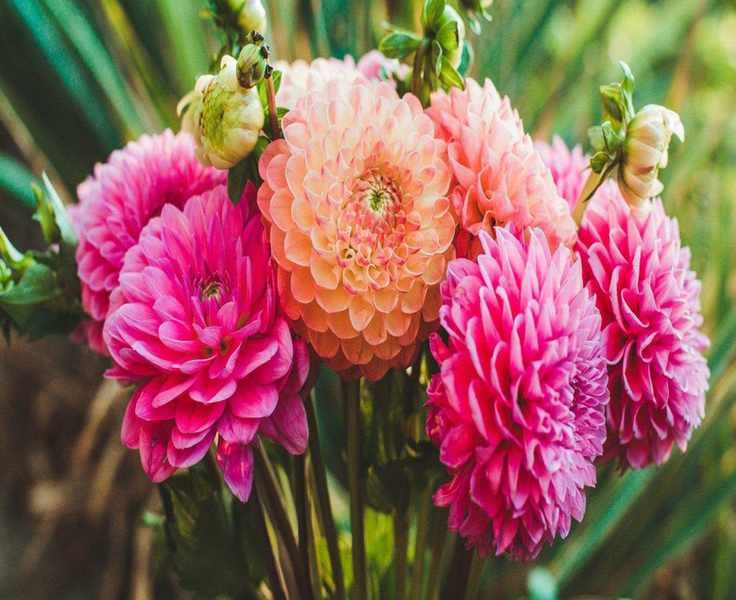
Dahlias are beloved for their variety in shape, size, and color, adding vibrant drama to gardens. However, they can fall prey to various fungal, viral, and bacterial issues.
For successful dahlia cultivation, it's vital to minimize risks from potential diseases. Proper spacing and thoughtful watering techniques can significantly enhance plant health and resilience.
Sadly, some dahlia diseases have no cure, marking an end for affected plants. To prevent this, make wise choices and avoid common mistakes that heighten the risk of disease.
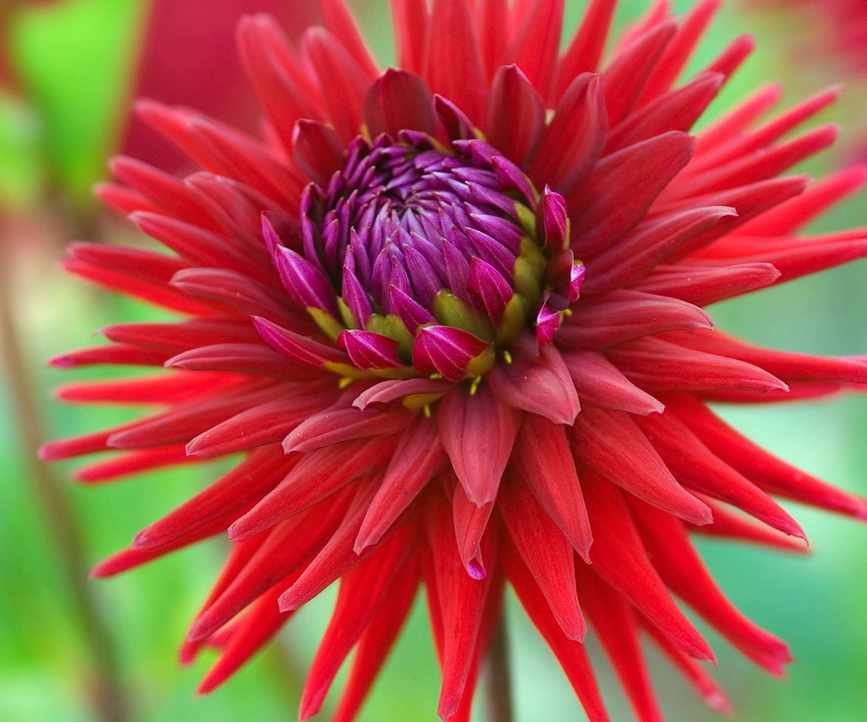
Cactus dahlias feature unique blooms with slender petals
Preventing Dahlia Diseases
Many dahlia diseases can be effectively managed by promoting plant health through sound cultural practices. This begins as you plant dahlia tubers and continues with essential care such as watering, feeding, and deadheading.
Amelia Haslehurt, an experienced horticulturist, emphasizes key strategies for dahlia growers to minimize disease risks. She advises: 'Ensure adequate spacing between plants, water in the morning to let leaves dry, and practice regular crop rotation.'
'Remove and dispose of any diseased material, and keep the garden tidy to lower disease risks,' she adds. Regular inspections of your dahlias are crucial for early problem detection, allowing swift action to curb any disease spread.

Common Dahlia Diseases
When purchasing dahlias, always choose certified virus-free tubers from reputable sources. Research shows some dahlia varieties are resistant to specific diseases.
You can explore a selection of dahlia tubers at this reliable online supplier.
Let's examine some of the prevalent dahlia diseases, their warning signs, and potential solutions.
1. Gall
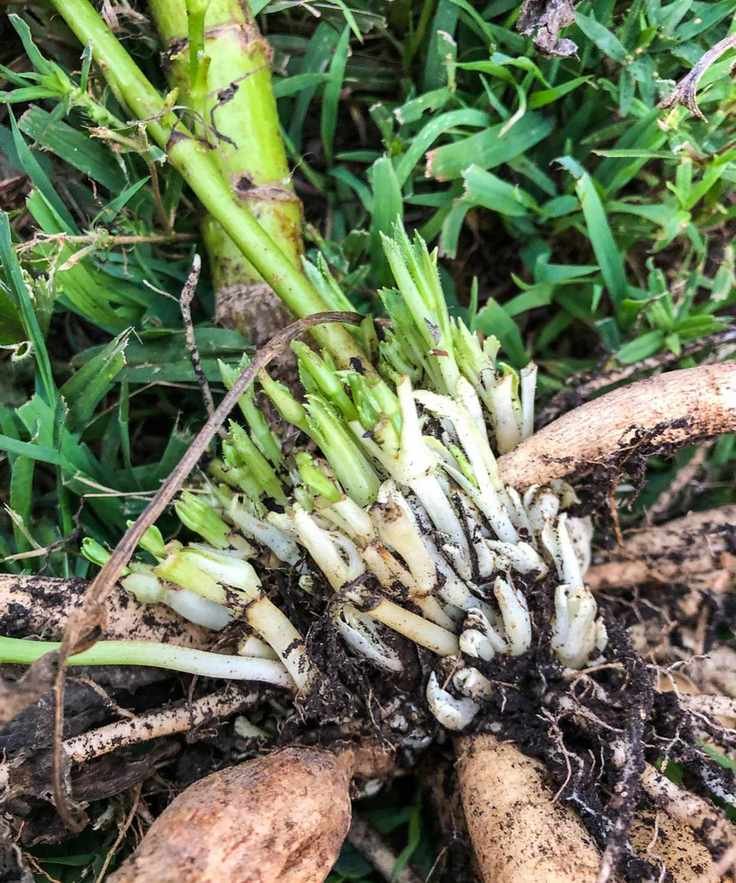
Crown gall, a bacterial disease, manifests as swellings on stems and roots. These galls may initially appear small but can harden and become permanent on tubers. Often, they go unnoticed until tubers are lifted for winter storage.
Both crown gall and leaf gall—another bacterial infection—enter through plant wounds. Always utilize sterilized tools when pruning to prevent spreading infections.
Unfortunately, there's no effective treatment for these galls, so infected plants must be destroyed. Avoid composting any infected material.
John Negus, a plant expert, recommends, 'Dispose of diseased dahlias and plant new ones in untouched soil.'
2. Mosaic Virus
According to the American Dahlia Society, more than a dozen viruses can infect dahlias, with the mosaic virus being notably prevalent. Symptoms include mottled foliage, diminutive flowers, and stunted growth, often accompanied by yellow streaks from chlorophyll loss.
Diseased dahlias can transmit the virus to other plants, primarily via aphids or unclean tools. To combat aphids, consider using soapy water, diatomaceous earth, or companion planting.
Once infected, dahlias cannot be cured; remove and discard any affected plants without propagating from infected tubers.
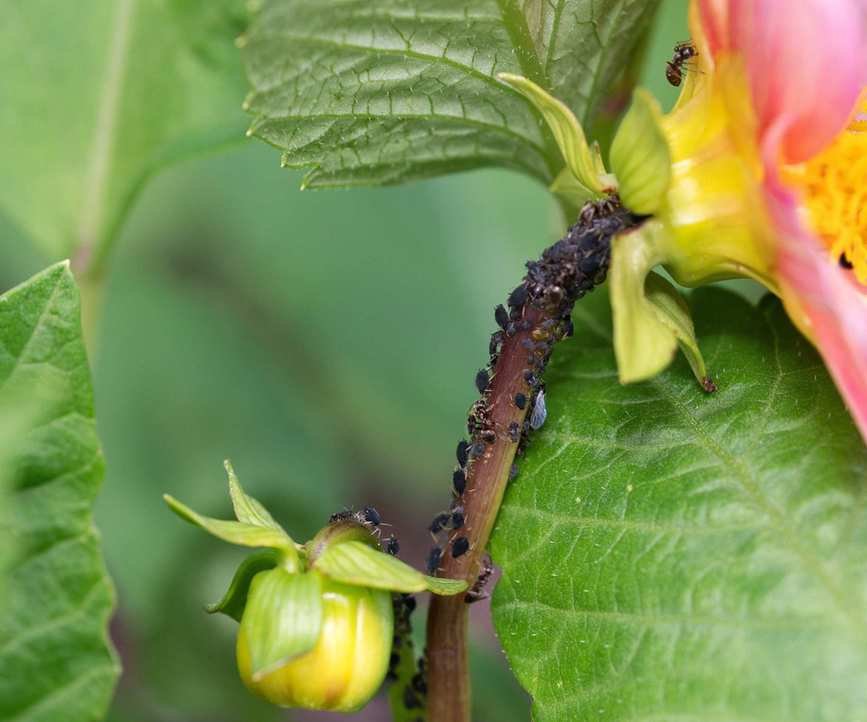
Aphids are known to transmit the mosaic virus between dahlias
3. Powdery Mildew
This common fungal issue presents as white powdery spots on leaves and stems, especially during hot, humid weather.
Preventative measures include watering at the base of plants rather than overhead, as the latter can spread mildew spores. Watering in the morning helps keep leaves dry overnight, reducing fungal risks.
Fungicides are available for powdery mildew, such as the Garden Safe Fungicide Spray.
John Negus advises several strategies to avoid powdery mildew: don't let roots dry out, ensure adequate spacing for air circulation, and prevent water from lingering on leaves.
If you notice infections, promptly remove affected leaves while ensuring you don't weaken the plant. Cuttings can be taken in spring as long as new growth isn't emerging from soil with last year's foliage.
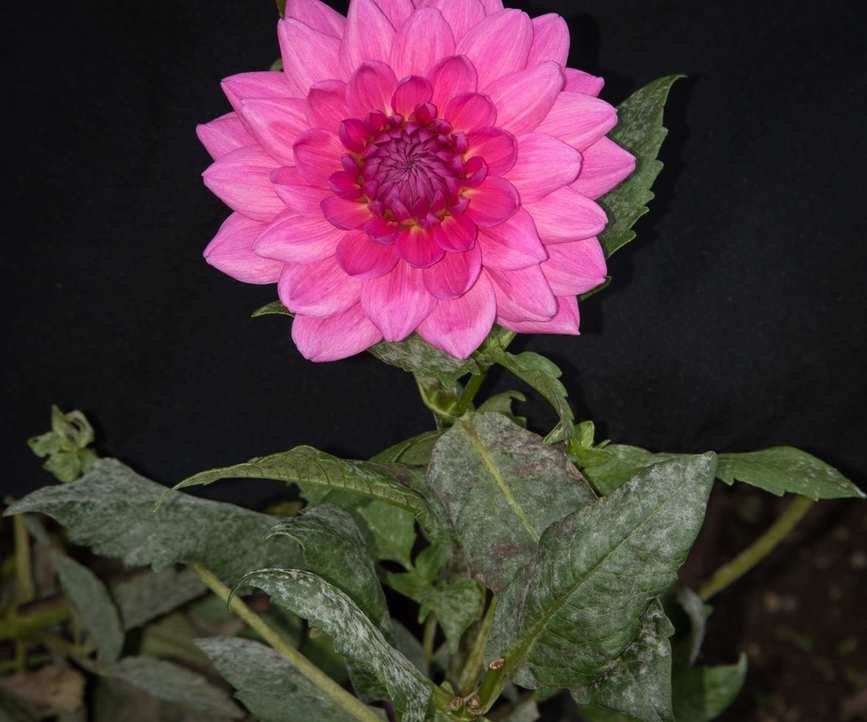
Remove leaves affected by powdery mildew promptly
4. Smut
Dahlia smut is a fungal problem characterized by irregular spots on leaves that develop into dark lesions. This disease thrives in cool, wet conditions and can spread through rainfall or overhead watering.
Vigilantly monitor your dahlias and immediately remove any infected sections. Avoid overhead watering, and ensure proper spacing for good air circulation to mitigate the risk of smut and other fungal ailments.
Smut can survive in soil attached to tubers during winter storage.
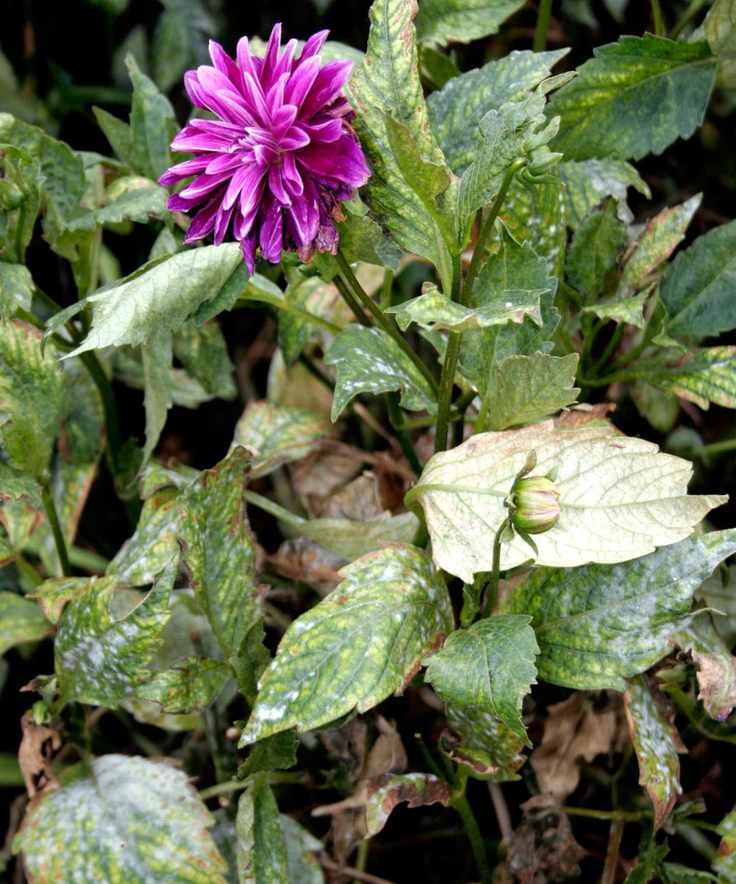
Overhead watering can contribute to the spread of dahlia smut
5. Wilt
Soil-borne fungal diseases like verticillium wilt and fusarium wilt can affect dahlias at any growth stage. The symptoms include rapid wilting, often starting on one side, leading to a sudden plant collapse and potential death.
There's no chemical remedy for wilts, making management challenging since the pathogens reside in the soil. Crop rotation can help prevent soil-borne diseases, as can avoiding planting dahlias in previously affected soil.
Whether you're cultivating dahlias in pots or designing a cut flower garden, thorough research is essential. Select suitable varieties, maintain adequate spacing, and learn proper care techniques. This will not only ensure a bountiful floral display but also reduce disease risks. Poor practices can attract diseases or stress plants, making them vulnerable to pests and ailments.



