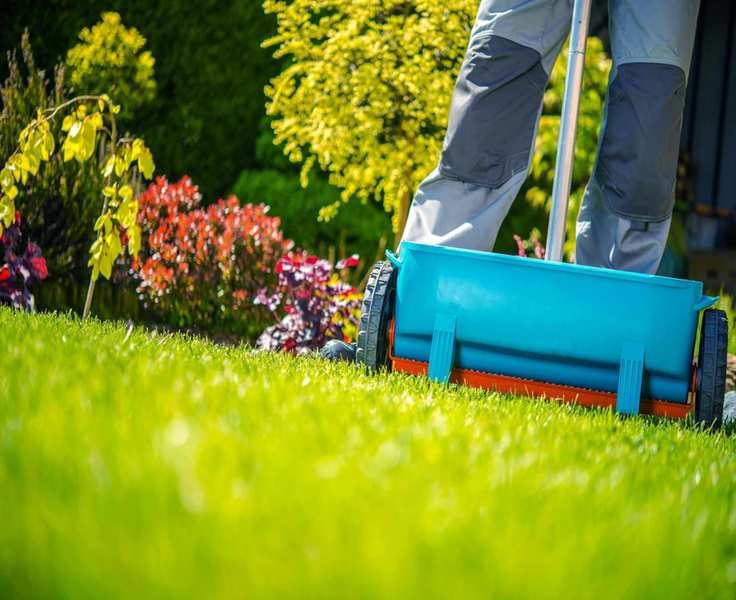
Understanding when to fertilize your lawn in spring is essential for ensuring its health through the summer months. Timing is everything, and with the right approach, even the most neglected patches of grass can transform into a lush, green oasis.
So, when is the ideal time to fertilize? According to Susan Brandt, co-founder of Blooming Secrets, spring is an excellent time for fertilization due to the warm temperatures and frequent rain, which create an ideal environment for grass growth. However, the perfect timing can vary based on your location and the specific grass type you have.
We consulted with various gardening professionals who provided insights on how to fertilize effectively based on different grass types and regional climates.
Timing for Spring Lawn Fertilization
To determine the best time to fertilize your lawn, first identify your USDA hardiness zone. This will help you understand whether your lawn consists of cool or warm-season grasses. You can easily find this information on the USDA hardiness zone map.
Fertilizing Warm-Season Grasses
If you live in southern or transitional zones, your lawn likely features warm-season grass varieties such as Bermudagrass, Buffalograss, Bahiagrass, and Zoysiagrass. These grasses thrive from late spring through mid-fall, making them more drought-resistant compared to their cool-season counterparts.
For effective fertilization, timing is critical. Jaime Staufenbeil, an agronomist, suggests applying a slow-release nitrogen fertilizer like Milorganite [Ed: available at Amazon] when your grass starts to emerge from dormancy in late winter or early spring. You'll know it's time to fertilize when daytime temperatures consistently reach the 70s and soil temperatures are in the 60s.
Avoid fertilizing too early, as this can lead to excessive leaf growth without adequate root development, ultimately weakening the grass.
Fertilizing Cool-Season Grasses
Cool-season grasses, typically found in temperate and northern climates, start growing in mid-spring and remain green until late fall dormancy. Varieties like Kentucky bluegrass, ryegrass, and fescue thrive with regular feeding due to their extended growing periods.
According to Susan Brandt, fertilizing in spring is crucial for promoting healthy growth, strengthening roots, and enhancing chlorophyll production, which keeps grass vibrant throughout the season.
It's best to wait until late spring for fertilization, just before the summer heat sets in. This allows your grass to take advantage of the nutrients as growth slows down due to the heat.
Indicators It's Time to Fertilize
Watch for both lawn and weather cues indicating it's time to fertilize:
Grass Growth Signs
One effective way to determine the right time for your first feeding is to look for signs of grass turning green, as suggested by Eric Halfman, Go-To-Market Manager at John Deere. Typically, this aligns with the timing of the first couple of mows of the year. Always follow the application instructions on your fertilizer package for optimal results.
After Rainfall
Many gardeners prefer to fertilize right after a rain, but it's usually more effective to wait a day or two. This allows water to permeate the soil and reach the roots, enhancing nutrient uptake. If you must apply a granular fertilizer during a dry spell, check the manufacturer's instructions, as some products may require watering in while others can remain dormant until rain returns.
Post-Aeration
It is advisable to aerate your lawn before fertilizing. The best time for this is a couple of days after rainfall when the soil is moist but not overly saturated.
Optimal Months for Lawn Fertilization
The ideal months for fertilizing depend on your local climate and grass type. Generally, grasses fall into two categories: cool-season and warm-season.
Josh Miller, General Manager at Baker Lime, notes that cool-season grasses can be fertilized two to four times a year based on soil testing. The optimal months are usually March or May, and September or November.
While fall fertilization is possible, warm-season grasses should primarily be fertilized as they emerge from dormancy in spring. In warmer southern regions with no natural rest period, aim for fertilization in April.
Frequency of Lawn Fertilization
Warm-season grasses typically require fertilization three or four times a year:
- In March or April, as the grass begins to green up.
- In June, before the peak summer heat.
- In September, about 6 to 8 weeks before the first frost.
For cool-season grasses, fertilization twice a year is generally sufficient. Aim for:
- Late spring or early summer, once new growth has emerged.
- Early fall, approximately 6 to 8 weeks prior to the first freeze.