
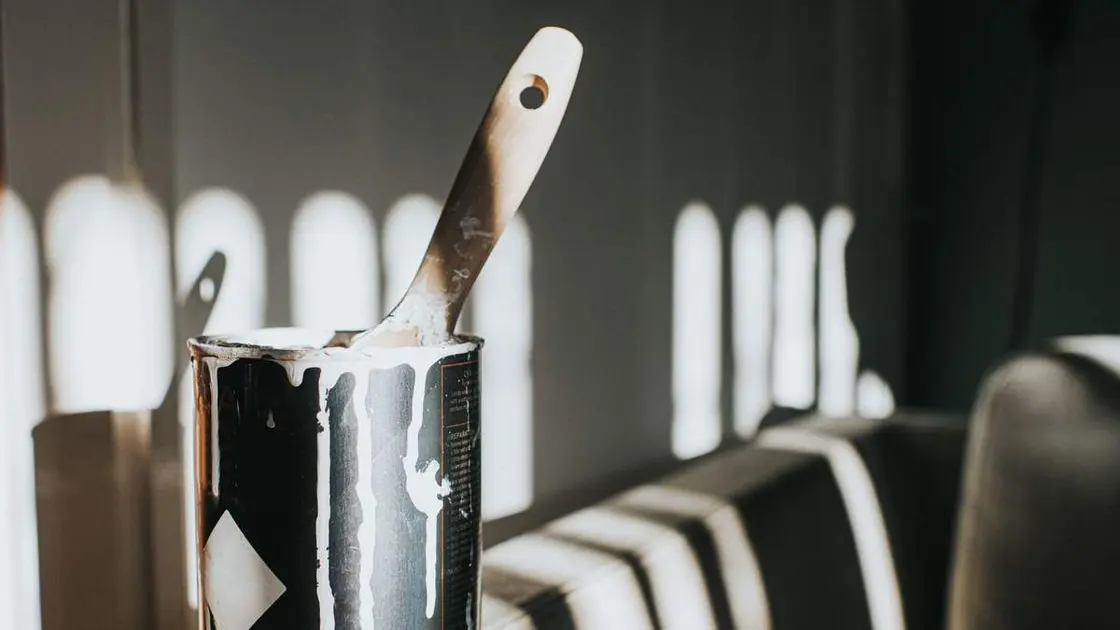
Noticing some peeling paint in your home? You might be curious about the reasons for this issue and how to address it effectively.
Whether you've recently completed painting a room or the paint has been on the walls for some time, peeling can be frustrating. Fortunately, with the right tools and techniques, you can easily fix this problem, as explained by professional painters.
Here, we'll guide you through the repair process and highlight what might be causing those unsightly peeling areas.
How to Repair Peeling Paint
Peeling paint is not just unappealing; it can also lead to damage in your home, cautions Matthew Stone, a seasoned painter and decorator.
'When paint loses its bond with the wall, it stops protecting the underlying surface,' he states. 'This increases the risk of damage and allows moisture to seep in, complicating future painting efforts.'

Matt Stone, a second-generation painter and co-founder of Hometown Painting Oklahoma, specializes in painting over water damage and stains.
1. Scrape Away Loose Paint

The initial step is to get rid of any loose paint to ensure a smooth surface for reapplication. According to Andre Kazimierski, a professional painter and founder of Improovy, 'Using a scraper tool is effective for removing peeling sections.'
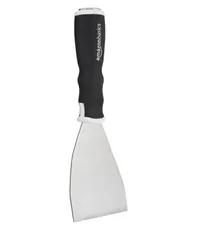
Paint Scraper | $7.87 at Amazon
This smaller scraper is ideal for minor DIY tasks, such as tackling sections of peeling paint, and users have rated it highly.

Andre Kazimierski established Improovy in 2019, transforming it into a top home improvement service, focusing on efficient painting solutions for clients.
2. Sand Down the Edges
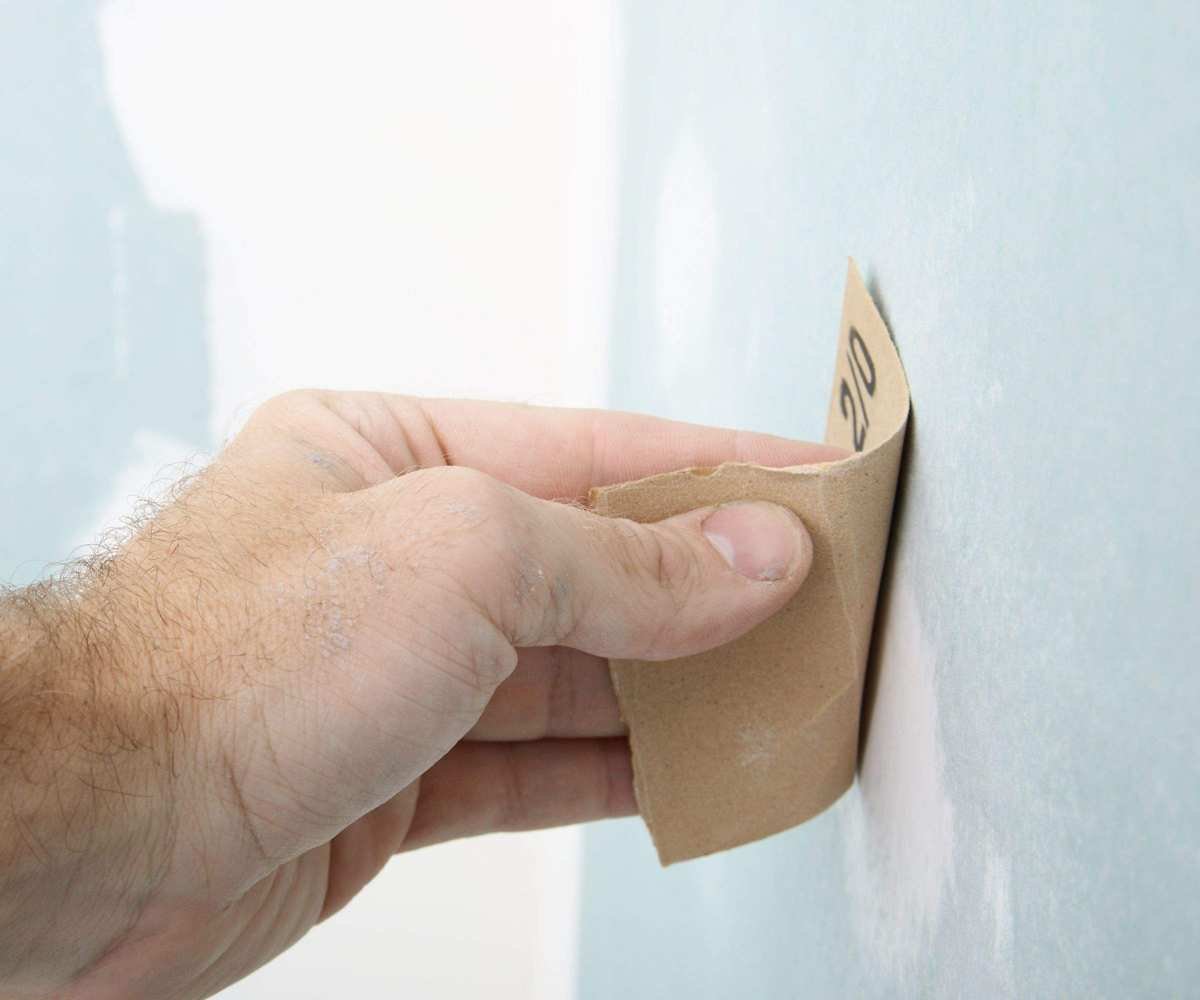
Once the loose paint is off, Matthew Stone recommends using fine-grit sandpaper to smooth out the surface and eliminate any rough edges left from the peeling paint.
Additionally, Andre Kazimierski suggests preparing the walls for painting by 'cleaning the surface with warm, soapy water,' ensuring it dries completely before painting to remove dust and debris.
3. Use a Quality Primer
After cleaning the walls before painting, applying a high-quality primer is key to blocking stains from moisture or mold and creating a smooth surface for the new paint.
Underestimating the significance of a solid primer is a common mistake. 'I always opt for an exterior-grade primer when addressing peeling areas,' Matthew Stone advises. A great choice is Zinsser Peel Stop Primer from Amazon, which works well for both indoor and outdoor applications.
4. Repaint the Affected Area
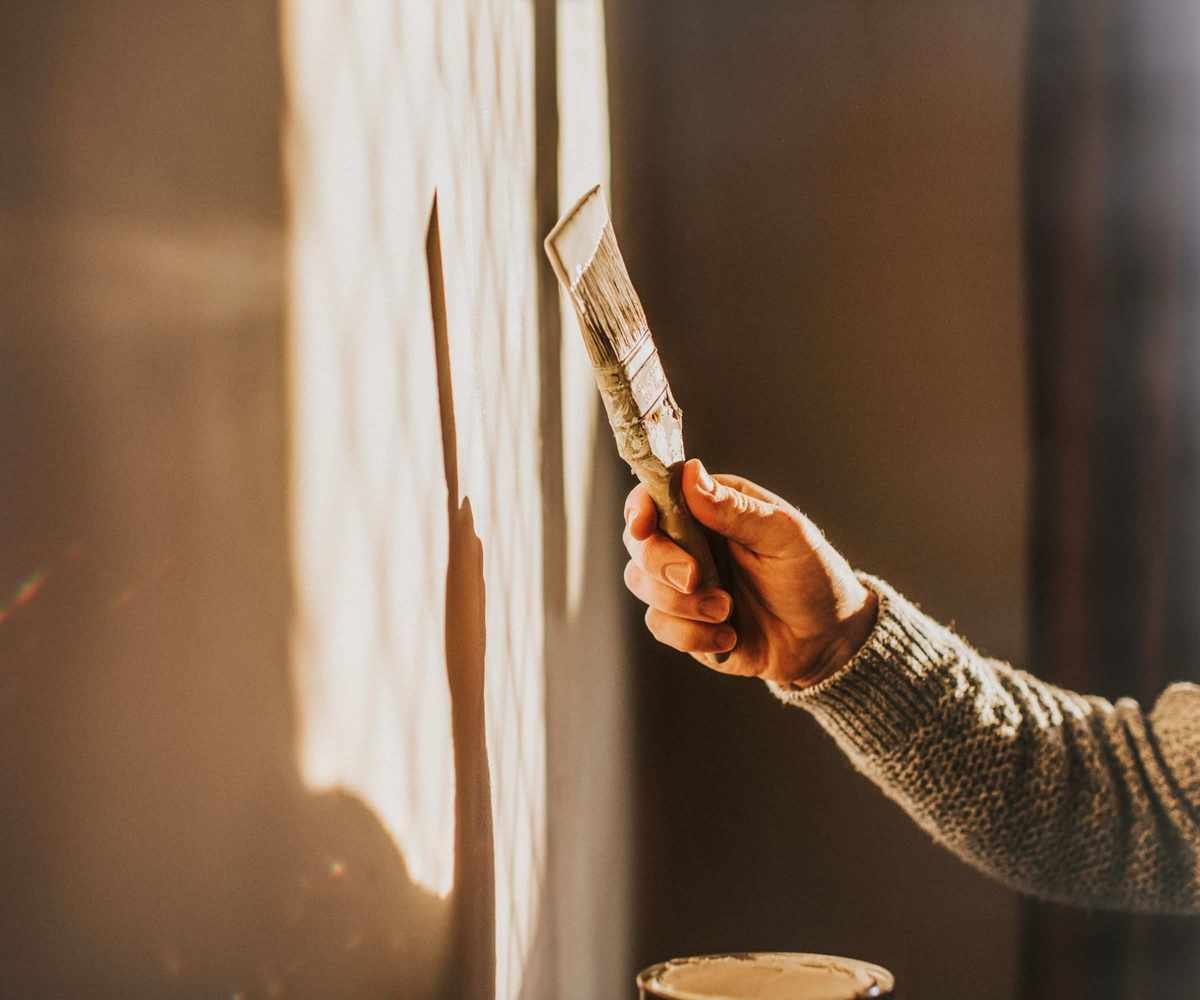
The last step involves touching up the paint on the walls with the same color, finish, and brand of paint that was previously used.
If you can't find the original paint tin or remember the brand, simply cut a small sample from the wall before priming and take it to your local hardware store for matching. Then, prepare the area for painting.
What Causes Peeling Paint?
Several reasons could be behind peeling paint, but the most frequent cause is inadequate adhesion of the paint to the wall, according to Andre Kazimierski.
This issue often arises when painting on surfaces that are 'dirty or damp, or when temperatures are too extreme,' he explains. Proper preparation and selecting suitable paint finishes and qualities can prevent this, such as using mold-resistant paint in humid areas like kitchens and bathrooms.
Excess moisture can also contribute to peeling paint. Rooms that experience condensation or dampness will gradually deteriorate the paint. Ensure your home is adequately heated, consider enhancing insulation, or invest in the best dehumidifier you can find to combat moisture in the air.
How to Prevent Peeling Paint
To avert peeling paint in the first place, always apply a reliable peel-stop primer before painting and do so on a warm day to facilitate proper drying and adhesion. Proper preparation of the surface is crucial to avoid various paint issues, according to painter Andre Kazimierski.
Additionally, managing cold air and moisture in your home will help maintain your paint quality.
FAQs
Is it advisable to paint directly over peeling paint?
Painting over peeling areas is generally not recommended if you want to avoid future peeling. You might be able to fix a small area by scraping off the loose paint and priming it before repainting, but if the underlying cause of the peeling isn't addressed, the paint could peel again.
Can PVA prevent paint peeling?
If you're in a tight spot, PVA can serve as a temporary barrier between peeling paint and a new coat if you lack a primer. The PVA glue will bond the edges of the peeling paint and create a tacky surface for the new paint to stick to, provided you've removed any large flakes from the wall or ceiling.
Peeling paint may indicate a deeper moisture issue in your home, so addressing the root cause alongside repainting will ensure your walls remain fresh and appealing for years, or at least until you decide to redecorate!



