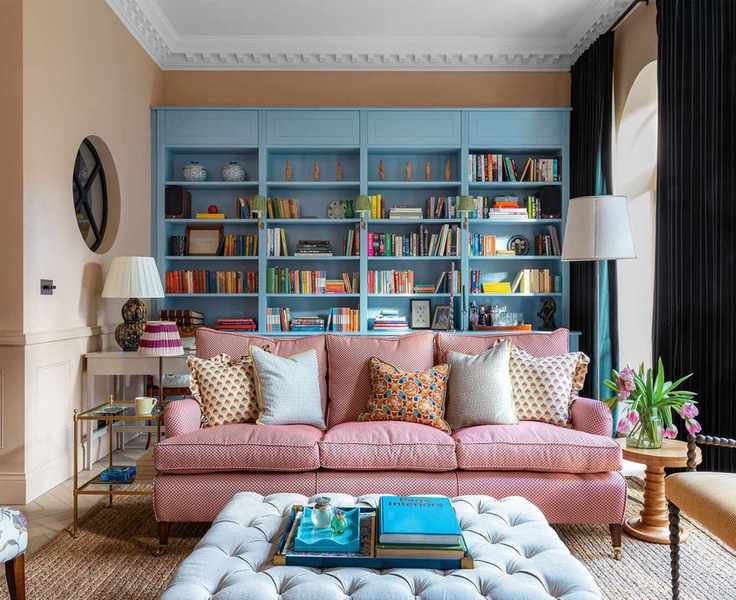
A small living room doesn't mean you have to part with beloved belongings; it just requires some clever organizing strategies.
Whether your living room is formal or casual, efficient organization is key to maximizing your home's potential and minimizing clutter.
We've gathered eleven top organizing tips for small living rooms that professionals swear by.
Space-Saving Organizing Tips for Small Living Rooms
Living rooms are among the most adaptable areas of a home. From hosting guests to serving as a cozy retreat, it's vital that even the tiniest spaces remain organized and inviting.
Beyond basic decluttering, here are essential organization techniques that every small living room can benefit from.
1. Establish the Room's Purpose First

According to professional organizer Gillian Gudgeon, effective organization involves more than just storage bins and decluttering. Identifying the purpose of your living room can significantly enhance its functionality and storage efficiency.
'Is the space solely for watching TV, gaming, studying, or relaxing? The clearer the room's purpose, the better it can serve you,' Gillian states. 'If you have many games or books, plan for adequate storage; don't just buy items based on aesthetics.'

Gillian helps clients declutter with an emphasis on creating harmonious, functional homes.
2. Evaluate Items Before Organizing
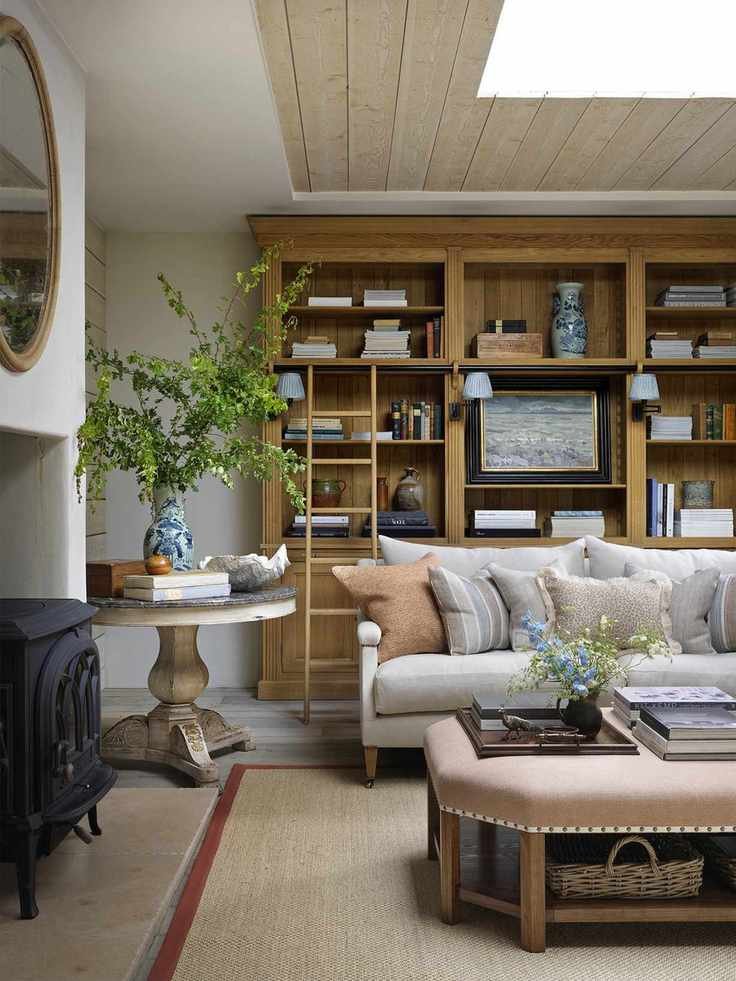
Before sorting or storing, assess what belongs in your living room, advises professional organizer Melissa Gungi.
'People often overlook why items are where they are,' Melissa explains. 'Excess items in view can make any space feel cramped.'
She suggests returning items to their designated spots first. After that, evaluate what remains. 'Sometimes, this alone can simplify clutter and make a room feel larger. If not, start questioning: Were those children's books in the living room for convenience? Now that they're older, could they be relocated?'

Melissa is the lead organizer at her San Francisco-based company, also co-owning a wine bar and cheese shop.
3. Optimize Layout for Functionality
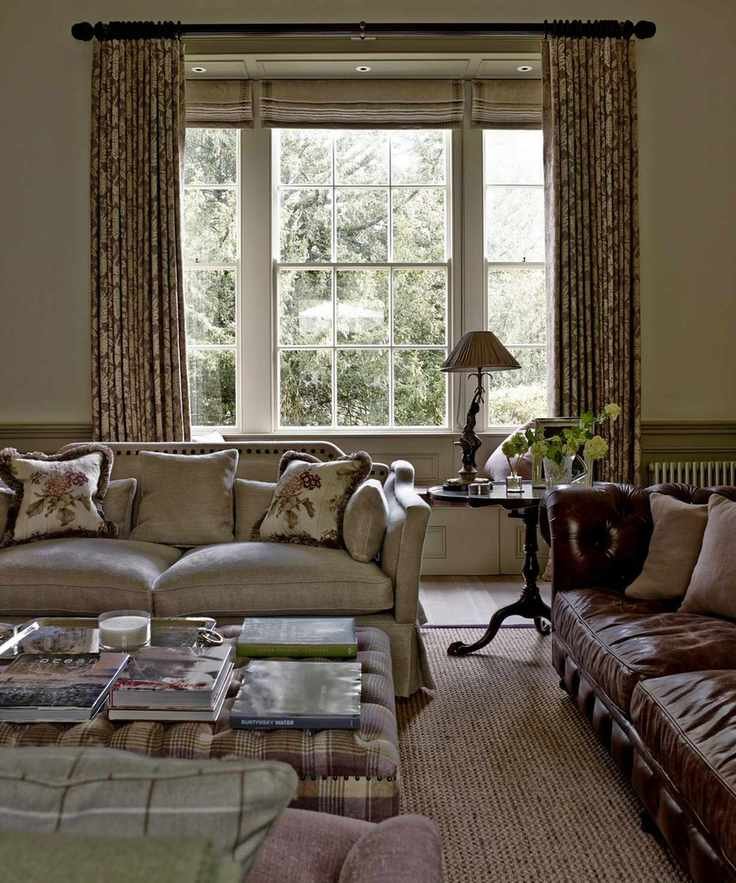
One common mistake is neglecting to rearrange furniture for better organization. Just because large pieces can't be stored doesn't mean they can't be relocated for improved functionality.
'Overcrowded rooms can feel smaller, especially with oversized furniture like L-shaped sofas,' Gillian warns. 'Consider your needs and how your furniture should meet them. If something doesn't fit, it may belong elsewhere.'
Avoid pushing everything against the walls; try rotating pieces to create a more spacious appearance.
4. Assign a Home for Everything
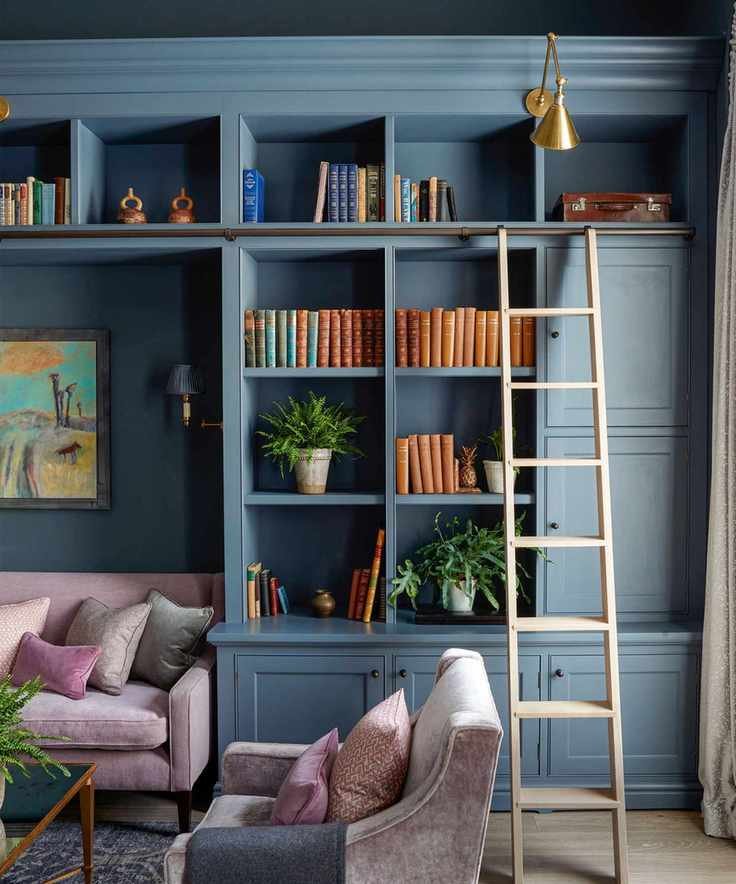
Lucy Wahl, organizer and founder, suggests designating a specific place for each item in a small living room. Cluttered surfaces can lead to stress, so ensure everything has a logical home.
'Avoid simply shoving clutter into bags or closets; that creates more mess. Involve the family in maintaining order regularly,' she adds.

Lucy established LMW Edits to help busy professionals organize their urban spaces effectively.
5. Choose Smart Storage Furniture
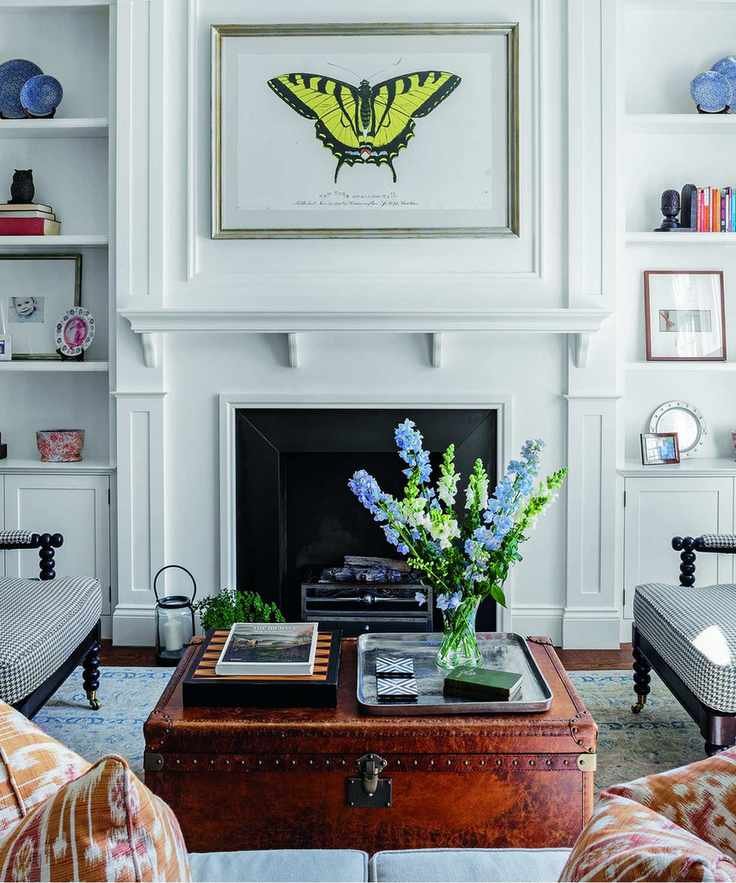
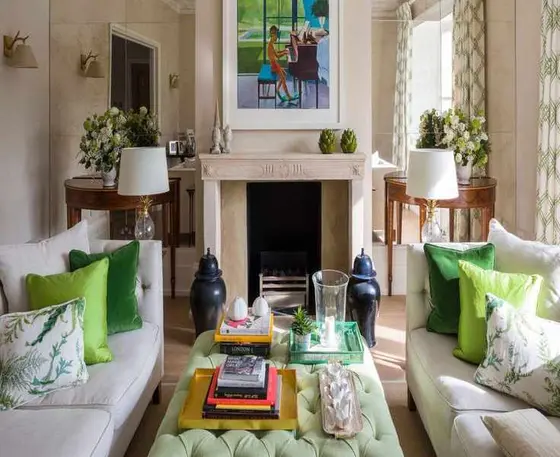
Utilizing multifunctional storage furniture can significantly enhance a small living room's organization. Look for pieces like coffee tables with drawers or ottomans that double as storage.
'Incorporate vertical storage to maximize floor space. Opt for tall shelves over short ones,' advises Susan Santoro, home organizer.
'Avoid nonfunctional furniture that doesn't provide storage,' warns Jamie Hord.

Susan, a certified organizational specialist, helps clients declutter and organize their homes.
6. Assess Before Purchasing Storage
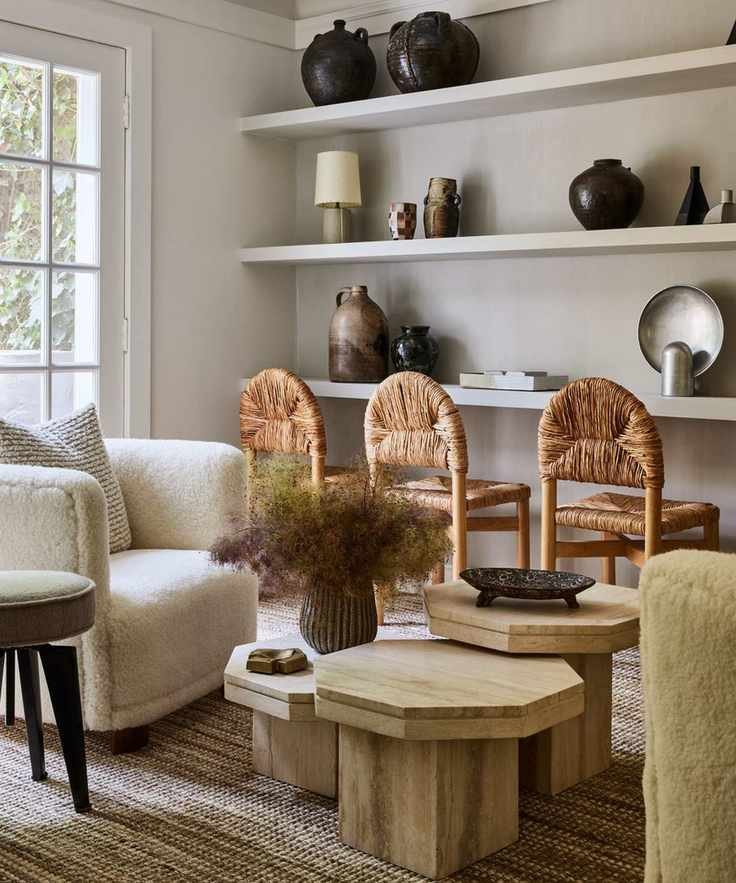
'Buying storage before evaluating your items is a common mistake,' Amanda Biggs warns. 'It leads to unnecessary clutter. Always declutter first, then measure for appropriate storage,' she advises.
7. Utilize Decorative Bins for Storage
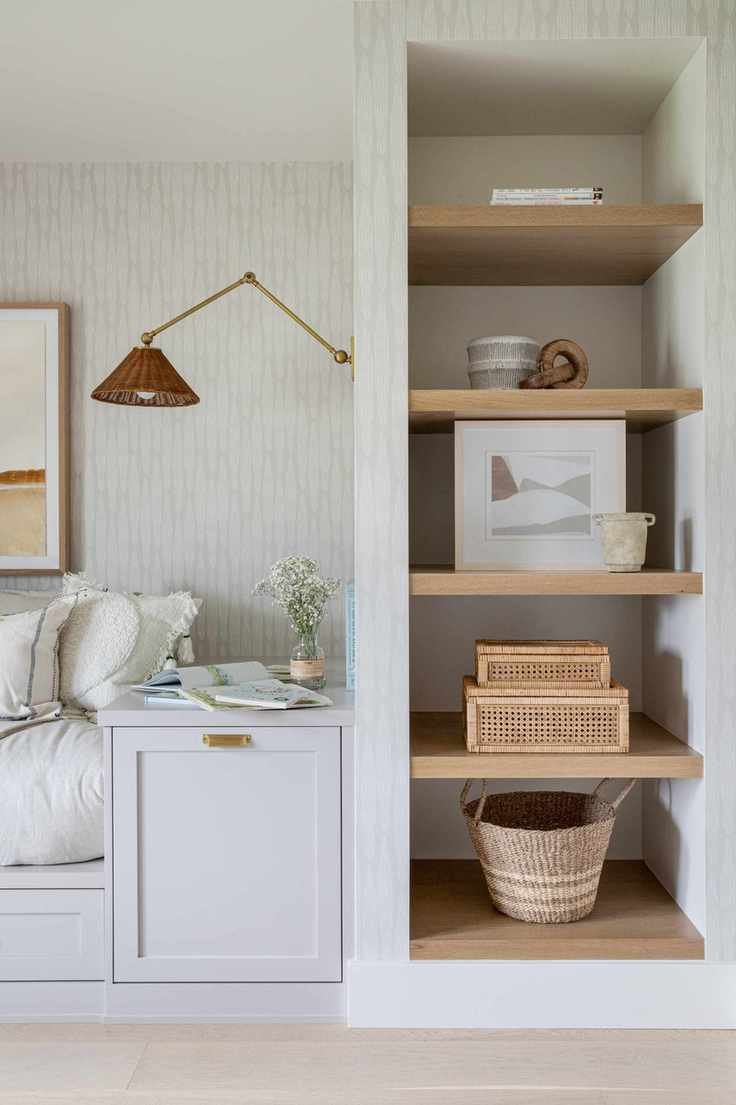
Maximize every inch of your space with decorative bins that serve a dual purpose. 'Instead of multiple drawer units, opt for one large shelving unit with labeled bins,' suggests Lucy Wahl. Just ensure the baskets aren't overflowing, as that creates a cluttered look.
'Labeling bins helps keep track of what's inside,' adds Juliana Meidl, organizer.
8. Use Vertical Space Wisely
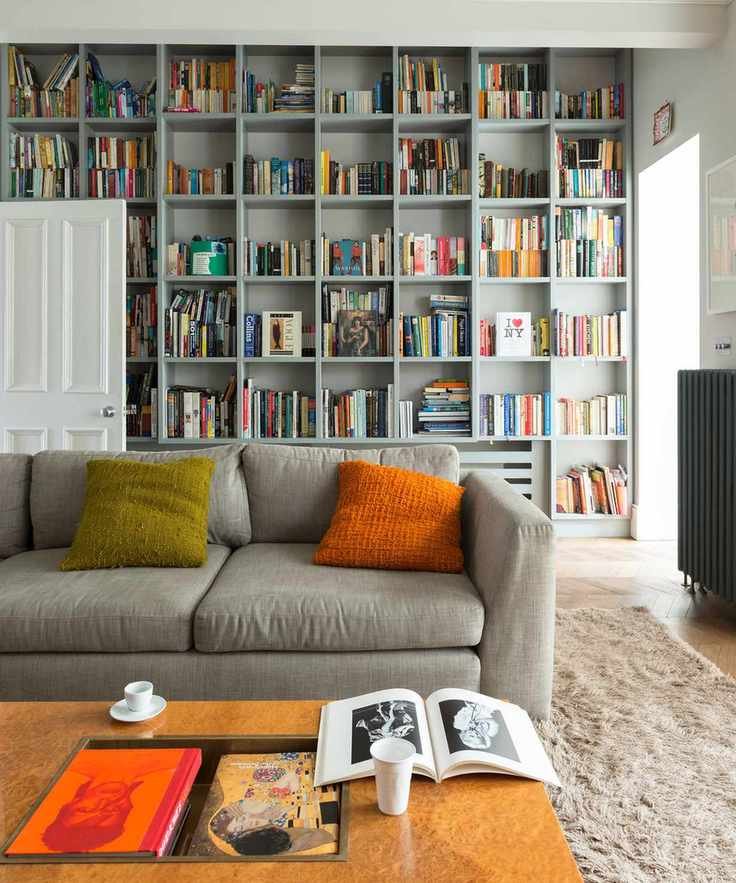
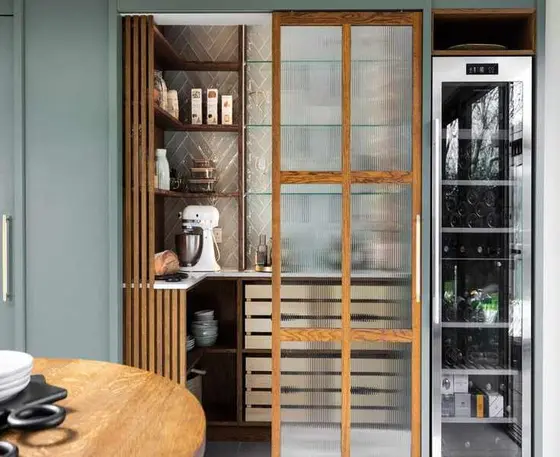
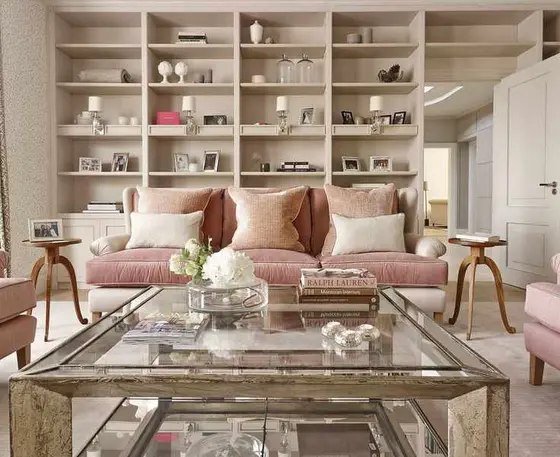
When acquiring storage solutions, think vertically. Whether opting for custom joinery or conventional shelves, reaching for the ceiling creates the illusion of a bigger room and frees up floor space. 'Maximize height for storage to minimize horizontal spread,' Jamie Hord recommends.

Jamie co-founded a professional organizing firm, dedicated to transforming cluttered spaces into functional homes.
9. Store Items Under Furniture
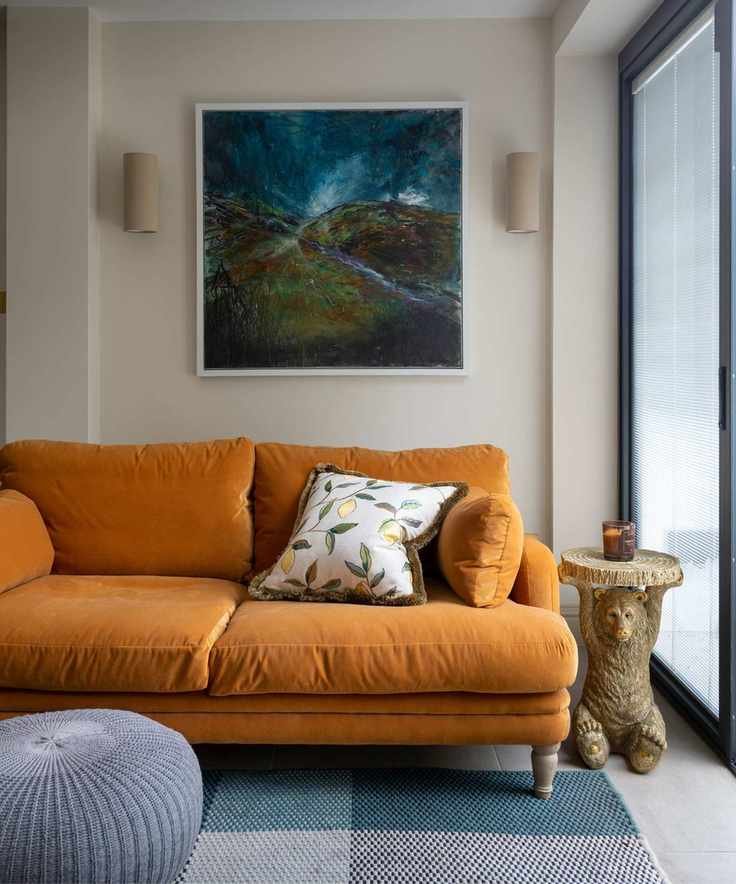
If your living room furniture is already functional, consider adding pull-out bins or nesting tables to maximize hidden storage while keeping surfaces free. Such solutions can offer practicality during gatherings without cluttering everyday space.
Underbed Zippered Storage Bag Natural | $24.99 at The Container Store
This durable storage bag is perfect for keeping seasonal items out of sight until needed.
10. Rotate Decorative Items to Reduce Clutter

'Too many decorative pieces can overwhelm a space, leading to stress,' Jamie advises. Instead of displaying everything, rotate items seasonally for a fresh look. Opt for calming colors to create a serene environment.
How Can You Simplify a Small Living Room?
Streamlining a small living room involves reducing clutter through smart storage solutions and avoiding excess decor. Focus on functional pieces to maintain a cozy feel without overwhelming the space. Incorporate natural textures in throws and pillows for added interest and invest in quality artwork to minimize the need for excessive decor on shelves or tables. Layer your lighting and add scented candles for ambiance.