Ho Chi Minh City, or Saigon, contrasts sharply with Hanoi's historic streets. With around eight million residents, the city buzzes with motorbikes—crossing streets is a true adventure—and boasts impressive skyscrapers. Although many attractions are war-related, Saigon's vibrant energy and outstanding craft beer scene are irresistible.
These suggestions stem from my extensive experience working in Southeast Asia over the past decade. I find joy in spending time here, indulging in food and exploring breweries.
Below are the top things to do in Ho Chi Minh (Saigon), including the ideal time to visit and where to stay. You can tackle these activities independently, but a city tour might be helpful if your time is limited.
Plan Your Trip
Currency: Vietnamese Dong (VND)Best Time to Visit: November to April for dry conditions.Travel Insurance: Stay secure with SafetyWing travel medical insurance to cover unexpected events.
Mobile eSIM Card: Enjoy easy worldwide connectivity with
no need for a physical SIM card.
Airalo1. Bitexco Financial Tower
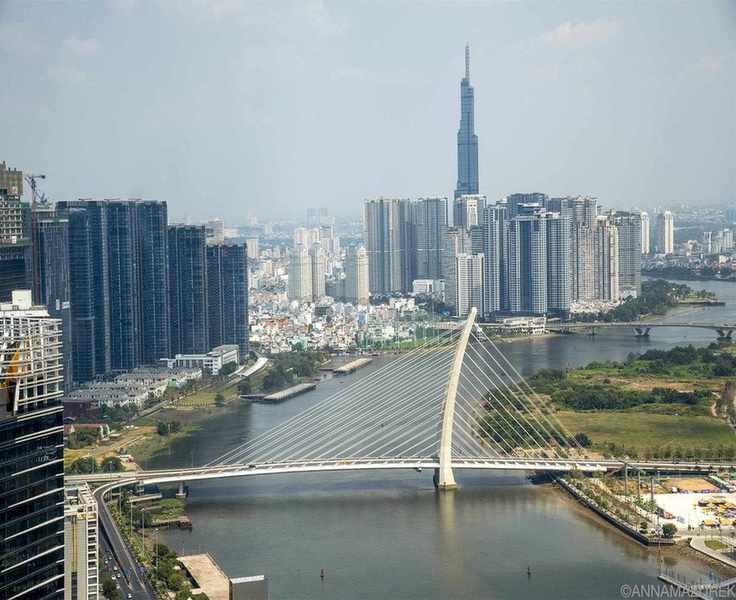
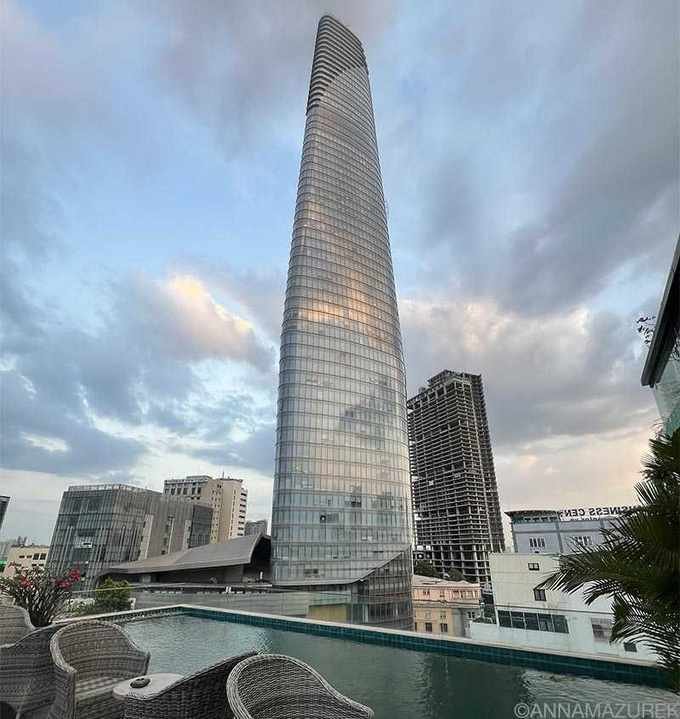
Experience stunning city views from the 49th floor of the Bitexco Financial Tower ($9 USD) in District 1. I suggest purchasing tickets in advance to skip the lines.
buying advance tickets through KlookA higher viewpoint is available at Landmark 81 in District 1, the tallest building in Southeast Asia until 2024, with tickets priced at $12 USD. Combo tickets can be found on Klook.
2. War Remnants Museum
This impactful museum presents the effects of the U.S. invasion of Vietnam on civilians through eight thematic exhibits and over 20,000 artifacts. (The Vietnam War is often referred to as the American War here.)
Be prepared for emotional visuals of the destruction and its aftermath. Visiting is crucial for understanding the conflict's legacy and present-day Vietnam.
The upstairs Requiem Exhibition highlights the work of photographers from both sides who lost their lives during the war, including Robert Capa. Allow 1-2 hours for your visit. Tickets are available on Klook ($1.85 USD).
3. Reunification Palace
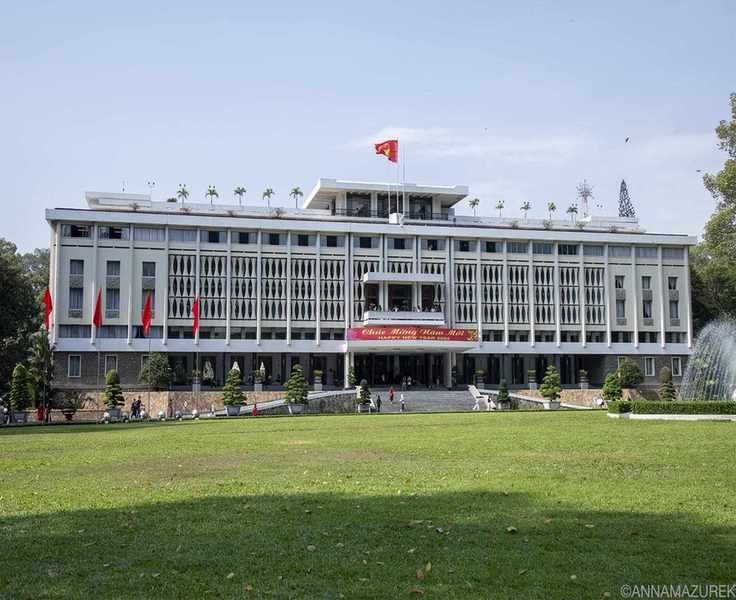
This iconic 1960s government building marks a pivotal moment in history—communist tanks stormed its gates on April 30, 1975, signaling the fall of Saigon. Also known as the Independence Palace, it served as the South Vietnamese president's residence and was originally the site of the 1868 French governor-general's office. Explore its lavish reception rooms and the basement war room, which features a collection of vintage rotary phones. Tickets are $1.89 USD, available in advance on Klook.
4. Cu Chi Tunnels
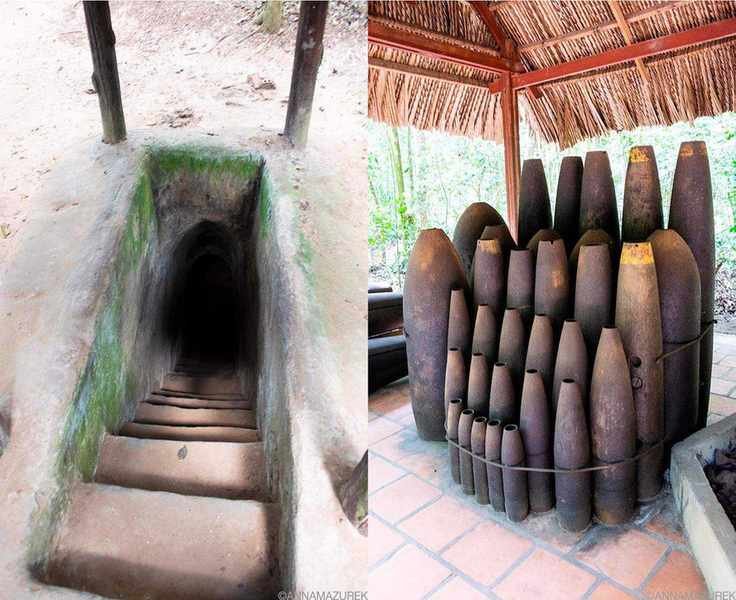 Left: Entrance to the Ben Duoc tunnels, part of the Cu Chi Tunnels. Right: Artillery remnants from the Vietnam War.
A visit to the intricate network of tunnels used by the Viet Cong in the 1960s is essential. Two main tunnels, Ben Dinh and Ben Duoc, are located 30-40 km from the city. Ben Dinh is more tourist-friendly, accessible by scenic boat ride or tour.
However, I prefer Ben Duoc for its lack of crowds—I visited by public bus from the city center, which was a highlight of my trip. For a full day, take the bus to Ben Duoc, or consider a half-day tour to Ben Dinh from Klook.
5. ÀÕ Show at the Saigon Opera House
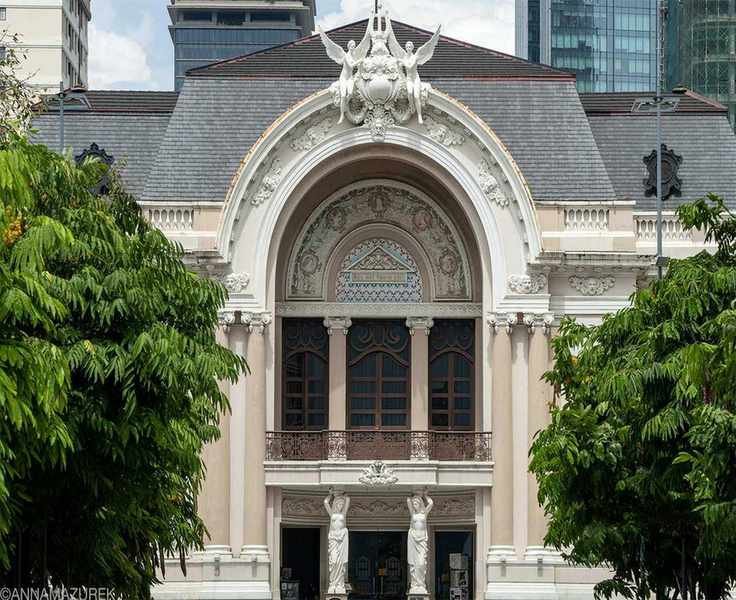 To experience the Saigon Opera House, attend a performance of the
ÀÕ Show, a captivating bamboo circus!
Access the stunning interior of the 1898 opera house by attending a show. The ÀÕ Show combines acrobatics with traditional props, featuring live music from both modern and traditional instruments. It's an hour of delightful entertainment!
Seating is reserved, so book early. Prices are higher for Vietnam: 1,750,000 VND ($66 USD), 1,250,000 ($47 USD), and 800,000 ($30 USD). I scored a $30 USD front-row seat after booking six weeks in advance (right next to the pricier section!). No photos are allowed during performances.
6. Ben Thanh Market
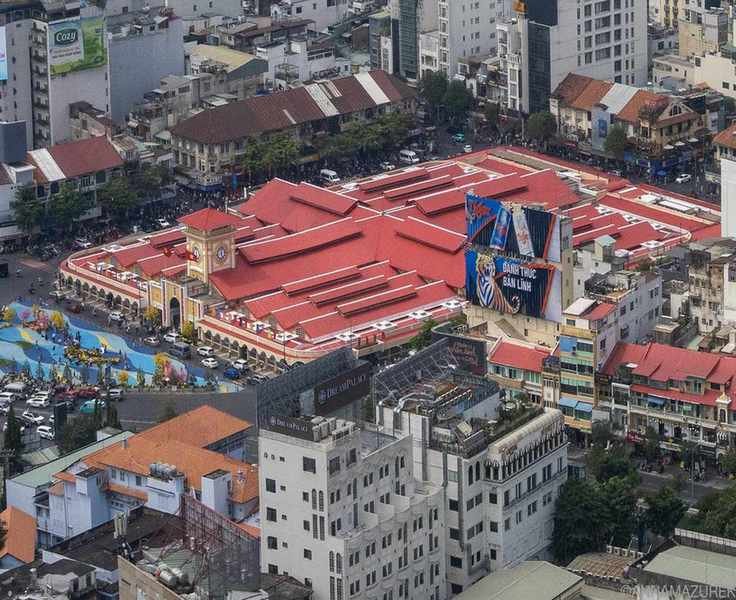
This iconic Indochine-style market has been a city staple for over a century, providing a key orientation point. Open from 6 a.m. to 10 p.m., it features 1,500 vendors across 13,000 square meters, offering everything from street food to souvenirs. Wear comfy shoes!
Ben Thanh Market has four main and 12 smaller entrances, organized as follows:
- South Entrance: Main entrance with a diverse range of goods, from fabrics to snacks.
- East Entrance: Cosmetics and personal care products.
- West Entrance: Shoes, handmade crafts, and souvenirs.
- North Entrance: Fresh flowers and fruits.
Even if shopping isn't your thing, stroll through to soak up the atmosphere. Look for quality amid the tourist traps, as fixed-price shops are mostly on the outer perimeter, while inside, bargaining is encouraged!
7. Saigon Central Post Office & Nguyen Van Binh Book Street
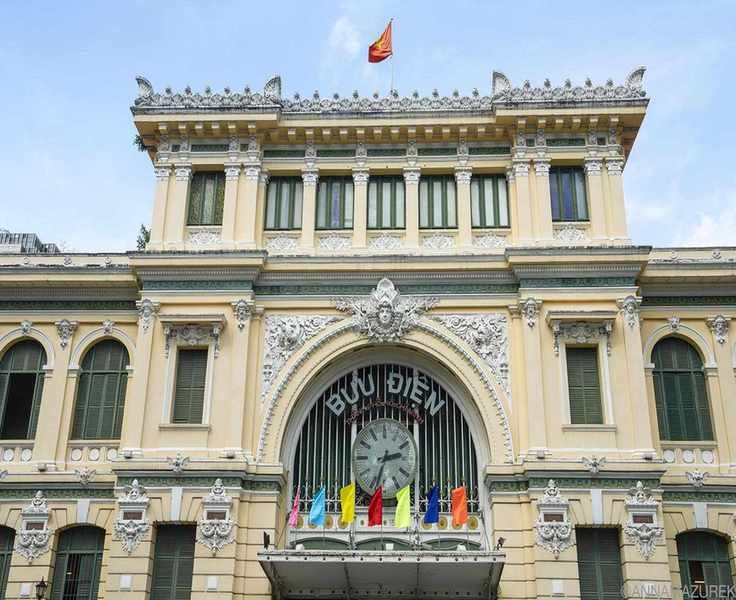
The Central Post Office, with its yellow and green façade, is a must-see. Inside, it operates as a post office, featuring stalls selling trinkets that distract from its beautiful architecture. Even though it can be crowded, it's worth a quick visit.
Across from it is the Notre Dame Cathedral, currently under restoration until 2027, with interior access limited to mass times.
Don't overlook Nguyen Van Binh Book Street nearby. This pedestrian zone is lined with
bookstores offering both Vietnamese and English titles alongside cozy cafes, providing a peaceful escape from the bustling streets. I love the public benches for relaxing in the shade.
8. Traditional Water Puppet Show
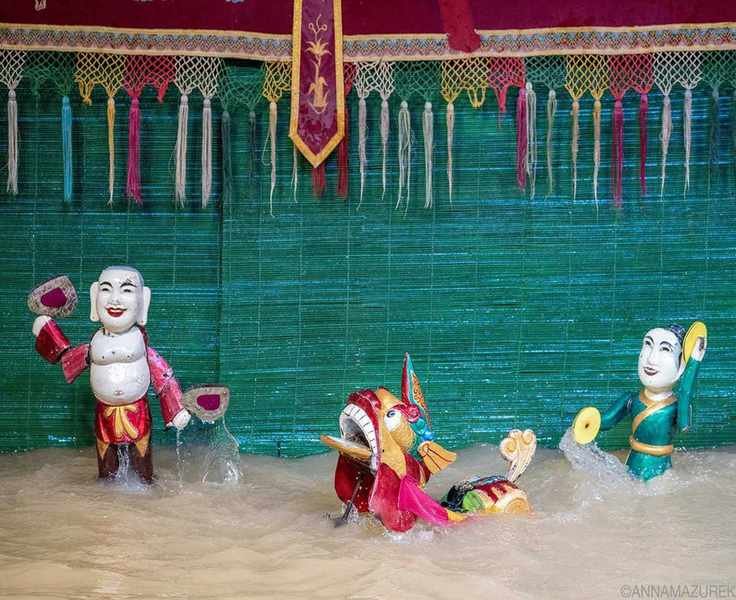 Golden Dragon Water Puppet Theater offers fun for all ages.
Water puppetry, a time-honored Vietnamese art form, provides insight into local culture. Colorful puppets bring to life scenes of daily life in a waist-deep pool, accompanied by traditional folk music. Even if the show is in Vietnamese, the storytelling is easy to follow. (I try to catch a water puppet show annually, and it's always a highlight.)
Regular performances are at the Golden Dragon Water Puppet Theater (daily at 6:30 p.m.) and the Museum of Vietnamese History. You can purchase tickets on-site or in advance on Klook at the same price.
9. Nguyen Hue Walking Street
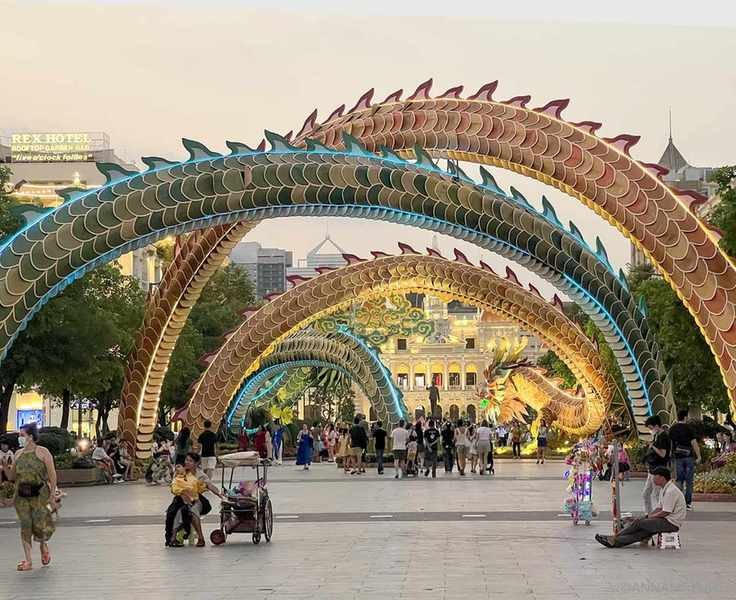
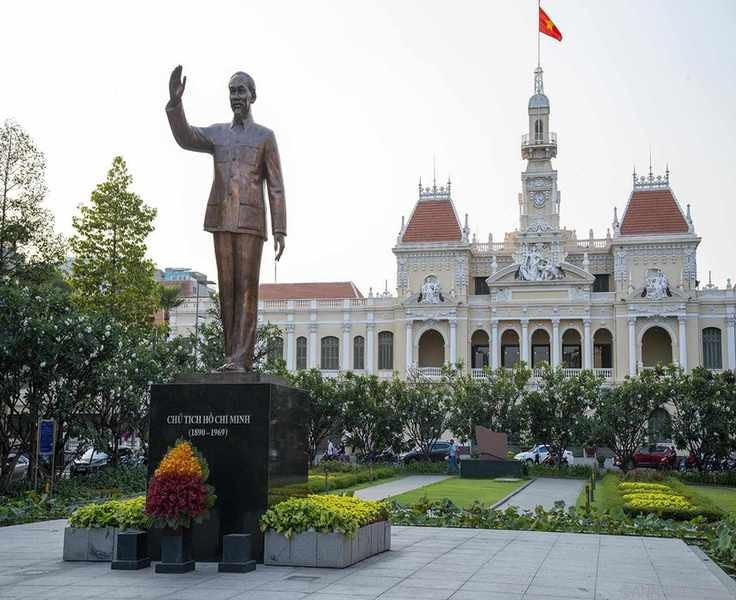
This pedestrian street stretches 900 meters from the striking People's Committee Building to the Saigon River. On weekend nights, it buzzes with performers and food stalls. During special events like Lunar New Year, it transforms with decorations. It's a delightful spot for people-watching and enjoying sunset walks.
Check out the Cafe Apartments at 42 Nguyen Hue Walking Street. This unique 1960s apartment building is now a vertical hub of cafes, shops, and coworking spaces, each with balconies overlooking the bustling street.
10. Explore Saigon's Craft Beer Scene
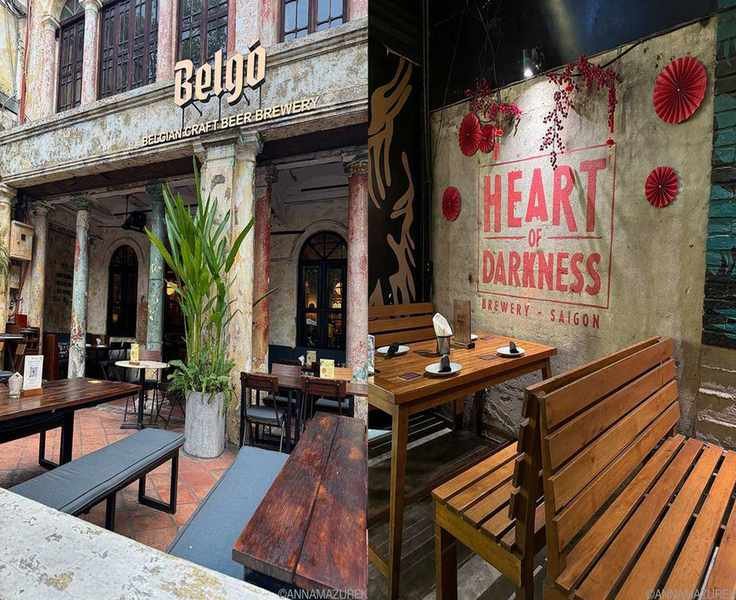
Brewery hopping in HCMC—the craft beer capital of Southeast Asia—is a must. Pasteur Street Brewing sparked the trend in 2015, with several locations throughout the city (and one in Hanoi). I adore the atmosphere of their original spot on Pasteur Street, especially the Jasmine IPA and Pomelo IPA.
Heart of Darkness is a popular weekend destination, known for its refreshing hazy IPAs. A newer addition, a Belgian brewery, is gaining popularity for its fantastic patio and food.
Belgo,BiaCraft is another great stop.
7 Bridges Brewing Co. has two taprooms and just won gold at the 2025 Asia Beer Championships for best small brewery and best beer!11. Tai Dinh Church (Church of the Sacred Heart of Jesus)
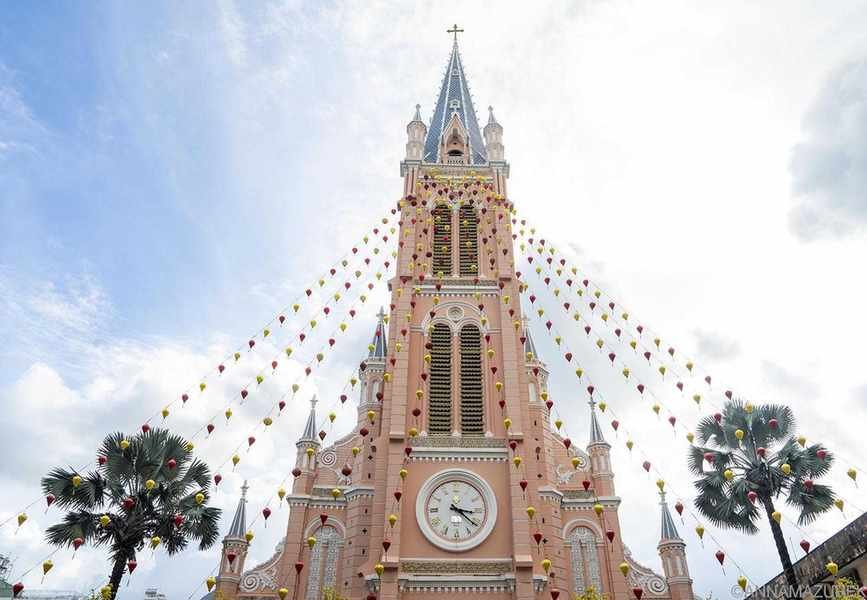
This stunning 1876 pink church is part of the Roman Catholic Archdiocese of Ho Chi Minh City. It ranks as the second largest church in the city, following the Notre Dame Cathedral of Saigon. Its famous rose hue was added in 1957. While it serves as a beautiful photo backdrop, the interior is closed to the public except during mass. Visitors can explore the courtyard for free.
The best photo opportunity is across the street, where you can capture the church without distractions. For a nice view, check out the outdoor patio at Cong Coffee, but I still prefer the street-level angle.
Afterward, visit the nearby pink-hued Jade Emperor Pagoda, just a 15-minute walk away, both located about 2.5 kilometers from the tourist hub near Ben Thanh Market.
12. Jade Emperor Pagoda

One of the city's most revered Taoist temples, the Jade Emperor Pagoda sits on a quiet street. This pink Chinese-style temple, built in 1909, honors the supreme god, the Jade Emperor, Ngoc Hoang. Incense wafts through the courtyard filled with fountains. Remember to cover your knees and shoulders before entering.
Pair this visit with the nearby rose-colored Tan Dinh Church.
13. Ho Thi Ky Flower Market
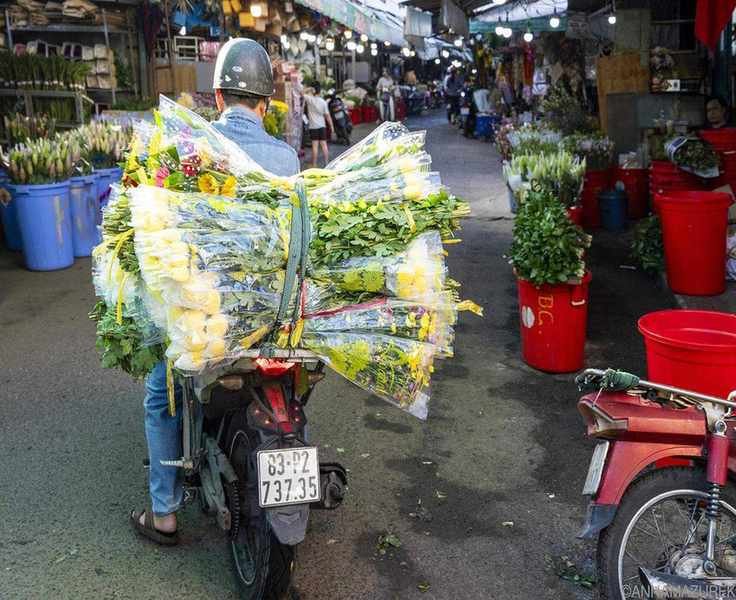
Located a short Grab ride from the tourist center, this 2,000 square-meter market is the largest wholesale flower market in the city. It's ideal for photography and people-watching, open 24 hours with fresh deliveries arriving from midnight to 3 a.m. A nearby food area opens in the late afternoon.
I visited at 7 a.m. to capture great photos, mesmerized by the flower deliveries on motorbikes. It was a true slice of local life—surprisingly, I didn't see another foreigner!
Be sure to ask before taking close-up shots of vendors. Respect local customs, as some areas may prohibit photography.
14. Ride the NEW HCMC Metro Line
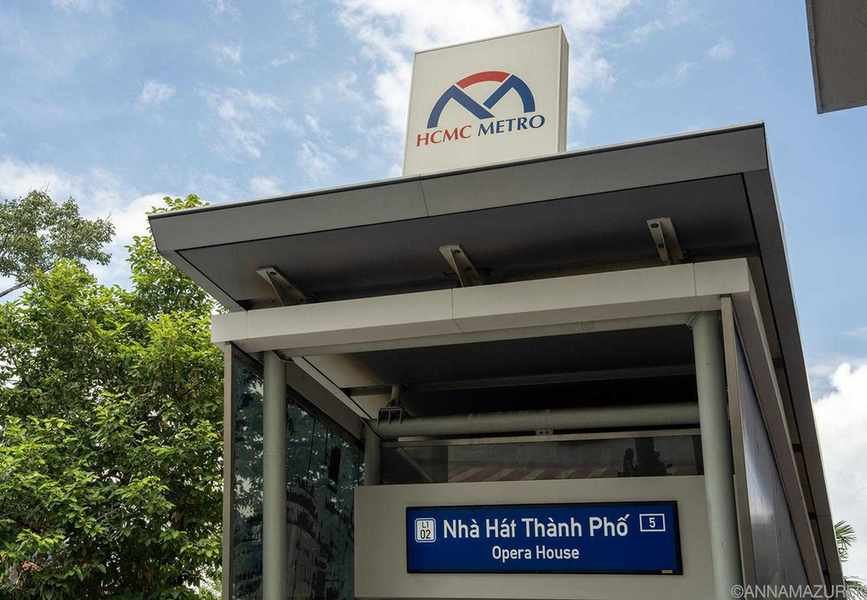
In December 2024, HCMC launched its first metro line (Metro Line 1) connecting Ben Thanh Market to Suoi Tien in the east. The line features 14 stations, with three underground and the rest elevated, taking about 30 minutes for a full ride. Although not particularly useful for most travelers, it provides an air-conditioned escape with toilets (after paying the fare), especially in the rainy season.
I rode the metro one stop from the Opera House to Ben Thanh out of curiosity. It's sleek and modern, thanks to Japan's funding. Fares are very affordable, easily paid with a credit card, ranging from 6,000 to 19,000 VND (23 to 72 cents USD).
15. Visit the Mekong Delta
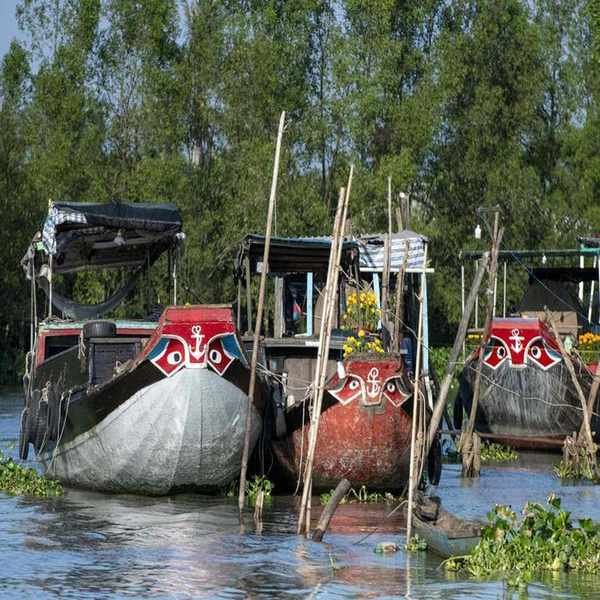
The Mekong Delta is a must-see when in HCMC. Ideally, spend a few days exploring its lively markets, scenic boat trips, and beaches. Can Tho is the central hub, but I particularly enjoy the bustling market at Chau Doc. Look for large ships with eyes painted on the bow to ward off evil spirits. For limited time, Klook and GetYourGuide offer excellent day and multi-day trips.
Where to Eat in Ho Chi Minh City

Some favorite cafes and eateries include The Old Compass, L'Usine, The Vintage Emporium, and Banh Mi 3362. For a quick and affordable breakfast, ABC Bakery Café is a great choice!
If you want to indulge, the Park Hyatt's breakfast buffet is well worth the $40 for all-you-can-drink Prosecco and menu ordering—the banh mi and French toast are fantastic.
Craft breweries serve delicious food, but Belgo is my top pick for brewery food.
Where to Stay in Ho Chi Minh City (Saigon)
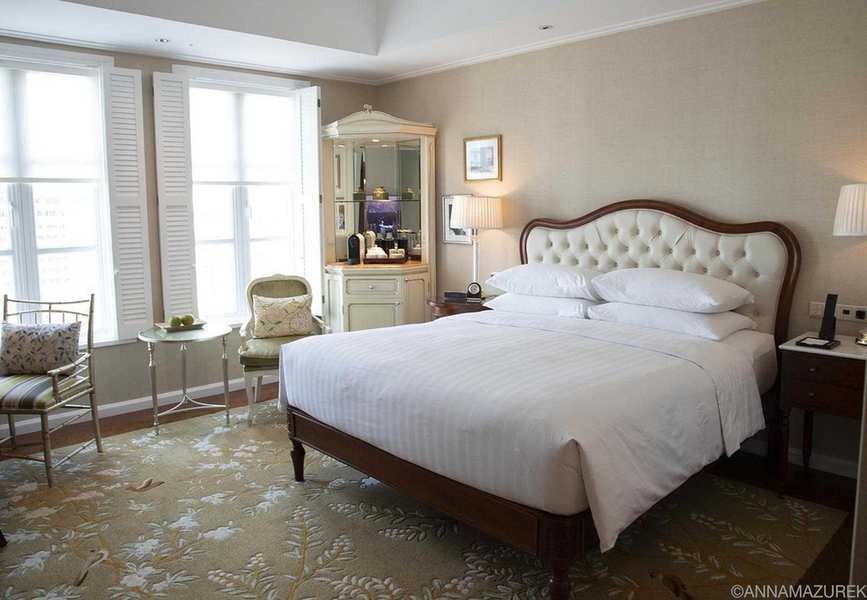
These accommodations are conveniently located around major attractions.
Hotels: The spacious rooms and delightful breakfast at Fusion Original Saigon Centre ($133/night) provide a tranquil retreat from the busy city. Positioned near the Bitexco Financial Tower, Au Lac Charner ($105/night) features a rooftop pool and complimentary breakfast (and afternoon tea!).
Hostels: Most hostels in District 1 are found around Pham Ngu Lao and Bui Vien. While many have average ratings, Loan Võ Hostel stands out with a 9.1 rating for its clean dorms and private rooms. The Common Room is another excellent option with stylish design and bunks featuring curtains.
Luxury: For a luxurious stay, the Park Hyatt Saigon ($289) is the top choice, featuring a stunning pool, gym, and an incredible breakfast! (I stay here for work each year; otherwise, I prefer Au Lac Charner or Fusion Original.)
Getting to Ho Chi Minh City
Ho Chi Minh City hosts Vietnam's busiest airport and serves as the main transport hub. (I always fly through here when returning to the U.S. from Southeast Asia, as it connects through Japan.)
From there, buses, vans, and trains travel to various destinations in Vietnam. Keep in mind that Hanoi and Ho Chi Minh are on opposite ends of the country and are separated by a 30-hour train ride.
For convenience, consider booking transfers on Klook, or use 12go.asia for bus and train tickets if visiting the station seems too challenging. Always check reviews before booking.
The Best Time to Visit Ho Chi Minh City (Saigon)
HCMC experiences two main seasons: dry and monsoon. The dry season, from November to April, is the ideal time to visit. The monsoon brings high humidity (83%) and brief storms, along with occasional flooding. (I usually go in January and February.) The air quality tends to improve during the rainy season due to rain washing away pollutants. Consider visiting just after the rainy season for optimal air quality and lush surroundings.
Vietnam FAQ
Where to Buy a SIM Card in Vietnam
The simplest option is to purchase a Vietnam-specific eSIM from
Airalothat activates instantly upon arrival. (Airalo collaborates with Viettel,
the fastest network in Vietnam.) For more information, check out my
review of Airalo eSIM cards in Southeast Asia.
Promo Codes: New customers can enjoy 15% off with NEWTOAIRALO15, while existing users save 10% with AIRALOESIM10.
If your travels span multiple countries in Southeast Asia, consider one of their Asia Regional eSIM cards. (Both country-specific and regional eSIMs have worked well for me, with mobile hotspot options available, crucial for remote work.) Keep in mind that a country-specific eSIM is typically cheaper than a regional one.
Do You Need Travel Medical Insurance for Vietnam?
Yes, travel medical insurance is essential for any international trip, especially to Vietnam. It covers potential issues, from injuries to travel delays, allowing you to focus on enjoying your travels!
SafetyWing's Nomad Insurance provides $0 deductible travel medical insurance for travelers aged 69 and under in over 180 countries. The cost is just a few dollars daily. If you get ill or injured abroad, you can visit any hospital or doctor. I've found SafetyWing to be an excellent choice.
Other benefits of Nomad Insurance include coverage for lost luggage, travel delays over 12 hours, motor accidents (if licensed, safe, and sober), and injuries from sports or leisure activities. You can also add options for adventure sports, electronics theft, and U.S. coverage for non-residents.
One of the greatest features of SafetyWing is that you can purchase policies while abroad and receive support from a REAL human 24/7 if you have queries! (I can confirm they are very helpful and will follow up afterward.) Choose either full payment or an auto-renewing plan that can be canceled anytime.
For further details, check my review of using SafetyWing in Southeast Asia.