Laundry detergent is often seen as a household essential primarily for washing clothes and linens. However, this versatile soapy solution has a range of alternative applications that can surprise you. With the right dilution and approach, laundry detergent can effectively handle various cleaning tasks throughout your home.
Cleaning experts highlight that many components found in laundry detergent, such as surfactants, enzymes, and fabric softeners, can be applied in different cleaning scenarios. With the proper mixture, it can effectively tackle tough stains, rejuvenate items you thought were beyond repair, and freshen up unexpected surfaces.
From eliminating dirt in surprising spots to reviving cherished belongings, here are five innovative ways to utilize laundry detergent outside of the laundry area. You might just rethink how you view that bottle on your shelf.
5 Creative Uses for Laundry Detergent in Cleaning
1. Detangle and Clean Doll Hair

If you have kids or a collection of vintage dolls, you may have encountered the issue of tangled doll hair. Surprisingly, liquid laundry detergent that contains fabric softeners can work wonders on synthetic doll hair, mimicking the effects of a leave-in conditioner.
“Combine a teaspoon of the detergent-fabric softener blend with a cup of warm water, then use a small spray bottle or gently submerge the doll’s hair,” suggests Karina Toner, operations manager at Spekless Cleaning.
“Allow it to sit for five to ten minutes before using a wide-tooth comb from Target to detangle. The softeners make the hair easier to manage.”
After combing, rinse the doll’s hair thoroughly with lukewarm water and let it air dry. You’ll be amazed at the smooth result, and your kids (or inner child) will appreciate it.
2. Clean Oily Kitchen Cabinets

Grease can accumulate on kitchen cabinet doors, especially those situated above the stove. Instead of relying on vinegar or harsh degreasers, consider using liquid laundry detergent as a gentle yet effective alternative that won’t damage the paint or finish.
“Laundry detergent effectively cuts through grease due to surfactants designed to break down oils on clothing, and it works similarly on kitchen grime,” Karina continues. She recommends mixing one tablespoon of detergent with two cups of warm water. Use a microfiber cloth from Walmart to wipe down surfaces, then follow up with a damp cloth to rinse.
The bonus? If your detergent has a pleasant scent, your kitchen cabinets will smell fresh without any harsh chemical odors.
3. Mop and Shine Tile Floors

You don’t need a cabinet full of specialized floor cleaners to achieve sparkling tile. Laundry detergent, particularly low-suds or HE (high-efficiency) types, is perfect for mopping hard floors and cleaning tile surfaces.
“In my professional cleaning toolkit, laundry detergent is one of the safest, most cost-effective ways to clean floors,” remarks Will Cotter, COO of FreshSpace Cleaning. “It lifts dirt while leaving behind a subtle scent, without the residue some floor-specific cleaners can leave.”
To create a floor-safe solution, mix a quarter cup of liquid laundry detergent with a gallon of warm water. Mop as you normally would, ensuring that your mop is well-wrung to avoid excessive moisture. Always rinse with clean water if your floor has a matte or unsealed finish.
Molly's Suds unscented detergent from Amazon is one example of a suitable cleaner.
4. Pre-treat Upholstery Stains

Spills can happen on sofas and chairs, whether from wine, muddy paws, or marker mishaps. Laundry detergent serves as a safe and effective solution for cleaning upholstery.
Dilute one teaspoon of detergent in a cup of lukewarm water, then apply to the stain with a sponge, blotting gently without rubbing. Let it sit for a few moments before blotting again with a clean, damp cloth to remove any residue.
Since laundry detergent is designed to remove stains from various materials, it’s actually gentler on upholstery than some harsher chemical cleaners. Always test it first on an inconspicuous area, but this method can rejuvenate tired armchairs and couches.
It’s a smart addition to your stain-fighting supplies.
5. Clean Outdoor Furniture

Outdoor furniture often endures harsh conditions, especially after a long winter or a pollen-filled spring.
Whether it’s patio chairs, loungers, or outdoor dining sets, these items frequently come out of storage looking grimy or sticky.
Instead of reaching for multiple specialized products or pressure washing every surface, a simple mixture of laundry detergent and water can effectively clean outdoor furniture.
Laundry detergent works well on materials like plastic, resin, powder-coated metal, and all-weather wicker. Combine a quarter cup of liquid laundry detergent with a gallon of warm water. Mix gently, then use a soft-bristle brush from Amazon, a microfiber cloth, or a non-abrasive sponge.
“Scrub the furniture thoroughly, paying close attention to textured areas or crevices where grime can build up,” Will advises. “For heavily soiled items, let the solution sit for a few minutes before scrubbing. After cleaning, rinse the furniture with a hose or a bucket of clean water and allow it to air dry in the sun.”
For cleaning outdoor cushions or fabric components, spot-test a diluted detergent solution on a hidden area before widespread use. In many cases, laundry detergent can also clean removable outdoor cushion covers, just be sure to check the care label first.
Avoid this method on unsealed wood, natural rattan, or fabrics not labeled as outdoor-safe, as moisture and detergent can lead to warping or discoloration.
What to Shop
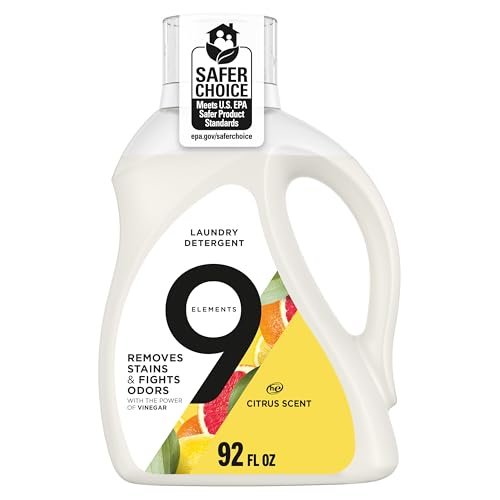 Citrus scent
Rated 4.4 out of 5 by customers, this detergent uses no artificial preservatives, dyes, thickeners, or brighteners, making it gentle on sensitive skin and hypoallergenic.
 Biodegradable
Rated 5 out of 5 by customers, this Everspring laundry detergent is great at removing the toughest stains. This laundry detergent is also a 96% biobased product and has a hypoallergenic formula.
 Odor-neutralizing
Rated 4.7 out of 5 by customers, the ECOS laundry detergent has enough for 152 loads of laundry and now has the added odor-neutralizing power of natural enzymes, making it ideal for cleaning and removing tough stains.
FAQs
Can you use laundry detergent to clean concrete?
Yes, laundry detergent can be used to clean concrete. To do this, mix ¼ to ½ cup of liquid laundry detergent into a gallon of warm water. Pour the solution over the stained area, then scrub with a stiff-bristle outdoor broom or brush. Allow it to sit for 5–10 minutes to break down grime, then rinse thoroughly with a garden hose.
For oil or grease stains (like on a driveway), sprinkle powdered laundry detergent directly on the stain, add a little warm water to create a paste, and scrub with a stiff brush. Let it sit for 15–20 minutes before rinsing.
While laundry detergent is safe for both sealed and unsealed concrete, avoid excessive use on painted or stained surfaces, as scrubbing too hard can cause dulling over time. Always test a small area first if you’re unsure.
Laundry detergent may seem like a single-purpose item, but a closer inspection shows how multifunctional this essential product truly is. With the right dilution and a bit of knowledge, you can tap into its hidden cleaning powers all around your home.
As with any cleaner, always spot test on delicate surfaces and avoid overuse, as concentrated detergent can be too harsh for some materials.
Ultimately, these surprising uses may inspire you to rethink how you organize and utilize your laundry room supplies.