Ponds, whether large or small, can greatly enhance your garden by attracting wildlife. They provide essential water sources for insects, birds, and small mammals, making them a valuable addition to any outdoor space.
Adding a variety of plants around your pond can significantly boost its appeal for local wildlife. From ornamental grasses to flowering plants, these additions not only beautify your space but also offer shelter and sustenance for visiting creatures.
Here are expert recommendations on the best plants to include around your wildlife pond, whether you're starting from scratch or improving an existing one.
1. Blue Flag Iris – Vibrant Blooms on Sturdy Stems
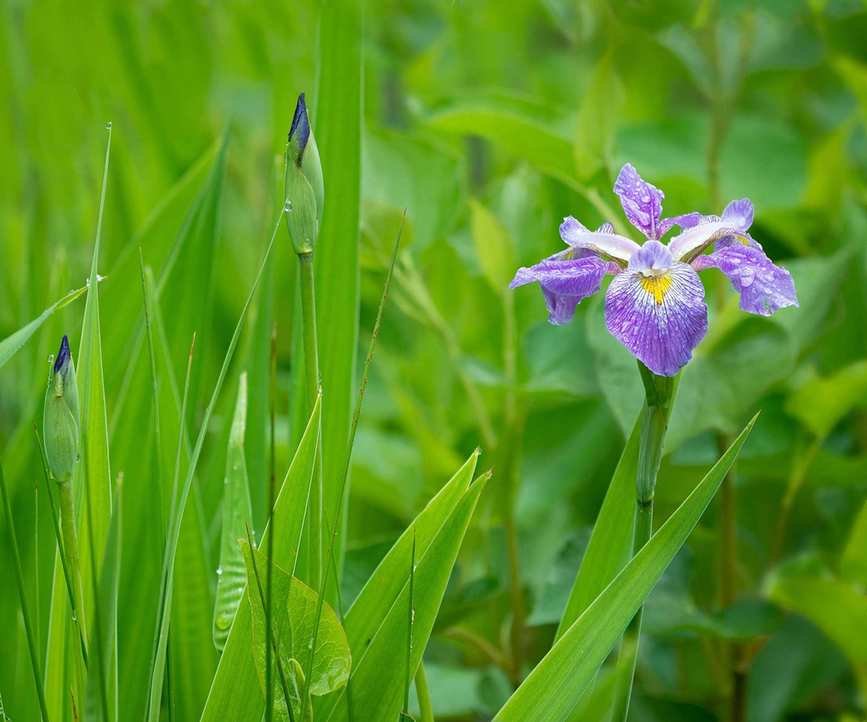
Mary Phillips from the National Wildlife Federation suggests incorporating blue flag iris (Iris virginica) around your pond. Its thick, upright foliage provides excellent cover for various animals.
These robust stems serve as perches for dragonflies and damselflies, offering a safe place for their larvae to emerge. The stunning violet-blue flowers attract many pollinators, including bumblebees, butterflies, and hummingbirds. Additionally, the rhizomes help stabilize soil and prevent erosion.
For optimal growth, plant them in full sun to partial shade in clay or loamy soil. Leaving the stems intact in the fall offers overwintering sites for beneficial insects, which can be trimmed back in spring.
2. Switchgrass – Low-Maintenance Habitat Provider
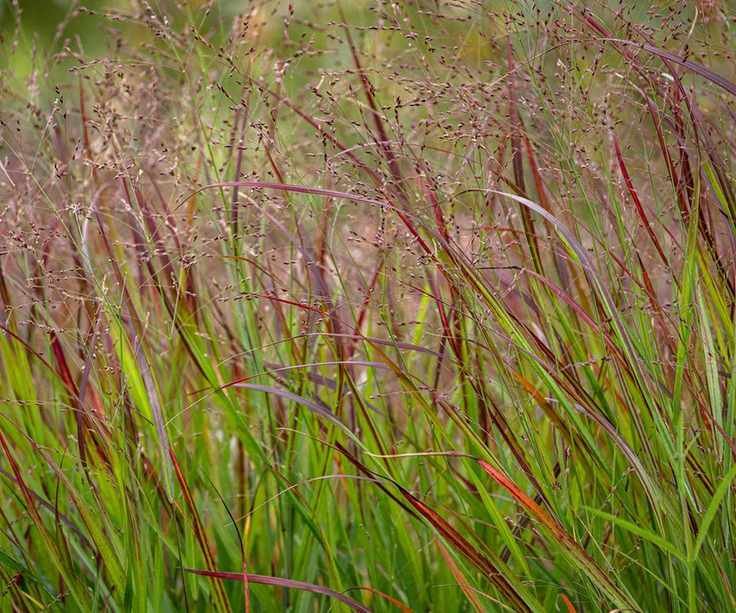
Mary also recommends switchgrass, a type of ornamental grass that provides vital habitat for fireflies, frogs, turtles, and small mammals. It's a larval host for various skipper butterflies.
Its dense root system anchors soil along the pond edge, preventing erosion and murkiness while providing a secure area for dragonflies to lay eggs. Visually appealing, switchgrass adds texture in winter and produces lovely seedheads in late summer.
Plant it in full sun in sandy to clay soil, suitable for USDA Zones 3-9. Pruning to six inches in late winter or early spring is advised once temperatures remain consistently above 50 degrees.
3. Buttonbush – A Pollinator Favorite
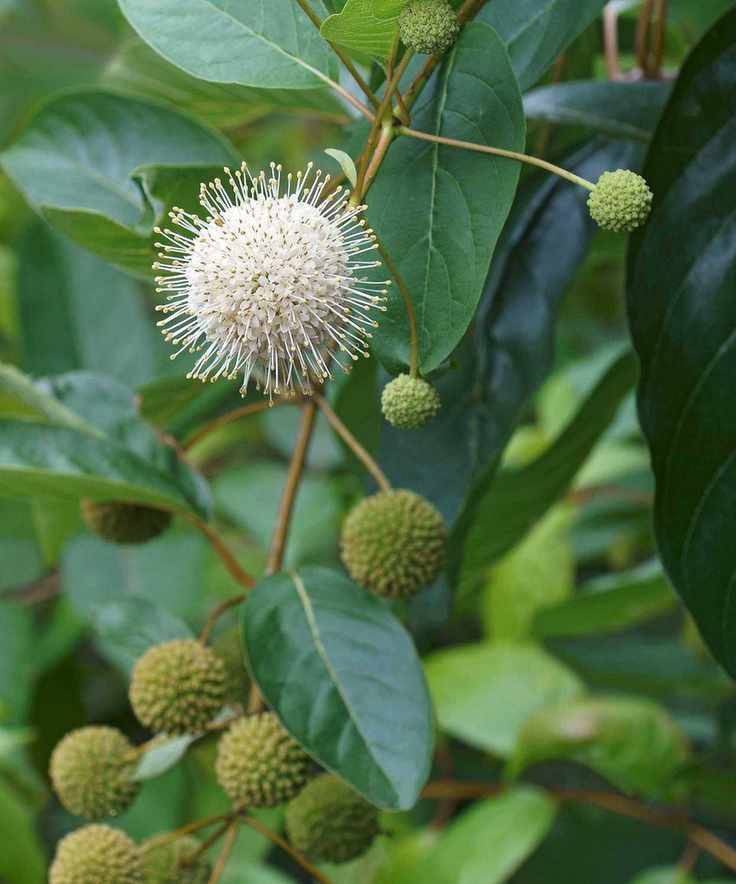
Another excellent choice is buttonbush (Cephalanthus occidentalis), known for its fragrant, pom-pom-shaped flowers that attract a variety of bees, butterflies, and hummingbirds from June to September. The seedheads provide nutrition for songbirds in winter.
This plant thrives in wetland conditions, tolerating soils that are consistently moist or even shallowly flooded. It's ideal for planting in the pond's marginal areas.
4. Swamp Milkweed – A Butterfly Magnet
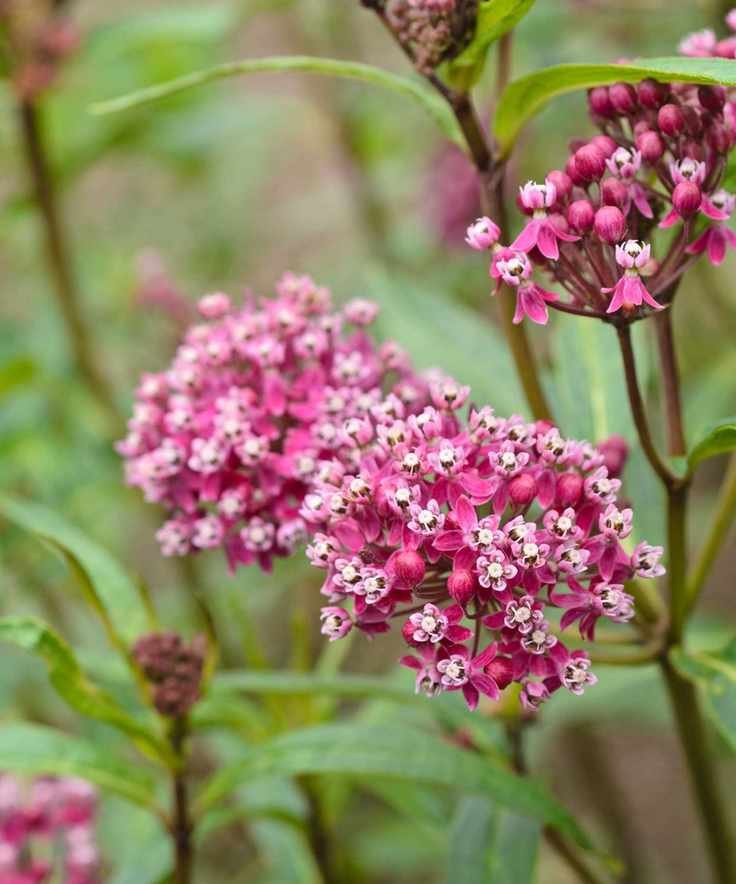
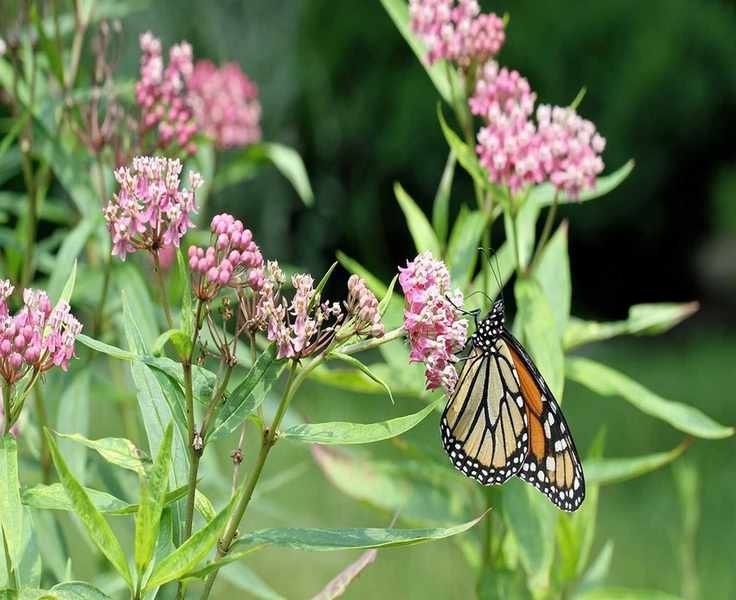
Megan Bryant, a horticulturist, recommends swamp milkweed (Asclepias incarnata) for wildlife ponds, as it serves as a host plant for the threatened Monarch butterfly. Its stunning pink flowers bloom from mid-summer to October, attracting numerous pollinators.
Growing between four to six feet tall, swamp milkweed adds height and should be planted in full sun or partial shade near the pond's edge.
5. Tussock Sedge – Evergreen Grass with Wildlife Advantages
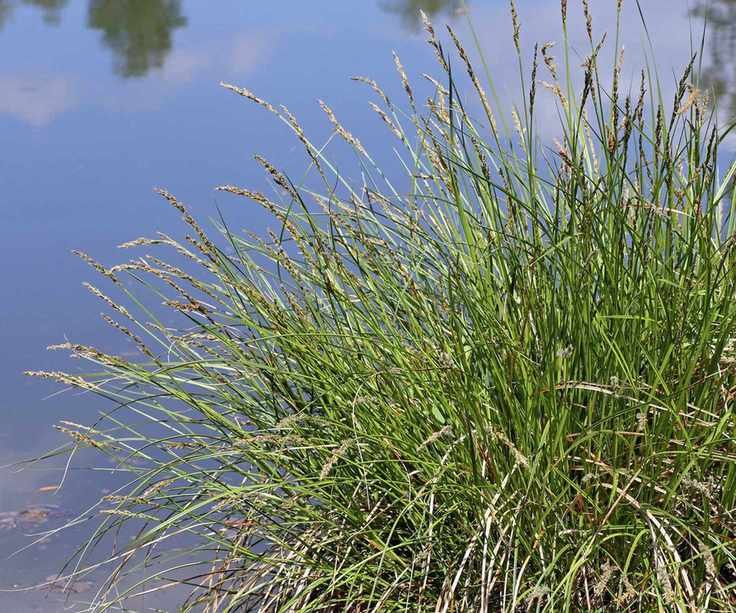
Tussock sedge (Carex stricta) provides essential habitat for insects, amphibians, and birds. Its roots help stabilize soil and filter nutrient runoff, improving water quality.
This grass flourishes in saturated soils and is generally planted just above the waterline, spreading through underground rhizomes for effective coverage.
6. Cardinal Flower – Attracting Hummingbirds
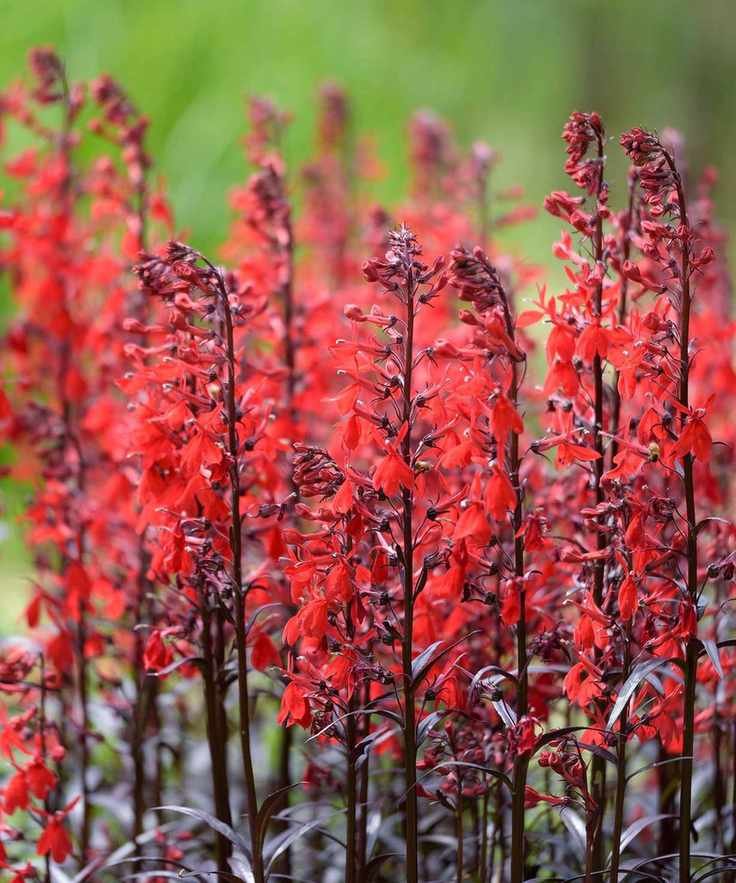
For those eager to attract hummingbirds, consider cardinal flower (Lobelia cardinalis). Its bright red, nectar-rich blooms are irresistible to pollinators and offer vertical interest with a height of three to six feet.
These flowers thrive at pond edges, needing full sun but tolerating partial shade.
7. Hostas – Perfect for Shaded Areas
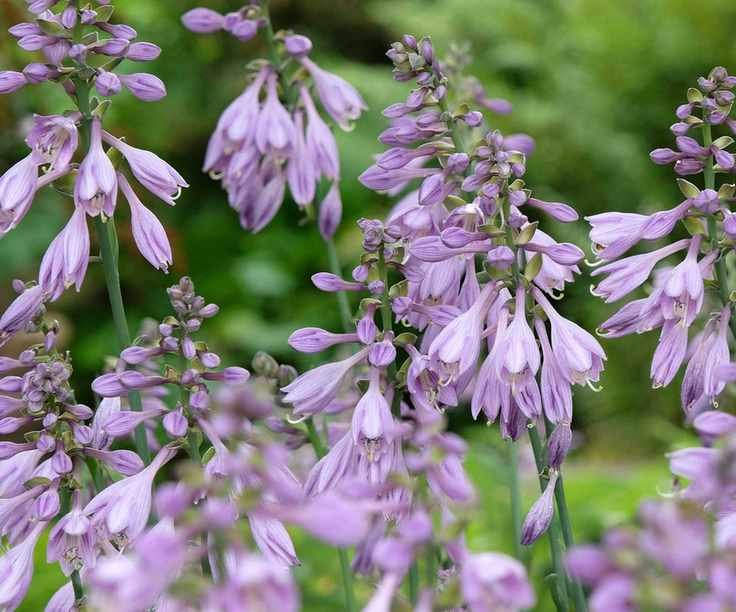
For lush foliage, hostas are an excellent choice for shaded pond areas. They offer textured green leaves that soften edges and attract pollinators with summer blooms.
Plant them in partial to full shade. Understanding the right time to cut them back will help them thrive. For a unique look, consider varieties like 'Francee,' which features variegated leaves and lavender blooms.
Enhancing your pond is just one way to promote wildlife in your garden. Additional options include planting a mini meadow, feeding garden birds, or creating a bee hotel. If growing fruits and vegetables, be mindful about using the right types of garden netting to protect small creatures.
Shopping Recommendations
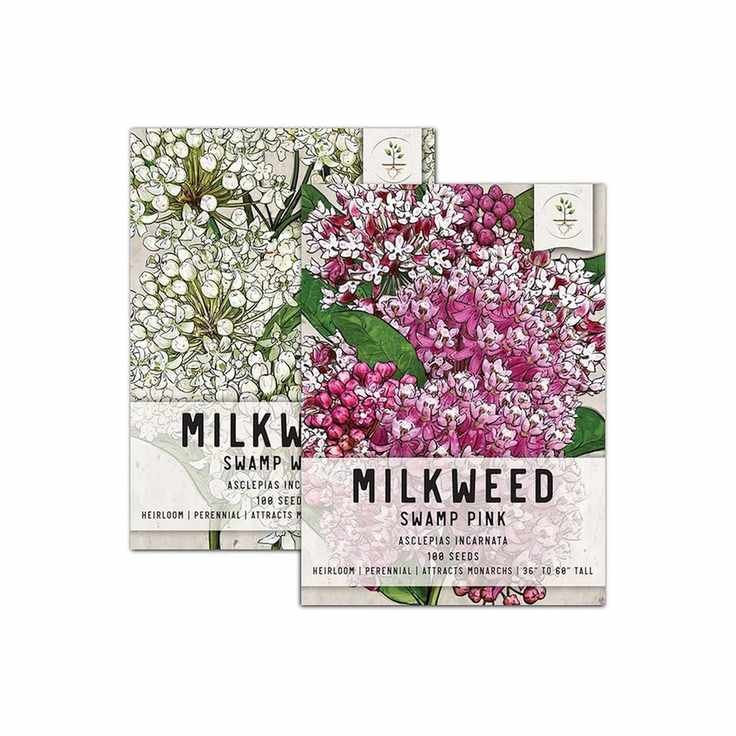 Pollinator Attractor
Get both pink and white swamp milkweed seeds to grow around your pond.
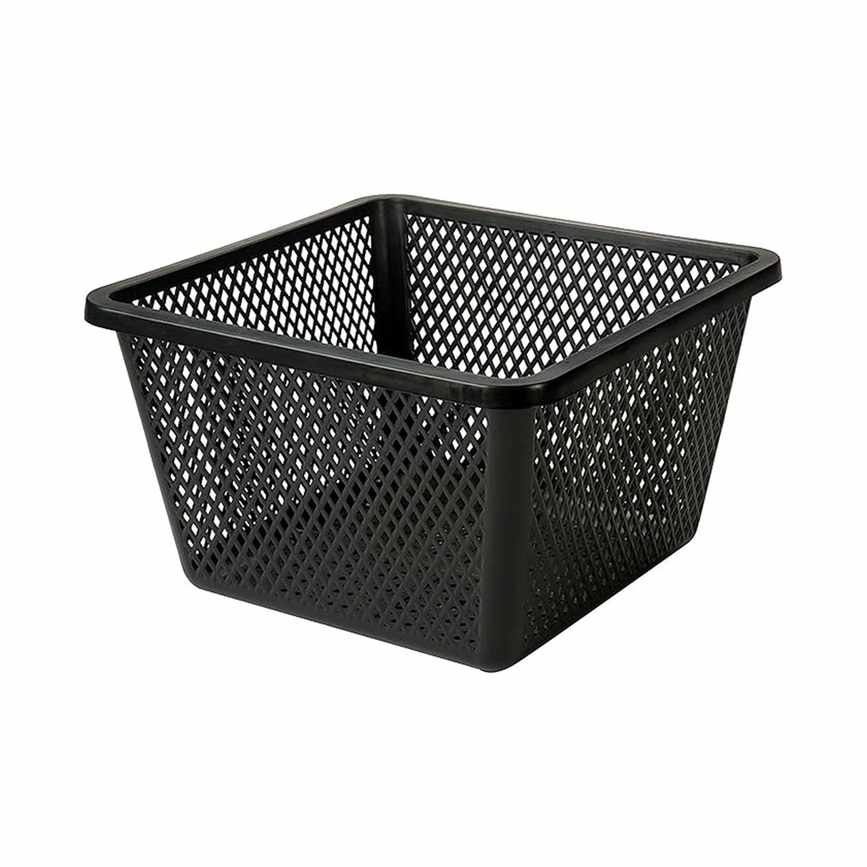 Highly Rated
These aquatic baskets are great for planting blue flag irises and other pond plants affordably.
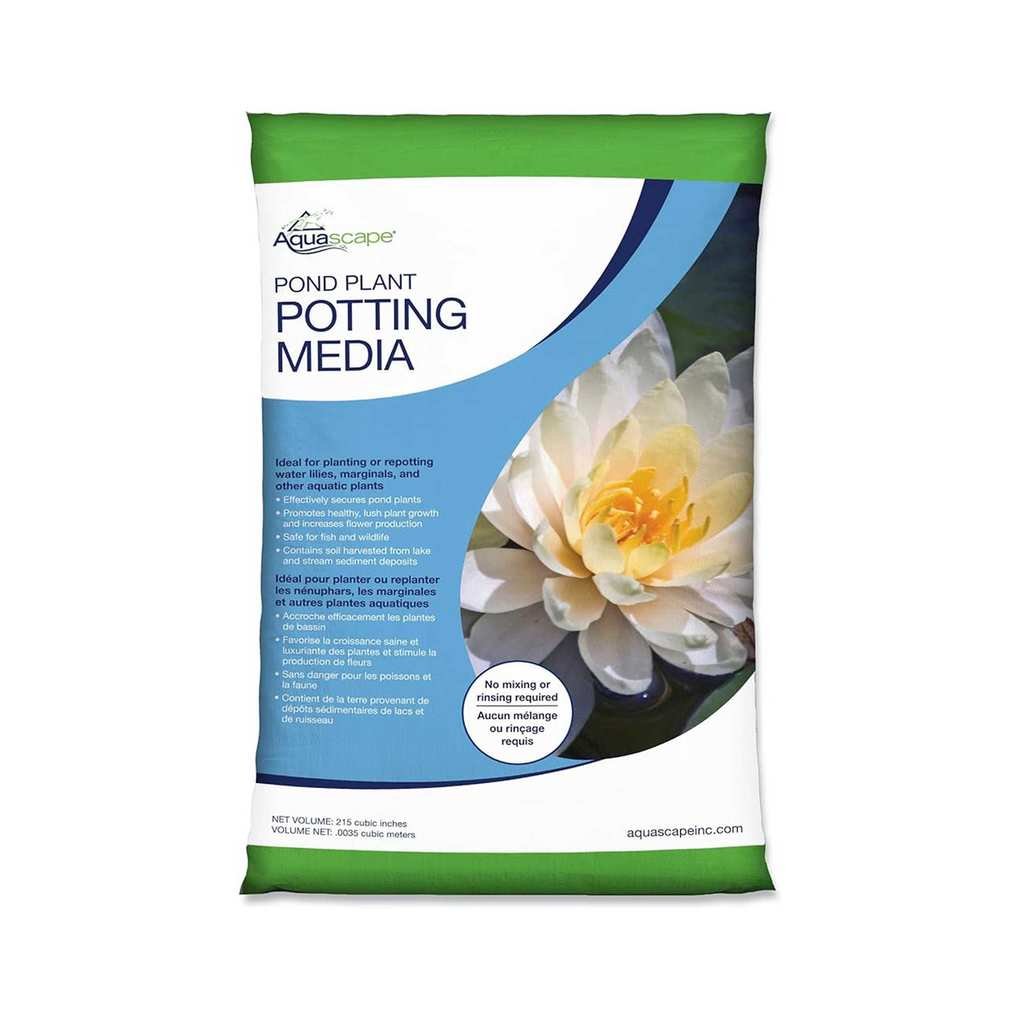 Fish-Safe Option
This nutrient-rich mix is perfect for potting marginal and submerged plants in aquatic planters.