
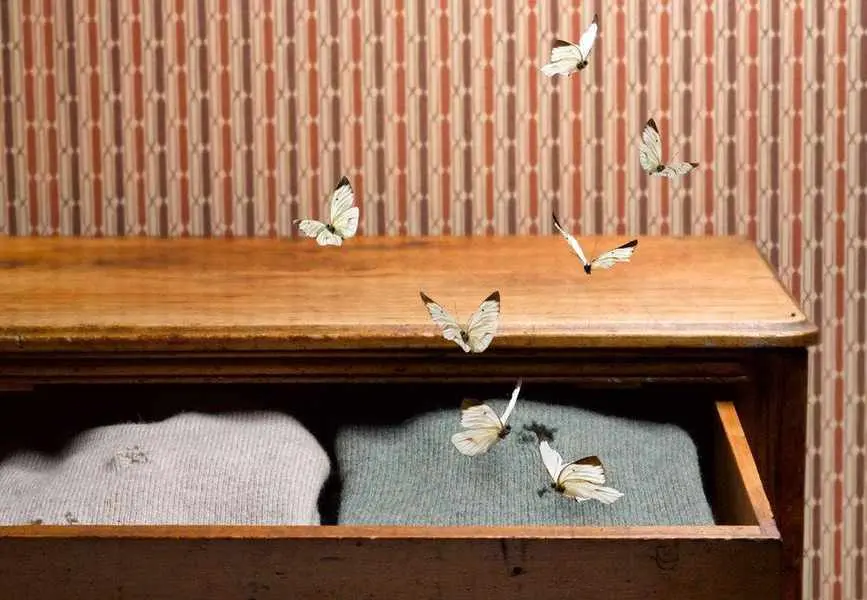
While you might notice signs of moths in your closet, it's essential to check your entire home for these pests. They can cause damage to various materials, from your clothes to your carpets.
Different species of moths have different tastes, so understanding what to look for is key. This guide outlines the indicators of moth infestations and offers solutions to eliminate them effectively.
7 Signs of a Moth Infestation
Be particularly cautious of clothes and carpet moths, which can damage items like clothing and upholstery, and pantry moths that target dry food items. The larvae, which feed for about six weeks, cause most of the destruction, transitioning into pupae and eventually adult moths.
1. Adult Moths

Adult moths are often noticed fluttering about your home. According to pest control experts, these pests are typically around one-fifth of an inch long and come in light golden or silvery brown shades. They prefer dark, undisturbed places like closets and storage areas.
If you see adult moths, larvae have likely already inflicted damage on your belongings. To prevent this, consider using moth-repellent options like cedar wood rings or lavender sachets. Pantry moths can be deterred by storing dry goods in sealed containers.
For severe infestations, professional pest control may be necessary.
2. Sticky Residue from Larvae Casings
Finding sticky casings and cocoons indicates that larvae have already caused harm. Thoroughly cleaning the affected area is crucial to prevent the pupae from developing into adult moths.
3. Moth Larvae and Eggs
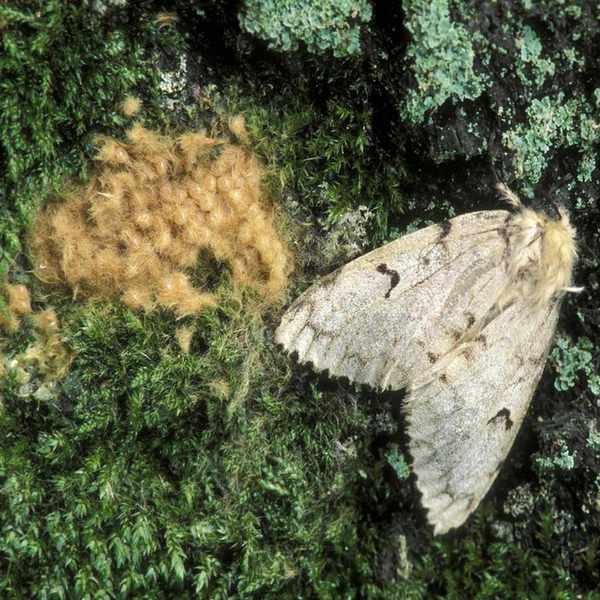
Moth larvae resemble small maggots, typically white or pink with brown heads, and can be found near their food sources, such as wool or cereal. Adult moths lay tiny, nearly invisible eggs in dark nooks. If you spot a larva, act quickly by cleaning and vacuuming the affected areas.
4. Holes in Clothes
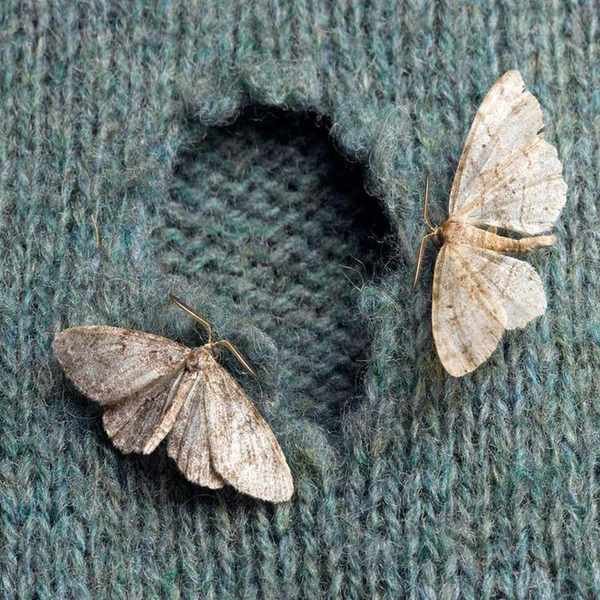
Holes in clothing can sometimes be caused by damage from something mundane, like a door key. However, if your clean clothes suddenly appear with holes, moth larvae are likely to blame, particularly if the garments are made from natural fibers. Investigate further to rule out other culprits.
Consider removing clothes from your closet, washing them at high temperatures, and using moth deterrents to tackle the issue effectively.
5. Silver Webs on Upholstery

If you notice fine, silky webs on furniture, it's time to search for larvae. These webs are often remnants of larvae casings. Check dark corners and crevices of your furniture for signs of infestations.
6. Patches in Carpets and Area Rugs

Patches in carpets develop slowly and may go unnoticed until significant damage has occurred. Regular vacuuming and steam cleaning can help eliminate hidden pests. Using moth traps can also prevent the problem from worsening.
7. Mini Tunnels

Look for small, irregular holes in clothing or food items, as these may indicate the presence of larvae. Silky tunnels may also be present, containing both larvae and tiny, white moth eggs. Different traps are needed for clothes moths and pantry moths.
FAQs
What Are Signs of Moths in Carpets?
Signs include damage that looks like tiny trails in the carpet pile. You may also see adult moths, sticky larvae shells, and tiny black dots from moth eggs.
What Are Signs of Moths in Closets?
Besides seeing adult moths, holes in clothing made from natural materials are a key indicator of a moth problem.
Why Do I Have Moths in My Home?
Moths are attracted to food sources. Clothes and carpet moths prefer natural materials, while pantry moths target dry goods. They can sneak into your home through secondhand items or open doors and windows.
To combat infestations, use traps, clean thoroughly, and store items in airtight containers to keep moths at bay.



