Recent innovations in fruit tree cultivation enable gardeners to enjoy these plants regardless of their garden's size. Dwarf varieties grafted onto specific rootstocks maintain a smaller stature, making it feasible to grow fruit trees in limited spaces.
These trees can enhance any small garden layout, providing lovely blossoms in spring and a delightful fruit harvest later. They serve as eye-catching features while attracting beneficial wildlife and pollinators.
Fruits such as apples, peaches, cherries, citrus, and olives thrive in small gardens, whether planted in the ground or containers, making them versatile additions to various backyard setups.
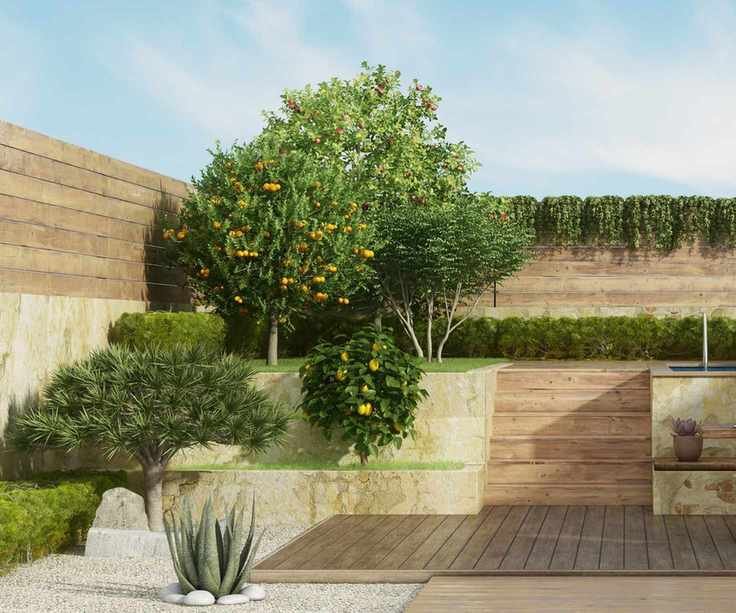
Lemons and oranges bring vibrant color to compact spaces
8 Compact Fruit Trees for Limited Spaces
Not every tree fits well in small areas, so it's crucial to consider their ultimate height and spread to avoid overcrowding. Opting for dwarf varieties can open up exciting options for small gardens.
The fruit trees listed below can thrive in both ground and container settings. Growing in pots can be particularly advantageous for citrus trees, which may need protection from cold winters.
1. Bonanza Patio Peach Tree
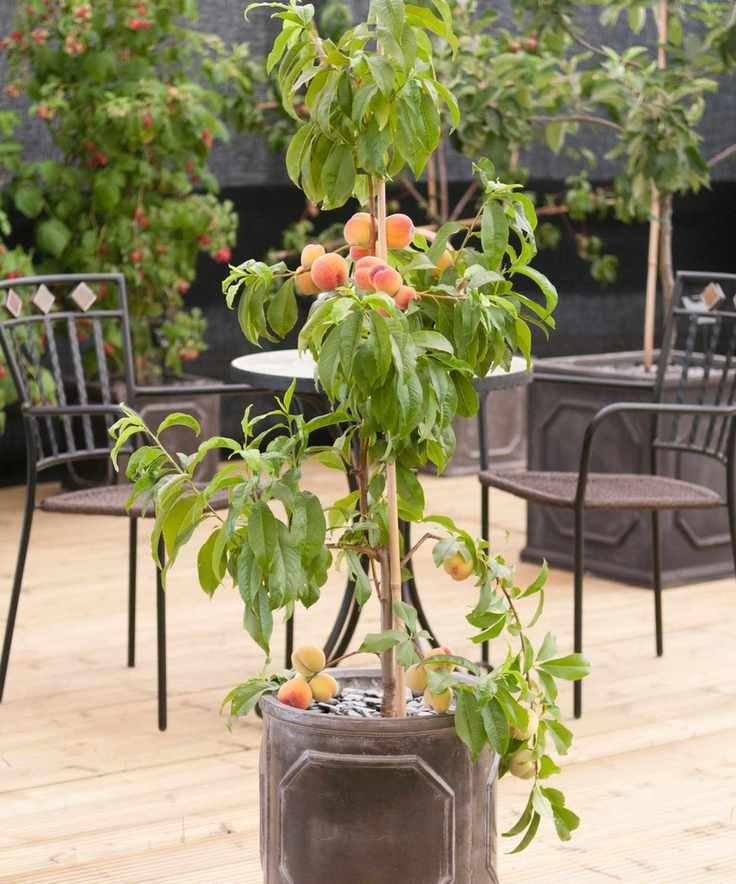
This patio peach yields full-sized fruits
- Height: 4-6 feet
- Spread: 5-8 feet
- Aspect: Full sun
- Harvest Period: Summer
Traditionally, peach trees were believed to require a greenhouse to thrive. However, new cultivars are suitable for cooler climates. The Bonanza Peach Tree, from Fast Growing Trees, can be planted in a pot or directly in the garden, yielding abundant peaches in sunny, sheltered spots.
To maintain fruit production, ensure it's well-watered and nourished. Protection in late winter and early spring can prevent peach leaf curl. Minimal pruning is necessary for this dwarf variety, but maintaining an open center is important.
2. Fignomenal Fig
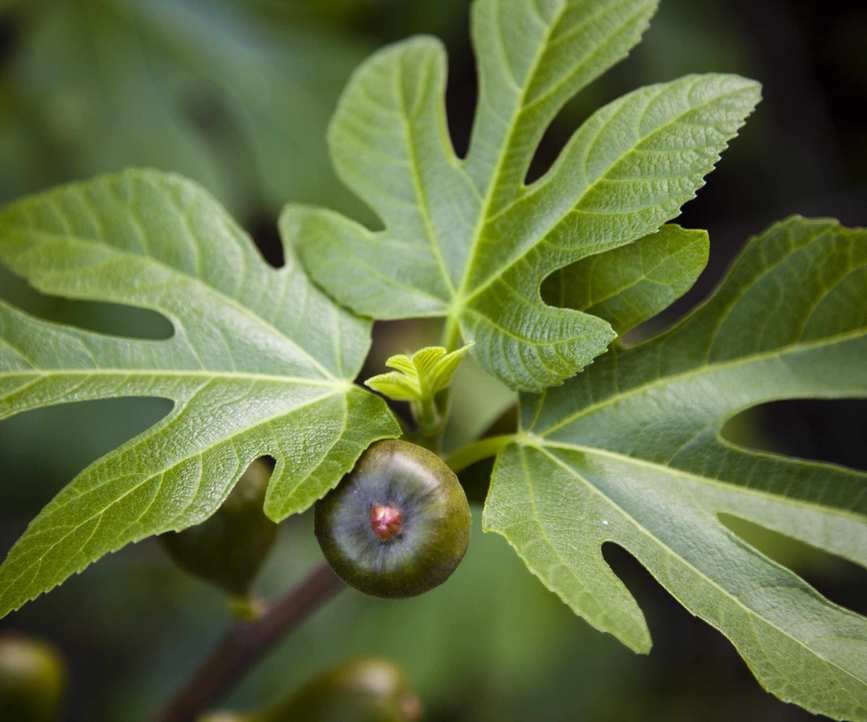
Figs require up to two months to ripen
- Height: 3-5 feet
- Spread: 3-5 feet
- Aspect: Full sun
- Harvest Period: Summer
Figs can add a Mediterranean flair to any garden, even in cooler climates. The Fignomenal Fig, available from Burpee, is a compact option that produces medium-sized fruits perfect for fresh eating or baking.
Plant it in well-drained soil under full sun, and consider feeding with liquid tomato feed while fruits develop. Pruning is straightforward, as figs produce fruit on one-year-old wood.
3. Improved Meyer Lemon Tree

Meyer lemons are sweeter than standard lemons
- Height: 5-7 feet
- Spread: 5 feet
- Aspect: Full sun
- Harvest Period: Varies
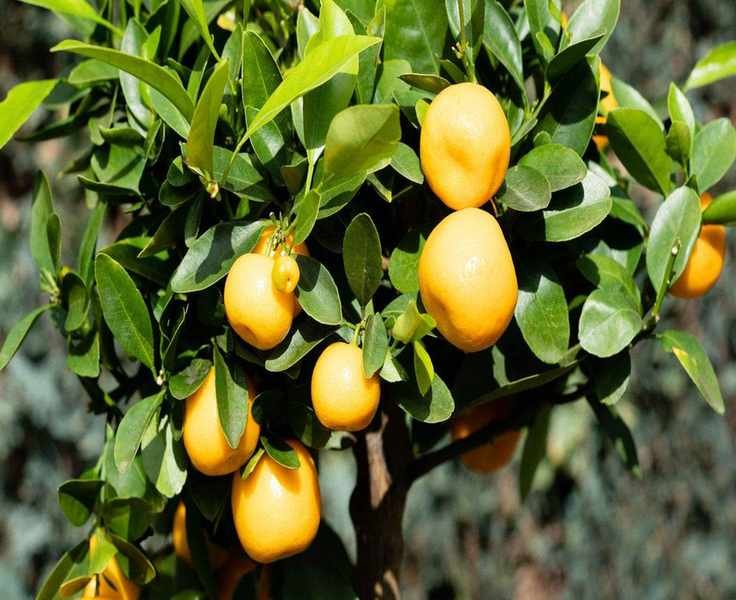
Lemon trees flourish in small gardens, providing a Mediterranean ambiance with fragrant flowers and fruit. The Improved Meyer lemon tree, from Burpee, is self-fertile and produces sweet, aromatic lemons.
This tree is frost-sensitive and should be sheltered when temperatures dip below 45˚F. Pruning should begin in the second year, ideally between late winter and early spring.
4. Espalier Grafted Apple Tree
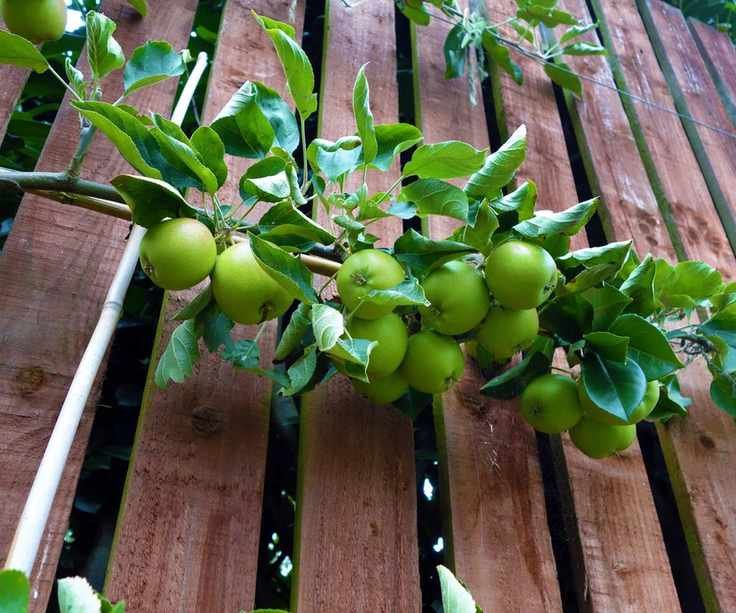
Espalier apples produce fruits on trained branches
- Height: Varies
- Spread: Varies
- Aspect: Full sun
- Harvest Period: Late summer into fall
Apple trees are great for espalier, allowing for efficient fruit production in minimal space. The Espalier Edible Grafted Apple Tree, from Nature Hills, features six varieties, including Granny Smith and Honeycrisp, all on a single tree.
This self-pollinating tree not only produces a variety of apples but also serves as a unique design element in your yard. Plant during winter or early spring, and prune in winter for optimal growth.
5. Carmine Jewel Dwarf Cherry Tree
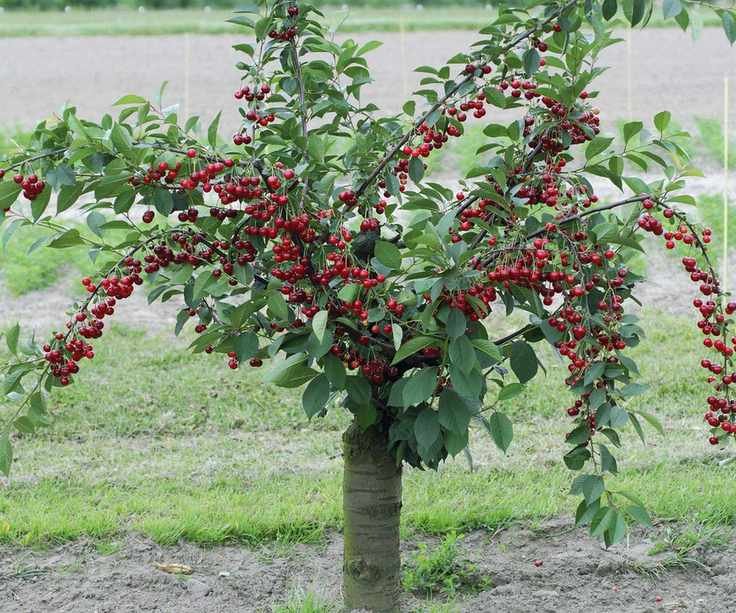
Cherries begin ripening in early summer
- Height: 6-7 feet
- Spread: 3 feet
- Aspect: Full sun
- Harvest Period: Summer
Dwarf cherry trees, such as the Carmine Jewel, from Nature Hills, produce sweet, juicy cherries in small spaces, along with beautiful spring blossoms.
For optimal growth, plant in a sunny spot with ample mulch in winter. Best planting times are in spring or fall, with pruning recommended after summer harvest.
6. Dwarf European Olive Tree
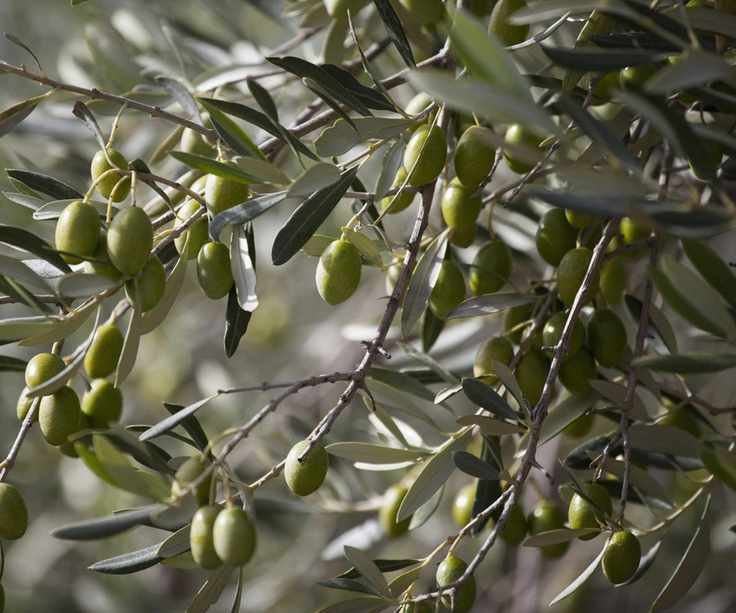
Olives transition from green to black as they ripen
- Height: 6 feet
- Spread: 2 feet
- Aspect: Full sun
- Harvest Period: Fall
Olive trees thrive in warm sun and are popular in warmer US regions. While standard varieties grow large, dwarf options fit well in compact gardens, requiring regular pruning to maintain size. A dwarf olive tree, from Walmart, needs protection from harsh frosts.
Prune during spring or summer to maintain its shape.
7. Dwarf Pomegranate Tree
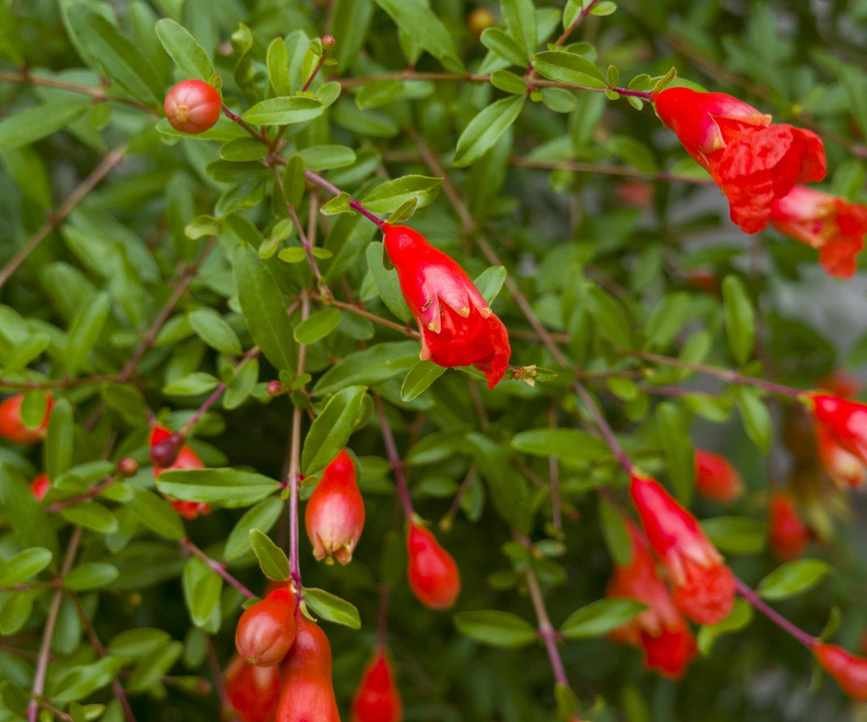
Pomegranate trees provide year-round interest
- Height: 2-4 feet
- Spread: 2-4 feet
- Aspect: Full sun
- Harvest Period: Summer to fall
This charming shrub offers coppery-red foliage that transitions to bright green and yellow in the fall, along with striking orange-red flowers. The dwarf pomegranate tree, available at Walmart, prefers sunny locations and well-draining soil.
8. Calamondin Orange Tree
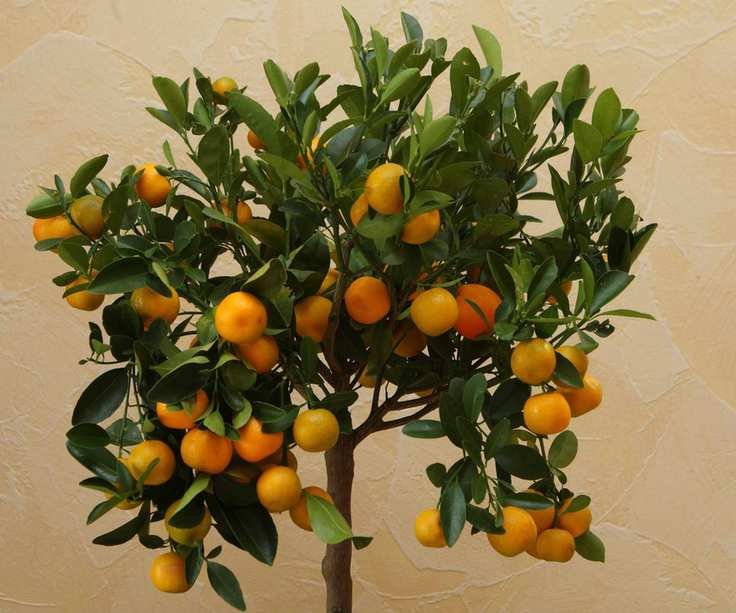
A calamondin orange is a hybrid of mandarin and kumquat
- Height: 8 feet
- Spread: 5 feet
- Aspect: Full to partial sun
- Harvest Period: Summer to fall
Growing citrus like calamondin oranges allows you to enjoy fragrant blooms and tangy fruit. The Calamondin Orange Tree, from Fast Growing Trees, is a hardy hybrid producing small yellow-orange fruits.
This orange tree tolerates temperatures down to 23˚F but should still be shielded in colder months. Ideal for container growth, it can be brought indoors during winter.
Plant in well-draining, slightly acidic soil, keep it hydrated, and prune in spring to promote healthy growth.
Today, a variety of fruit trees thrive in compact spaces. Trees like apples, peaches, figs, and cherries can be grown up walls or fences, maximizing under-utilized areas.
It's entirely feasible to grow a fruitful garden in a small space, providing blooms, fragrances, and structural beauty to your outdoor design.
When considering when to plant fruit trees, note that bare root varieties are typically planted in winter, while container-grown trees can be planted throughout the year.