
If your medicine cabinet feels like a chaotic mess, it's time to take control. Organizing your supplies can make a world of difference, ensuring you find what you need without hassle.
Experts in design and pharmacy have outlined 8 effective strategies to help you neatly arrange your medical supplies, whether stored in the bathroom or kitchen, while also safeguarding their quality.
Expert Strategies for Organizing Your Medicine Cabinet
Before diving in, think about where to keep your medicines. Ensure they're out of reach of children and pets to prevent any accidents; placing them on a higher shelf is a good start.
Dr. James Hook advises against keeping medicine in the bathroom due to heat and humidity affecting their effectiveness. Instead, opt for cool, dry spaces like a high shelf in a closet or a wall-mounted unit. This also keeps your supplies away from curious little hands.
If your only option is a lower storage spot, secure your items in an airtight box with a child-proof lock. For those daily necessities that often get left out, consider using a secure storage solution to keep things tidy.
Humidity from showers can alter medication chemistry, making it less effective or even harmful. Store medicines in a cool, dry area, away from water sources and hot appliances. Always check the product information for specific storage instructions.
Armen Gazaryan suggests using a drawer in your bedroom or a kitchen cabinet, ideally positioned away from heat sources.
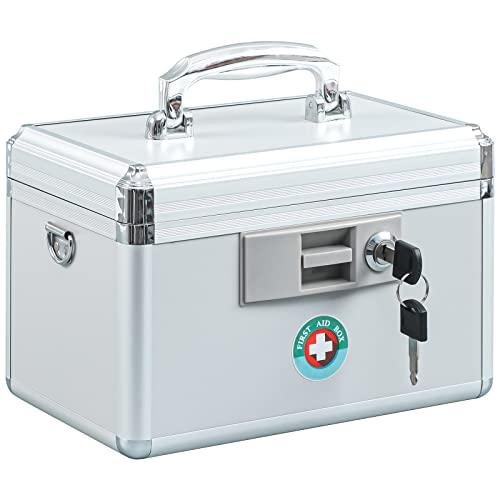 Five sizes
Kyodoled Locking Key Medicine Box
Store your supplies safely in this lockable box, with a handy handle for easy transport. Perfect for taking your medications or accessing first aid essentials.
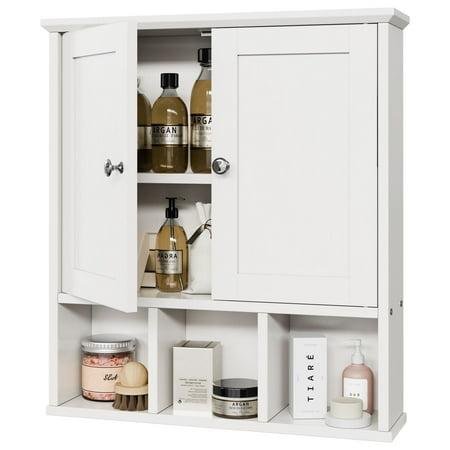 Wall-mounted
This versatile wall-mounted cabinet helps separate your medical supplies from beauty products. Available in various colors and configurations to suit your needs.
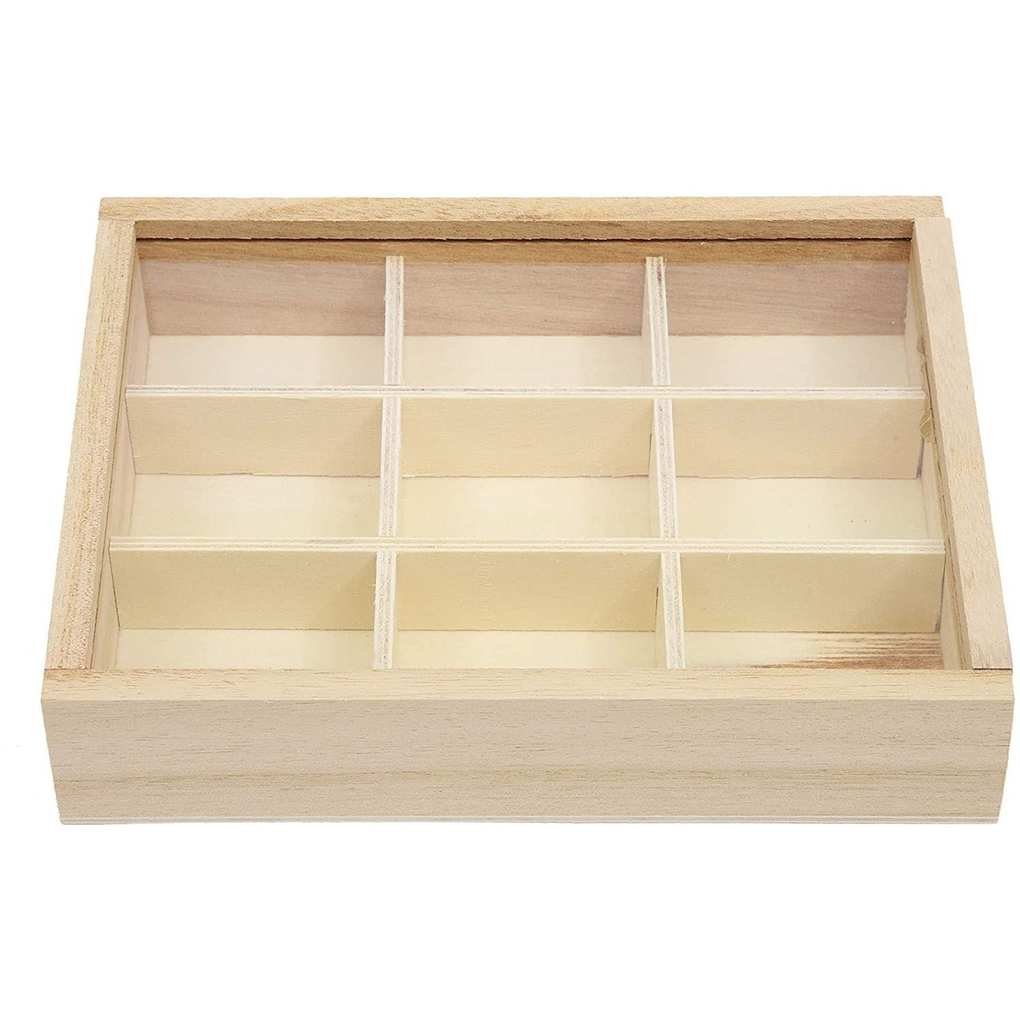 Comes with lid
Wooden Boxes With Lids
This smart wooden box keeps your first aid supplies organized, allowing easy access to essential items like bandages and gauze without the clutter.
After determining the best storage location for your items, here are our top tips for maximizing organization and minimizing clutter.
1. Simplify Your Supplies

(Image credit: Lucas Eilers)
Start by emptying your cabinet and cleaning it thoroughly to remove any dirt or residue. Check expiration dates on all products.
Ignoring expiration dates can lead to ineffective medications or potential harm. Armen Gazaryan recommends regular checks, ideally every six months, to discard expired items.
Teri Dreher emphasizes the importance of disposing of unused medications safely, suggesting you check local pharmacies for take-back programs.
Eliminate items you no longer need, especially those linked to past health issues. A streamlined cabinet reduces clutter and helps keep track of expiration dates.
2. Organize by Category
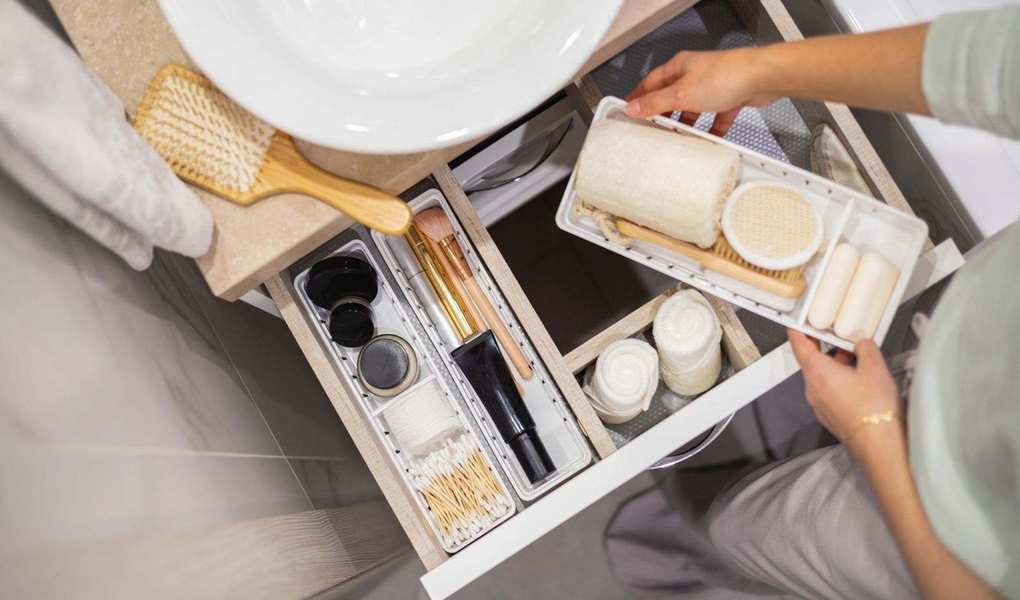
(Image credit: Getty Images)
Grouping items by category is a key decluttering principle. Choose a system that works best for you—consider organizing by type (pain relievers, vitamins, first aid supplies) or by family member.
Professional organizer Brenda Scott suggests assigning separate shelves or colored containers for different users to minimize confusion and save time when searching for items.
Avoid mixing non-medical products with your medicines, as they can spill and create a mess. Keep them separate using dedicated containers.
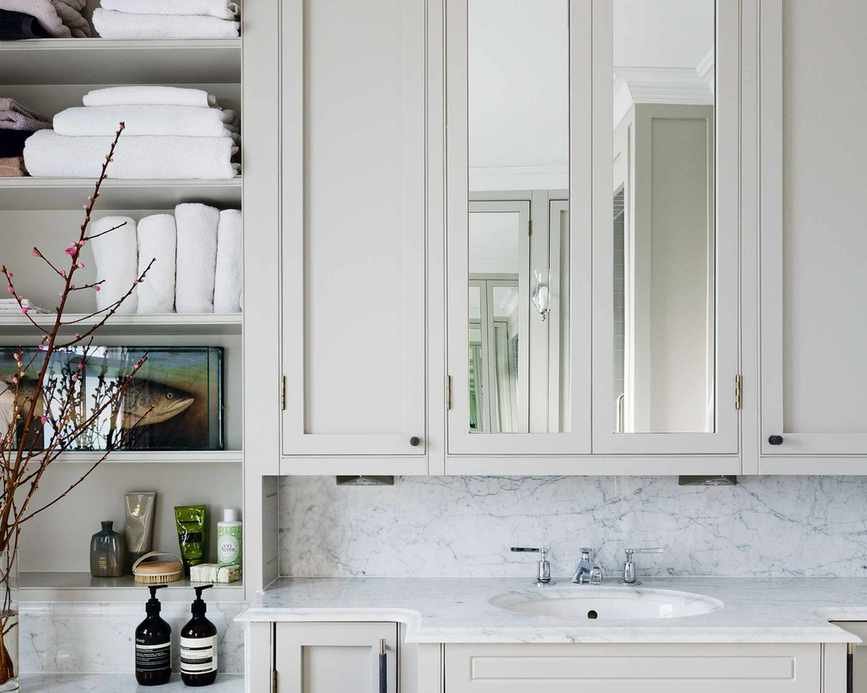
Using a wall-mounted cabinet with multiple compartments can help manage different types of items effectively, allowing you to maintain cleanliness and order.
Proper categorization can be lifesaving in emergencies, enabling quick access to essential items.
3. Discard Bulky Packaging
(Image credit: Future)
Removing excess packaging can create more space. For items like over-the-counter medications, consider keeping only the label if it contains all necessary information.
Do not remove packaging that maintains sterility, like bandage wrappers. Items should remain identifiable; keep them in their original packaging if necessary.
Using pill pouches can help store smaller items. You can cut and keep essential information from the outer packaging inside the pouch for easy access.
These organized pouches can save valuable storage space in your cabinet.
4. Clearly Label Containers

(Image credit: EggHeadPhoto / Alamy Stock Photo)
Labeling is crucial for effective organization. Group similar items in transparent containers, clearly labeling the visible side for quick identification.
For those with multiple prescriptions, consider labeling each item with its purpose to help recall its use. This is particularly helpful with infrequently used medications.
A smartphone-compatible label maker can streamline the labeling process, making it easy to keep everything organized.
Keep frequently used medications accessible at the front of the cabinet, while less common items can be positioned further back.
Also, consider rotating seasonal items based on their usage, like allergy medications in spring.
5. Optimize Storage Space
(Image credit: Future PLC)
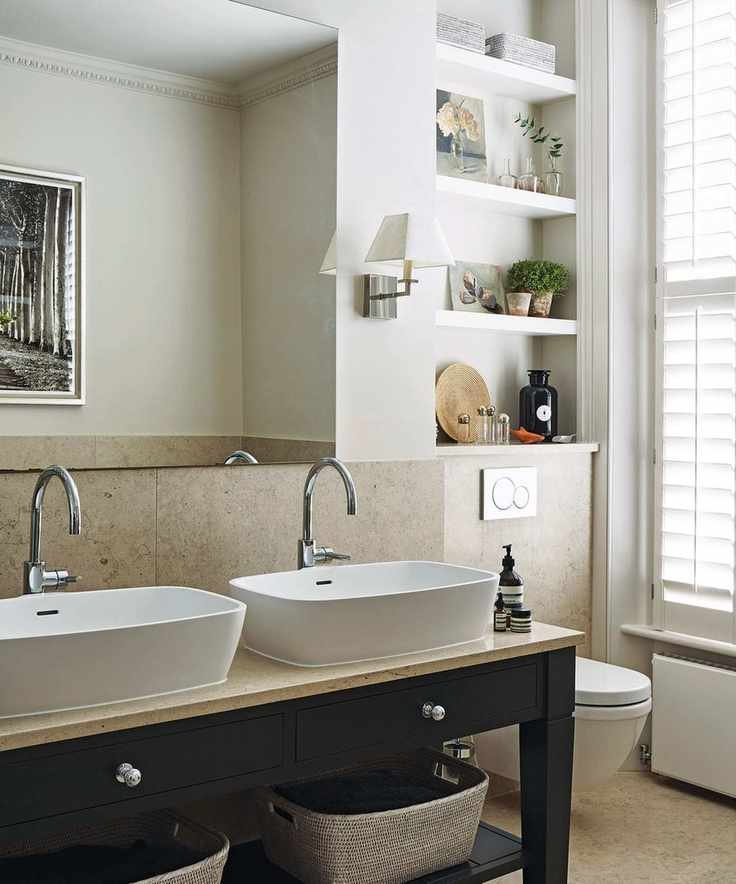
Ensure your cabinet is organized for maximum visibility and accessibility. Clear, stackable containers work well for this purpose.
If space allows, incorporate a lazy Susan to keep items easily reachable and organized.
Instead of organizing solely by size, group items by function for better efficiency. Medications, skincare products, and first-aid supplies should each have dedicated sections.
6. Utilize the Door Space

To save space, consider using the back of the cabinet door for storage. A rack can hold taller bottles or awkwardly shaped items.
Using the door for reminders or schedules can also be helpful, but ensure any medications stored there are out of children's reach.
7. Maintain Your Organization

Regular maintenance is essential to keeping your cabinet organized. Schedule routine checks and clearouts to avoid clutter buildup.
Consider reassessing your frequently used items seasonally, ensuring you only keep what you truly need to avoid unnecessary waste.
FAQs
What belongs in a medicine cabinet?
Your medicine cabinet should primarily house medications. Create a list of essentials, including prescription drugs and first-aid supplies, to ensure you're prepared.
If your cabinet doubles as storage for other bathroom essentials, assign separate containers for these items to avoid any cross-contamination.
How often should I clean it?
Regular cleaning is crucial for hygiene. Wiping down surfaces every few weeks prevents moisture and residue buildup that can contaminate your items.
Using an antibacterial cleaner can help maintain a sanitary environment.
Having a well-organized medicine cabinet is not only practical daily but also invaluable in emergencies. Once you've streamlined yours, consider exploring solutions for storing your beauty products to keep your space neat.