
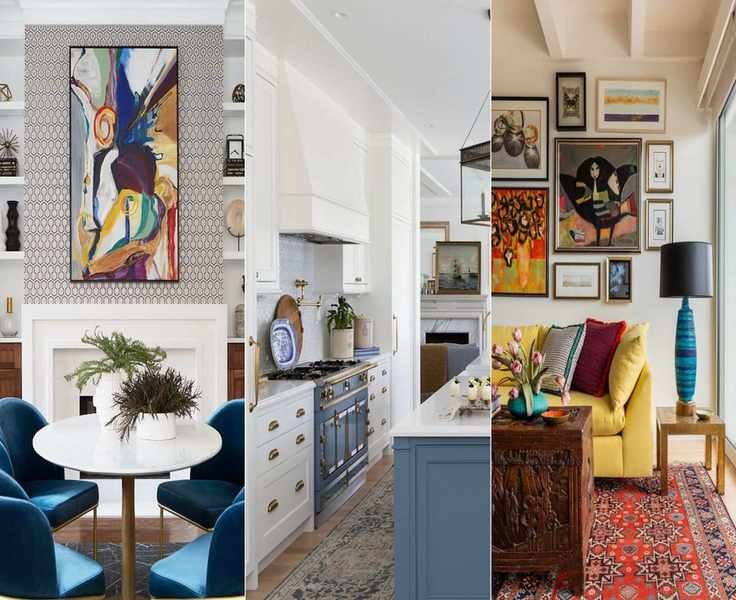
Transitional decorating is the buzzword in the interior design world, focusing on harmonizing vintage and contemporary styles for timeless appeal. We consulted design experts to uncover their favorite approaches, offering you inspiration to enhance your home.
Transitional Decorating Concepts
This decorating style mixes elements from various eras to achieve a classic aesthetic. Imagine pairing sleek, modern kitchens with vintage dining pieces or traditional wallpaper with contemporary furniture. The beauty of transitional design lies in its contrasts, creating a rich, layered effect that remains stylish beyond fleeting trends.
Explore the designers' tips below to see how they incorporate transitional elements into their work, inspiring you to refresh your space.
1. Infuse Vintage Touches in the Kitchen
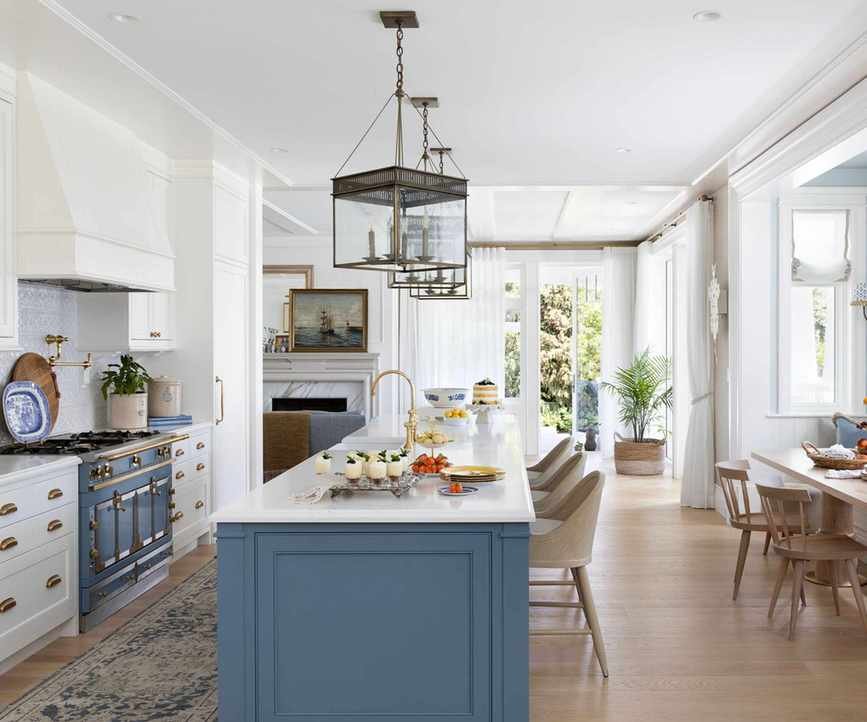
Often dubbed the heart of the home, kitchens deserve personal touches that reflect your style. A sterile space can feel uninviting, so consider adding transitional elements to bring warmth to your kitchen.
Vancouver designer Kelly Deck emphasizes the importance of creating a lived-in ambiance. She opts for unlacquered brass fixtures that develop character over time and incorporates vintage pieces like antique crocks to create a cozy, inviting environment.

With two decades of experience, Kelly Deck focuses on crafting exquisite interiors that balance tradition with modernity.
2. Dine with Eclectic Style

Blending old and new not only adds character but also infuses a sense of playfulness into your dining space. Designer Tancred Vilucchi achieves this by mixing antiques with modern pieces for a unique atmosphere.
His LA dining room showcases an antique table paired with refurbished chairs, all set against vibrant pink walls. This combination creates warmth while maintaining a surreal yet timeless aesthetic that delights guests.
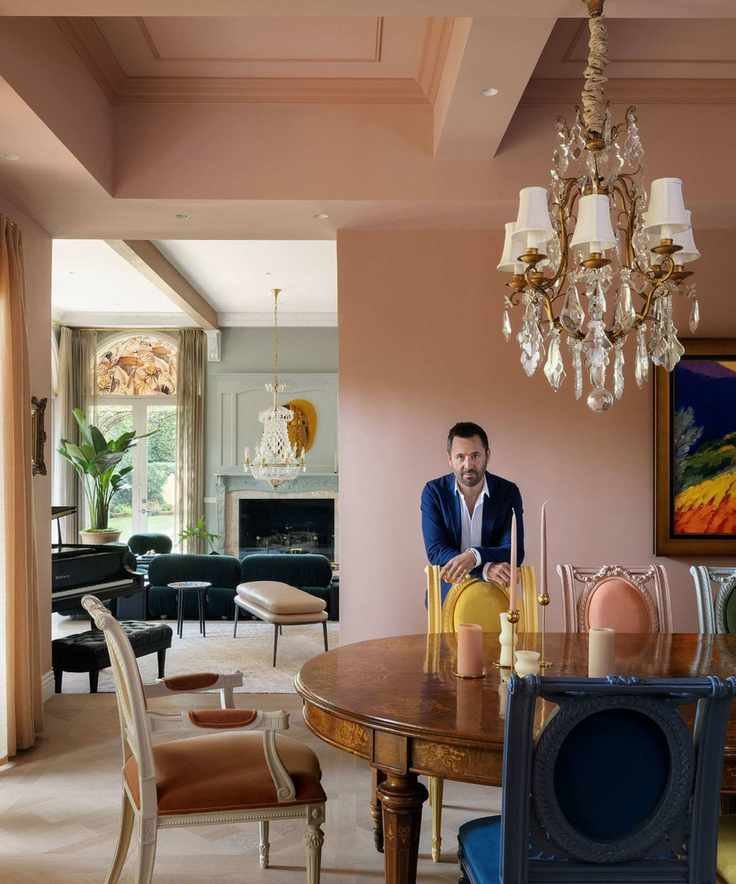
Tancred's French-Italian background influences his design philosophy, emphasizing the beauty of mixing various styles.
3. Blend Modern and Traditional Furnishings
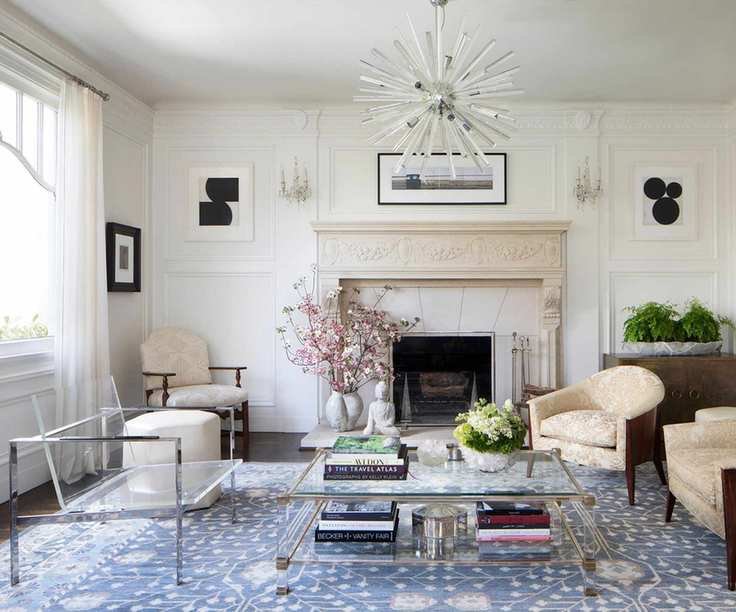
For designer Kendall Wilkinson, achieving balance in a room is more significant than labeling a specific style. Her own living room features a curated mix of art, antiques, and modern furniture that harmonizes beautifully.
Kendall maintains the integrity of her 100-year-old home by preserving original features while modernizing with a fresh coat of paint. She also breathes new life into vintage pieces through reupholstering, successfully incorporating them into her design.
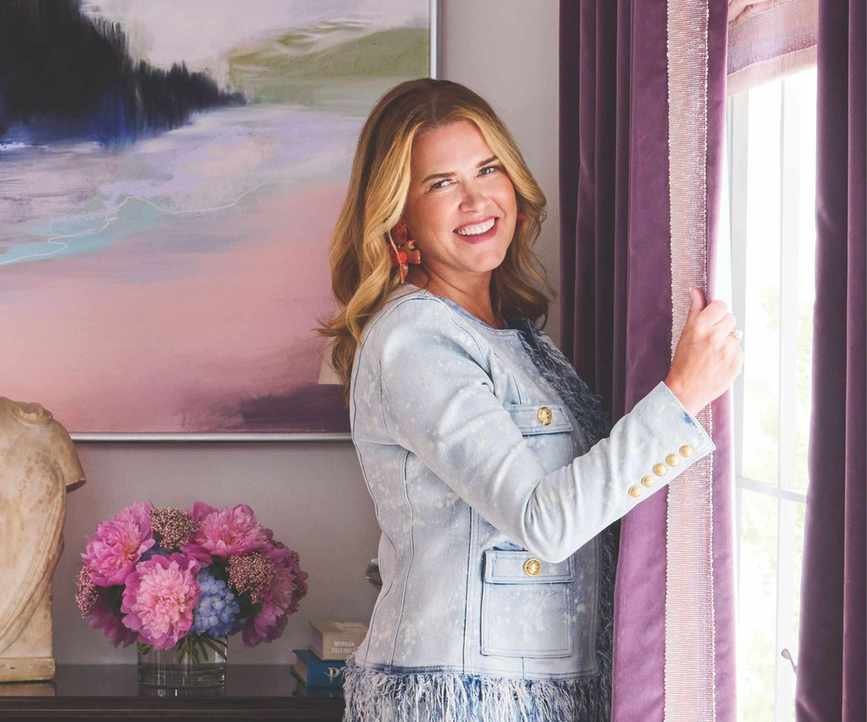
Kendall Wilkinson Design focuses on creating spaces that are both beautiful and functional, adapting to each client's unique style.
4. Introduce Bold Colors and Patterns
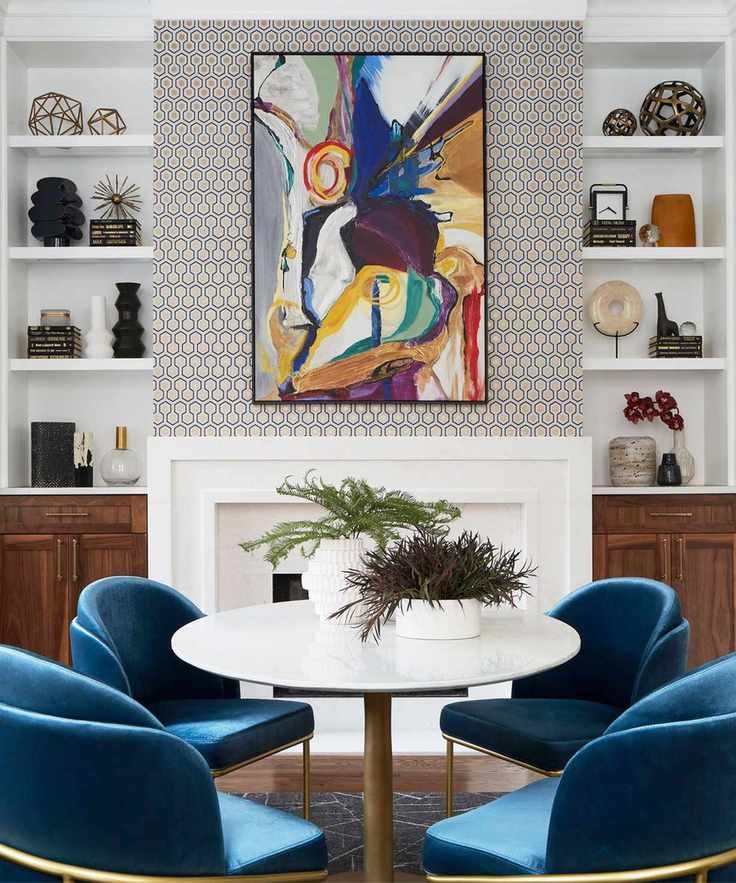
When revamping a space, consider how existing items can enhance the overall design. Designer Mark Schubert emphasizes the importance of contrasting elements, using strong shapes and colors to create a cohesive look.
In a recent kitchen project, he integrated a bold wall covering to unify the contemporary furniture with the room's traditional architecture, showcasing how patterns can bridge different styles.

Mark leads Phillip Harrison Interiors, focusing on innovative designs that blend various elements for a harmonious aesthetic.
5. Reflect Original Features in Modern Design
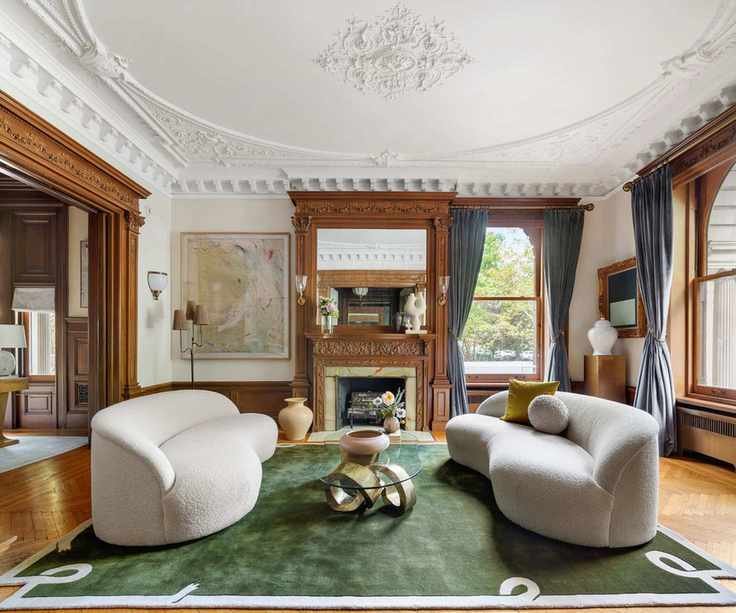
Balancing a home's striking architectural details with contemporary furnishings can be challenging. Jason Saft of Staged to Sell Home expertly navigated this in a Brooklyn mansion, integrating modern pieces while respecting the original design.
By lightening the dark wood paneling with neutral tones and introducing sculptural furniture, Jason created a space that feels both timeless and inviting, appealing to a broader audience.
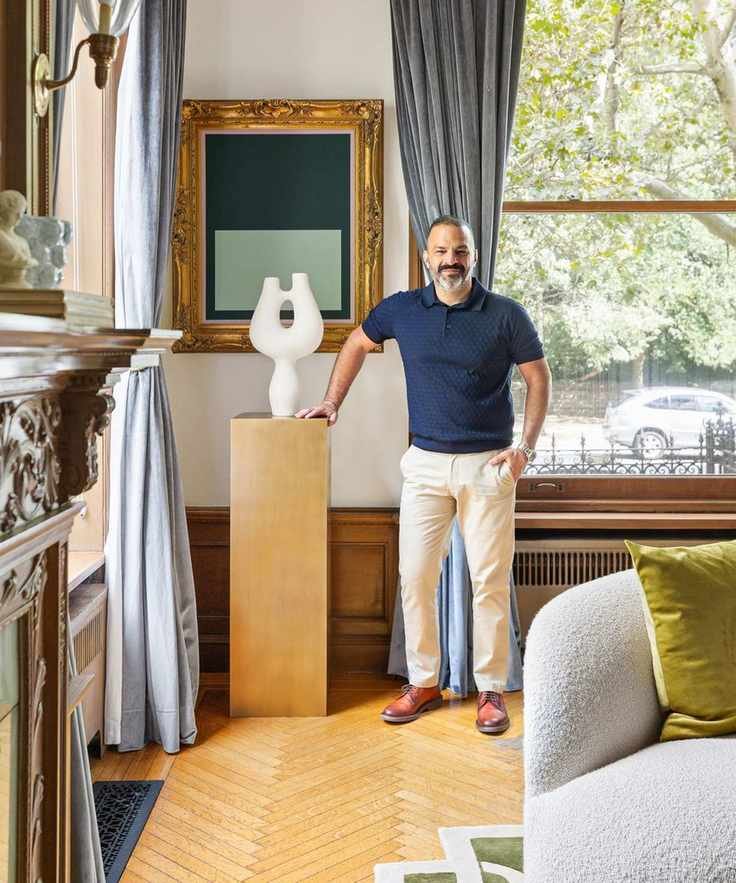
Jason specializes in transforming spaces to maximize their potential and market appeal, utilizing nearly two decades of experience.
6. Use Artworks to Add Character
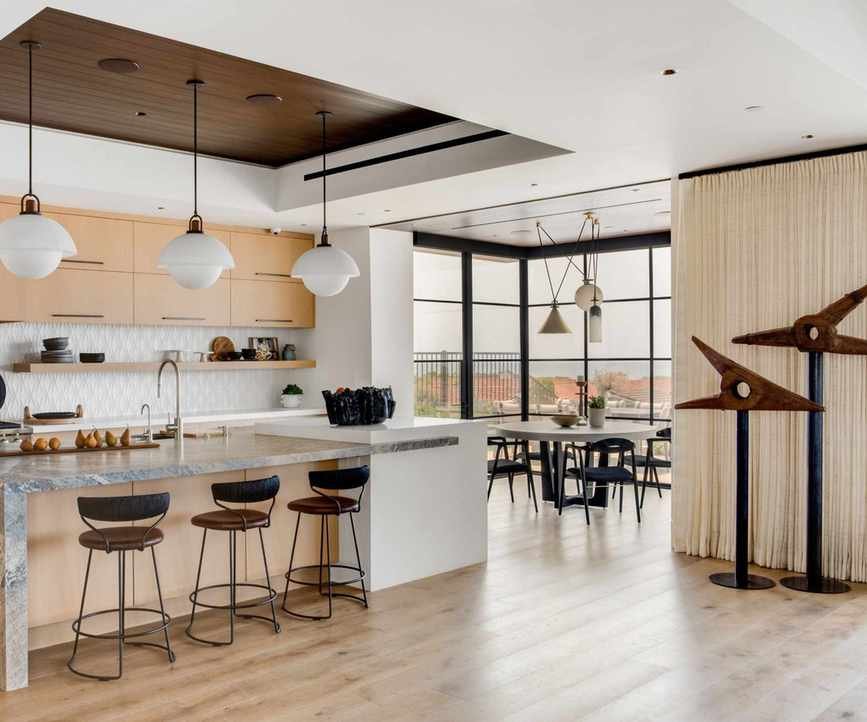
In modern, open spaces, integrating traditional elements can create depth and warmth. Denise Morrison of Morrison Interiors suggests incorporating classic accessories to enhance the narrative of a room.
A vintage wood sculpture in a contemporary setting adds authentic charm, illustrating how transitional design fosters balance and elegance.

Denise's design philosophy emphasizes tension between styles, creating unforgettable spaces.
7. Showcase Old and New in the Foyer
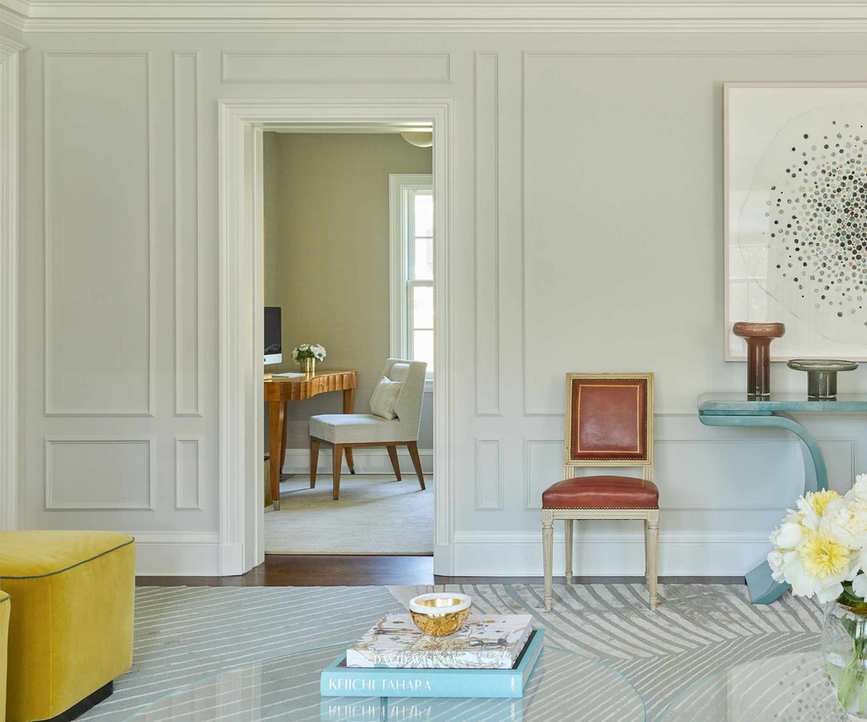
Hallways provide a perfect opportunity for transitional decorating. Combining modern and traditional pieces can create a memorable first impression.
Designer Michelle Morgan Harrison paired Louis XVI chairs with a sleek modern console table, achieving a stunning contrast of styles that enhances the entrance's appeal.

Michelle and her team at Morgan Harrison Home specialize in crafting environments that reflect each client's personal style.
8. Combine Modern Upholstery with Antiques
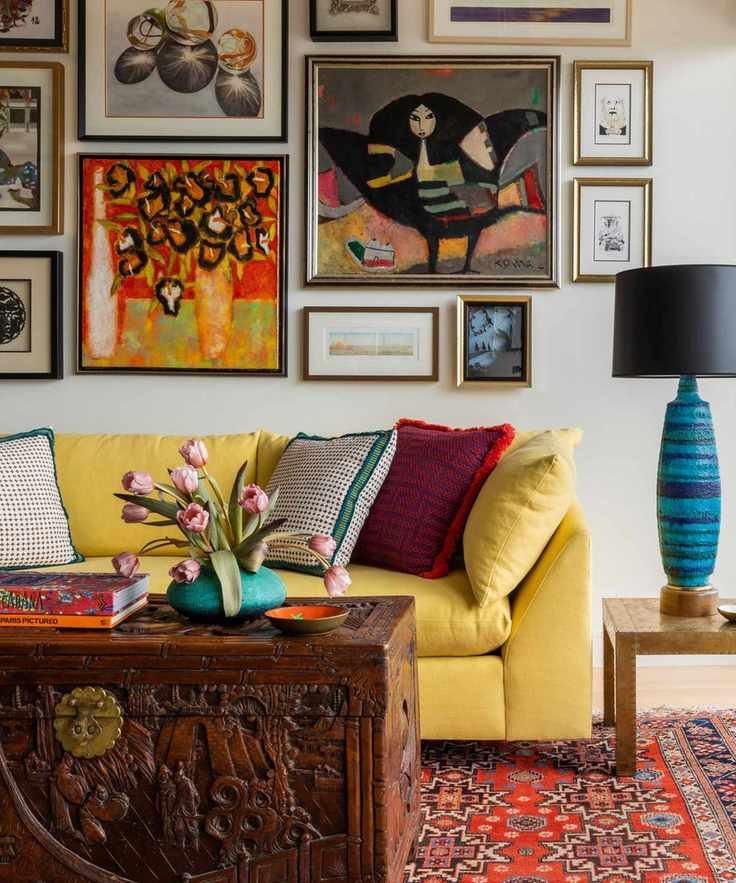
Pairing bright modern upholstery with classic antiques can revitalize a room. Designer Emily Spanos loves to blend contemporary pieces with traditional elements to achieve a fresh yet timeless feel.
Using modern sofas alongside antique rugs and tables creates a space that feels lively and welcoming, making transitional decorating approachable and family-friendly.

Known for her colorful designs, Emily Spanos expertly combines textures and patterns to create unique spaces.
Transitional decor is ideal for crafting timeless interiors. By avoiding strict adherence to one style, you can create spaces that remain stylish. Focus on pieces you love and experiment for a chic, relaxed atmosphere.



