
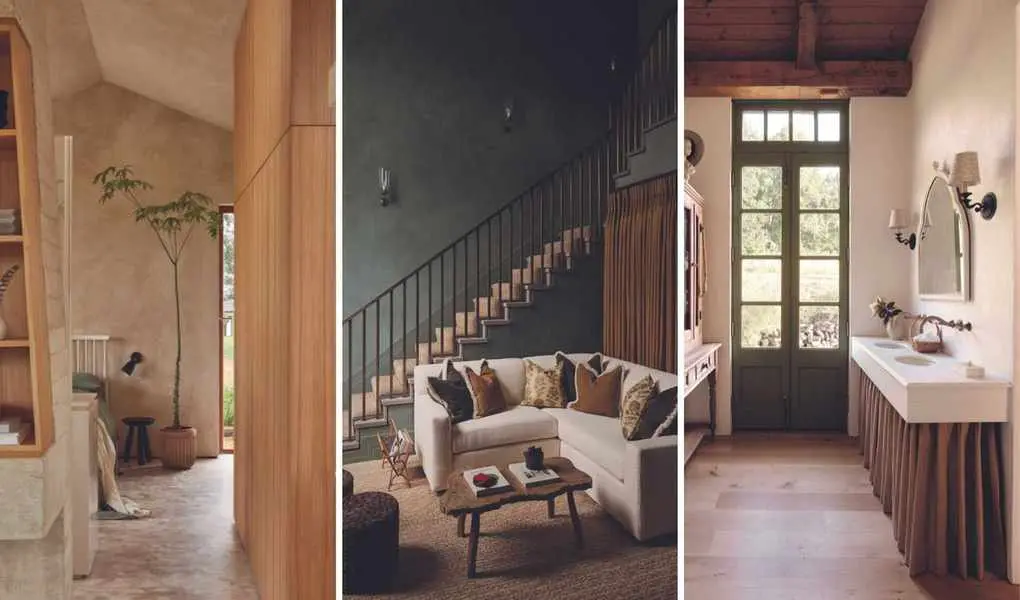
Many people crave a deep connection to the outdoors. The positive impact of nature on mental well-being is well-documented, making it a go-to for those seeking calm in their hectic lives.
This trend has led to a rise in the use of natural elements in interior design, with a focus on earthy tones and rustic textures that incorporate materials like stone, wood, and plaster.
By drawing inspiration from the beauty of nature, your home decor can transform into a timeless retreat that fosters tranquility.
9 inspiring ways to incorporate natural materials into your decor
We consulted several design experts on how they integrate natural elements into their projects and the transformative effects these materials can have.
1. Showcase Beautiful Plaster Finishes
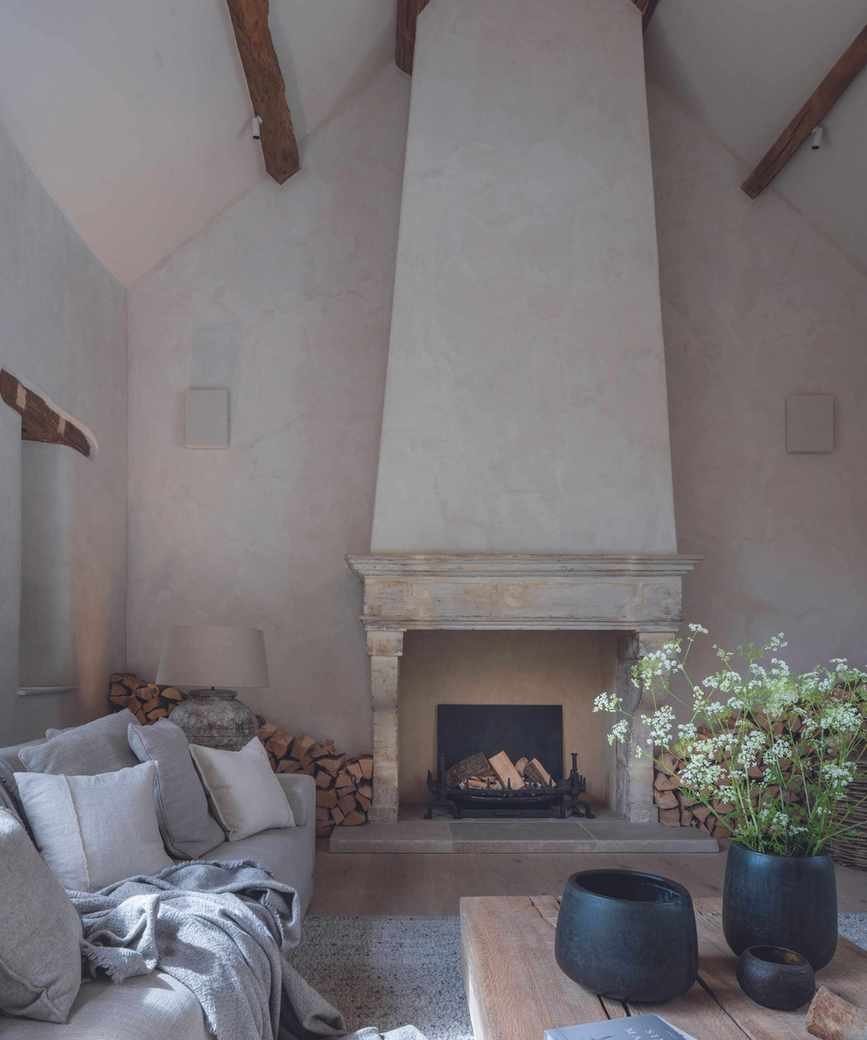
Clay plaster has been a staple in construction for centuries, and its popularity is resurging. This material not only has a distinctive finish but also serves as a sustainable alternative to traditional gypsum plaster, allowing walls to breathe and manage humidity.
Leaving plaster exposed creates a soft, muted aesthetic. Designer Janey Butler utilized a product from Clayworks in a sitting room of a historic Cotswolds barn, featuring a stunning reclaimed French limestone fireplace.
2. Opt for Antique Wooden Furniture
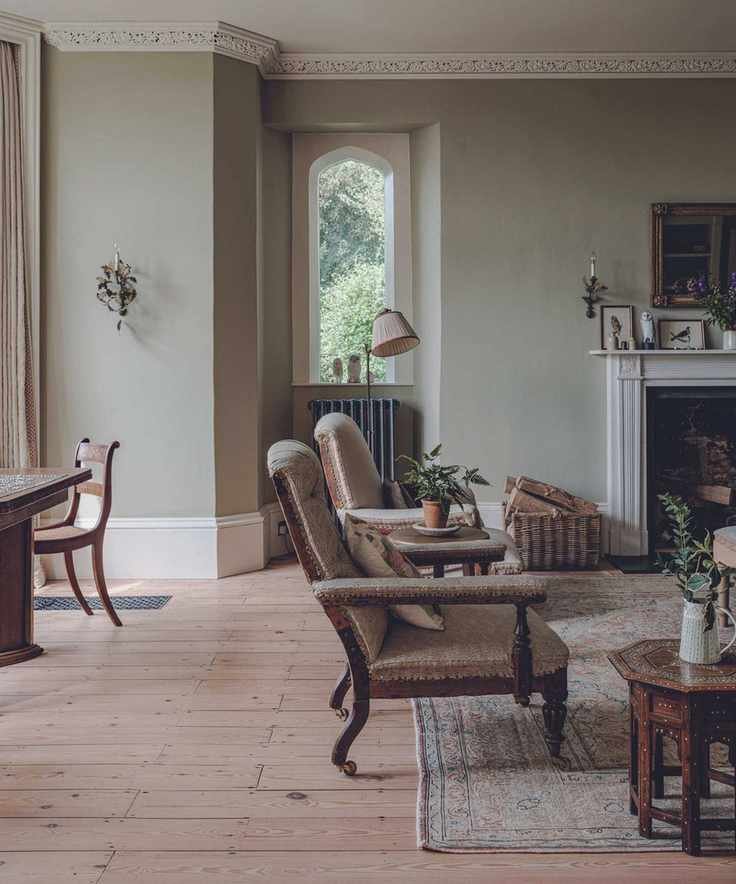
Uncovering the construction details of historic properties enhances their charm. 'The antique chairs have been restructured to highlight the craftsmanship in their upholstery,' notes designer Anna Haines, who worked on a residence near Bath.
Reflecting the house's original beauty through carefully chosen furniture is essential. A vintage Tabriz rug from Farnham Antique Carpets adds a touch of timeless elegance.
3. Use Nature-Inspired Colors
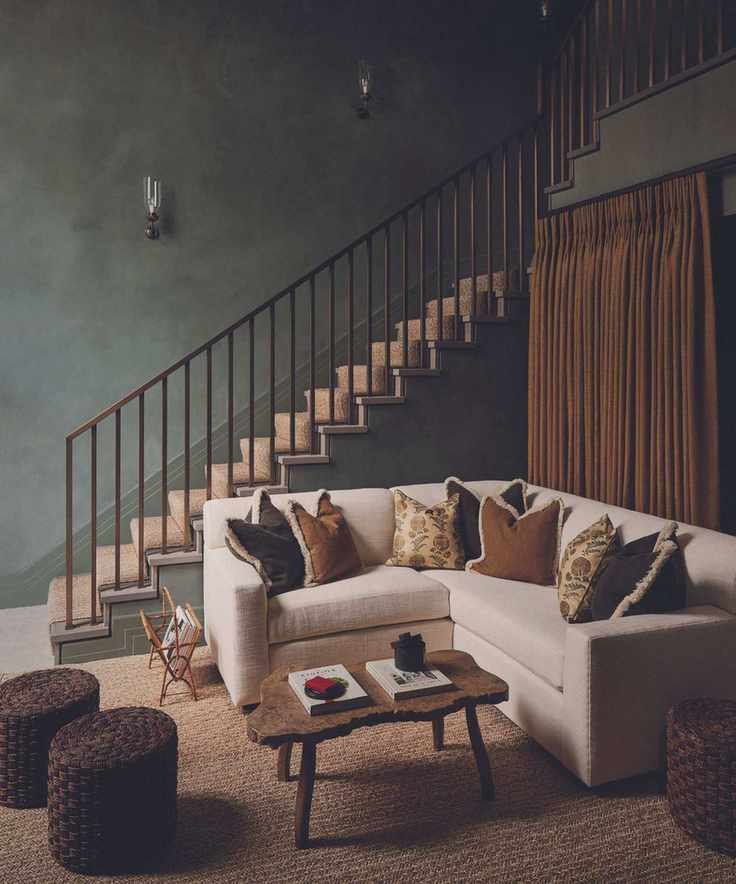
Colors derived from nature pair beautifully with furnishings made from natural materials. In a scheme by Albion Nord, earthy green walls are complemented by rust-toned curtains and cushions, creating harmony with the woven stools and linen sofa.
Creative director Ottalie Stride states, 'We prioritize texture and natural materials over vibrant colors and patterns.'
4. Feature Nature-Inspired Motifs
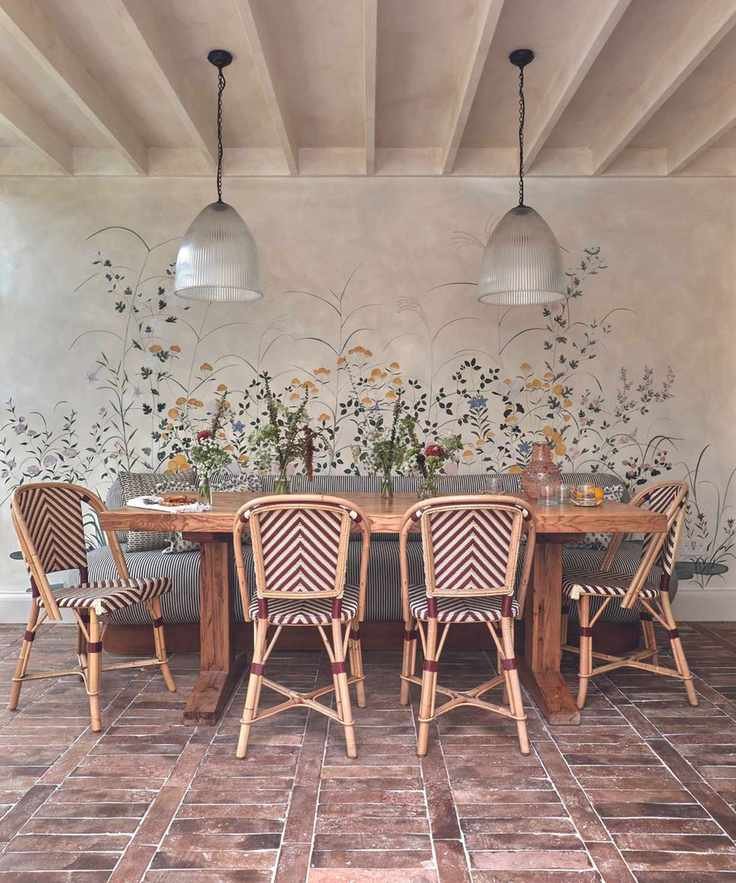
Materials like terracotta tiles and lime-washed walls enhance a natural feel. Designer Tiffany Duggan commissioned a mural by Eugenia Barrios Osborne that draws inspiration from wildflowers.
'We selected wood and rattan furniture to reinforce the connection to nature,' she explains.
5. Mix Natural and Modern Elements
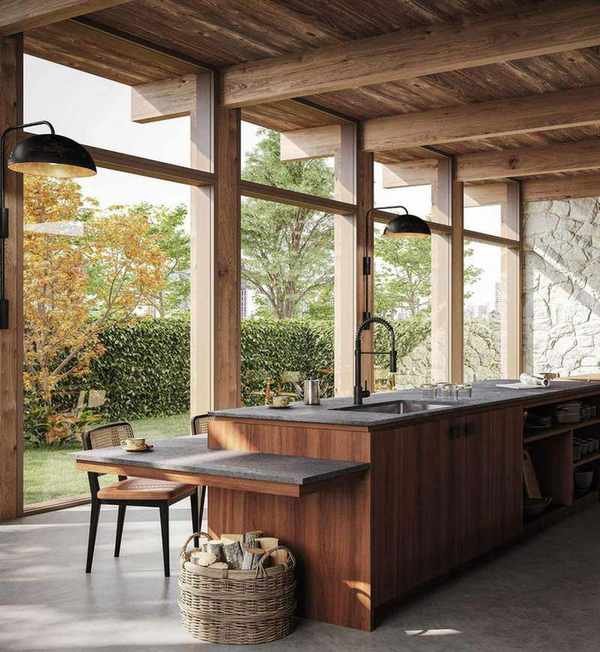
For a contemporary touch, incorporate man-made elements to highlight natural features. This kitchen by Roar Architects contrasts rough concrete countertops with warm wooden cabinetry and exposed stone walls, creating a balance of textures.
6. Layer Earthy Color Shades
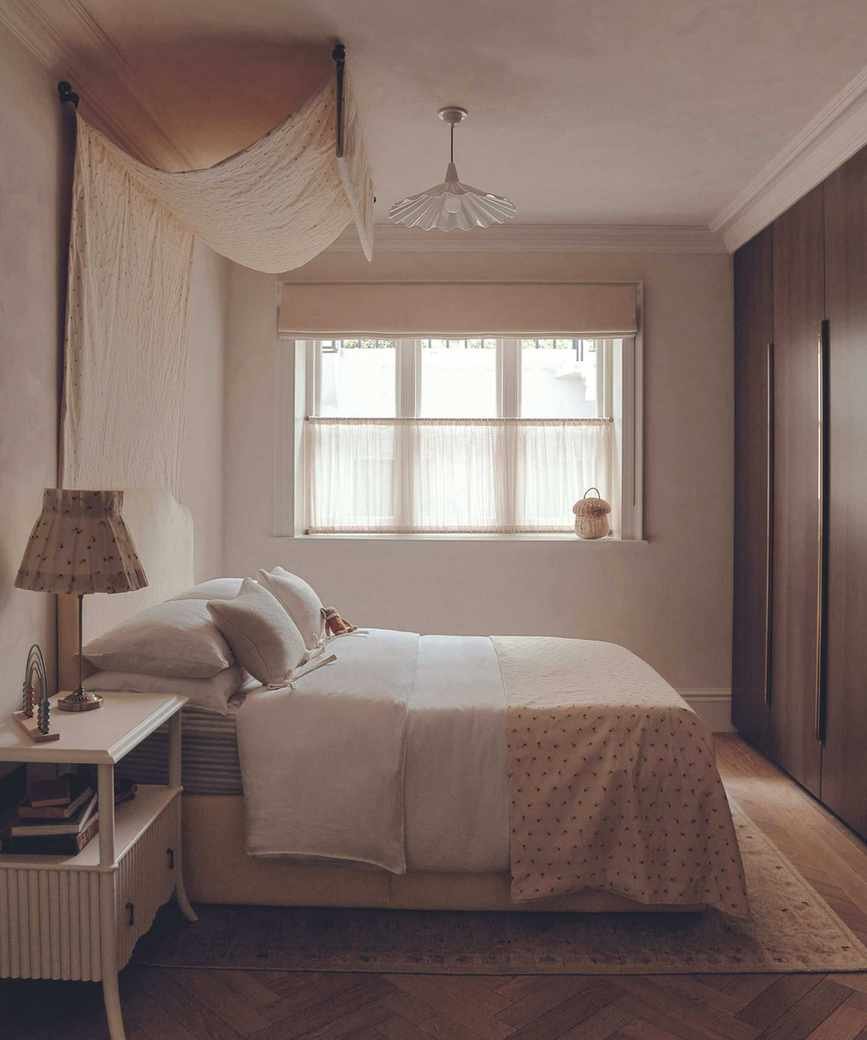
To maintain cohesion, start with a light earthy shade and progressively deepen the color. In a bedroom designed by Banda, golden sand tones are layered with deep mahogany for a grounded effect.
7. Use Bamboo Wall Cladding
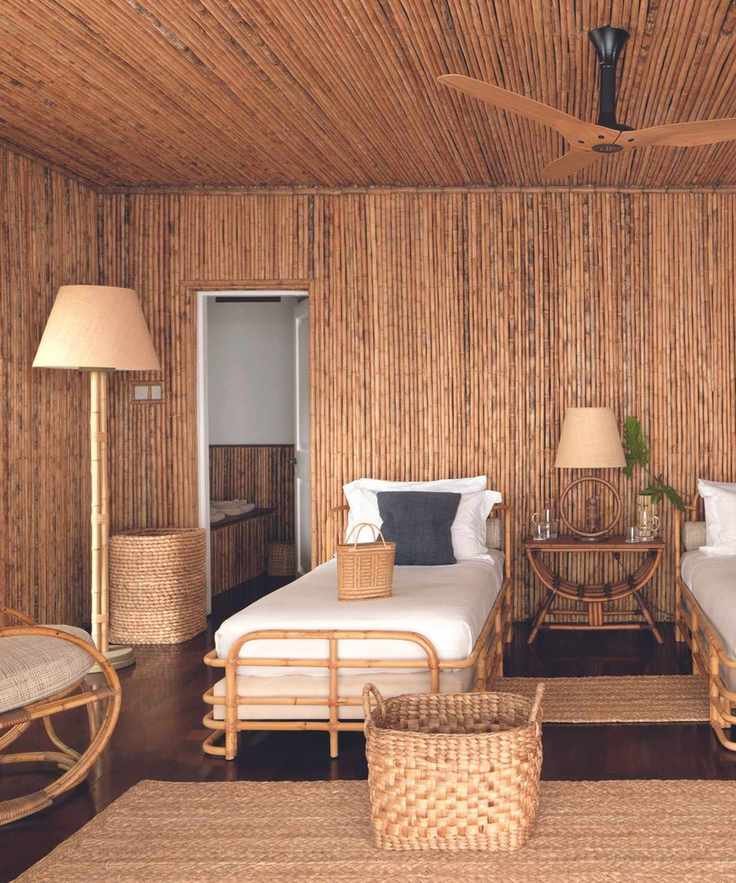
Bamboo wall cladding introduces a chic beach house vibe. This material, traditional in Caribbean architecture, adds a rhythmic texture to the room.
8. Create a Collage of Natural Materials
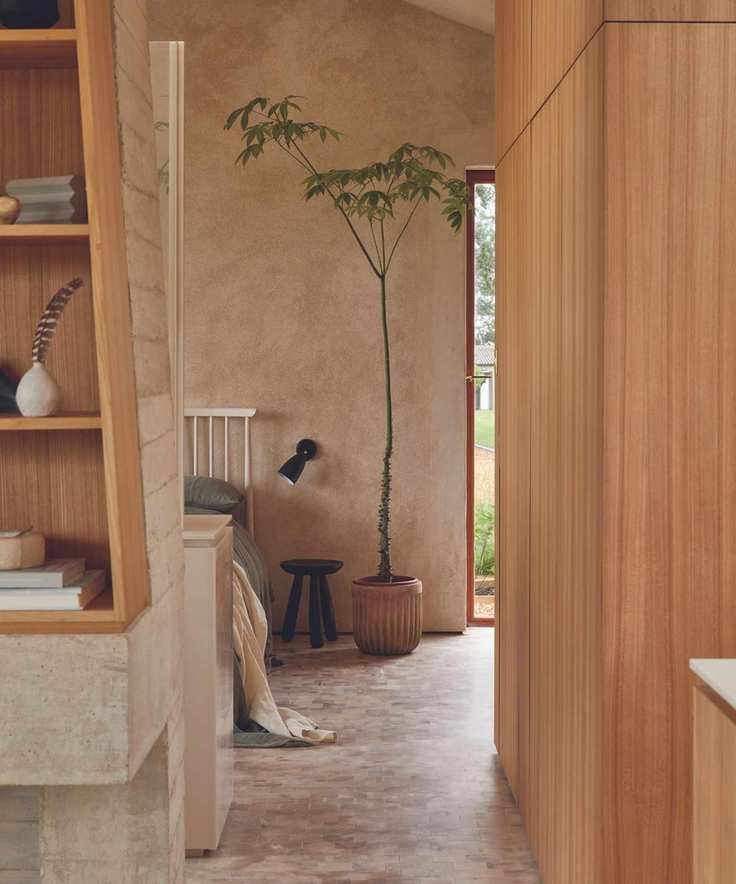
Barn conversions naturally lend themselves to designs that celebrate natural materials. An architectural studio designed a retreat that deeply connects with its surroundings, featuring a neutral palette that blends seamlessly with nature.
9. Combine Different Wood Types
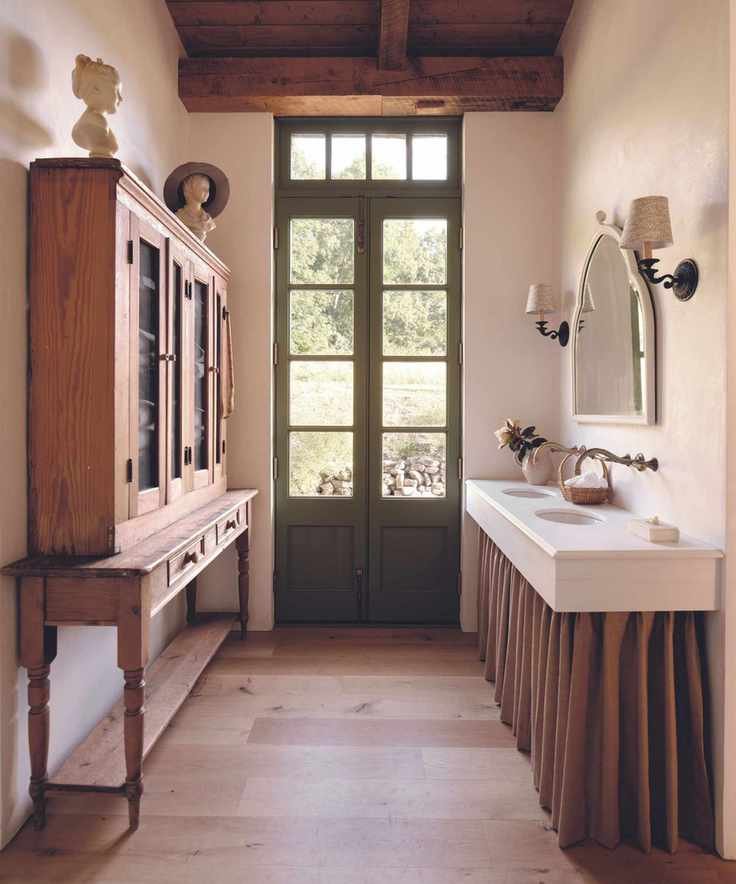
Incorporating various wood types adds depth and intrigue to a design. In her bathroom, designer Trinity Shay used a vintage dresser to highlight the natural beauty of timber throughout the house.
Incorporate surprises, like green doors, to enhance the outdoor feel.
Bringing the beauty of the outdoors into your home enriches your environment and promotes a sense of calm. Natural colors and textures harmonize effortlessly, making it simple to create a peaceful and inviting atmosphere.



