
We all dream of traveling again someday. In the meantime, let's focus on saving funds for those exciting journeys ahead. Honestly, when the time comes, I'll be traveling non-stop! Over the past year, I've implemented nearly all the tips below to stash away cash for future trips. It's been challenging financially for many, including myself, but no matter your situation, these strategies can assist you in saving for what truly matters!
1. Review Your Bills
During my travels, I discovered the slowest internet isn't in remote countries but in my own hometown in South Carolina, where I spent the pandemic. When it became clear I wouldn't be traveling soon, I checked my parents' phone and internet bill and found they were paying $15/month for an unnecessary static IP. A quick call to the provider saved them $40/month, resulting in $480 a year. (Unfortunately, our internet speed remains painfully slow, as we already had the fastest option available.)
Every couple of years, it's wise to review your monthly bills for unnecessary charges and explore better or cheaper plans as options often change. A polite call to your provider can yield surprising savings! I saved $20/month by switching to a prepaid plan. To tackle the slow internet, I upgraded my plan for just a $3/month increase, gaining seven times the data.
2. Sign Up for Cash Back with Rakuten
Rakuten is a fantastic site and browser extension that rewards you with cash back when shopping at over 2,500 retailers, including popular brands. Just click through their site or use the browser extension to get alerts on cash back offers. Cash back typically ranges from 1-12%, with higher rates during holidays. Every quarter, I receive my cash back directly into PayPal. (I earned $44.68 last February!) Given the rise in online shopping, Rakuten is a game-changer. Plus, you can snag $30 just for signing up and making a $30 purchase! Claim your $30 here!
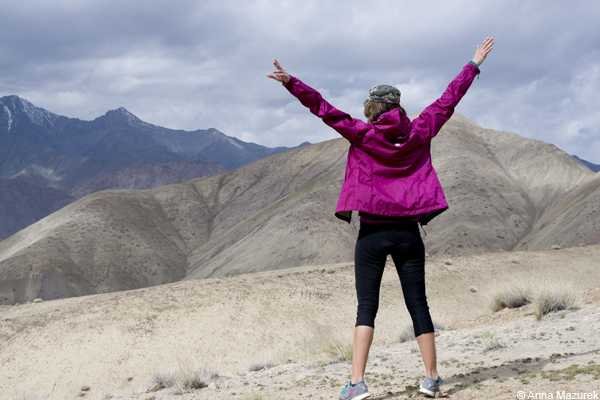
I scored this $100 Marmot raincoat for $50 at REI. When the lining ripped, they replaced it for FREE. I'm loyal to them for life. (Photo location: Ladakh, India)
3. Leverage Warranties
In my book, I emphasize the value of investing in quality products with long-term warranties. This applies not just to travel gear but also to home essentials. For instance, my parents' faucet started leaking last summer, and after contacting Moen, they sent us a $150 replacement part free of charge due to their lifetime warranty. This builds brand loyalty, and I continue to support Osprey Packs, Patagonia, Apple, and Marmot for their reliable gear and great warranties. They've all repaired or replaced my items at no cost.
When something malfunctions, do a quick online search for warranty details. A friendly email with a photo of the issue can often lead to help. Keep an organized folder for receipts in your email for easy access.
4. Cancel Unused Subscriptions
Subscription services can be beneficial for businesses, but they can quickly drain your finances. When reviewing your monthly expenses, watch out for recurring charges. If you haven't used your gym membership in ages, it's time to cancel! Many people know they're paying for services they don't use yet hesitate to act. I've heard this from friends ever since I released my book! I only subscribe to three services—Apple Music and two newspapers.
Remember, libraries still exist and offer ebooks and audiobooks for FREE through apps like Hoopla, Libby, and Overdrive. Some films are included, too!
5. Sell Unneeded Items
For the first time in years, I fully unpacked my belongings and decluttered my childhood room. I donated unwanted items and sold the rest on eBay and Poshmark, a platform for clothing and accessories. In the last six months, I've made around $478.99 selling everything from my old Hard Rock Café shot glasses to high school jewelry. If you haven't taken the opportunity to declutter during this time, now's the moment to earn some extra cash!
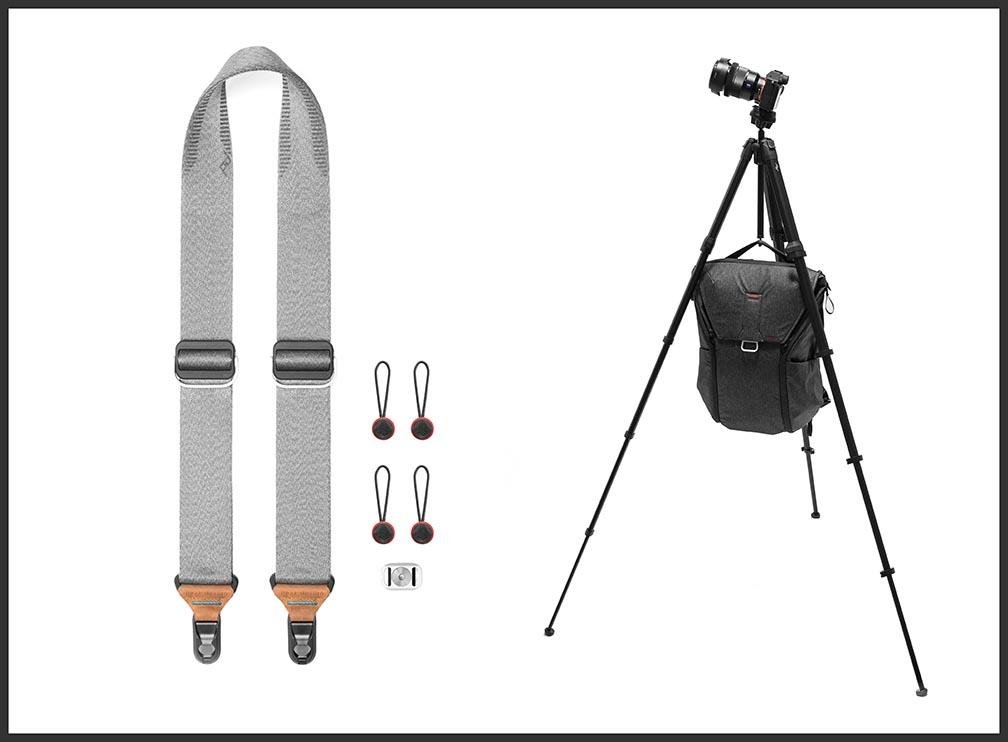
Peak Design produces outstanding camera straps (left). I just purchased their compact travel tripod, which collapses to the size of a water bottle, using their education discount. They're one of the top brands for camera accessories. Photo credit: Peak Design
6. Discounts for Students, Teachers, and Military
My dad and I spent a lot of time remodeling my parents' home ourselves—removing old carpet, installing new flooring, repainting, and more. We saved significantly by handling it ourselves and utilizing my dad's 10% military discount at Lowe's! (We paired this with Rakuten cash back by ordering online for curbside pickup!)
Many retailers offer discounts for students, educators, and military personnel. If anyone in your home qualifies, take advantage! Most retailers post their discounts on their websites, and verifying eligibility is usually as simple as providing an email address or proof of service.
As a part-time university instructor, I access numerous discounts on newspaper subscriptions, Apple Music, clothing (Banana Republic, J. Crew, H&M), and even camera gear! (I just discovered that both B&H Photo and Peak Design offer education discounts!) Even Amazon Prime has a discounted version for students! Check out sites like ID.me and myunidays.com for a wide range of discounts.

Warby Parker transformed my experience last year with their $125 frames and lenses. (Affordable options were previously hard to find for my strong prescription!) I adore the Daisy frame, which I captured in the photo above on my nightstand.
7. Explore Warby Parker If you have perfect vision, skip this section. I've worn glasses since childhood, and my right lens has always been thick, leading to teasing in school. I switched to contacts in high school, but rarely wore glasses again after that. Years later, I learned about thinner lenses, but they were pricey, so I only replaced glasses every 5-10 years.
When the pandemic hit, my prescription was expiring, so I tried Warby Parker. Unlike Target, which charges $350 ($250 for thin lenses and $100 for the cheapest frames), Warby Parker only charges $125 for stylish frames and thin lenses (Daisy model). For the first time in my life, I feel confident in glasses and saved $225! I can't recommend them enough. If your prescription doesn't require thick lenses, check out Zenni for affordable options.
8. Consider the Buy Nothing Project
I despise clutter and waste. Travel has made me embrace minimalism. During my decluttering, I focused on giving away items to help others. While I haven't participated yet, I find the Buy Nothing Project intriguing. It's a series of local Facebook groups where individuals share what they need or wish to give away. It's worth exploring!
9. Check Out REI's Used Gear Program
9. REI Used Gear Program
I recently learned about this fantastic initiative. Last October, REI launched their used gear program. By selecting "excellent condition," you often receive like-new items returned by others at 50% off. REI members can trade in old gear for store credit, promoting sustainability and reducing waste! If you need gear for your travels, this is an excellent place to start!
Disclaimer: Some links included may be affiliate links. If you make a purchase, I earn a small commission at no extra cost to you, which helps maintain this blog. I only endorse products and brands I genuinely love. Please reach out to info@savinghunt.com with any questions.
Looking for more budgeting tips?

In my book, Good With Money, I share valuable financial insights from the 2008 recession that helped me weather the economic challenges brought on by the pandemic, during which I lost 80% of my work. (Turns out, pandemics and global recessions aren't great for travel photographers! haha!) These lessons remain relevant during our current financial climate and can prepare you for any future downturns. Your savings will be your safety net. Don't delay in organizing your finances!