

Moving into a newly constructed home often leaves one with a sense of emptiness: bare walls, stark windows, and a lack of focal points. Similarly, renovating a space without original features can feel equally uninspiring. Until you introduce unique details, a room may feel incomplete. Adding architectural elements can enhance both aesthetics and home value.
Wondering where to begin? Here's how to infuse architectural charm into a room lacking character. We consulted interior designers for their insights, ranging from simple updates to more involved renovations.
Ways to Add Architectural Charm to a Room
Start by identifying what's missing in your space. Key elements typically absent include fireplaces, decorative moldings, trim, millwork, and built-in cabinetry. Beyond structural details, various quick fixes can also create engaging focal points.
Explore our designers' innovative ideas for structural changes and decorative touches below.
1. Embrace the Blank Canvas

Begin by examining the room you wish to enhance. Even the most bland areas often possess redeeming qualities. Look for smooth walls ideal for wallpaper or paint, which can be a great starting point as you layer in decor. LA designer Tancred Vilucchi emphasizes making the most of existing features—repurposing items can add charm. He suggests mixing different finishes and styles to elevate a space's overall atmosphere.
In a family room by Maison Vilucchi, an unusual architecture was complemented by a newly installed fireplace, making the most of an awkward space, while a vibrant striped rug brought a playful element.
2. Install a New Fireplace for a Striking Focal Point

A fireplace can define a room's character. In both new and older homes, adding a traditional or modern fireplace instantly injects personality. Ensure the installation is done by professionals, especially if it involves a flue. The investment pays off in architectural charm.
Designer Gillian Segal crafted a stunning mantel from 22 marble cuts, making it a captivating focal point. Other options for focal points exist, but a striking centerpiece is essential to draw attention in a room.
Vancouver designer Erica Colpitts advises ensuring at least one impressive focal point to create a cohesive design. It can be a fireplace surround, intricate cabinetry, or a standout millwork piece that grounds the design and makes the space feel complete.
3. Enhance Ceilings, Moldings, and Millwork

Moldings and ornate plasterwork historically defined spaces, enhancing proportions and aesthetics. Architect Nadia Palacios transformed a neutral kitchen with eye-catching ceiling details. She noted that ceilings are often neglected but can provide continuity to wall architecture. They can significantly enhance a room's scale and proportion.
Interior designer Lauren Lerner recommends adding moldings, ceiling trim, and built-ins, stating these upgrades can instantly enhance a room's architectural appeal. Simple installations like crown moldings and chair rails add depth and sophistication.
Vani Sayeed emphasizes that even basic trim can introduce elegance and definition to a space.
4. Explore Transitional Design

Transitional design merges old and new styles, bridging the gap in featureless spaces. This can include traditional features like period-style fireplaces or incorporating antiques alongside contemporary pieces. Vintage chandeliers above modern tables create striking contrasts.
Erica Colpitts notes that modern elements can shine in a traditional context, providing a striking simplicity amidst classic details. Tancred also favors combining various architectural styles to cultivate intriguing interiors that tell a story.
5. Create Archways and Openings

Creating new vistas with archways or columns can enhance a space lacking architectural charm. This technique invites exploration and breaks up monotonous lines. Fitore Syla often employs artistic divisions, like arched doorways, to create dynamic flow and add depth to a room.
6. Use Soft Furnishings and Window Treatments

Layering soft furnishings and window treatments is crucial when building an inviting room. Luxurious drapes can provide warmth and character. Vani Sayeed points out that many overlook the importance of drapery, which adds softness and personality beyond simple blinds.
In a California home, designer Benjamin Dhong layered fabrics to give life to an otherwise dull space.
7. Pay Attention to Small Details

Introducing well-designed hardware can significantly enhance a featureless room. Upgrading cabinet handles, faucets, and doorknobs can refresh your home. Tancred notes that refined hardware can elevate a space's overall atmosphere, while Erica highlights the charm of handcrafted items.
8. Use Furniture and Decorative Objects to Revitalize a Room
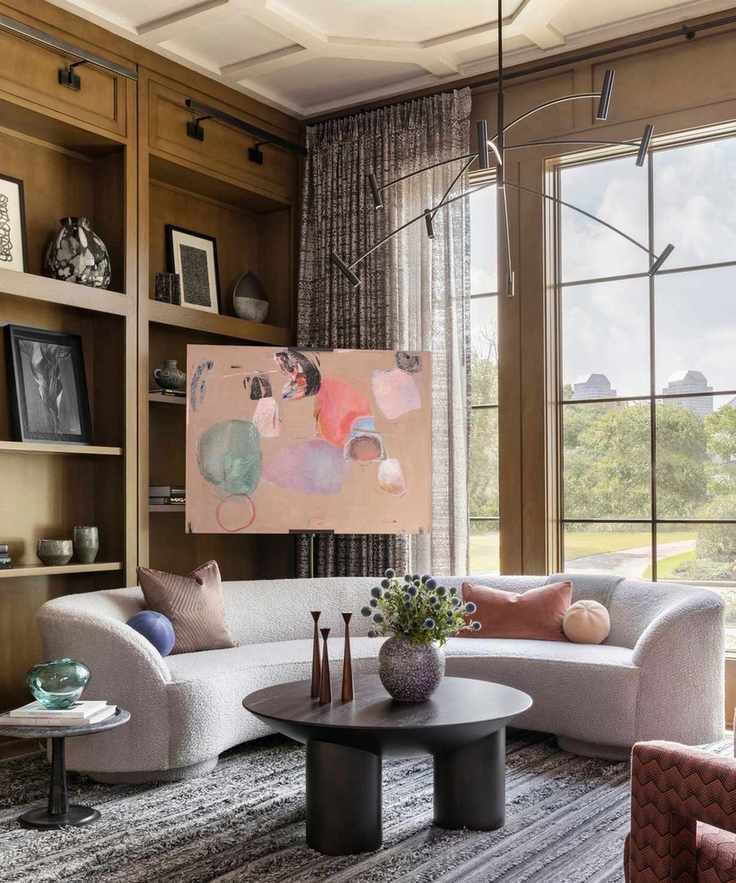
Unique furniture choices can enliven a bland space. Benjamin Johnston filled his living room with curvilinear furniture and decorative objects, creating visual interest where there was none. Artwork displayed on easels can also break up flat walls effectively.
9. Inject Character with Color, Decor, and Lighting

Being creative with color and lighting is essential in rooms lacking charm. Thoughtful color application can transform the room's mood, while striking wallcoverings add character. Ksenia Mezentseva emphasizes the importance of color theory in choosing palettes that enhance space.
Tancred suggests using standout wallpaper to create a cohesive story throughout the design. Additionally, well-placed lighting can elevate ambiance; statement fixtures can make a room feel inviting. Fitore also focuses on unique wall lights as unexpected design features.
Combining various light sources creates depth, and with thoughtful decor, you can breathe life into a blank space, adding much-needed charm.



