
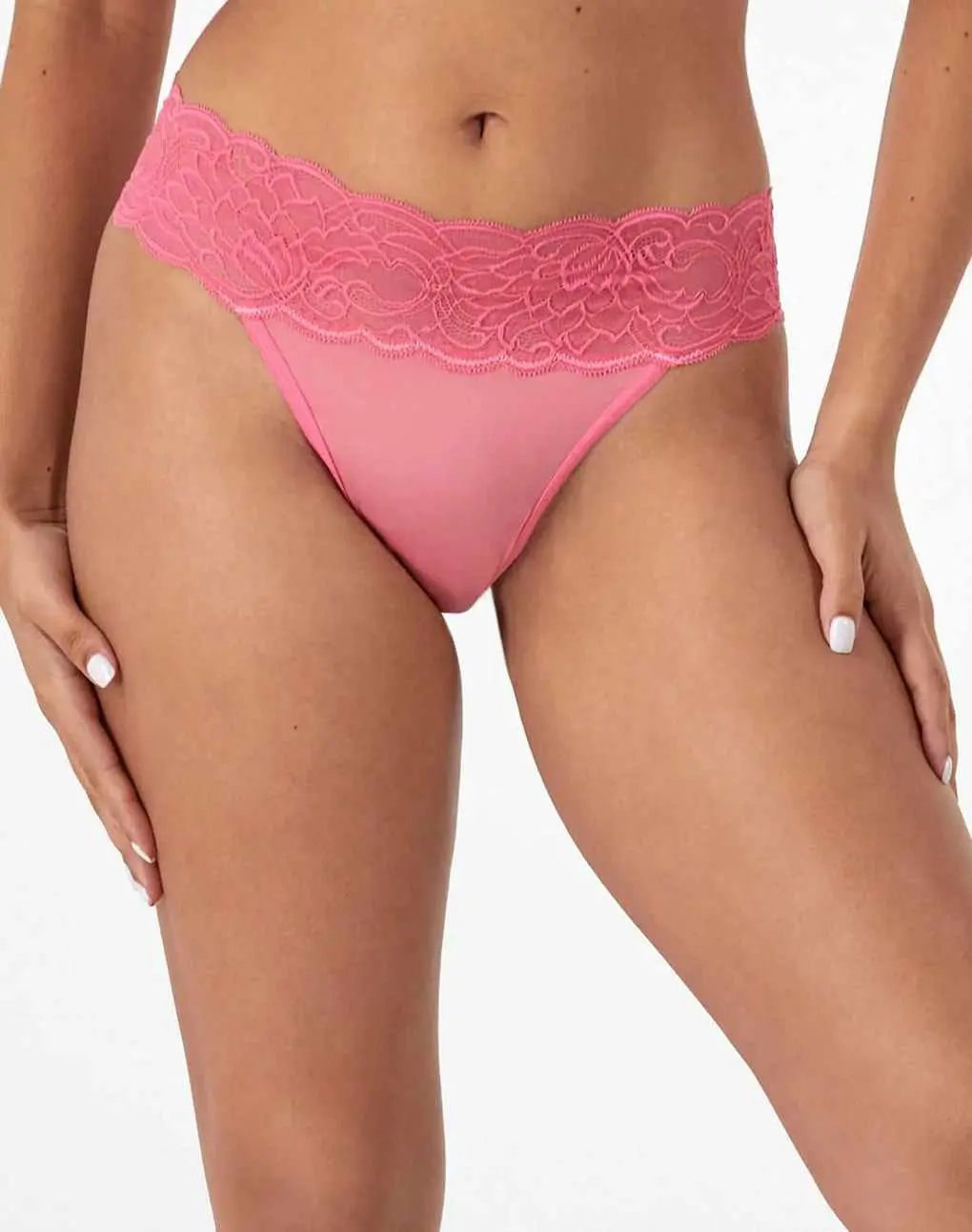
Many people wonder if thongs are genuinely comfortable or merely a fashion necessity. If you've ever worn one and quickly discarded it, you're not alone. Yet, others rave about their comfort and ease, suggesting the truth lies in personal preference and adjustment.
This article explores what makes thongs comfortable, from fabric choice to the importance of fit. Whether you're trying thongs for the first time or revisiting them, you'll learn what to seek and what to avoid.
Are Thongs Actually Comfortable?
Comfort with thongs largely hinges on individual preferences and how quickly you adapt. Some wearers find seamless cotton thongs forgettable after a brief period, while others feel the fabric's presence. Your comfort level is subjective. A well-fitted thong should neither be too tight nor too loose, ensuring both comfort and confidence.
For instance, a woman transitioning from bikini briefs to seamless stretch-cotton thongs in 2024 found them to be a revelation. She no longer had to adjust her underwear under tailored trousers—just smooth, flat clothing. Many women share similar experiences once they discover their ideal fit, leading them to become devoted thong fans.
Today's thongs have evolved from their early 2000s reputation. Modern materials include soft microfiber, breathable modal, and stretchy cotton blends designed to feel like a second skin. The discomfort of past thongs is largely a thing of the past.
Ultimately, thongs can be comfortable for many, provided you find the right size, material, and style. If shopping online, measure your waist and hips according to the brand's size chart to ensure a proper fit. It's all about knowing your preferences, not forcing yourself into a style that doesn't suit you.
For daily wear, consider the Everyday Thong in Sky Blue made from breathable cotton spandex. Bendon's All Lacey Thong merges style and comfort with soft stretch lace, while Evelyn & Bobbie's High-Waisted Thong is so soft that wearers often forget they're wearing it. The Bendon Stretch Cotton Thong combines chic design with comfort, featuring lace trim to minimize panty lines. The ComfortStretch Thong by ThirdLove is crafted from lightweight fabric that conforms perfectly to your shape, while the SKIMS Fits Everybody High-Waisted Thong offers a vast range of colors. Aerie's Superchill No Show Cotton Thong is ultra-light and stretchy for a barely-there feel. Lastly, Spanx's Fit-To-You Thong is made from breathable nylon-elastane that stretches considerably to accommodate various body types.
What Is a Thong, Exactly?
Thongs come in various styles, and understanding these differences is key to comfort. A classic thong has a back strap that’s about half an inch to one inch wide. In contrast, a G-string has a minimalistic string or cord at the back. Tangas offer more side coverage, making them a good choice for those new to thongs. Cheeky thongs provide slightly more back coverage while still minimizing visible lines. High-waisted thongs sit above the hip bone, pairing well with high-rise jeans or shapewear, often featuring a thicker waistband for added support.
Choosing the right thong style for your body shape is crucial for optimal comfort.
Historically, thongs were linked to certain perceptions, primarily seen as suitable for young, slim women, which shaped their acceptance.
Compared to other underwear styles, thongs minimize fabric between you and your clothing. Briefs offer full coverage and sit at or above the natural waist, while bikinis provide moderate coverage at a lower rise. Boyshorts extend down the thigh and cover the full buttocks. Each panty style can shift or bunch under fitted clothing, a problem thongs largely solve.
Why Do People Wear Thongs?
Thongs serve both practical and aesthetic roles, explaining their sustained popularity from the early 2000s to the present. Many women wear thongs to avoid visible panty lines, especially under fitted clothing. They're ideal for yoga pants, bodycon dresses, tailored trousers, and more—essentially any outfit where traditional underwear might create noticeable outlines.
The versatility of thongs keeps them in regular rotation. They fit well under tight jeans without bunching, under lightweight dresses, and gym leggings for those who prefer them over going commando. For formal wear, a nude seamless thong is often a go-to choice. Once you find styles that suit your body, thongs can accommodate most outfit scenarios.
Are Thongs Comfortable for Daily Wear?
The truth is, thong comfort varies widely. Just like shoes and bras, what feels great on one person might be uncomfortable for another. The good news? Comfort often improves with understanding your preferences.
When walking, the right thong should move with you, avoiding any pulling or digging. While sitting, it should remain in place without creating pressure points. If discomfort occurs in either scenario, the fit or style may not be right for you.
Key Factors for Comfortable Thongs
Thong comfort hinges on four main factors: fit, fabric, style, and your ability to adapt. Nail these aspects, and you may discover a new favorite underwear type. Get them wrong, and you’ll reinforce negative stereotypes about thongs.
1. Fit: How a Thong Should Fit
Many who believe they dislike thongs may simply be wearing the wrong size. An ill-fitting thong can dig, shift, and cause discomfort. A well-fitted thong should feel secure without pinching.
The waistband should lay flat against your hips without rolling or leaving deep marks. Opting for a thong with a thicker waistband can enhance support and prevent rolling, providing a more stable fit. If you notice red marks after a few hours, it's too tight. The waistband should stay in place during regular movement without constant adjustments.
2. Fabric: Choosing the Right Material
Fabric can make the difference between comfort and irritation. For everyday wear, breathable materials like cotton, modal, and bamboo are ideal. Cotton is soft, moisture-absorbing, and allows air circulation. Modal, derived from beech tree pulp, offers a silky, breathable feel. Bamboo fabric is naturally antimicrobial and gentle on the skin.
Even if the outer material is synthetic, ensure a cotton gusset for breathability and moisture management, as synthetic gussets can lead to irritation during extended wear.
3. Style: Selecting the Right Thong for Your Body
G-strings with their ultra-thin back straps provide maximum invisibility under tight clothes, but they can dig in, especially for those new to thongs. This concentrated pressure might not be comfortable for everyone.
High-waisted thongs, which sit above the hip bone, work well under fitted dresses and high-rise jeans, offering a smoother line from hip to thigh. For example, the Evelyn & Bobbie high-waisted thong (often referred to as the Bobbie thong) is favored for its supportive design and seamless fit, making it a great choice for those seeking both comfort and coverage.
4. Acclimating to the Sensation
Even with the perfect fit and fabric, wearing a thong for the first time may feel unusual. This is normal as your body adjusts to the new sensation.
Health, Hygiene, and Safety: Are Thongs Harmful?
There's a widespread belief that thongs pose health risks. However, for most individuals, wearing properly fitted, breathable thongs is safe. Health concerns often relate to specific situations rather than thongs in general.
Change your underwear daily, especially in hot weather or after workouts, to maintain skin health. Sitting in sweaty underwear for long periods, regardless of style, isn't ideal. If you exercise, bring a fresh pair to change into afterward. Regularly replacing underwear is also crucial for hygiene.
When Thongs Feel Great vs. When They Don't
On days with moderate temperatures and normal activity, a well-fitted cotton thong can feel virtually unnoticeable. Many women wear thongs comfortably for full 8-hour workdays, especially with a mix of sitting and standing.
However, long flights, intense gym sessions, and extremely hot days can make thongs less comfortable. In these cases, more fabric may prove beneficial when dealing with friction or moisture.
A good rule: thongs are best when you’re moving and changing positions but not when stationary for extended periods, in high-friction conditions, or during menstruation.
How to Select a Comfortable Thong
Finding a comfortable thong involves strategy, but the effort is worthwhile. Start with everyday options rather than the most extravagant styles. A mid-rise seamless thong in stretchy cotton or microfiber is a great initial choice. Neutral colors like black or nude work well under most clothing. Save bold styles for later.
Consider building a small “thong capsule wardrobe” to meet various needs. Aim for three to four everyday pairs in breathable materials for work and casual wear, plus a few lace or satin options for special occasions. This way, you can avoid forcing a fancy thong into daily wear.
Price matters, but not as you might expect. Inexpensive thongs often use low-quality fabrics that can irritate. Conversely, high-priced does not guarantee comfort. Mid-range options from reputable brands typically offer good quality, fabric, and durability.
Tips for First-Time Thong Wearers
Try wearing your new thong at home on a low-key day rather than before an important meeting or date. This allows you to gauge comfort without being stuck in the choice for hours.
Pay attention to your body’s signals. Mild awareness of the thong is normal, but sharp pain or constant adjusting indicates fit issues. Redness or irritation upon removal suggests something isn't right.
Don’t let one uncomfortable experience define your perception of thongs. If a particular thong didn’t work, it might be the specific design rather than thongs overall. Trying different sizes, fabrics, or styles can lead you to your favorite pair.
Lingerie Collection and Thongs
A comfortable thong can change how you feel in your outfits. The right style lies smoothly beneath fitted clothing, allowing you to move confidently. For many, this comfort is what makes thongs essential in their lingerie collection. You can enjoy your day without worrying about visible panty lines.
Thongs also enhance your lingerie wardrobe’s versatility. They work well under tailored work attire, casual jeans, and flowing dresses. With a variety of styles available, finding a comfortable thong that aligns with your taste and daily needs is straightforward. Having reliable pairs means you can confidently wear any outfit without compromise.
Ultimately, including thongs in your lingerie collection is about feeling secure and confident in every outfit. For many women, this is reason enough to make thongs a staple in their daily rotation.
Pros and Cons Summary: Is a Thong Right for You?
Your comfort with thongs depends on personal priorities, body shape, and lifestyle. The best underwear is about what makes you feel confident and supported. Thongs are just one option; the right choice varies for everyone.
Conclusion: So, Are Thongs Comfortable to Wear?
If you've genuinely tried various thongs and still find them uncomfortable, it’s okay to skip them. No underwear style is obligatory. The best choice is what makes you feel secure and confident throughout your day. Whether that’s a barely-there G-string or full-coverage cotton briefs, both are valid options.
Your comfort, your choice.




