Pollinators such as bees, butterflies, and various insects play a crucial role in our ecosystems. Unfortunately, their populations are declining due to climate change and habitat destruction, which can negatively impact our food systems.
One effective way to support these vital creatures is by planting pollinator-friendly hedges. Many hedging plants are particularly attractive to these small animals. If you're looking for wildlife garden ideas this year, consider incorporating hedges that will benefit insects and birds.
Understanding Pollinators

Hummingbirds play a significant role in pollination
Pollinators are typically small creatures, primarily insects or birds, responsible for transferring pollen from one flower to another, enabling plant reproduction. They gather nectar, inadvertently collecting pollen that they carry to other plants.
Bees rank as the top pollinators, followed by butterflies, moths, wasps, hoverflies, and even beetles. Larger pollinators include hummingbirds and bats. In fact, bats help pollinate over 500 plant species globally, feeding on insects and nectar.
10 Best Hedge Plants for Pollinators

A honeybee collecting nectar
When selecting a hedge that benefits pollinators and other wildlife, consider the soil type in your garden, whether it's acidic or alkaline. A soil test available on Amazon can help you determine this.
To maximize the flowering period, include evergreens in your hedge to provide year-round shelter.
Here are ten of the top trees and shrubs that serve as excellent hedges for pollinators. You can choose a single variety or mix different types for seasonal interest.
1. Buddleja
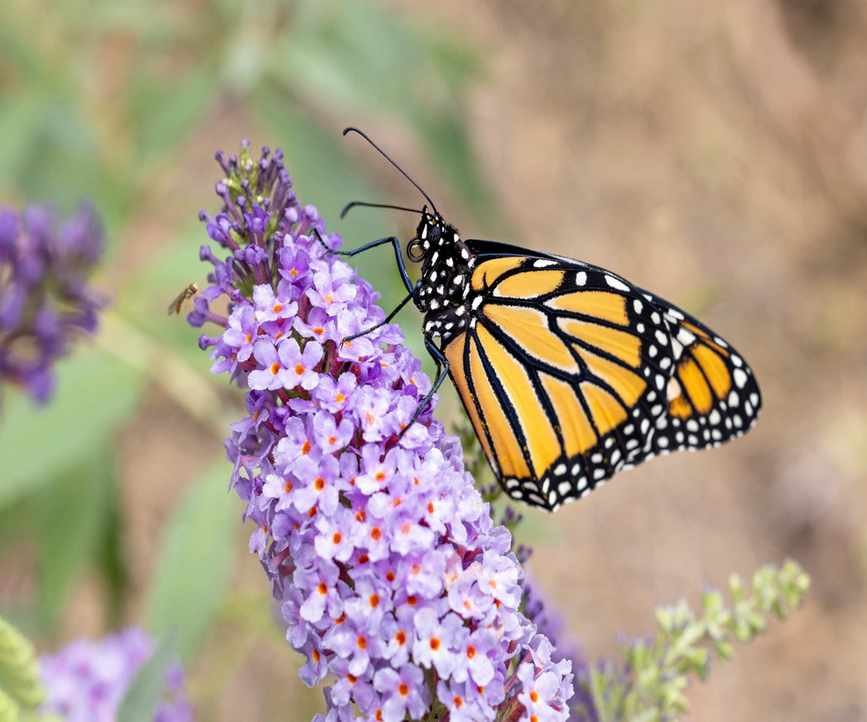
A monarch butterfly enjoys Buddleja davidii
Commonly known as the 'butterfly bush', Buddleja davidii attracts various pollinators in summer with its nectar-rich flowers. It thrives in sunny spots with well-drained soil and can reach heights of 8ft. Buddleja blooms in mauve, purple, and white, while the Buddleja globosa variety features bright yellow flowers.
Prune in spring by cutting branches close to the ground. Buddleja davidii is hardy to zone 5, while Buddleja globosa is suitable for zones 5-6.
Purchase Buddleja plants at Walmart.
2. Hawthorn

Hawthorn blossoms, Crataegus monogyna
Hawthorn, Crataegus monogyna, produces attractive white and pink flowers that are loved by pollinators. Its red berries in fall also attract garden birds. This hardy shrub is low-maintenance and ideal for security hedges due to its spiny branches.
Hawthorn grows best in full sun and slightly acidic soil. While minimal pruning is required, it can become overgrown if neglected. It self-seeds easily, so manage unwanted seedlings as needed. Hardy in zones 3 to zone 9.
Find Hawthorn plants at Walmart.
3. Abelia grandiflora

Abelia x grandiflora in full bloom
Abelia grandiflora is an easy-care shrub that attracts butterflies and hummingbirds. It can grow up to 10ft tall and produces tubular blooms in pink, yellow, and white from spring to fall. The foliage also adds visual appeal.
Variety 'Rose Creek' features flowers that shift from pink to white with green leaves that turn bronze in autumn, all on striking deep red bark. Abelia is resistant to pests and needs minimal watering once established.
Other popular varieties include 'Glossy Abelia', 'Sunshine Daydream', and 'Edward Goucher'. Suitable for hardiness zones 4-9, including zones 10 and 11.
4. Privet

A hackberry emperor butterfly on privet flowers
Privet, Ligustrum vulgare, is a fast-growing evergreen ideal for hedges. It offers privacy while its small white flowers attract pollinators, especially bees. This hardy shrub prefers full sun or partial shade. Water generously after planting, and provide occasional deep watering during dry spells.
Golden Privet has charming golden leaf margins. Most varieties thrive in hardiness zone 3.
Get Privet bushes from Walmart.
5. Rambling rose
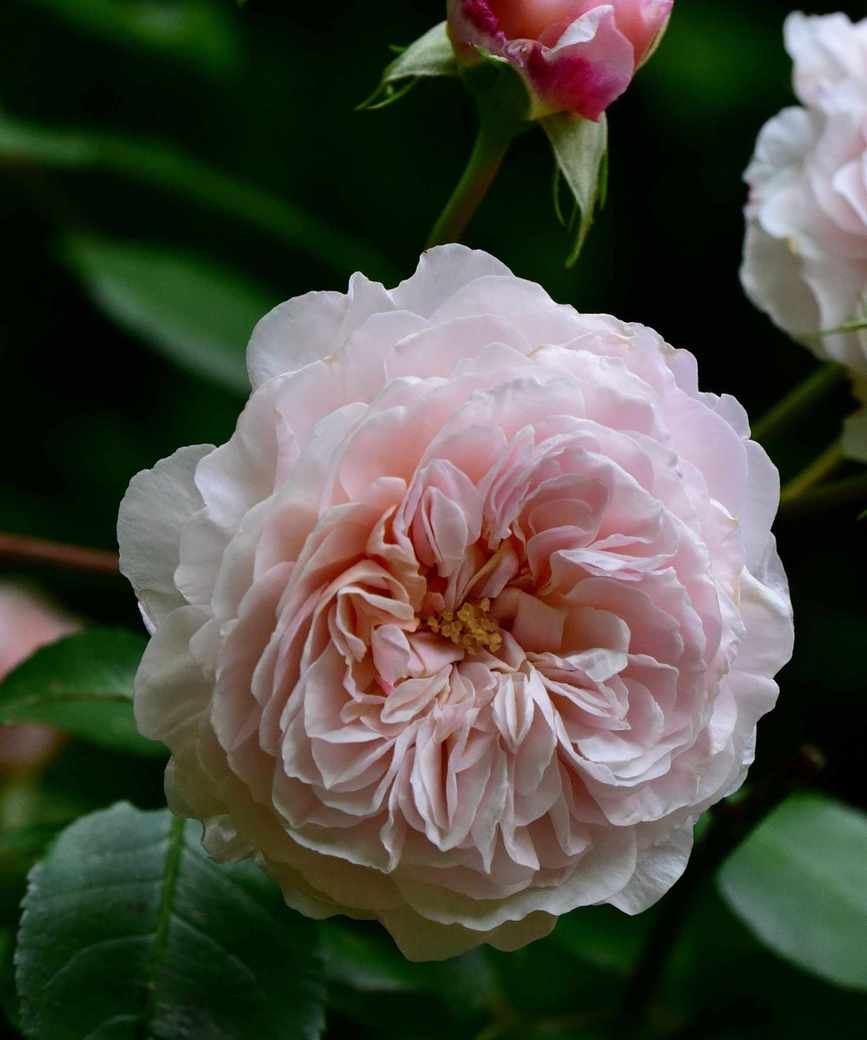
Rambling rose 'The Albrighton Rambler'
Every hedge deserves a beautiful rose, and rambling roses are low-maintenance, requiring only annual pruning post-bloom. Their flowers attract pollinators, and untrimmed blooms develop into colorful hips for winter interest.
Rambling roses flourish in zones 5-9 and prefer well-drained soil with six hours of sunlight daily. Water upon planting and apply mulch in winter for root protection.
Popular varieties include 'Phyllis Bide', 'Super Excelsa', and 'The Albrighton Rambler', which is disease-resistant with soft pink flowers.
Buy rambling roses at Walmart.
6. Buttonbush

Buttonbush attracts numerous pollinators
Buttonbush, Cephalanthus occidentalis, is a hardy shrub that appeals to bees, butterflies, moths, and hummingbirds. Its unique white, pincushion flowers bloom in late summer, and the leaves serve as food for larvae. In fall and winter, its red berries attract birds.
Buttonbush can grow up to 12ft tall and thrives in full sun, though it tolerates light shade. It prefers moist soil, thriving in neutral to acidic conditions. Hardy in zones 5 to 11.
7. Reblooming lilac

Reblooming lilac, 'Bloomerang'
Traditional lilacs, Syringa vulgaris, have short blooming seasons, but the new 'Bloomerang' variety (Syringa x 'Penda') produces blooms in late spring and again in fall. This shorter shrub, reaching about 5ft tall, is perfect for the front of your pollinator hedge.
It thrives in sunny spots, tolerating light shade but flowering less in such conditions. Prune immediately after flowering, avoiding cuts from fall to spring to preserve bloom-producing wood. Lilacs require a cold period for optimal flowering, thriving in zones 3-7.
Purchase reblooming lilacs at Walmart.
8. Hibiscus

Hibiscus flowers attract various pollinators
Hibiscus, Hibiscus spp., features large, stunning flowers that appeal to many pollinators, including butterflies and hummingbirds. Hardy hibiscus is native to North America and produces vibrant blooms in white, pink, red, and magenta.
While each flower lasts only a couple of days, new buds quickly replace them. Hibiscus can grow 7ft tall and 4ft wide, making them suitable for the center of a hedge. They prefer full sun but need some shade in hot climates.
Hardy hibiscus is suitable for zones 4-9 and may require protection in colder areas. Tropical varieties thrive in zones 9-11. Some hibiscus flowers are edible, so check the species for safety.
Explore hibiscus plants at Walmart.
9. Honeysuckle

Honeysuckle flowers are great for pollinators
While often grown on trellises, honeysuckles (varieties of Lonicera) also thrive in hedges, their fragrant flowers attracting various pollinators.
Many honeysuckle varieties bloom in winter, with both deciduous and evergreen options available. They're shade-tolerant, making them well-suited for your pollinator hedge.
Be cautious of invasive varieties like Morrow's and Japanese honeysuckle. Non-invasive options, such as the native trumpet honeysuckle, Lonicera sempervirens, are hardy in USDA zones 4 to 9.
Find honeysuckle plants at Walmart.
10. Crab apple

Crab apple 'Prairifire' features striking dark pink blossoms
With over 30 crab apple varieties (Malus sylvestris), they are excellent for pollinators and the overall garden. Most varieties thrive in zones 4 to 8.
Growing up to 20ft tall, crab apples produce abundant white and pink blossoms in late spring, attracting many pollinators. They also help pollinate other apple trees in your yard.
In fall, crab apples yield small, tart fruits, great for jams and providing late-season food for pollinators. They prefer sunny locations and need minimal watering once established. We've integrated crab apples into our wildlife-friendly hedge, enhancing its diversity.
Varieties include 'Prairifire' with dark pink flowers and the shorter 'Aberina' with sweet white blooms.
FAQs
When is the best time to plant a wildlife hedge?
The ideal times for planting hedges are spring, when soil temperatures rise, and fall, following a warm summer. Both seasons usually bring rainfall, helping plants establish. It's also when bare-root trees and shrubs are available, providing an economical option.
What ground cover can I use beneath my hedge?
Ground cover is crucial under hedges, retaining soil moisture and providing food for pollinators. Attractive shade-loving ground covers include pulmonaria, cyclamen, and hellebores, alongside foliage plants like ferns.
Creating a hedge for pollinators not only enhances your garden's beauty and privacy but also boosts local ecosystems, leading to improved pollination and healthier plants.