Winter doesn't have to mean a lack of color in your garden. With careful planning, you can create a vibrant outdoor space filled with life and interest. From evergreen flowers to colorful winter bulbs, there are plenty of options for enhancing your winter garden.
When designing a winter garden, it's vital to ensure a succession of interest tailored to your hardiness zone. Here's our expert selection of winter plants perfect for pots and borders.

Best Winter Plants for Borders
Climate plays a significant role in winter gardening. In milder regions, some annuals can flourish from winter into spring, while colder areas may see this season's color fade quickly with frost and snow, notes a horticulture expert.
Winter-blooming annuals like mahonia not only add color but also provide vital food sources for birds and pollinators. Start with evergreen shrubs and trees to form the backbone of your garden, and underplant them with hellebores and woodland bulbs for added texture and fragrance.
1. Violas
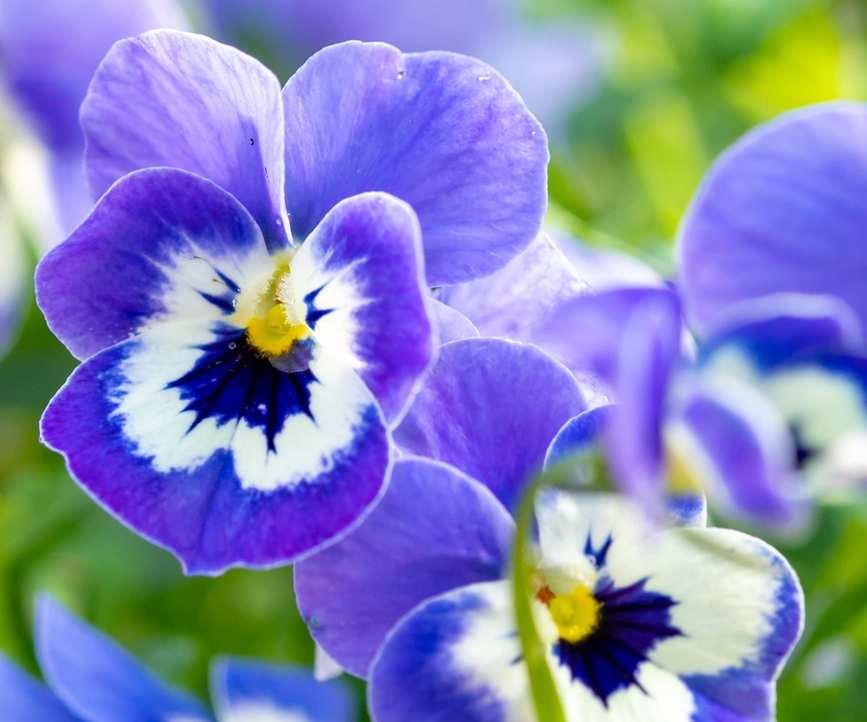
Violas, smaller than pansies, are ideal for borders and can be planted densely for a colorful display. They thrive between six to eight inches tall, making them perfect for close-up viewing. Hardy across US hardiness zones three to eight, they can also be used in winter hanging baskets.
2. Snapdragons

In warmer climates, snapdragons bloom throughout winter. They come in a variety of colors and heights, reaching from 6 inches to over 3 feet. Hardy to USDA zone seven, they benefit from a protective layer of mulch during freezing temperatures.
3. Bergenia

Bergenia, known for its evergreen foliage, adds a rich touch of purple to winter gardens. The 'Pig Squeak' variety turns vibrant with cold, producing lilac buds that bloom into pink flowers. Ideal across US hardiness zones four to ten, it's a robust choice for any winter garden.
4. Viburnum

This glossy evergreen shrub offers fragrant pink-white flowers, making it perfect for front yards. Viburnum thrives in hardiness zones two to ten, needing pruning after flowering to maintain its appearance.
5. Daphne bholua

Daphne, known for its fragrant pink blooms, can be either deciduous or evergreen. It flourishes in sunny spots and grows well in hardiness zones four to nine, with options for seeds available for enthusiasts.
6. Ornamental Cabbage

Ornamental cabbages and kale add unique foliage to winter gardens. With colors ranging from green to purple, they thrive in cooler weather and perform best in full sun with some shade in warmer areas. Hardy to zone two through eleven.
7. Snowdrops

Snowdrops bring a touch of magic to winter gardens. Plant them in groups for a stunning effect, and choose varieties that bloom from mid-winter to spring. They thrive in hardiness zones three to seven and are best planted in the fall.
8. Dogwood

Dogwoods are hardy shrubs with vibrant stems that stand out in winter. They can be used informally as hedges and do well in hardiness zones five to nine. Pruning should be done in early spring for maintenance.
9. Hellebores

Known as Christmas roses, hellebores thrive in shaded areas and are loved by pollinators. They grow best in hardiness zones four to nine and require moist, well-draining soil.
10. Mahonia

Mahonia offers structure and year-round interest, with fragrant flowers in winter and berries in fall. It grows well in hardiness zones five to nine.
Best Winter Plants for Pots
Choosing winter plants for pots allows for better control of soil and placement. Select larger plants for immediate impact and position them for maximum winter sunlight.
1. Pansies

Pansies are a winter garden staple, known for their vibrant flowers that bloom in cooler weather. They should be planted in fall and will thrive through early spring. Position them for morning light and protect from harsh afternoon sun.
2. Primroses
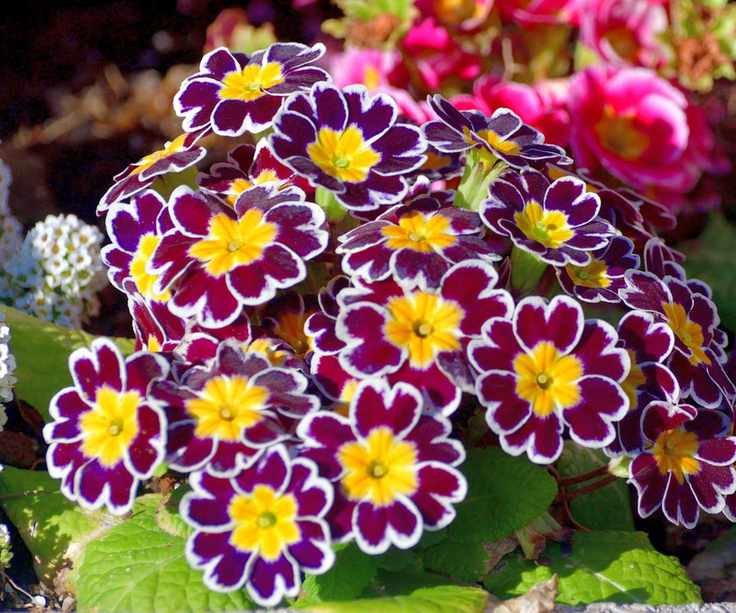
Primroses add color to shaded areas and are perennials that multiply each year. Best planted in early fall, they can flower for months and thrive in hardiness zones three to nine.
3. Winter Aconites
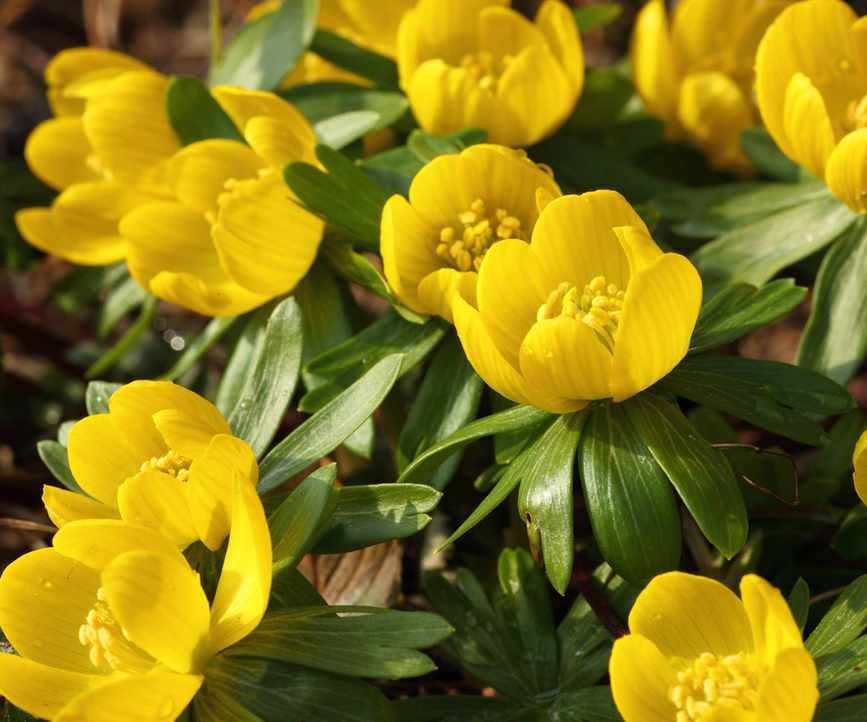
Winter aconites bloom in January and February, bringing brightness to gloomy days. They thrive in well-draining soil and can be planted as bulbs or 'in the green' after flowering.
4. Heucheras
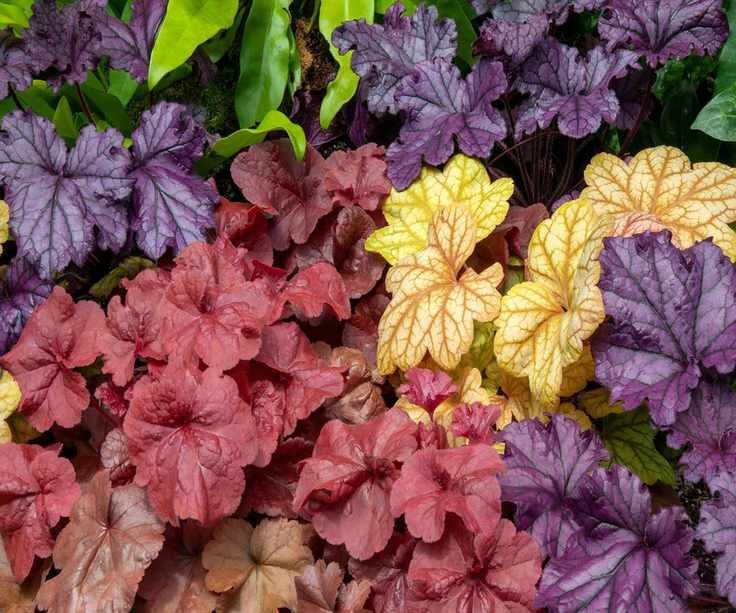
Heucheras provide stunning foliage in various colors and thrive in dappled shade. They grow well in hardiness zone four and require pots with drainage.
5. Lungwort

Lungwort blooms from late winter to spring, featuring unique foliage. They're hardy and can be used as ground cover or in pots, thriving in well-draining soil.
FAQs
Do winter pots need frost protection?
Whether pots need frost protection depends on the plants. Some require winterization, while others are hardy. Research the specific needs of your plants for best results.
These plants promise to enhance your yard's beauty through winter. Don't forget to safeguard container plants to ensure their return in spring.