

Traditionally, winter has been seen as a tough season for real estate transactions, often viewed as a time to avoid buying or selling unless absolutely necessary. Critics often claim that 'winter is slow' and 'no one wants to view homes' during this chilly period. Some even believe that selling in winter means you'll receive less for your property. But is that truly the case?
Navigating the housing market in winter is indeed more complicated compared to the summer months. However, there are distinct advantages to listing your home during this season, as buyers may face fewer competitors.
We consulted real estate professionals to share their insights on the winter housing market. Here's what you need to know.
1. Selling a Home in Winter: Not as Complicated as Before

Is the notion of winter being a challenging time to sell outdated? Not entirely, but it's certainly not as tough as it once was. Selling during the colder months has become less problematic over time.
According to a realtor with over 30 years in the industry, 'traditionally, fewer buyers are out looking for homes in winter.' There are clear reasons for this: 'The weather isn't as inviting, trees are bare, and enhancing curb appeal is trickier.'
Yet, with the rise of home-buying apps and virtual tours, the seasonal slump in sales has diminished. These technologies allow potential buyers to explore properties from the comfort of their devices.
While virtual tours can't replace the experience of visiting a home in person — a critical step in such a significant purchase — they do help generate initial interest that could lead to in-person viewings, even in colder weather.
2. Winter: A Smart Time to Buy

Buying a home in winter may come with fewer options, but it can also be beneficial. The competitive landscape is less crowded, which can ease the stress associated with house hunting.
As one expert notes, 'The sellers active in the winter are often more motivated to make a deal because of the limited buyer pool.' This means that potential buyers might find themselves in a better negotiating position.
Another expert encourages buyers to take advantage of the quieter winter months, noting that with fewer transactions, there's often more room for negotiation. 'Sellers might be willing to offer discounts during this off-peak period,' she explains.
3. Assessing Energy Efficiency During Winter
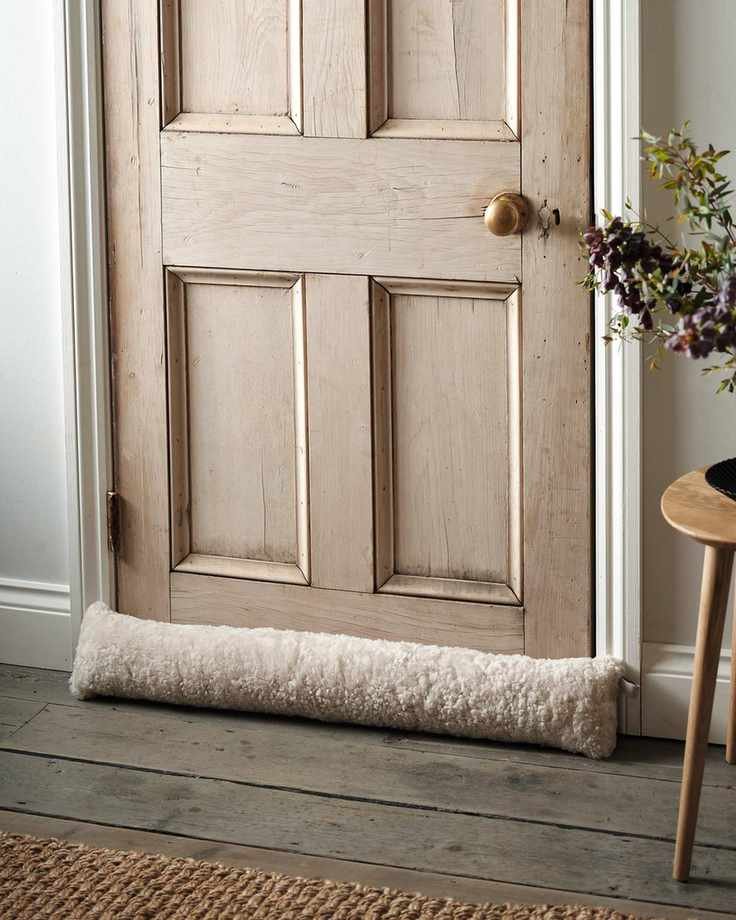
Winter presents a unique opportunity to evaluate a home's energy efficiency. In warmer months, aspects like attic insulation or overall warmth might not get the attention they deserve. For those in colder climates, understanding energy efficiency is crucial to controlling energy costs.
Experts highlight that winter is an ideal time to inspect the heating system, insulation, windows, and other factors affecting energy consumption. If a potential home isn't energy-efficient, buyers might have leverage to negotiate with the seller.
4. Staging Your Home for Winter Buyers

Staging a home during winter doesn't require a complete overhaul, but some adjustments can enhance its appeal to buyers. Generally, homes may feel darker and less inviting in winter, so it's important to compensate for this.
To brighten up a space, experts recommend using white bedding and maximizing natural light. Simple actions, like pulling curtains aside or ensuring ample lighting for evening viewings, can make a significant difference.
Don't overlook your outdoor spaces either. While they might not be as lush as in summer, it's essential to highlight outdoor features, allowing buyers to envision enjoying them in warmer months.
FAQs
Is it wise to sell my home in winter?
Selling in winter might take longer, but it could attract serious buyers. As one expert points out, 'End-of-year bonuses can motivate buyers to enter the market.'
Do mortgage rates decrease in winter?
There's a trend where variable rate mortgages tend to be slightly lower at the start of the year, particularly compared to summer. Though this might not ease the worries of buyers facing high interest rates, it's still a factor to consider.
It appears that winter offers more advantages to buyers than sellers. Does this mean you shouldn't list your property? Not at all. Weigh the pros and cons carefully before making your decision. If you have a target price in mind, stick to it. Remember, winter won't last forever, so you might decide to postpone your transaction until summer.



