
South Sawyer Glacier, Alaska, June 2019 // As reported by the U.S. Geological Survey, Alaska's glaciers are losing 75 billion tons of ice each year, impacting global sea levels.
In honor of Earth Day, I want to share some smart tips for selecting eco-friendly travel apparel that is kind to the environment and wallet-friendly. In 2018 alone, the United States generated 17 tons of textile waste, with nearly 66% ending up in landfills! Here are five strategies to make more sustainable purchasing decisions:
Last October, REI introduced their used gear program. They offer pre-owned gear at considerable discounts, and co-op members earn store credit for trading in items. An REI lifetime membership costs just $20, with annual dividends on purchases—definitely a worthwhile investment. All items are categorized by condition: excellent, lightly worn, or well-worn.
Patagonia features a similar initiative named Worn Wear, where customers can buy used items or trade them for credit toward new or used gear. These programs help divert clothing from landfills while providing savings of up to 50% off retail prices. Plus, many items are practically brand new!
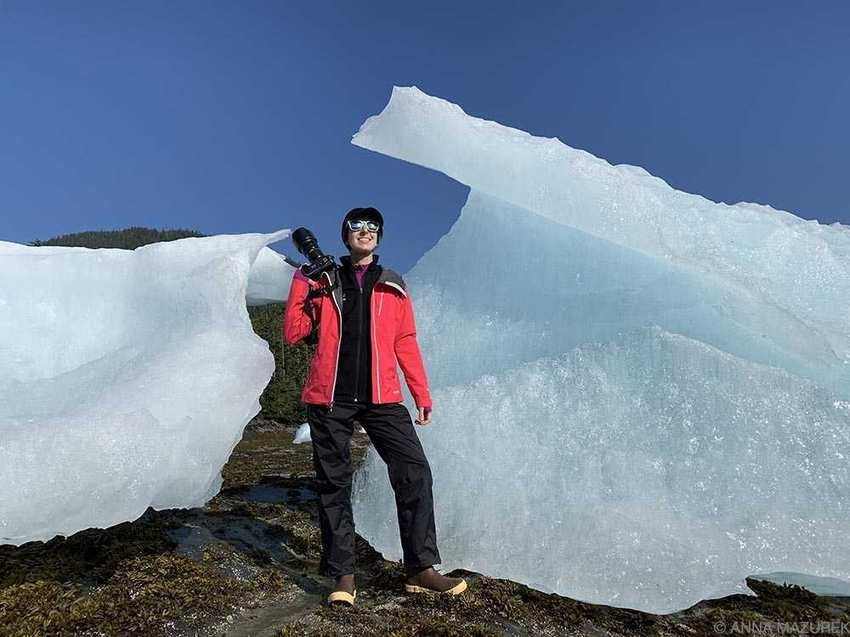
Near LeConte Glacier, Southeast Alaska // While leading photo trips in Alaska (with a carbon-neutral company), I rely on Marmot's rain gear. Their quality is top-notch, and they once replaced a jacket I'd traveled with for years under warranty. (This isn't a paid endorsement.)
One major travel mistake I made early on was avoiding quality travel apparel and gear due to high prices. It took time to realize that investing in durable items from brands offering lifetime warranties for repairs or replacements was a smart long-term choice for my budget.
Repairing items lengthens their lifespan and keeps them out of landfills. Additionally, utilizing warranty replacements and repairs can save you money. Here are a few brands I trust based on my experiences: Osprey Packs repaired two of my backpacks and replaced another. Marmot swapped my PreCip rain jacket when the lining tore. (For its 20th anniversary, Marmot launched the PreCip Eco Jacket made from 100% recycled nylon!) Patagonia replaced a pair of thermals that were unraveling just before a significant trip! Keen replaced my hiking boots when they started to fall apart at the toe. All these brands have earned my lifelong loyalty for their commitment to their products.
Outdoor brands such as The North Face, Patagonia, and Copotaxi provide options for purchasing gear made from recycled materials. This includes jackets and bags, each with unique color designs, ensuring no two pieces are alike! Each brand also takes back items for recycling as part of the initiative.
Clothing labels like Levi's, Madewell, Zara & H&M also have recycling programs, often offering coupons in exchange for your old clothes. Since many donated items end up in landfills, recycling can sometimes be a better option. This NPR article explores this topic further.

Misty Fjord, Southeast Alaska
Begin your research on a brand's environmental efforts by visiting their website! Most outdoor clothing companies feature a sustainability section that outlines their practices, including material sourcing, labor conditions, and packaging. Another useful resource is the brand dictionary by Remake, a non-profit that evaluates companies based on their environmental impact.
Additionally, check if brands contribute to initiatives like 1% For the Planet, which requires members to donate at least 1% of their sales to environmental causes. Support companies that prioritize sustainability.
Packaging is just as crucial as the product itself. PrAna produces my favorite hiking pants and leads the charge in responsible packaging. Starting in fall 2021, their packaging will be entirely plastic-free, utilizing roll packaging with recyclable raffia ties and brown paper mailing envelopes. Patagonia also opts for brown paper for their shipping materials.
Make sure to recycle all packaging materials. Many stores, including Target and supermarkets like Publix or Food Lion, accept plastic mailing bags for recycling. I haven't purchased a mailing envelope in years because I just reuse ones I've received. I recommend doing the same.
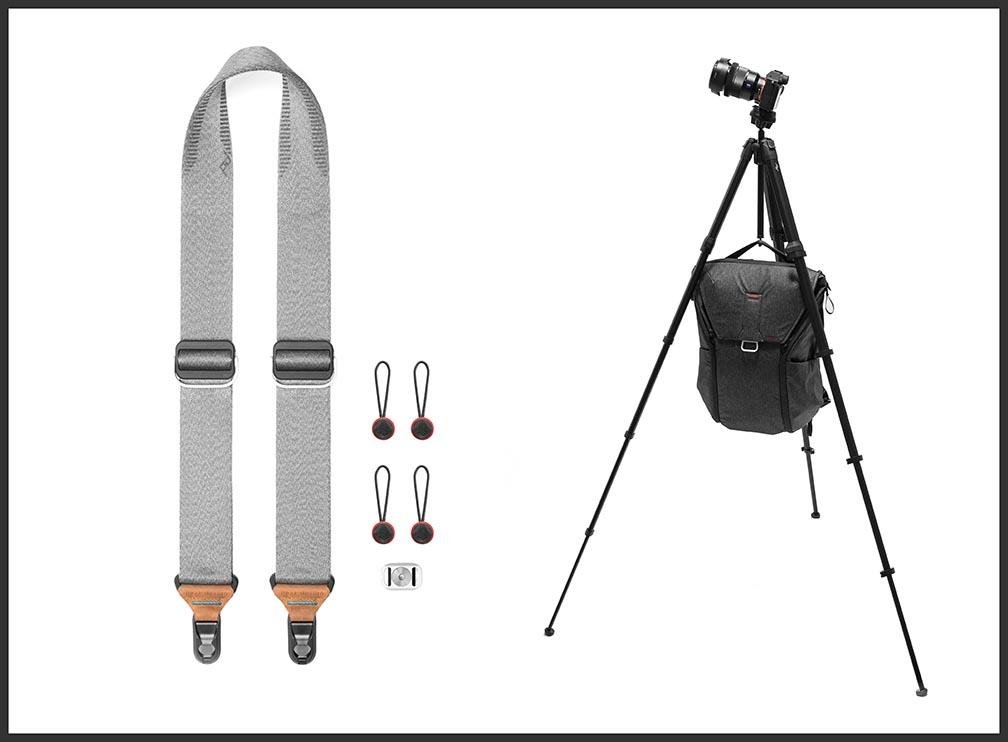 I use Peak Design's quick-connect slide camera strap and their lightweight travel tripod that collapses to the size of a water bottle! (They also offer a carbon fiber version!)
This month, Peak Design, my go-to company for camera bags and accessories, launched their new Peak Design Marketplace, allowing users to easily buy and sell used Peak Design gear. The platform facilitates direct sales between owners without intermediaries, and all transactions are 100% carbon-neutral. The company's lifetime guarantee covers both new and used items! Their camera strap and lightweight travel tripod are my favorites! It's the best way to score quality camera accessories on a budget!
Scoring Great Deals
Since quality and sustainable clothing can be pricey, there are ways to find great deals on gear. End-of-season sales are ideal for snagging bargains. Winter items are often discounted in April. I once found a Marmot raincoat for half off ($50) during a spring clearance sale at REI! I always plan ahead so I can shop during major sale events like Memorial Day, July 4th, Labor Day, or the holiday season.
Cashback apps and websites like Rakuten can also help. Rakuten offers cashback for purchases at over 2,500 stores, including hotels! Your cashback is deposited to your PayPal every three months. Plus, get a $25 bonus for signing up and spending $25 using their links!
For more tips on being an eco-friendly traveler, check out our previous blog post!
*Some links included in this post are affiliate links. If you make a purchase, I earn a small commission at no additional cost to you, which supports the upkeep of this blog. I only recommend products and companies I genuinely love and use. For any inquiries, please contact info@savinghunt.com.