
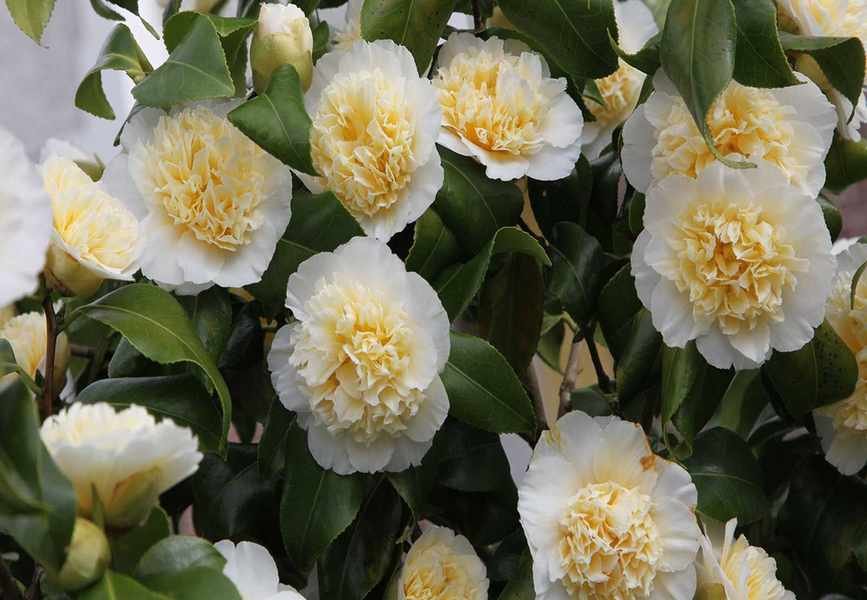
Camellias are among the earliest flowering shrubs, bringing vibrant colors to our gardens during winter. While they're truly captivating, they can be somewhat finicky and require specific growing conditions. Even seasoned gardeners can encounter issues with their camellias, but with the right knowledge, you can remedy these problems.
Watch for signs like pest damage, yellowing leaves, and insufficient blooms.
This guide outlines common camellia issues, helping you to quickly identify and address them while also preventing future occurrences.
5 Common Camellia Issues to Watch For
Keep your winter-flowering shrub thriving and blooming with these expert tips.
1. Pest Damage on Leaves and Buds
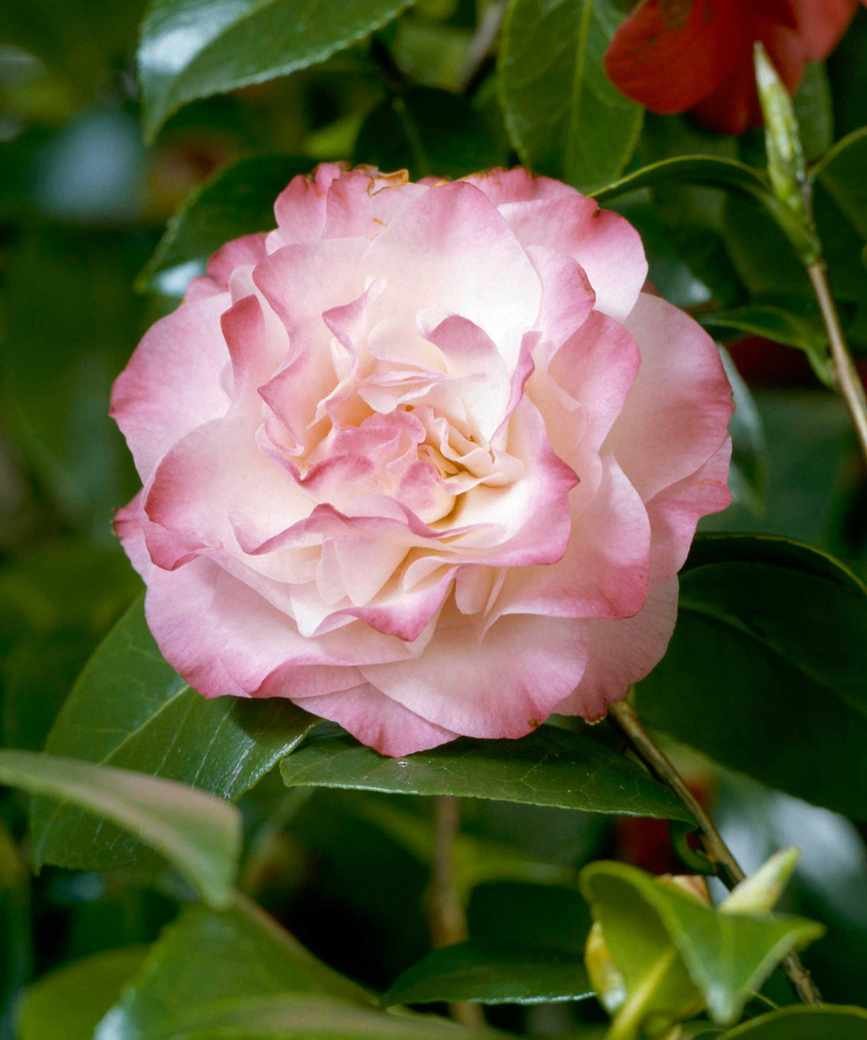
Like many plants, camellias can fall victim to various pests such as mealybugs, aphids, and scale insects. Treat them with organic pesticides or, better yet, attract beneficial birds and insects to your garden to manage these pests naturally.
If your shrub is dropping leaves, vine weevils could be the culprit. Container-grown camellias are especially susceptible to these small brown beetles, which create notches in the leaves. Their larvae, however, do the most harm by residing in the soil and feeding on roots, potentially leading to plant demise.
To investigate, check the roots for small, dirty-white grubs with orange heads. If you find them, you've identified the issue. Fortunately, once these grubs are eradicated, your plant can regenerate new roots.
'Treatments include insecticides like this vine weevil killer, available on Amazon, or nematodes, which are safe and target only the pests they're designed for,' notes an expert. 'These beneficial worms can be watered into the potting soil and won't harm pets or beneficial insects.'
In addition to vine weevils, scale insects or aphids might be responsible for black, sooty spots on your camellia leaves. They feed on sap and can weaken your plant. The honeydew they produce attracts sooty mold.
If the issue is localized, you might wipe it away with a damp cloth. Otherwise, consider spraying your plant with a natural insecticide like Neem Oil, available on Amazon.
Deer can also pose challenges for camellias. If flower buds have vanished overnight, they might have been nibbled on. Spraying with deer deterrent solutions can help. However, if they're a persistent issue, consider replacing your shrubs with deer-resistant varieties.
2. Yellowing Leaves from Nutrient Deficiency
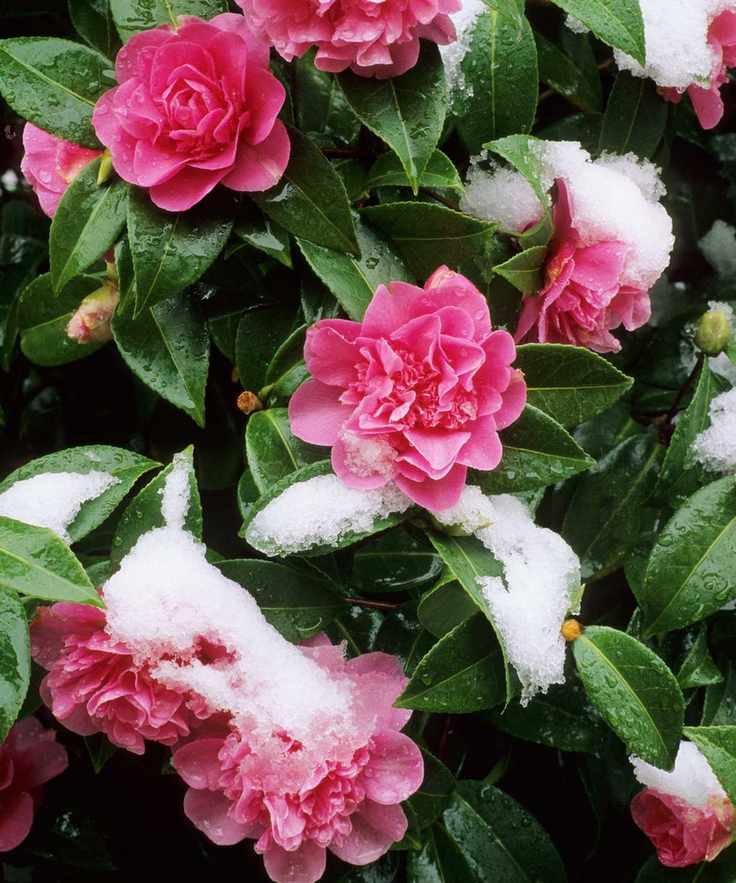
For optimal growth, plants must be positioned correctly, considering soil type, exposure, and light.
If you're seeing yellow leaves on your camellia, it may be due to nutrient deficiency, often exacerbated by unsuitable soil. Camellias thrive in slightly acidic soil; if it's too alkaline, the leaves may yellow between the veins.
To restore vitality, fertilizing camellias can help. The ideal time to apply fertilizer is mid-spring, as the plant begins to grow after winter dormancy.
Use a balanced fertilizer or one formulated for trees and shrubs before mulching.
Remember, watering can influence soil pH; using tap water can alter it. If possible, collect rainwater in a barrel or rain chain for a more beneficial and sustainable approach.
Additionally, pruning camellias can expose more soil, making fertilization and mulching easier.
3. Poor Blooming or Bud Drop
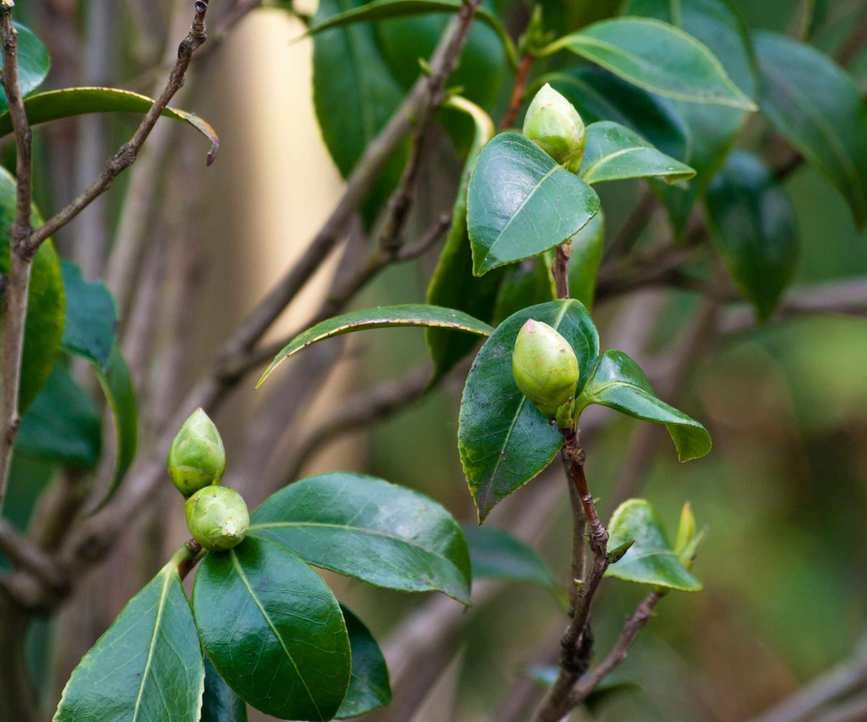
'If your shrub isn't happy in its location, it may struggle to bloom or lose buds before they open,' warns an expert.
'Bud drop can occur due to abrupt temperature changes, like warm fall days followed by freezing winter nights,' she explains.
If you notice your camellia buds browning before blooming, low nighttime temperatures could be the issue.
To address this, remove damaged buds and feed the plant with sulfate of potash monthly from mid-spring to early fall, watering when the soil is dry. This will strengthen the tissue, enhancing your shrub's resilience against frosty nights.
For future protection, cover your plants with several layers of fleece on clear nights when temperatures are expected to drop. Remove it in the morning.
White-flowering camellia varieties are generally less hardy than their red and pink counterparts, making them more vulnerable to frost damage. Young leaves can also be affected and turn brown.
4. Lack of Water Affecting Blooming
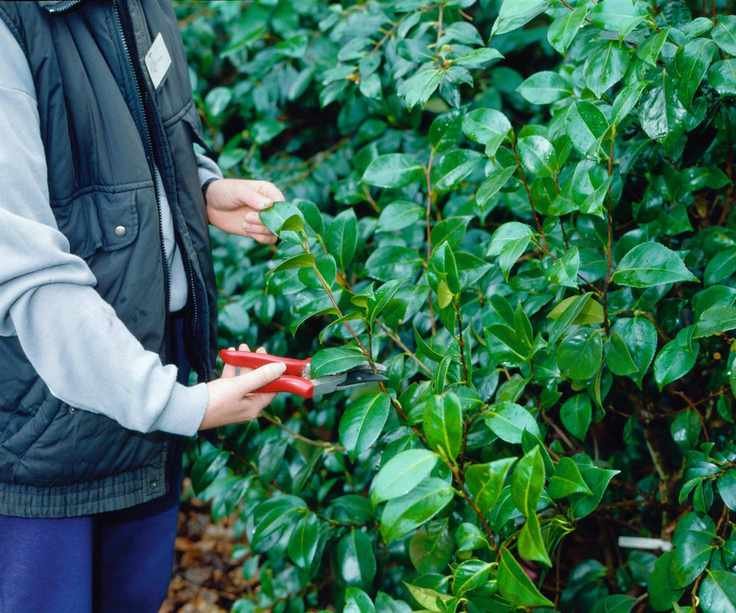
If your camellia isn't suffering from frost damage but isn't blooming as expected, inadequate watering might be to blame.
'Camellias prefer their soil to remain consistently damp; both overwatering and underwatering can hinder blooming,' advises an expert.
If buds are falling or appear unhealthy, it could be due to dry soil during bud formation. Make sure to water your plants thoroughly and consistently throughout late summer and early fall. Our tips on watering plants during vacations can help if you plan to be away.
5. White Growths from Camellia Gall

Camellia gall is a common fungal infection that results in large, white growths on leaves during early summer.
While they may look alarming, they usually grow up to 6 inches long and aren't a serious threat to the plant's longevity.
Remove and destroy them promptly. If spores are present, seal the gall in a plastic bag first to prevent spreading to other plants.
'Petal blight is the most prevalent disease affecting camellias, targeting only the flowers,' notes an expert. 'Treat it with fungicide and ensure you dispose of any fallen affected leaves in the trash to prevent spreading spores.'
FAQs
Are Camellias Drought Resistant?
No, camellias can't tolerate drought or overly wet conditions. Their soil should remain moist throughout the year. If your soil dries out, apply a layer of organic mulch in early spring across the root zone, which likely extends as wide as the branches. Ensure it doesn't touch the stems.
If the soil is waterlogged, relocate the shrubs to a better-draining area and add grit around the roots.
By monitoring potential issues, you can effectively care for your camellia and enjoy its stunning blooms in late winter.


