
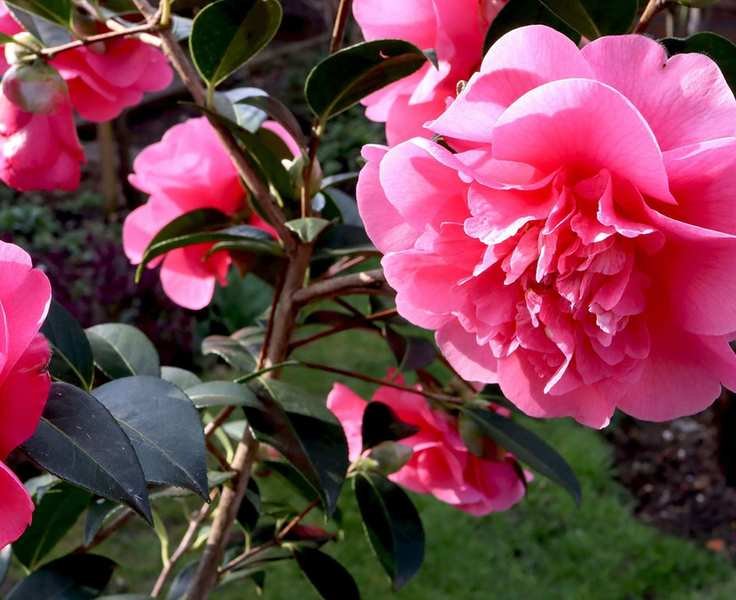
If you love vibrant flowers, learning how to cultivate camellias should be your gardening priority. Their large, gently ruffled blooms, complemented by glossy green leaves, create a striking presence in any landscape.
Reaching heights of up to 39ft (12m) and widths of 26ft (8m), these eye-catching plants are perfect for both flower beds and container arrangements. Their evergreen leaves also make them excellent for privacy screening.
Best of all, camellias are simple to grow—just ensure they have ericaceous or acidic soil—and our detailed guide will provide everything you need to know.
Discover how to cultivate and prune camellias effectively to keep them thriving and maximize their blooming potential.
Growing Camellias
The key to successfully growing camellias lies in their minimal requirements: acidic soil and rainwater ensure a magnificent display during winter and early spring, when few other plants bloom.
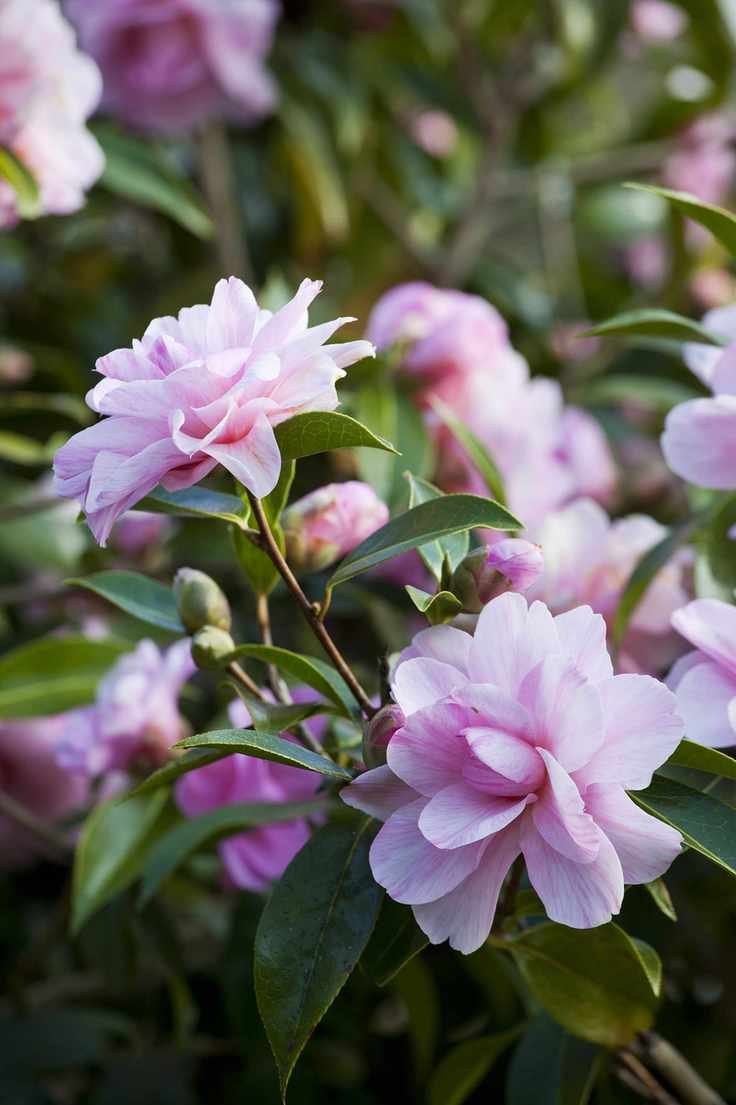
Selecting from two main groups, camellias offer stunning color from autumn through early spring. Camellia sasanqua blooms from late November to December, while Common camellia (Camellia japonica) and hybrid Camellia x willamsii provide vibrant displays from October through May.
Camellias come in various flower shapes, from orderly concentric petals to loose, ruffled forms resembling roses and peonies. Their color palette ranges from deep scarlet to soft pink and pure white, often featuring prominent golden stamens that add texture and attract early pollinators.
Interestingly, some camellia varieties emit scents, with fragrances that can remind you of apple or jasmine, enhancing your garden's sensory appeal, particularly near porches or pathways.
Choosing the Right Location for Your Camellia
When learning how to grow camellias, it's crucial to note that most prefer partial shade, although Camellia sasanqua can thrive in sunnier locations. Placing them in a sheltered area protects them from cold winds, as frost can damage buds and petals.
These beauties, native to China, Japan, and Korea, thrive in acidic soil. For containers, ericaceous compost is essential, and in all cases, the soil must be well-draining yet retain moisture.
“Many camellias can be grown against walls, making them ideal for smaller gardens or narrow paths,” says a plant expert. “Simply attach a sturdy support or trellis to a wall or fence and gently tie the stems in a fan shape for even growth.”
Planting a Potted Camellia
The optimal time to plant camellias is in fall when soil warmth encourages root establishment before the colder months. Nurseries typically sell 2 to 3ft (60 to 90cm) tall shrubs. Ensure the planting hole is spacious enough for the root ball and deep enough for it to sit level with the ground. Firm the soil down to eliminate air pockets, and add a layer of mulch to retain moisture.
Growing Camellias in Containers
Wondering how to grow camellias in pots? Container gardening can provide ideal conditions. Choose a pot with excellent drainage—at least one large hole—to prevent water accumulation around the roots.
The container should measure at least 11in (30cm) in diameter and deep enough for the root ball to sit 2in (5cm) below the rim. Since camellias grow slowly, repotting every two to three years is sufficient, but check for root protrusion regularly. Refresh the compost each spring to support healthy growth.
Caring for Camellias
Keep camellias well-watered, especially in fall when their flowers begin to develop. As natural acid lovers, it’s best to use rainwater to avoid raising soil alkalinity.
The color of the foliage can indicate plant health. If glossy dark green leaves turn yellow at the edges, boost soil acidity by feeding with an ericaceous fertilizer. Avoid fertilizing later than July to prevent bud drop.
The shape of these elegant plants varies, from compact to sprawling, and pruning should align with your desired outcome. If branches encroach on neighbors or outgrow their designated space, cut them back shortly after flowering.
Removing faded or damaged flowers can enhance their appearance but isn't essential for plant health and might be time-consuming.
Frost and Snow Protection for Camellias
Container-grown camellias can be relocated to sheltered areas, like porches or closer to home walls, while those in the ground or large pots may need extra protection. Wrapping garden fleece around the shrub and securing it will provide insulation against frost damage.
Notable Camellia Varieties
“Camellias truly shine in the garden, making fantastic focal points in borders,” says a nursery expert.
“They also thrive as container plants. Just avoid placing them in overly sunny spots and always use ericaceous compost.
“Our nursery offers a variety of camellias, well-branched and floriferous. Popular choices include Camellia japonica; ‘Brushfield’s Yellow’, the charming ‘Dazzling Pink’, the dual-colored ‘Lady Vansittart’, and ‘Lady Campbell’ with its striking double red blooms.”
Are Camellias Easy to Grow?
Camellias are quite easy to cultivate. They do require acidic soil and prefer rainwater for irrigation. Most thrive in partial shade and should be planted in sheltered locations.
When Do Camellias Flower?
Camellias bloom from fall to spring, depending on climate and variety. For an extended blooming period, choose common camellia (Camellia japonica) or Camellia x willamsii, which flower from October to May. Camellia sasanqua blooms in late November and December. For more tips, check out our guide on propagating camellias to fill your garden with colorful shrubs this year.


