

Regularly cleaning your dishwasher is crucial for ensuring your dishes remain spotless and for extending the life of your appliance.
Understanding how to effectively clean your dishwasher is one thing, but integrating it into your routine is vital. Neglecting this task can lead to buildup and potentially costly repairs or replacements.
Don't fall into the trap of believing your dishwasher self-cleans with every cycle. Instead, learn the expert recommendations on how frequently you should clean it and the proper loading techniques.
Recommended Cleaning Frequency for Your Dishwasher
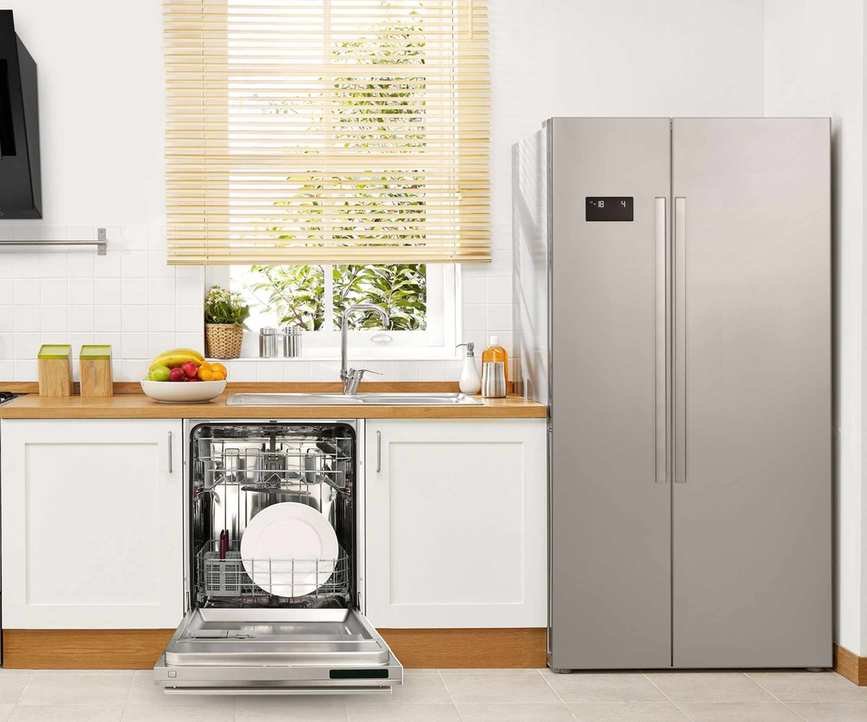
In addition to wiping the exterior and cleaning around the door, how often should you really clean your dishwasher?
According to experts, you should aim to clean your dishwasher every three months. This assumes you're proactive in removing food residues from the filter and dealing with spills regularly.
If you tend to overlook food debris in the filter or don't maintain your dishwasher, consider scheduling a deep clean once a month to keep your glassware sparkling.
Run an empty cycle on a hot setting using a Finish dual action dishwasher cleaner from Amazon to eliminate grease and limescale buildup.
If you detect any unpleasant smells or buildup, address the cleaning task immediately. It may seem tedious, but it's a necessary chore.

Why Is Frequent Dishwasher Cleaning Important?
Just as you wouldn't neglect food debris in your sink, maintaining a consistent cleaning schedule for your dishwasher is essential. Good habits can significantly reduce the need for frequent cleaning.
Your cleaning frequency largely depends on:
Pre-rinsing Dishes
The more food residue you place in the dishwasher, the quicker the filter will clog and the more maintenance you'll need. Better rinsing leads to less buildup and a cleaner appliance.
Filter Maintenance
Cleaning your dishwasher should typically be a monthly task, including checking for clogs and clearing the filter to prevent dirty water from being trapped.
However, the filter may require more frequent cleaning—ideally after each wash—unless your model has a self-cleaning function. It's simpler to scrape plates clean before loading than to deal with a congested filter later.
Drain Cleaning
Monthly drain cleaning helps avoid grease and food particles from obstructing it. If you notice standing water after a wash cycle, it's a sign that a deep clean is needed.
Dishwasher Salt Levels
Your cleaning frequency can also depend on how well you manage dishwasher salt. This salt softens water and prevents deposits and bacteria from accumulating.
Check your local water hardness level to determine how often to add salt. If your glasses appear cloudy, it's a cue that your dishwasher needs attention.
We recommend using Finish Dishwasher Detergent Salt from Walmart for reliable results.
Quality of Your Dishwasher
A higher-quality dishwasher will handle daily use better, so consider investing in a model that fits your budget to reduce future cleaning demands.

Common Questions
How Can You Tell If Your Dishwasher Needs Cleaning?
An unpleasant odor is a primary indicator that your dishwasher requires cleaning, signaling bacteria buildup. Additionally, greasy or cloudy glassware suggests it's time for a thorough clean.
What Happens If You Neglect Dishwasher Cleaning?
Failing to clean your dishwasher can lead to grease and food blockages, resulting in stagnant, unhygienic water. Ultimately, neglect can cause your dishwasher to malfunction or break down entirely.
Regular dishwasher cleaning is essential for smooth operation and longevity. One simple tip: Place a cup of white vinegar in the bottom of your empty dishwasher once weekly and run it on the hottest setting to keep it fresh and minimize deep cleaning needs.
Discover the advantages of using lemons in your dishwasher.



