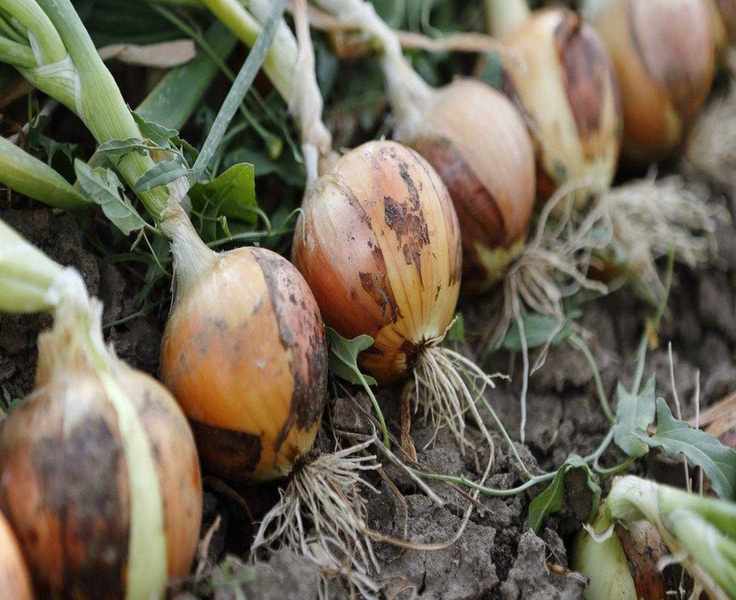
In a vegetable garden, various onion types can flourish, including short day, intermediate, and long day varieties. When exploring catalogs, you'll find onions categorized by color, flavor, and storage capabilities.
When selecting onion types, consider factors such as location, climate, and your tastes. Over the years, I've cultivated a multitude of onions and found several reliable varieties that thrive consistently while also enjoying experimenting with new types.
Learning to grow onions opens up a realm of choices to meet your cooking needs. Onions are enjoyable crops to cultivate, and we've highlighted some of the best onion types for seven distinct reasons.
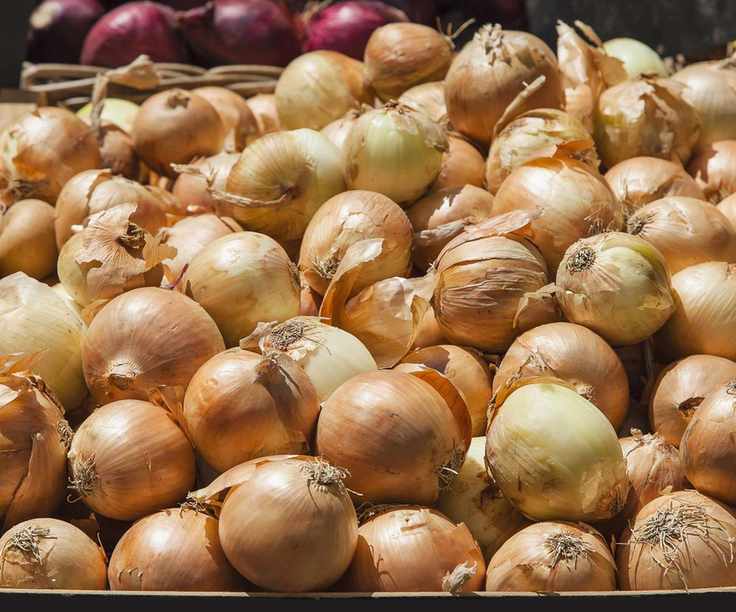
7 Outstanding Onion Varieties to Cultivate
With hundreds of onion varieties available globally, choosing the right ones can be overwhelming. To assist you, we've selected some of the top onion types that possess desirable traits for growers.
1. Patterson
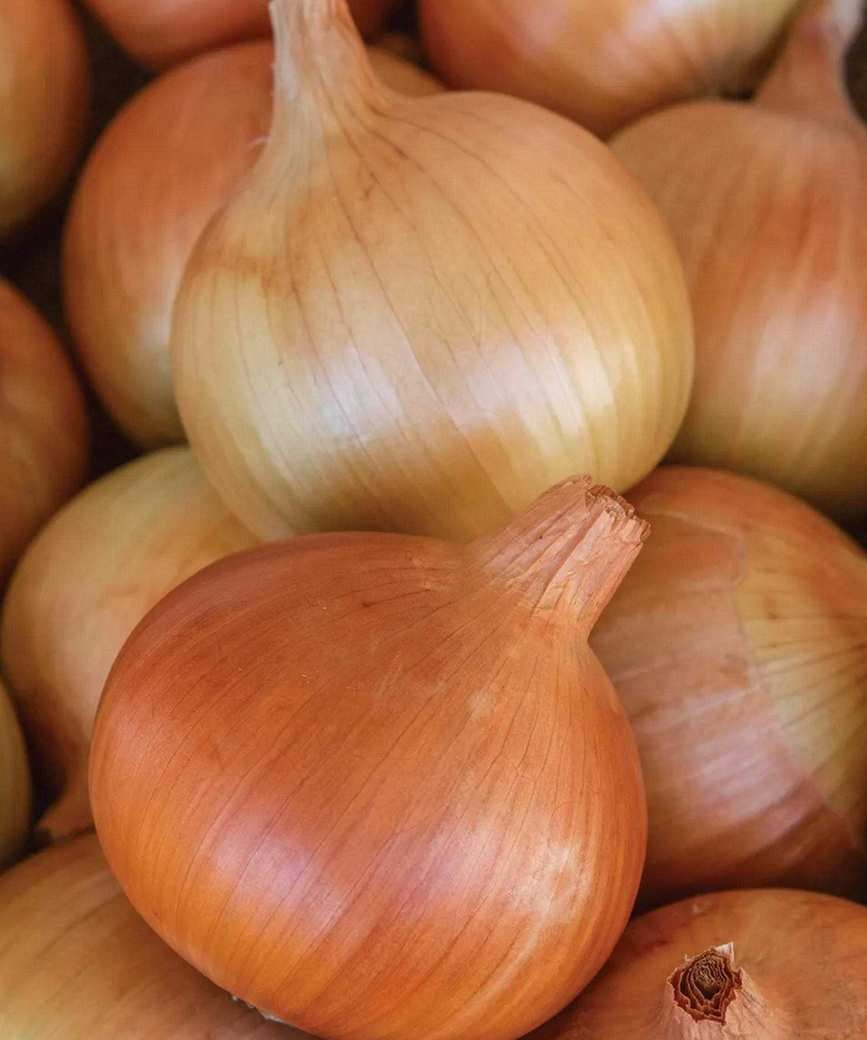
- Ideal for: Storing
- Type: Long day onion
'Patterson' is celebrated for its impressive storage capability, remaining fresh for nearly a year if stored properly. It yields 3-4 inch golden bulbs with sweet flesh and is a long day type that matures in just over 100 days, producing consistent yields of uniform bulbs.
2. Kelsae Sweet Giant
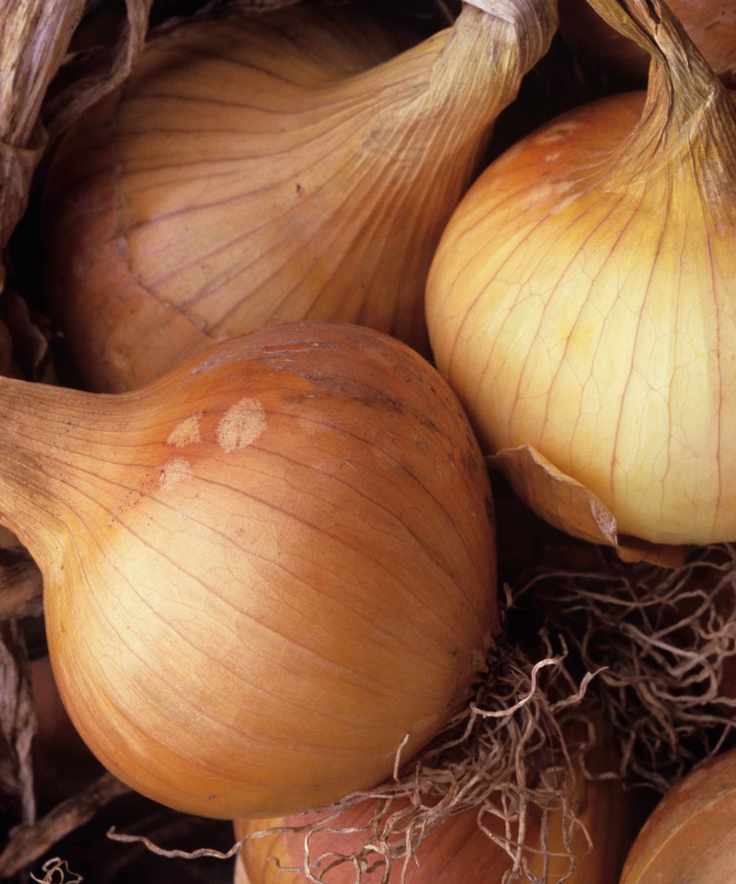
'Kelsae Sweet Giant' onion
- Ideal for: Onion size
- Type: Long day variety
The 'Kelsae Sweet Giant' holds the Guinness World Record for the largest onion, weighing in at 15 lb 5.5 oz and measuring an impressive 33 inches in diameter. This variety is perfect for those aiming to showcase massive onions.
This long day onion has a sweet flavor, suitable for both cooking and raw consumption. While you might not break a record, 'Kelsae Sweet Giant' is a reliable, high-yielding variety that can grow from onion seeds or sets and takes around 100 days after transplanting.
3. Sturon

Onion 'Sturon'
- Ideal for: Reliability
- Type: Long day variety
'Sturon' is a popular and tasty onion variety cultivated worldwide. It's been a staple in my gardens, consistently producing large yellow onions that store well. This medium-sized variety has a slender neck, making it an excellent storer and is ready for harvest in 80-100 days with good resistance to bolting.
4. Crystal White Wax
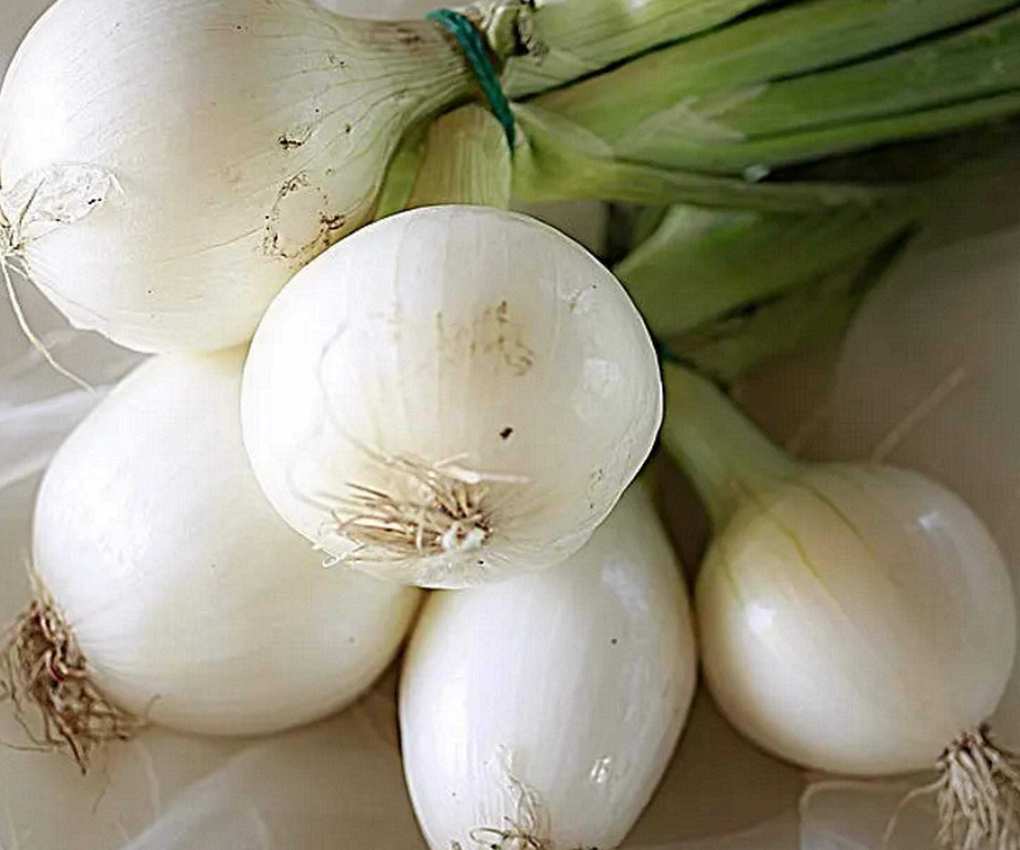
- Ideal for: Pickling
- Type: Short day variety
If you're looking for small cocktail onions, consider Crystal White Wax. It yields small, white bulbs with a mild, slightly sweet flavor, perfect for salads. This short day variety produces good harvests of 1-1.5 inch bulbs, similar to ping pong balls, and is excellent for pickling.
5. Walla Walla Sweet
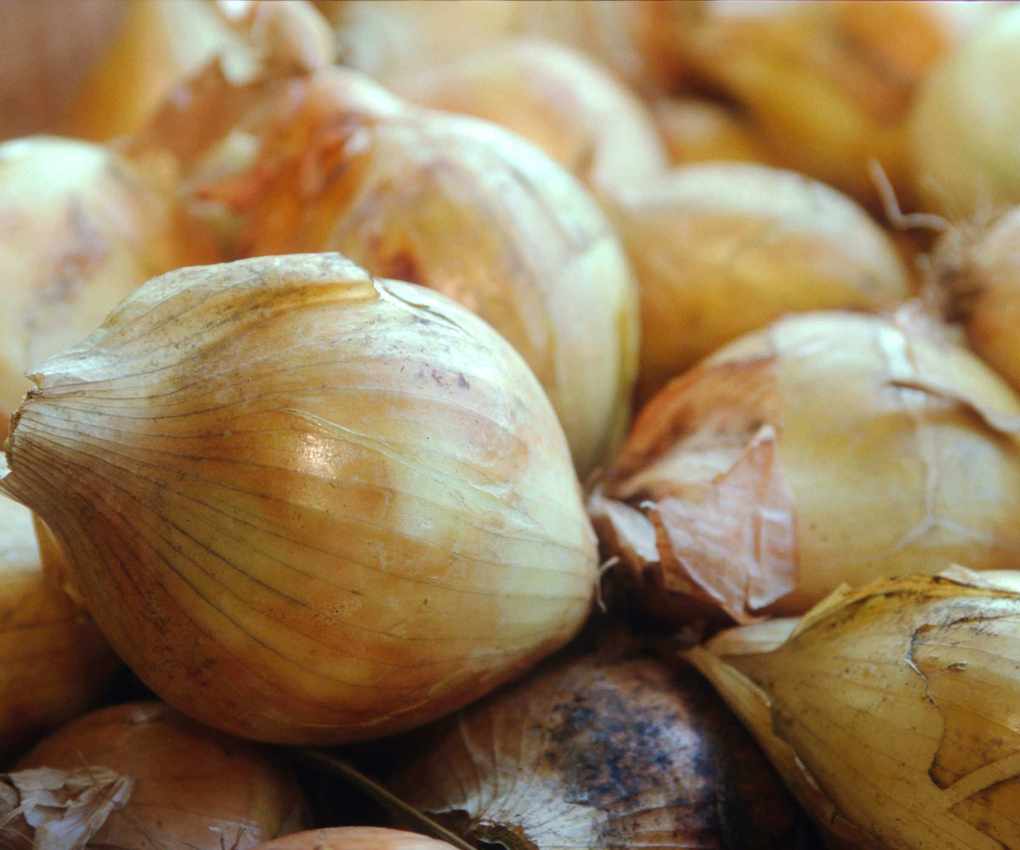
'Walla Walla Sweet' onions
- Ideal for: Northern climates
- Type: Long day variety
'Walla Walla Sweet' onions thrive in both warmer and cooler climates. They originated from Corsica and are now the state vegetable of Washington. This popular long day onion can produce sweet bulbs weighing up to two pounds, maturing in 90 days and storing well for up to three months with crunchy white flesh and mild flavor.
6. Red Creole
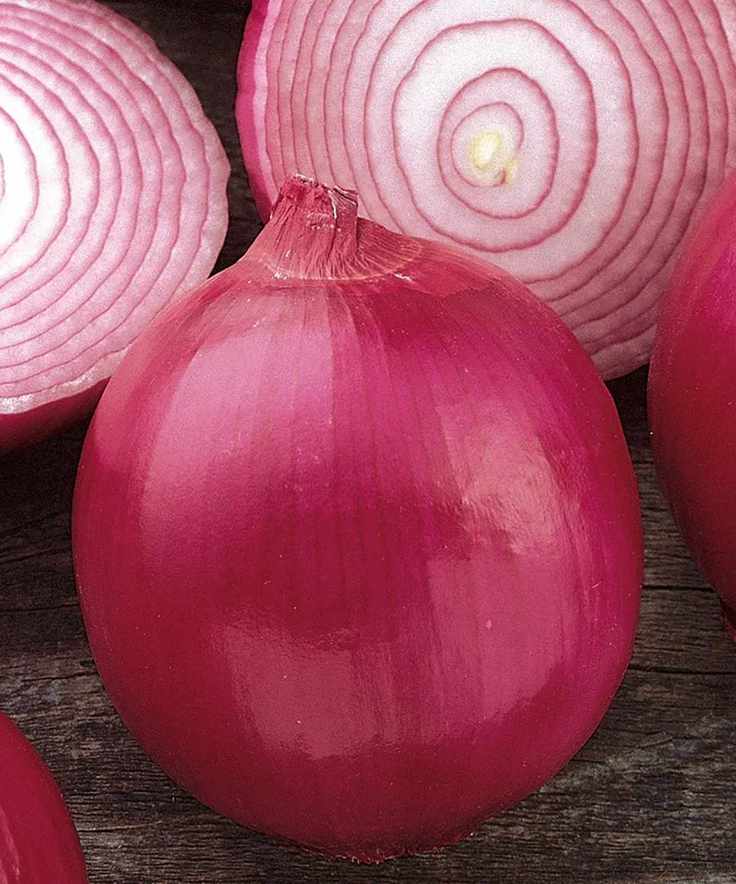
- Ideal for: Warmer zones
- Type: Long day variety
'Red Creole' is well-suited for hot and dry climates. This short day onion produces flat, red-skinned bulbs measuring 3-4 inches in diameter, featuring spicy red flesh. It takes about 110 days to harvest and boasts a storage potential of up to seven months, perfect for cooking or eating raw.
7. White Lisbon
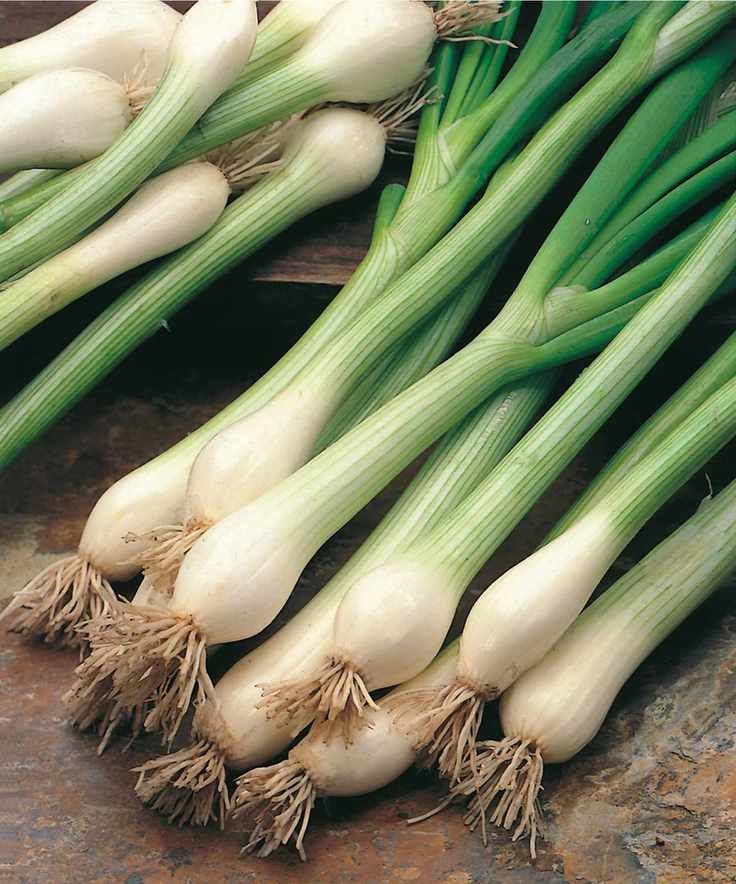
'White Lisbon' bunching onions
- Ideal for: Scallions
- Type: Fast-growing bunching onion
'White Lisbon' is a widely loved bunching onion that matures in just 60 days but can also be left to grow for 120 days. This fast-growing variety has a mild flavor, producing long white stems topped with bright green leaves, and is slow to bulb, allowing for continuous harvesting through spring, summer, and fall.
How to Choose Between Various Onion Types?
Onions are vital in kitchens worldwide, and numerous types are available for your vegetable garden, including yellow, white, and red onions, plus shallots and scallions. Choosing among them can feel overwhelming.
Yellow onions, also known as brown onions, are the most widely used, acting as the backbone of the onion family. Flavors vary; for instance, white onions are milder while red onions are sweeter, making them suitable for raw consumption. Shallots are smaller, consisting of multiple cloves, while scallions are immature onions consumed whole.
Numerous factors influence which onion types to grow and when to plant onions. It's essential to focus on your preferences and gardening conditions over mere statistics found in catalogs.
According to an expert, when deciding on a variety to grow, your taste and the timing of planting are crucial since different varieties are designated for winter and spring planting.
What Are Short Day and Long Day Onion Varieties?
The amount of daylight affects when an onion plant begins to swell its bulb instead of concentrating on leaf or root development. Short day, long day, and intermediate are terms that refer to the light requirements for bulbing.
Short day varieties require at least 10 hours of sunlight daily, thriving in USDA hardiness zones 7 and warmer. Intermediate onions need 12-14 hours and are best suited for zones 5 and 6, although most can adapt to any zone. Long day varieties, needing 14-16 hours of light, do best in zones 6 and colder.
Successful onion cultivation hinges on location, sunlight hours, and the days to maturity when planning your harvest.