I'm that friend who suggests spontaneous travel plans. So, one April Thursday, I texted my buddy Nick about a trip to Mongolia in August. This idea sparked from a 2014 bucket list note I rediscovered, with riding a camel in the Gobi desert as a highlight. Mongolia had lingered in my thoughts for years. After freelancing full-time, I finally had time to visit.
Nick lived in Japan, making it easy for him to join. We had previously traveled to Burma together, so I knew he'd be up for this adventure. Being a fellow photographer and food lover, he was quick to agree. Together, we planned an epic journey that became the highlight of my 2018. Here's an overview of our trip and must-visit spots in Mongolia.
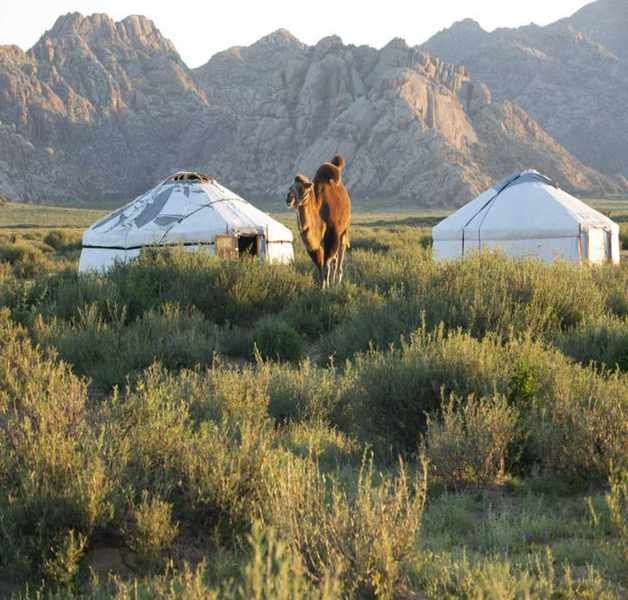
Essential Insights into Central Mongolia & the Gobi Desert
This post includes all logistics, costs, and details about our trip, including a day-by-day breakdown and a packing list at the end!
Are Guided Tours Necessary in Mongolia?
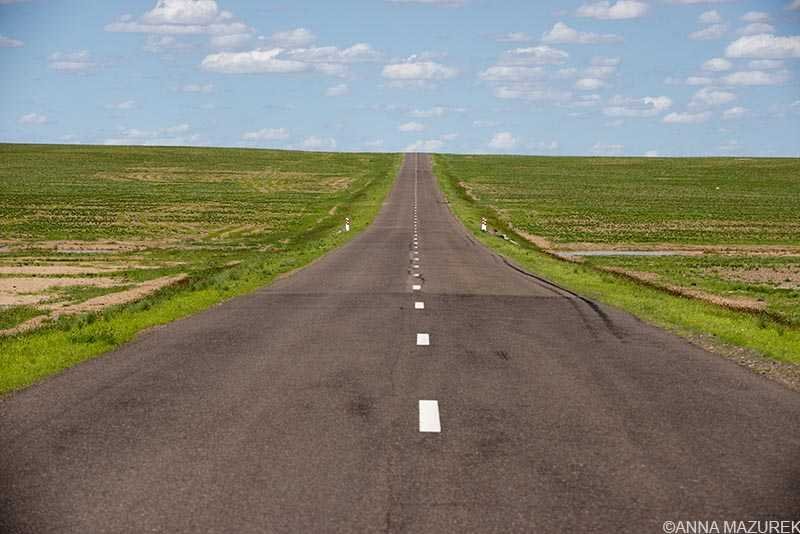
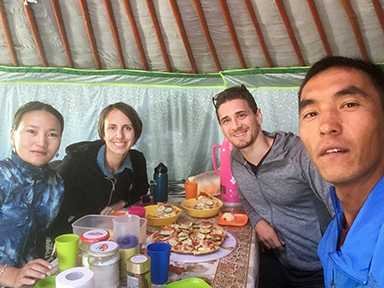
Taking a guided tour is essential in Mongolia. I usually avoid tours, but with limited paved roads, self-driving isn't feasible. We booked our tour through Vast Mongolia Guest House, found on Booking.com, and loved it. A friend connected us with a guide who organized our tour and helped us find others to share costs. Our group consisted of five travelers, including Nick and me – Jorge, a Spanish chemist; Lisa, a British archeologist; and Peter, a Canadian travel nurse.
Since Mongolia is vast, we couldn't see it all in one trip without months to spare. We chose a 12-day tour covering the Gobi Desert and Central Mongolia due to Nick's limited vacation days and my need to return to Texas for a freelance project.
Food was included, and our guide and driver prepared delicious meals daily!
Accommodation & Restroom Facilities
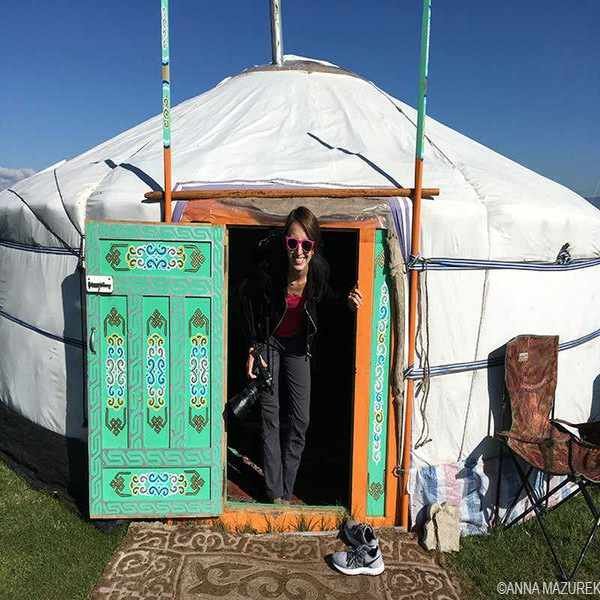
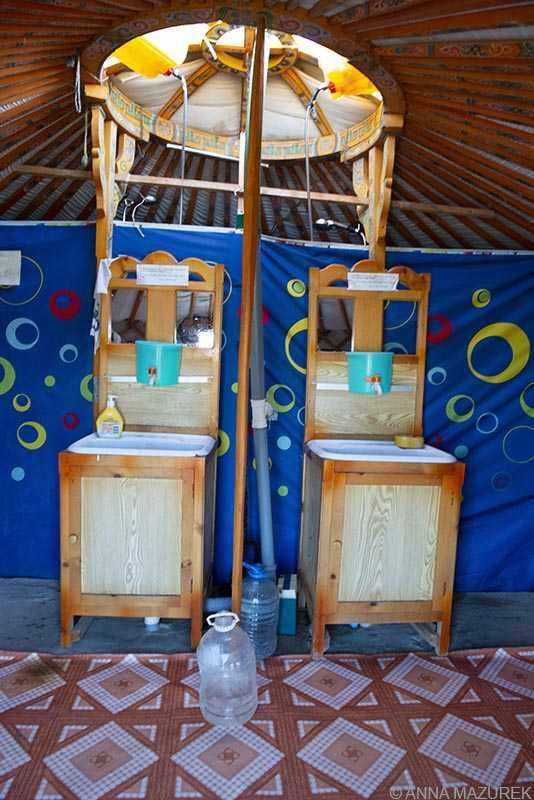
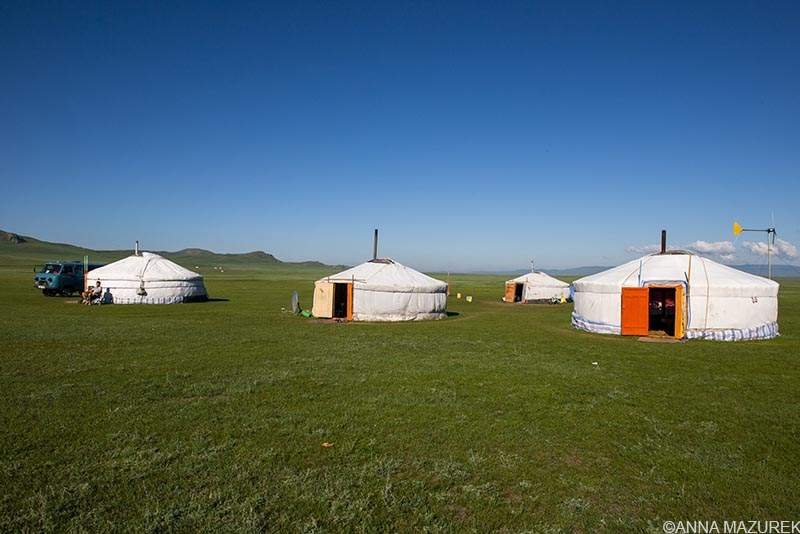
We stayed in ger camps each night except in Ulaanbaatar, where we had a guesthouse. Some camps were homestays with local families and animals. Most nights, we had individual beds, but one night we slept on the floor in sleeping bags. Only three camps provided showers during our 12 days, and restrooms were typically pit toilets or outhouses, even in cities. Running water was only available in Ulaanbaatar.
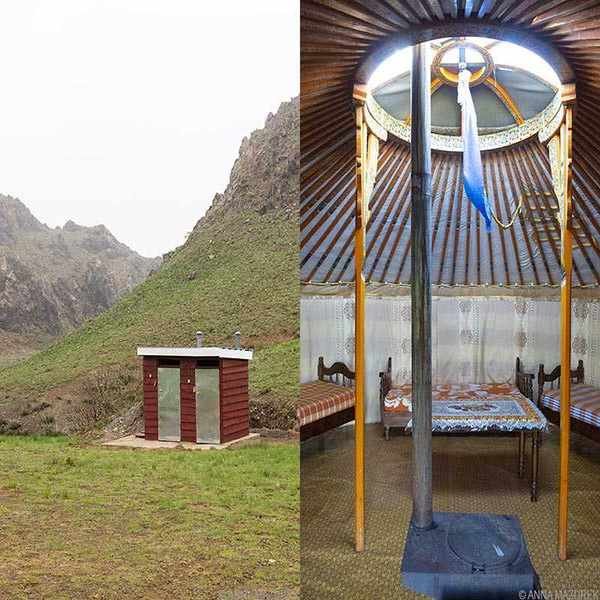
Most gers had wood stoves for warmth, with power for a few hours each night for charging devices. We could also charge our phones in the van.
Day 1: Chingis Khaan Horse Statue & Terelj National Park
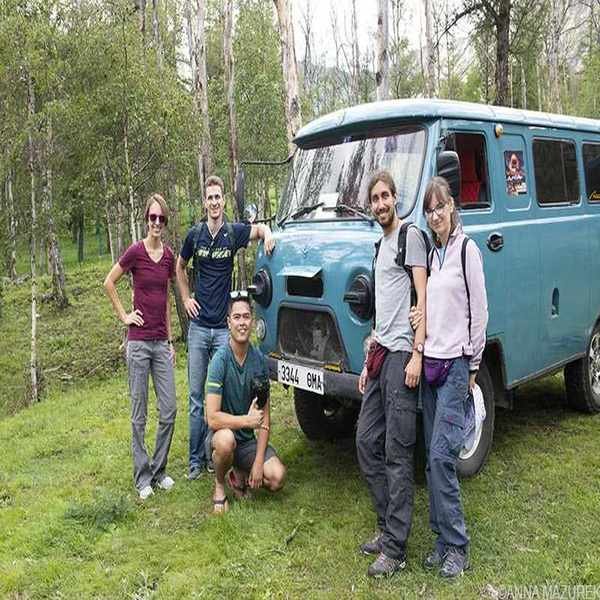
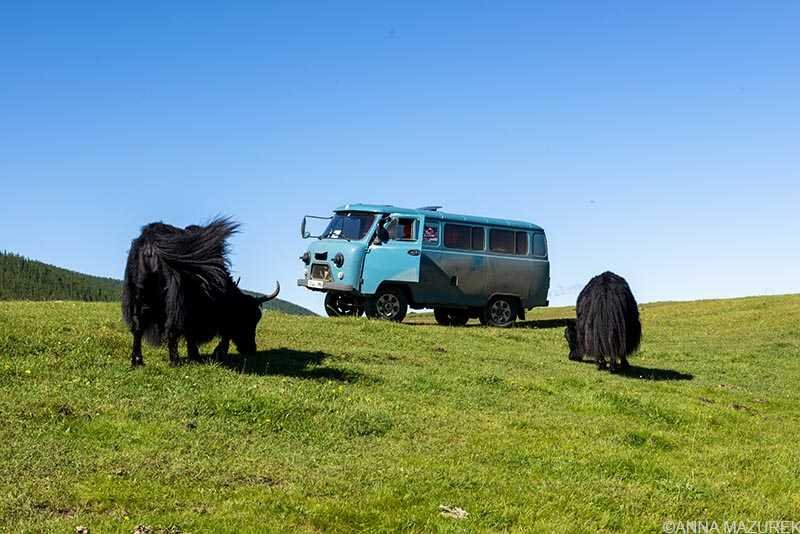
Upon seeing Boris, our blue-tinted Russian van with pink interior, I was smitten. We named him ourselves. He was the coolest van around!
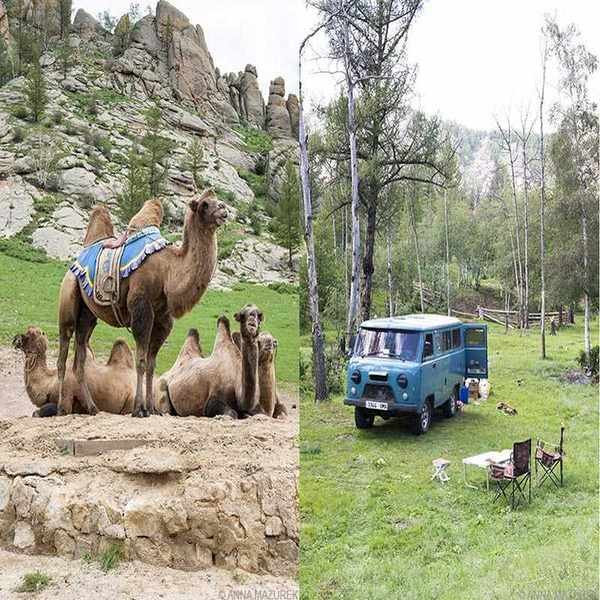
Our driver, Otgoo, was a remarkable guy, likened to MacGyver and Chuck Norris. He was friendly, hardworking, and could fix anything. His tire-changing skills were impressive! If a zombie apocalypse struck, I'd want him on my team!
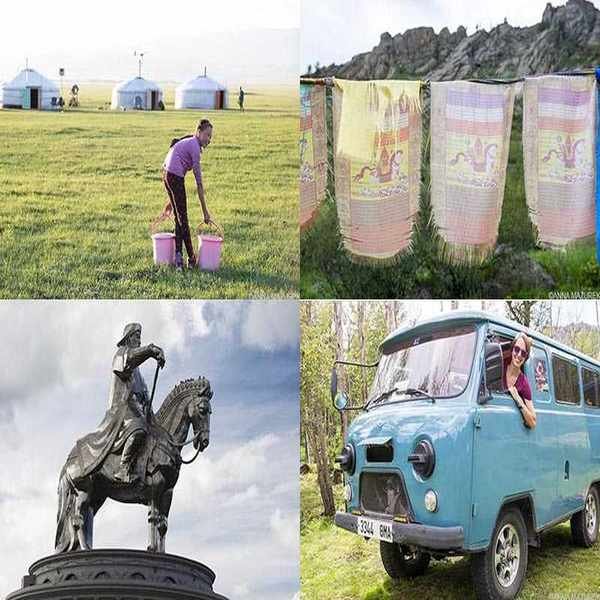
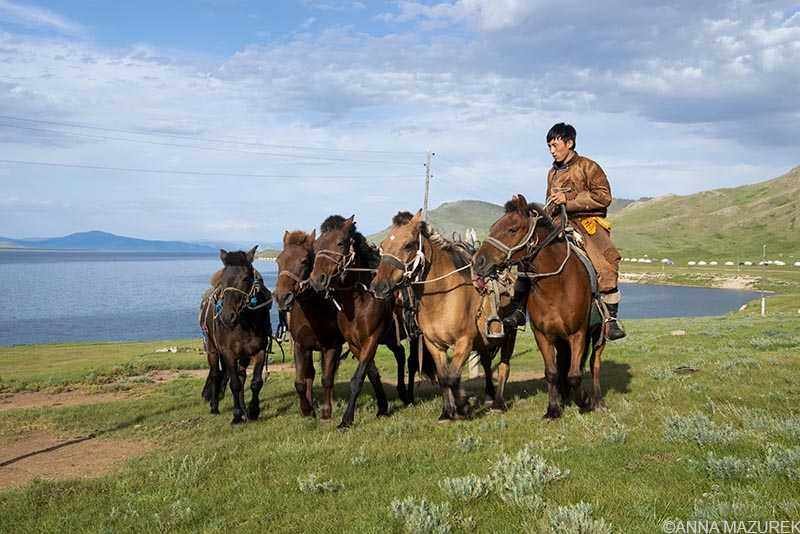
We first visited Terelj National Park, close to Ulaanbaatar, riding horses to Aryapala Temple, a Buddhist site reminiscent of India. My horse took off unexpectedly, nearly throwing me off! After that, we explored the iconic 131-foot Chinggis Khaan horse statue, which points east toward his birthplace.
Day 2: Baga Gazriin Chuluu
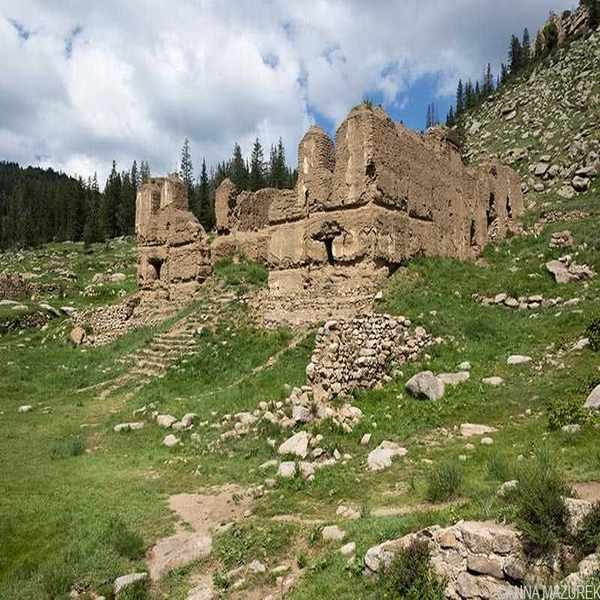
Our first stop was the ruins of Manjusri Monastery, destroyed by communists in the 1940s. Travel teaches us about history, reminding us of past mistakes.
We drove for a long time, turning off the paved road onto an unmarked dirt path. Otgoo expertly navigated through fields with no signs, a constant source of amazement throughout our trip.
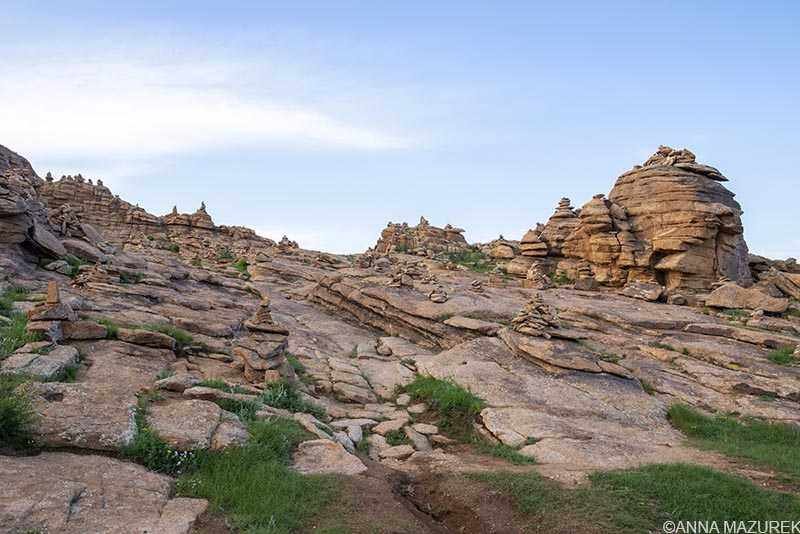
We reached Baggu Gazriin Chuluu, a breathtaking rock formation. One memorable moment involved a bathroom break, where we unexpectedly encountered two boys on motorcycles while one of the girls was squatting!
Day 3: Middle Gobi & Tsagaan Suvaga
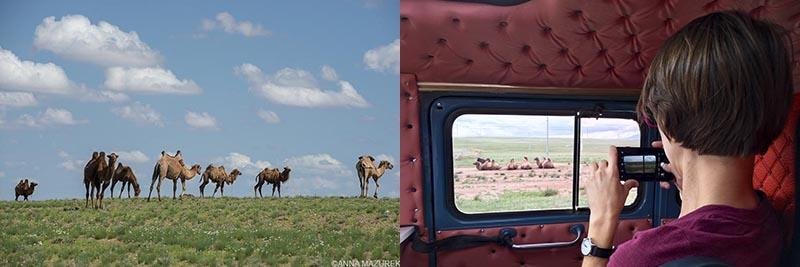
The Middle Gobi's scenery was flat, with green grass and sand patches. I spotted what I thought was a herd of goats but turned out to be two-hump camels! Naturally, we stopped for photos.
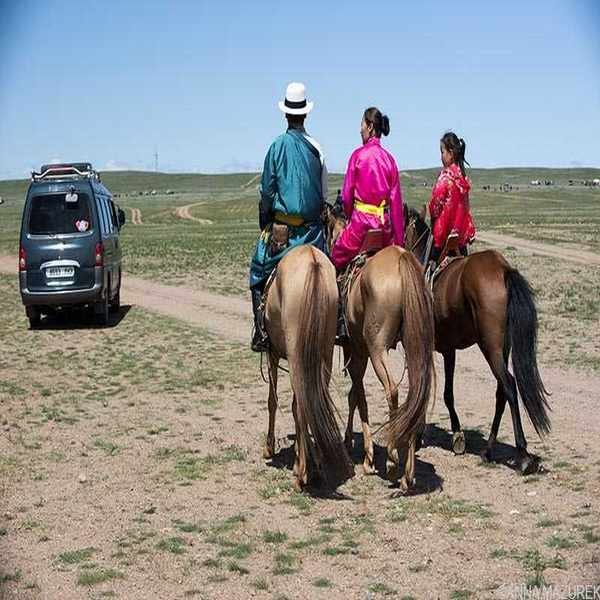
Next, we visited Luus for a local Naadam festival, featuring horse races and wrestling. We sampled fermented horse milk, which was as unappealing as it sounds!
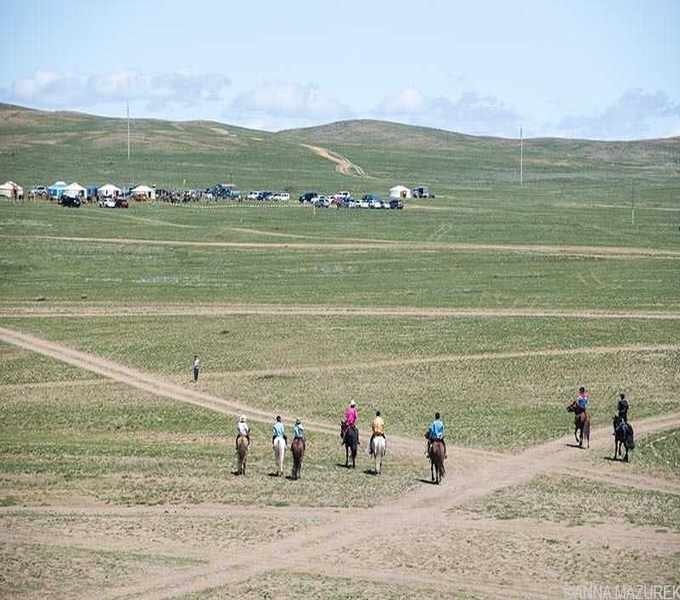
Mongolia surprised me with its modernity. I encountered more towns than expected, with frequent cell service. People were using motorcycles for herding instead of horses, which was unexpected.
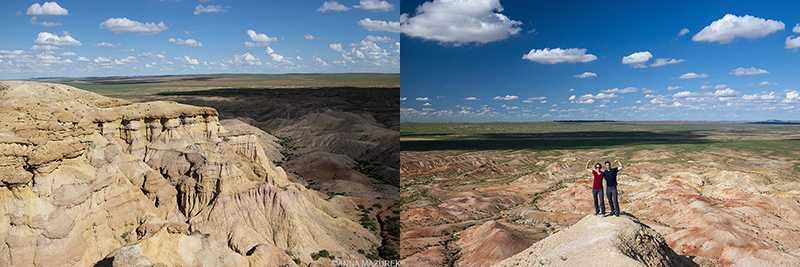
We stopped at Tsagaan Suvarga for a stunning viewpoint over red sand cliffs and rock formations.
Day 4: Yoliin Am & Southern Gobi
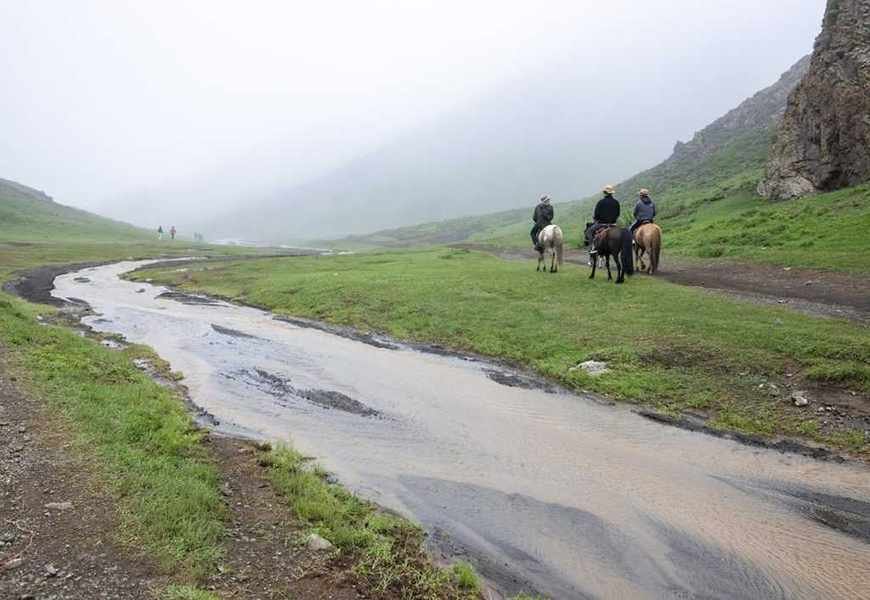
After a rainy night, we navigated muddy roads to Yoliin Am, a canyon split by a river that remains frozen until July. We hiked 10 kilometers through drizzly weather, which created a moody atmosphere for photos.
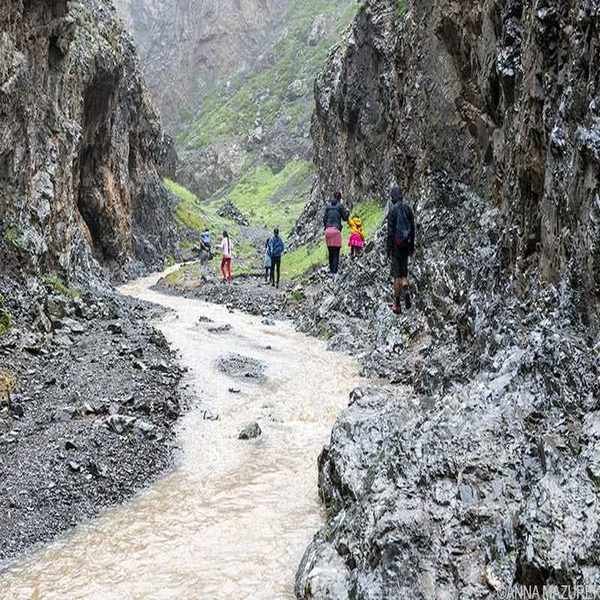
The museum at Yoliin Am featured terrible taxidermy, which was oddly amusing. After returning to our van, heavy rain began, causing the road to wash out. Thankfully, Boris, our reliable van, handled the conditions well!
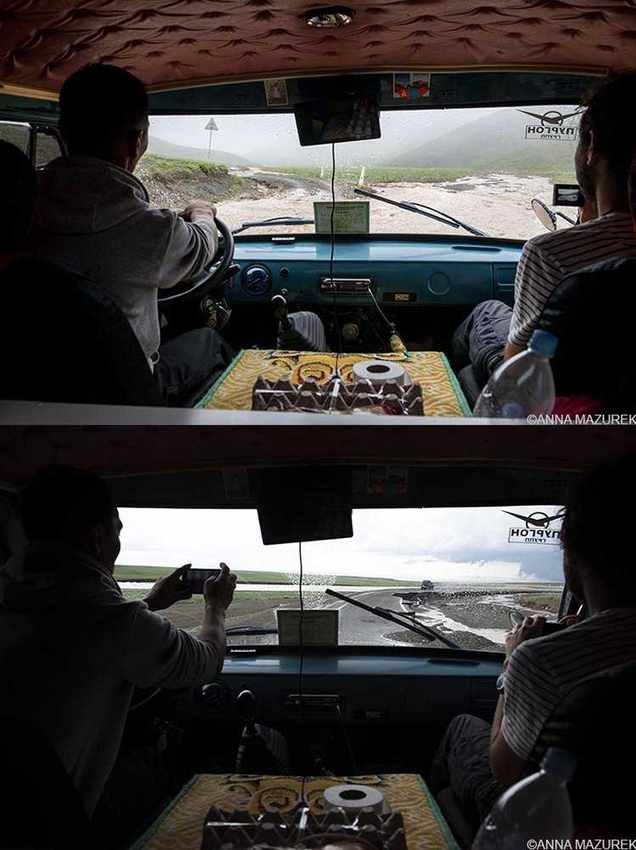
The main paved road was also damaged from the rain. We finally reached the Gobi desert that evening to see the famous Khongoryn Els, the largest sand dune in a 180-kilometer stretch of dunes. This was the reason for my journey!
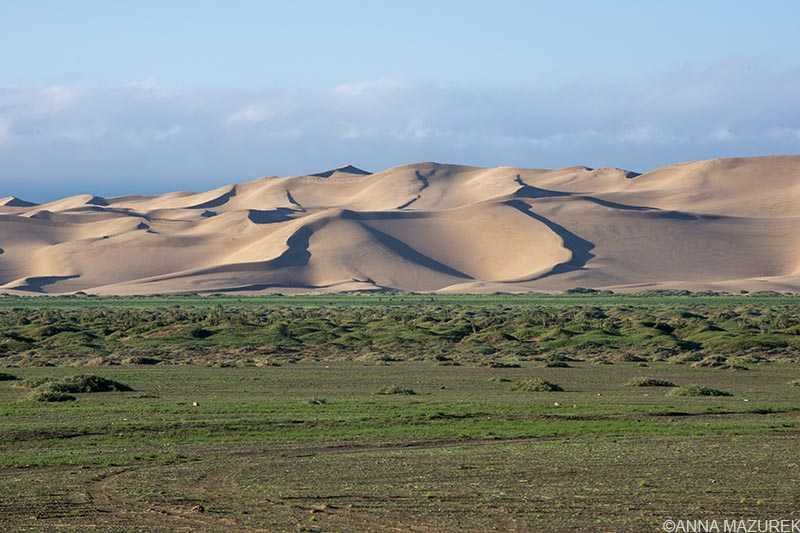
Upon arrival, we spotted two-hump camels outside the ger camp, and I eagerly took photos as the sun began to set.
We enjoyed a sunset camel ride, and the starry night sky was breathtaking, especially during the Perseids meteor shower, as we spent time stargazing.
Day 5: Gobi Desert & Flaming Cliffs
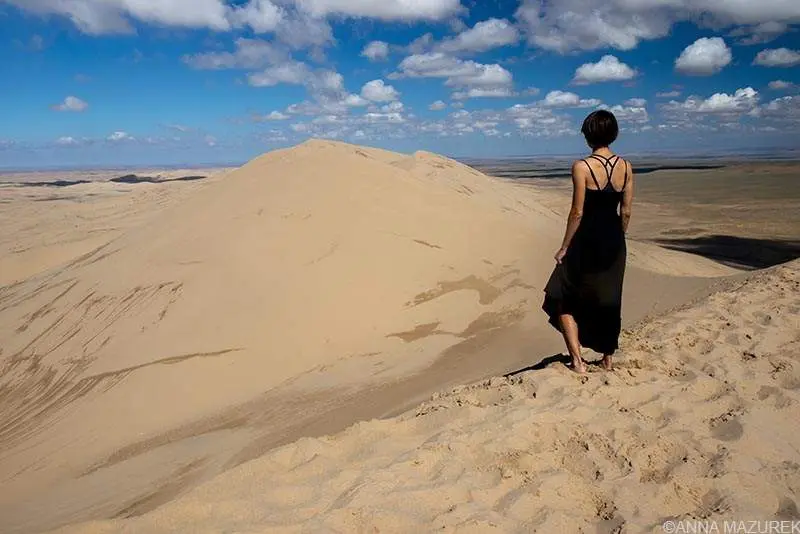
I woke at 6:30 a.m. to shower and take photos in my travel dress instead of dirty hiking clothes. We drove to the sand dunes, arriving just as a man with camels appeared. I was thrilled!
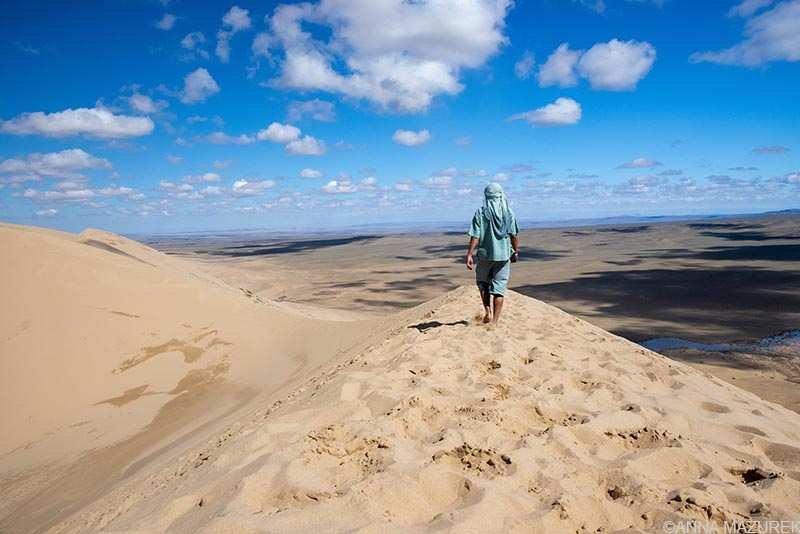
We climbed the dunes at 9 a.m. It was tougher than expected, taking 30-40 minutes to summit! The view was worth it, and we took goofy photos to commemorate the moment.
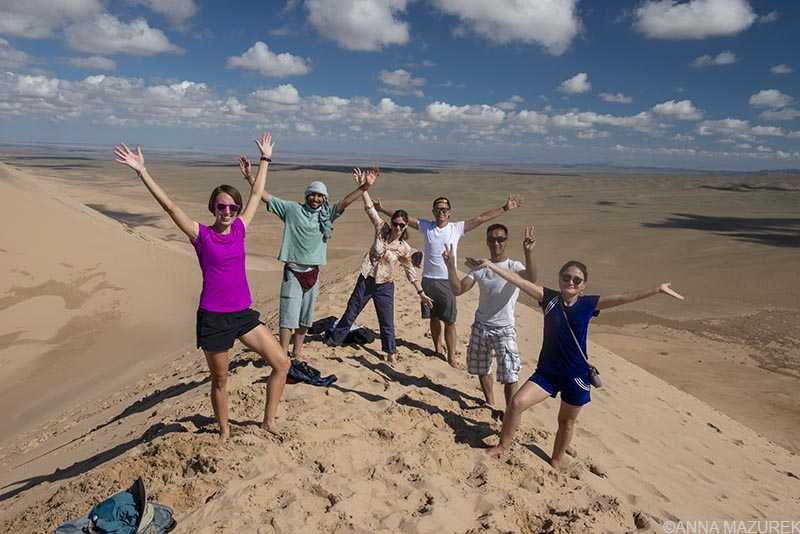
This day was the highlight of our trip, confirming my love for remote destinations. Despite peak tourist season, it felt uncrowded, with just a few others at the base!
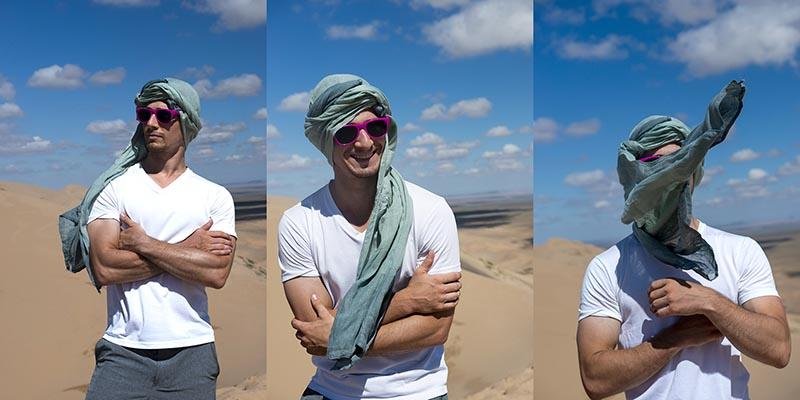
Only five days in, and it felt like months had passed. Nick remarked that it felt like this trip was his entire life, echoing my feelings when traveling.
We faced tire issues today and spent an hour on the roadside. Otgoo skillfully repaired the tire with impressive speed, showcasing his resourcefulness. We lost some time but continued onward!
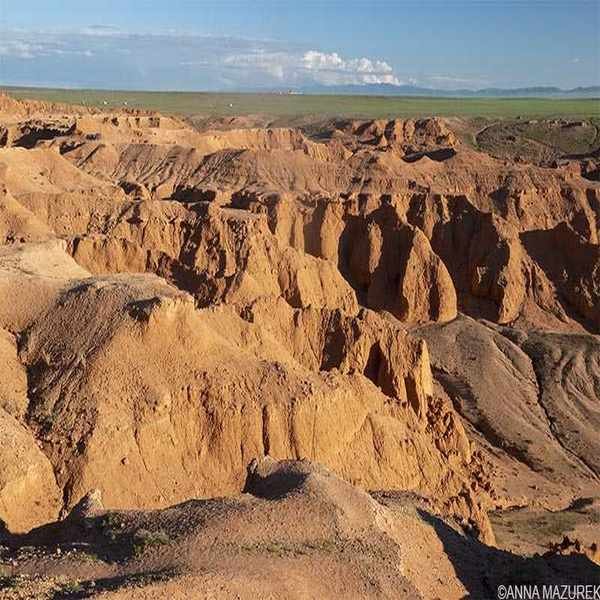
Our day concluded at the Flaming Cliffs, a hotspot for dinosaur bones, including the first discovered dinosaur eggs. I wished we had more time to explore!
Day 6: Visit with a Local Nomadic Family
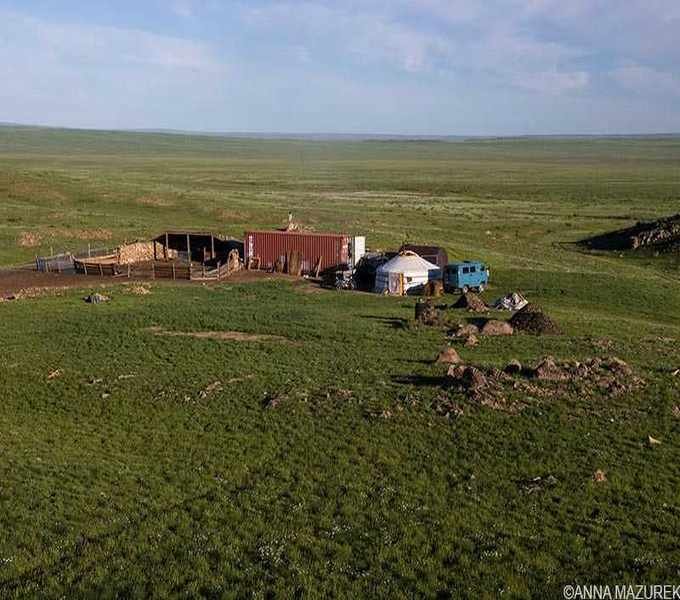
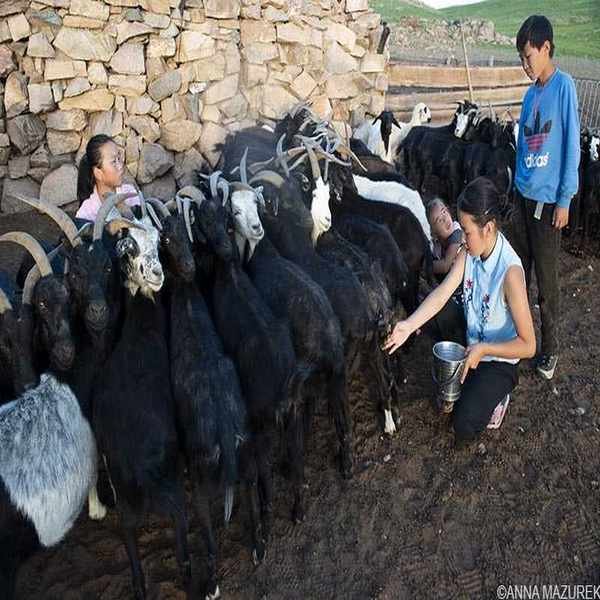
We dropped off Peter in a nearby town to catch a bus back to Ulaanbaatar. We spent the afternoon with the family of our guesthouse owner, living in traditional gers with a goat herd. We even milked goats and tasted local food!
That night, the meteor shower was mesmerizing. Nick and I sat outside, marveling at the sky until our necks ached. If possible, plan your trip around a meteor shower!
Day 7: Ongi Monastery
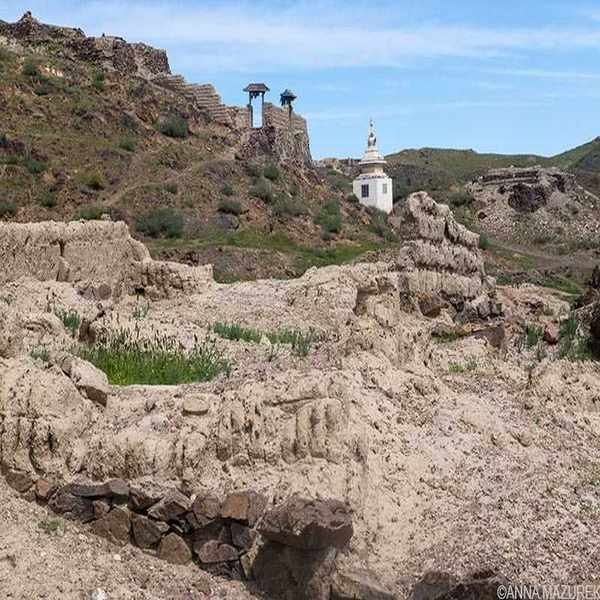
We drove until 1 p.m. to reach Ongi Monastery, a favorite stop. Built in 1660, it once had 11 buildings, later expanded to 17 in the 1800s. The complex was stunning, although all structures were destroyed during the 1939 purges.
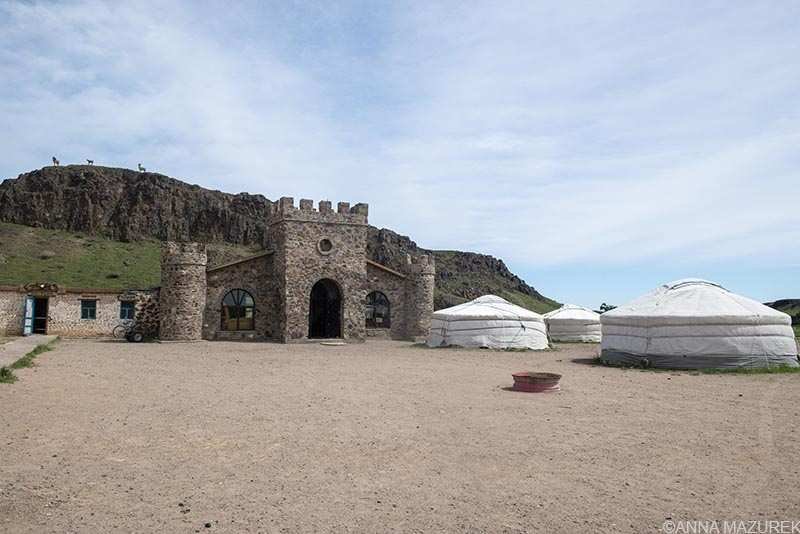
We stayed at a ger camp by the Gobi's only river, enjoying two luxuries: cold beer and hot showers. This was our third shower of the trip!
We relied on plastic water bottles from our guide due to the scarcity of groundwater. I dislike plastic, but my water filter proved useless.
Mongolia sometimes reminded me of India, only cleaner and less crowded. There's a luxury camp nearby, and people need to travel by van, as there are no glamorous routes or airports. The environment remains pristine, with only a bit of litter near cities.
People in Mongolia are genuinely friendly, untouched by mass tourism. It's refreshing to visit a place that maintains its charm!
Day 8: Ulaan Tsutgalan Waterfall & Dance Party
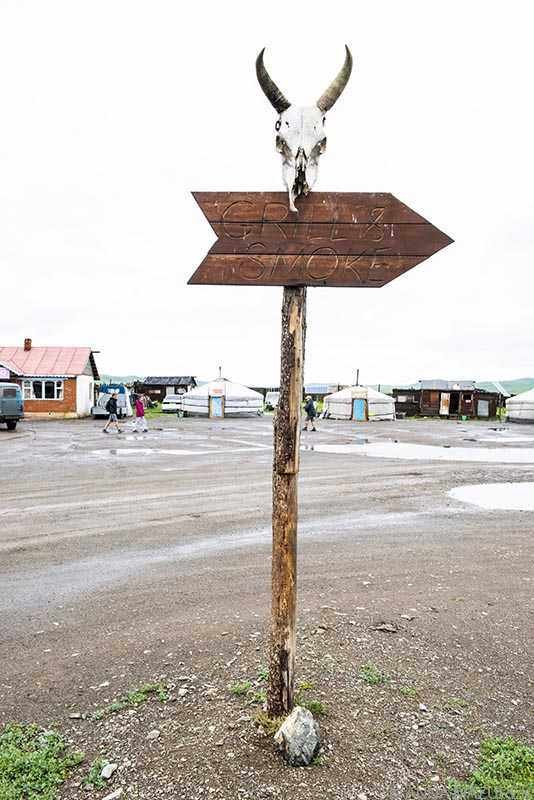
The cold, rainy weather made me thankful for a full day of driving, even on rough dirt roads. We stopped for lunch at a place that looked eerie, complete with an animal skull hanging outside.
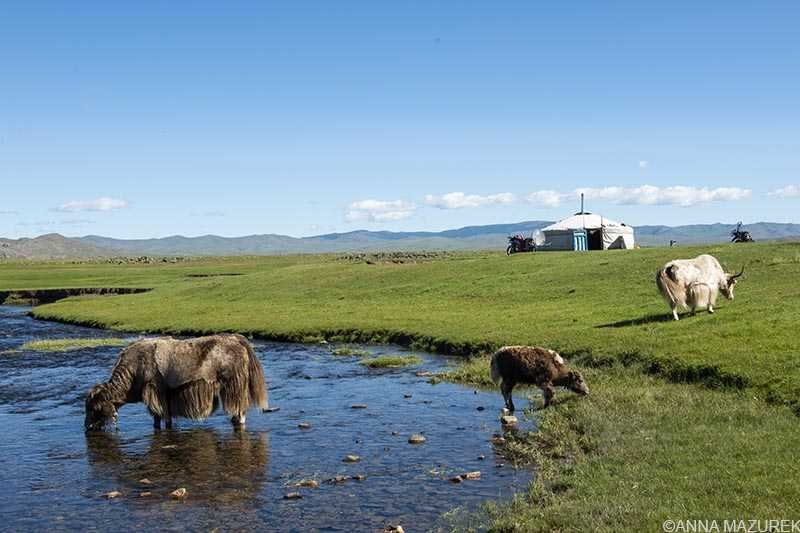
After overlooking the Ulaan River, we reached the unimpressive waterfall by 6 p.m. The walk to the falls led through a lush valley with grazing yaks.
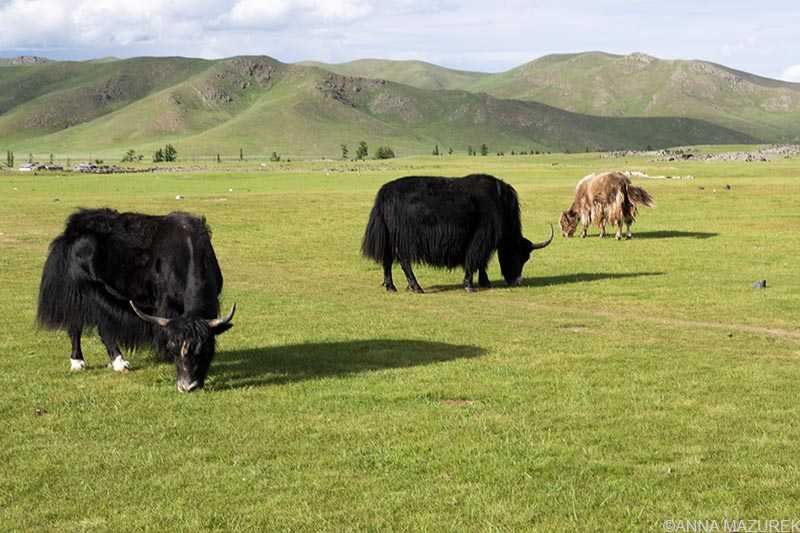
Finding our driver was a bit chaotic; he had been helping slaughter a sheep! As we approached the capital, we encountered more people and ger camps. Unfortunately, we also noticed more litter near the waterfall parking lot.
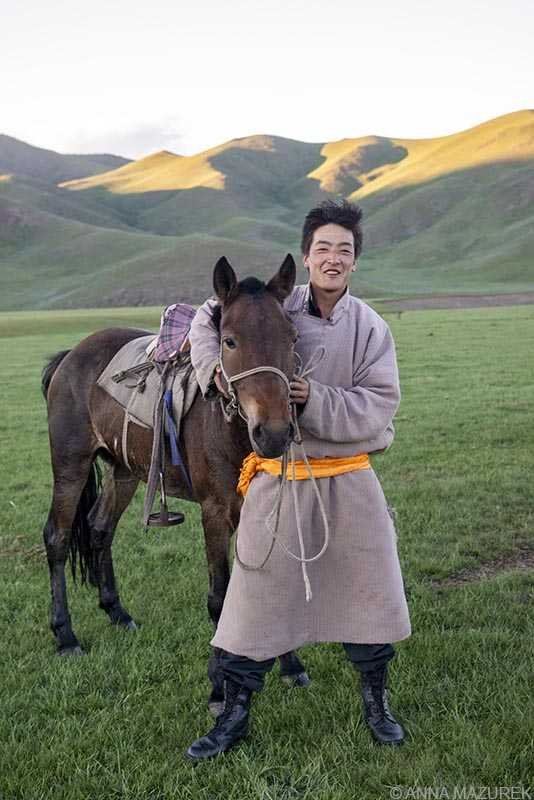
That night, we held a bonfire at our ger camp to bid farewell to Lisa and Jorge. Otgoo parked Boris by the fire for music. Locals and fellow travelers joined us for a dance party under the Milky Way, enjoying vodka and wine.
Day 9: Tsenkher Hot Springs
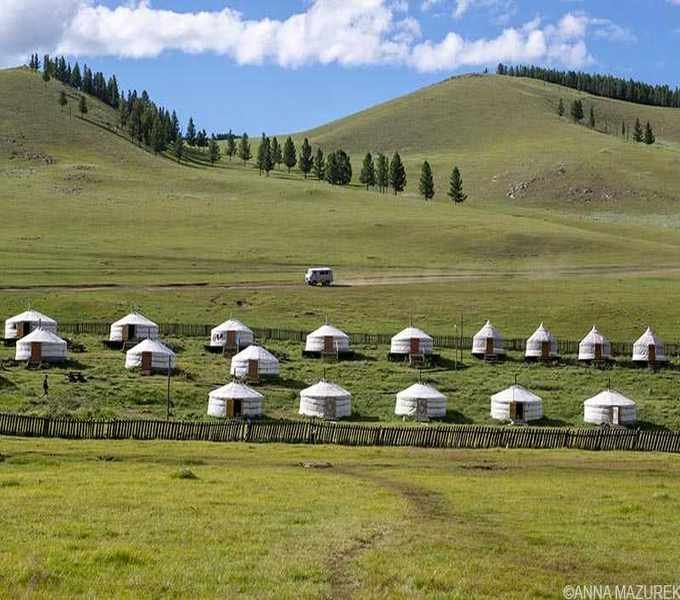
Nick and I said goodbye to Lisa and Jorge in the morning. Our next stop was the most touristy part of the trip—hot springs. The thermal pools varied in temperature, but I've never understood the appeal of hot springs.
The landscape transformed dramatically; lush green grass turned into mountains lined with trees resembling dragon spikes, with marmots scurrying about.
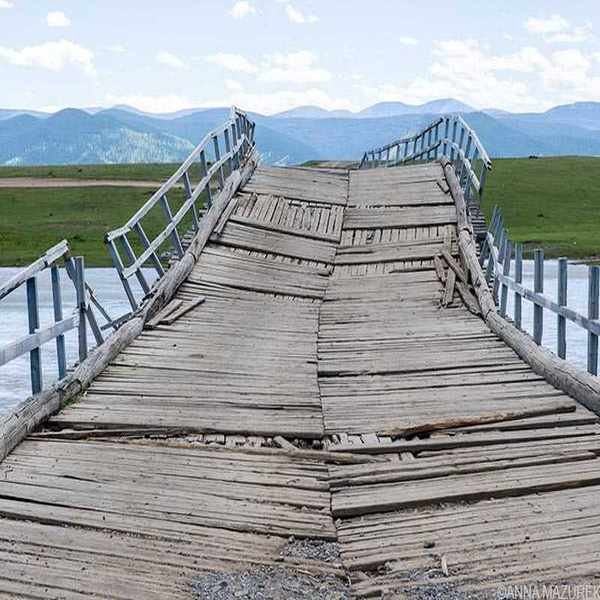
Today's road was the worst yet. Boris shook continuously, and we crossed a precarious bridge that looked almost dismantled. Otgoo made us walk across first before driving over.
As we traveled north, nights grew colder, making it hard to sleep. Most travelers we met were on the Trans-Siberian Railway, with only a few days to explore. I can't wait to return and explore northern Mongolia more thoroughly.
Day 10: Kherogo, Terkh & Crater Lake
We had lunch by a scenic stream while Otgoo replaced a brake pad, hitchhiking to a nearby town for parts. We arrived at the lake after sunset.
Day 11: Khorgo Crater, Terkh National Park & Karakorum
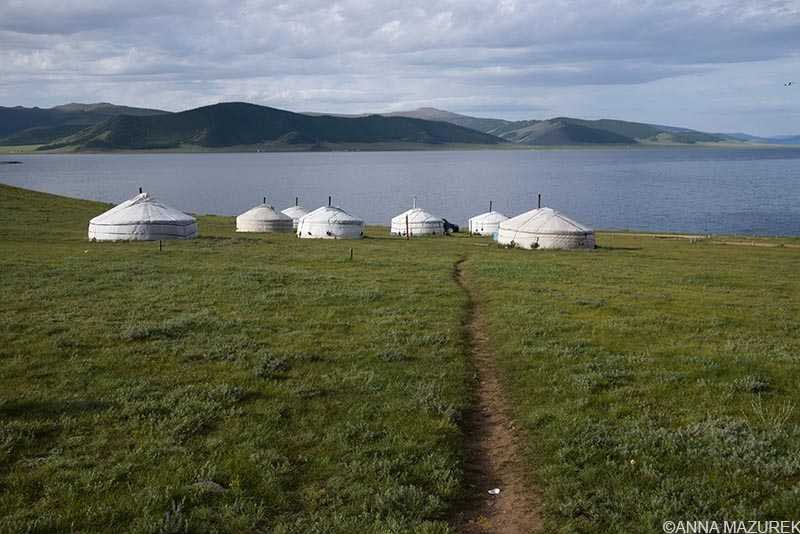
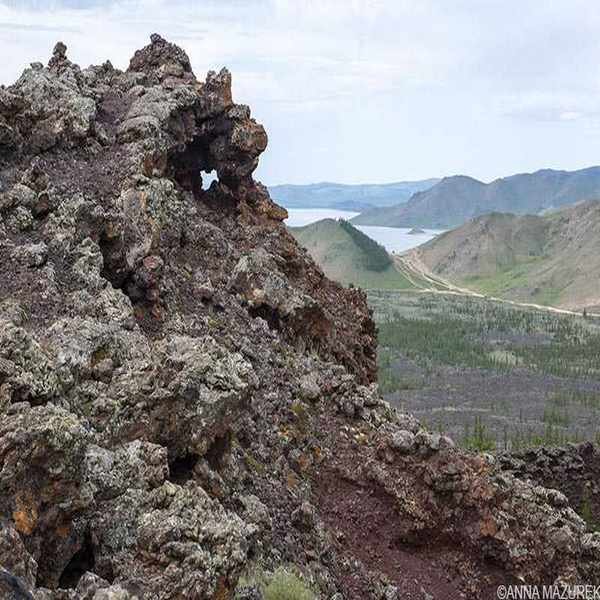
I woke at sunrise to capture the stunning view of the ger camp and lake. We hiked up Khorgo Volcano's crater rim, but altitude made it challenging. We spent too long at the top, causing our guide to redirect us down a different path.
Our ger was infested with spiders. I tried to catch them and release them outside, but we ended up killing over ten! It felt like a horror movie when Nick discovered one in his sleeping bag.
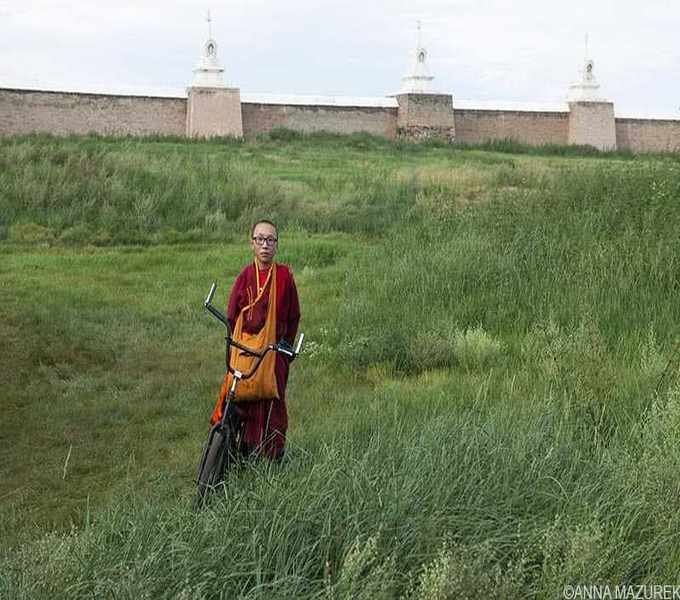
We reached Karakorum, established by Chinggis Khan in the 1300s, just before closing time. The complex featured stunning temples and monasteries. We rushed to explore my favorite monastery in Mongolia.
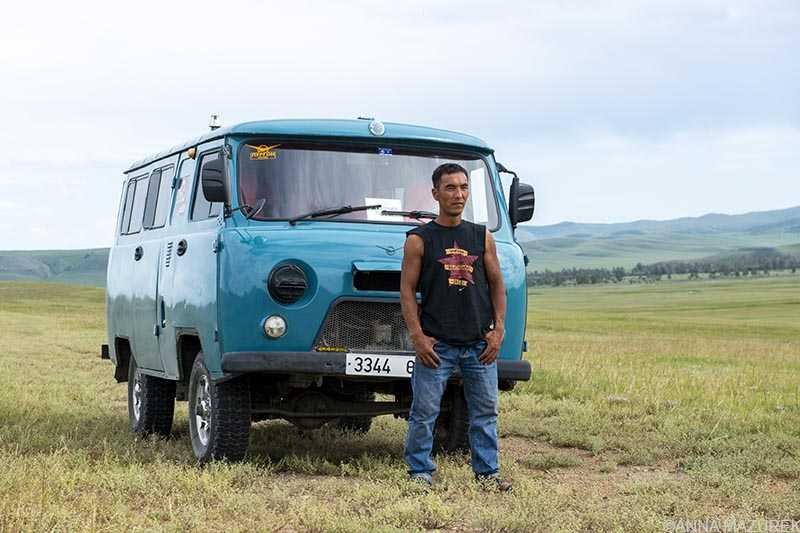
We spent the night at a ger camp near the mini-Gobi sand dunes, often visited by those with limited time. Upon arrival, we noticed a horse tied up, but later discovered three camels tied nearby as well.
Day 12: Khustai National Park & Ulaanbaatar
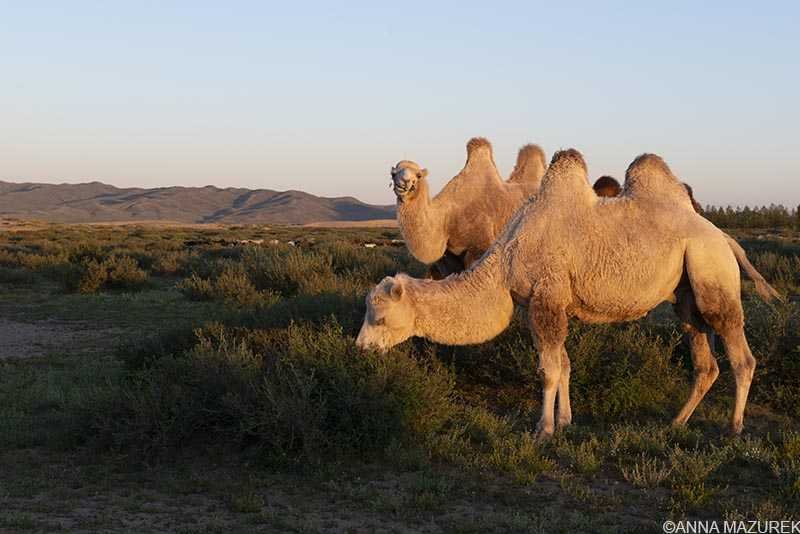
I woke early to photograph the camels, who had multiplied overnight. I chased them with my camera, much to the local family's amusement!
The food was incredible. Our guide made fried dumplings for dinner and pan-fried pizza for breakfast, topped with cucumbers, potatoes, cherry tomatoes, and eggs. It was phenomenal.
We visited Khustai National Park, famous for wild horses, which were bred in zoos and successfully returned to the wild. We spotted them quickly on a nearby hill, but couldn't get too close due to park rules.
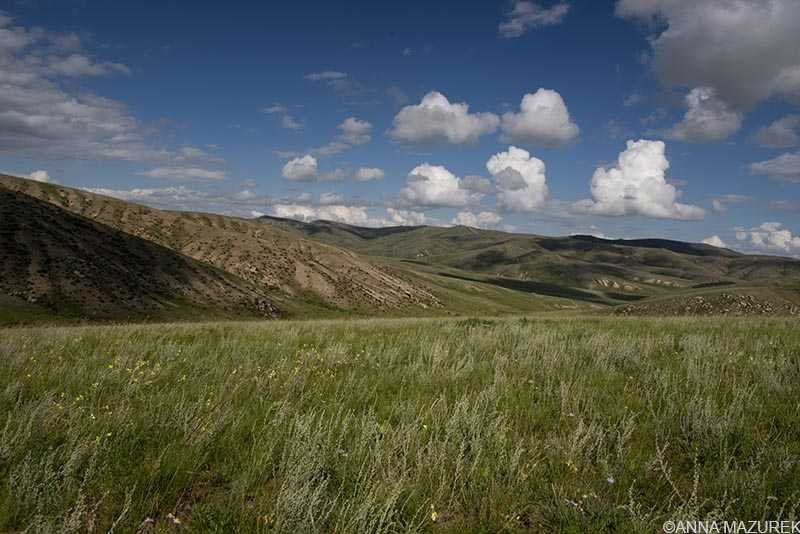
As our tour concluded, we felt nostalgic about leaving Boris behind. We arranged a farewell dinner with our driver, guide, and the organizer of our tour. We visited a brewery and ended up in a karaoke bar where Nick impressed everyone with his skills, and Otgoo showcased his talent, having been a drummer in a band.
_____________________
Optimal Times to Visit Mongolia
Peak Season: June to August
June and July offer warm, mostly dry weather, while late August brings cooler temperatures and rain. Book in advance for Naadam, held mid-July (2019 dates: July 11-15).
September and October host eagle festivals in Olgii and Bayan-Olgii. Some camps close during shoulder and low seasons. December and January are frigid, with significant air pollution in Ulaanbaatar. March and April can bring winds and dust storms.
Visiting the reindeer people in the north requires a three-day horse ride in summer after several days of driving. In May, it's a one-day ride but still involves extensive driving.
Cost of Traveling to Mongolia
Our tour cost about $1,200 each. Daily costs fluctuated based on the number of participants (typically $30-50 per person for budget tours). I booked my flight in May for an August trip, paying around $1,300 roundtrip from Charlotte via United Airlines, with layovers in JFK and Beijing. On my return, I took a 12-hour layover in San Francisco to visit a friend, then flew back to Charlotte via DC, saving $500 on airfare. Overall, my trip totaled about $2,800, including $300 for driver/guide tips, airport taxis, and food/accommodation in the capital after the tour.
Packing Essentials for Summer in Mongolia (June-August)
- Headlamp
- Wet wipes & biodegradable soap
- Hiking boots
- Flip flops for communal showers and walking around the ger sites (I love my black Haviana's!)
- 2 hiking pants & 1 pair of jeans for Ulaanbaatar
- 1 pair of long pants for sleeping
- 1 cotton tank for layering
- 5-7 shirts
- 1 long sleeve thermal shirt
- 1 long sleeve sun shirt for the Gobi
- 1 wide-brimmed travel hat
- 1 pair of shorts for the Gobi desert
- Scarf
- Hoodie and zip-up fleece
- Raincoat for layering
- Snacks (peanut butter packs, nuts, granola bars)
- USB cable for charging phones in the car
- Sunscreen (I recommend the natural chemical-free kind!)
- Sleeping bag liner (critical if sleeping bags are provided!)
- Undies and socks (one pair per day is ideal; I suggest 5-7 hiking socks for warmth at night)
- Extra camera batteries (two for DSLR; six for mirrorless)
- Toilet paper (a 4-pack lasted us the entire trip)
- Kleenex
- Dramamine (natural non-drowsy ginger kind recommended!)
- Gloves
- Travel towel
- Small tripod for night photography
- Camera clip for easy access (Peter had one for his mirrorless DSLR, and I was envious!)
- Inflatable neck pillow
- Journal (great for using spare time and remembering your trip!)