
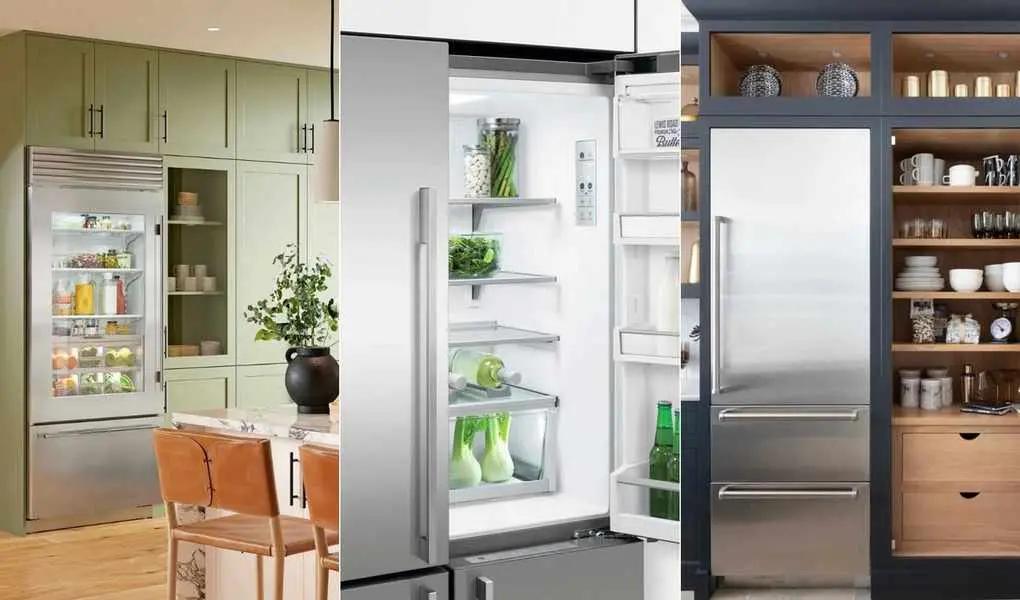
Organizing your refrigerator effectively can be a challenge. How often do you return from grocery shopping, only to toss everything inside without a second thought? In the chaos of daily life, keeping our fridges in order often falls to the wayside.
'Sometimes, just getting groceries away feels like a task, and we forget about fitting everything neatly,' says a home economist. 'However, a well-organized refrigerator not only simplifies finding items but also maintains freshness, minimizes waste, and saves money.'
Maintaining order in your fridge can speed up meal prep and inspire creativity in your cooking. If you're planning a kitchen overhaul this weekend, be sure to include refrigerator organization in your to-do list.
Refrigerator Organization
Creating a systematic approach to organizing your fridge is essential. Regularly checking expiration dates and cleaning surfaces will help maintain order. If family members tend to reach for the newest snacks first, consider designating an 'eat me first' shelf or container, encouraging them to finish older items first.
If you're rearranging your fridge or thinking of purchasing a new one, here's expert advice on how to organize it effectively.
1. Arrange by Expiry Date

'When stocking your fridge, place items in order of expiry, with the shortest dates at the front,' advises a kitchen expert. 'Before adding new groceries, rotate existing items. Regularly check your fridge to minimize waste by ensuring nothing goes out of date.'

Jamie Griffith, a kitchen expert, specializes in food waste management.
2. Label Leftovers
'Forgetting how long leftovers have been in the fridge is frustrating,' notes Jamie Griffith. 'Label leftovers with the storage date to help reduce waste.'
DYMO Label Maker
Was $64.47 | Now $53.99 at Amazon
Track expiry dates easily with a portable label maker.
3. Organize by Shelf Position

Understanding temperature variations between shelves is vital. Typically, the upper shelves are warmer, making them ideal for deli items, snacks, and prepared salads, while the lower shelves should house raw meats and fish.
'Check expiration dates regularly to ensure older items are at the front,' adds an expert. 'Keep foods with longer use-by dates towards the back and rotate them as you add new items.'

Cesar Fernandez is a culinary manager specializing in home appliance quality.
'Don't overlook door shelves; they're perfect for chilled drinks and condiments,' adds Jamie Griffith.
4. Adjust Shelf Heights
'A simple yet effective way to maximize space is to group items of similar heights on the same shelves,' suggests a food scientist. 'Organizing by height allows for adjustable shelves, eliminating wasted space.'
Ensure similar items are grouped appropriately; avoid mixing raw meats with cooked items.

Luisa Jamieson is an expert in refrigeration best practices.
5. Avoid Overpacking
When organizing the fridge, it's crucial not to cram items in. 'An organized fridge maintains freshness and reduces waste,' states a cooling manager. Ensure air can circulate freely to keep food cool and fresh.
Overstuffing can block air vents and affect energy efficiency. 'Decluttering regularly is essential,' she adds. 'Consider a larger fridge if you often shop in bulk.'
If space is limited, a mini fridge might be more efficient. A near-empty large fridge uses more energy, so keep it about two-thirds full. Add cold water bottles before grocery day to help maintain temperature.

Valerie Posner manages product strategy for a leading appliance manufacturer.
6. Use Crisper Drawers Wisely

Crisper drawers are designed for fruits and vegetables. Keep items separated; the vegetable drawer maintains high humidity for greens, while the fruit drawer has low humidity to prevent aging.
'Understand ethylene gas production; some fruits ripen others too quickly,' notes a food scientist. Store ethylene-producing items separately from sensitive produce to reduce spoilage.
7. Store Wisely in the Door
Door shelves are the warmest, ideal for long-lasting items like jams, dressings, and juices. Avoid using them for bulk items; instead, store those in the middle shelves for better longevity.
8. Stack Beverages for Better Space Utilization

For those without a wine cooler, stacking beverages can save space. Look for 'refrigerator-friendly' packaging that allows for efficient stacking. Specialized racks can also help maximize vertical space.
Ensure bottle caps are tightly sealed before horizontal storage to prevent spills.
9. Store Raw Meat on Lower Shelves
Keep raw meat stored on the lowest shelf, where it's coolest (37°F to 40°F). Use original packaging or wrap it to prevent leakage and cross-contamination.
'Always thaw meat in the refrigerator, not at room temperature, to minimize bacterial growth,' advises a culinary expert.
10. Prevent Odor Transfer
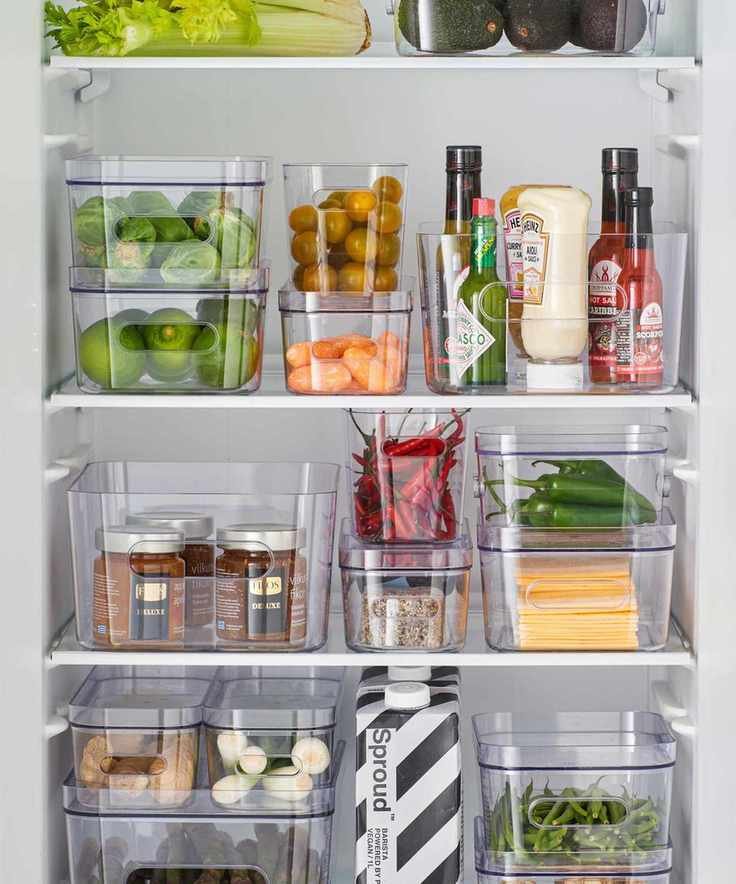
To avoid flavor contamination, seal strong-smelling foods properly. Strong cheeses should be stored in airtight containers, while milder options can be kept on middle shelves.
Organizing food containers helps maintain a tidy fridge.
Cenie Airtight Food Storage Container 14 Set
These containers feature airtight seals for optimal freshness.
Rubbermaid Medium Glass Container
Eco-friendly glass storage boxes ideal for keeping leftovers fresh.
7 Stackable Refrigerator Organizers
Clear containers that fit together neatly and are dishwasher-safe.

Ricky Davies is a director of a premium refrigeration brand.
11. Use Containers for Freshness
Decanting produce into containers can save time and enhance organization. 'Containers make items easier to find and help prevent bacteria growth,' says an in-house chef.
Improper storage reduces shelf life, leading to waste. Keep produce in containers and regularly check for spoilage to maintain quality.
12. Clean Regularly
Schedule fridge cleanings just before grocery shopping to manage spills and expired items. 'A clean fridge minimizes odors and bacteria,' advises Ricky Davies.
Use specialized refrigerator liners or kitchen roll to absorb spills easily.
FAQs

How to Organize Jars?
Most jars of condiments require refrigeration once opened. Check for duplicates and expired items before organizing jars by date. Store frequently used items at the front for easy access.
How to Create More Space?
Start by discarding expired items. Rearrange shelves based on height for more efficient use. Investigate space-saving solutions such as stacking racks or lazy Susan carousels. Regular inventory helps prevent duplicate purchases.
Finally, consider if any items can be stored outside the fridge, like tomatoes or onions.
Now that you're equipped to organize your refrigerator efficiently, consider enhancing its aesthetic appeal as well. A tidy and visually pleasing fridge can encourage more cooking adventures.



