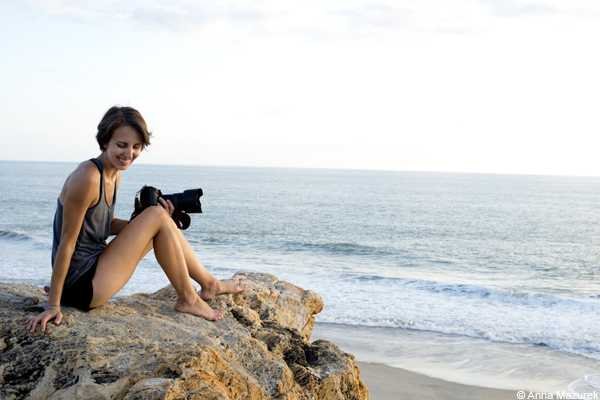
I kicked off my bucket list adventure in Mexico, where I instantly fell for Playa Zicatela.
Last October, I embarked on an unforgettable solo journey through Central and South America. My only goal was to experience three iconic destinations: Patagonia, the salt flats in Bolivia, and Cuba.
Since 2008, I've traveled continuously, mostly as a freelance photographer, visiting 43 countries and calling five of them home. The thought of long-term travel felt daunting until I mastered the art of preparation.
Here are some key strategies to help you gear up for your own extended journey:
Research Thoroughly
Travel Costs
Many believe travel is costly, but that's not always the case. Outside of Japan and Singapore, Asia tends to be the most economical region. While Australia can be pricey, Europe has become more budget-friendly due to fluctuations in the Euro. Browse guidebooks for insights on the three main expenses: transportation, lodging, and dining. This information will assist you in creating a realistic budget and savings target.
Health and Safety
Consult a travel doctor regarding necessary vaccinations and stock up on medications for traveler's diarrhea. Don't forget to pack non-refrigerated probiotics.
Familiarize yourself with your destination's history. Stay informed on any political or military unrest. Try to avoid visiting during election periods when businesses may close and protests could occur. Check the U.S. State Department's website for travel advisories and enroll in their Safe Traveler Enrollment Program for updates. Connect with fellow travelers and read guidebooks for specific advice (especially important for solo women travelers).
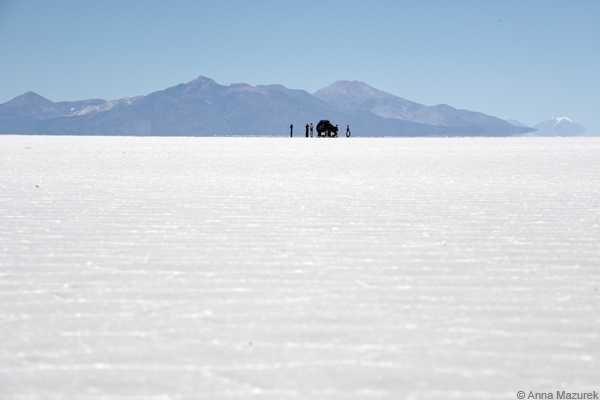
Visa costs for Americans can vary in Bolivia. I paid $60 cash at the Chile border for a 30-day visa, while a five-year visa costs $135. Always carry cash.
Visas
Find visa details on the U.S. Department of State's website. Some visas can be obtained upon arrival, while others must be arranged beforehand. Countries like Argentina and Bolivia may charge Americans a reciprocity fee to enter.
Peak and Off-Peak Seasons
Be aware that prices can skyrocket during peak seasons and holidays. Off-peak times can lower costs, but may bring challenges like monsoon rains and transport issues. Shoulder seasons often provide the best balance of fewer crowds and lower rates.
Plan Accordingly
Activities on your bucket list will likely consume a good chunk of your budget. For instance, permits for the Inca Trail can sell out more than six months in advance due to limited availability. Plan your finances and schedule wisely!
Working Internationally
There are numerous ways to work abroad, but some require preparation. Dave's ESL café is an excellent resource for teaching English: Eslcafe.com. Consider Wwoof.net and Workaway.info for exchange opportunities that provide free lodging in return for work. Working Holiday Visas are available in Australia and New Zealand for Americans under 30.
Share Your Plans
Talking about your trip transforms it from a mere daydream to a tangible goal. Once you announce your departure date, it boosts your confidence. Plus, it's a fantastic way to involve friends and plan meet-ups during your travels!
Find Your Time
I've quit several jobs over the past eight years to travel and work abroad. Throughout my journeys, I've met professionals from many fields—doctors, lawyers, teachers, and bartenders—who've done the same. Be upfront about your reasons for leaving; your boss might even admire your adventure!
If you're job hunting, utilize any lengthy gaps to travel. Post-graduation trips are popular. Freelancing while abroad is also an option; I continue much of my freelance work on the road.
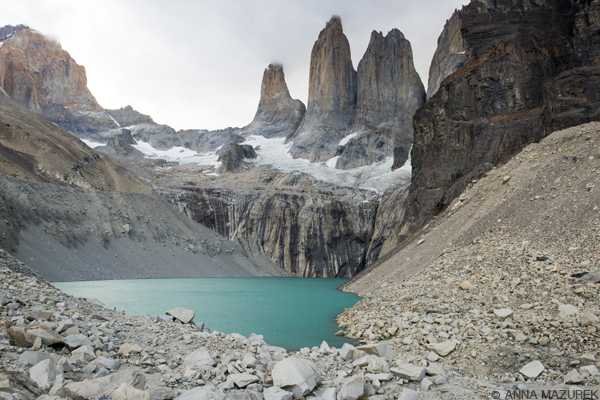
Torres del Paine in Chile was among my must-visit sites. I carefully scheduled my visit to coincide with peak hiking season, which runs from December to February.
Get Prepared
Banking for Travel
A great way to save while traveling is by avoiding ATM and international transaction fees. I use a Charles Schwab Investor Checking Account, which has no such fees, and they refund charges from other banks monthly. Capital One credit cards also do not have international transaction fees.
Insurance
Most U.S. health plans provide limited coverage overseas. Investing in comprehensive travel medical insurance is wise, covering emergencies, adventure sports, and even short trips back home. Research options carefully if you have a preexisting condition, as some plans may cover unexpected occurrences.
Look into policies that cover trip delays, lost luggage, and electronics. I insure my camera gear with State Farm's Personal Articles policy. Note that most policies may not cover smartphones.
Get Fit
Prepare your body for the rigors of travel. Carrying a heavy backpack through airports, streets, and trails can be taxing. I spent six months prior to my last trip focusing on upper body strength, as my lower body was already fit from running.
Before my first major trip in 2008, I had to reduce my caffeine intake due to withdrawal headaches and muscle pain. I didn't want caffeine to dictate my mood while traveling, so I started weaning off it six months ahead.
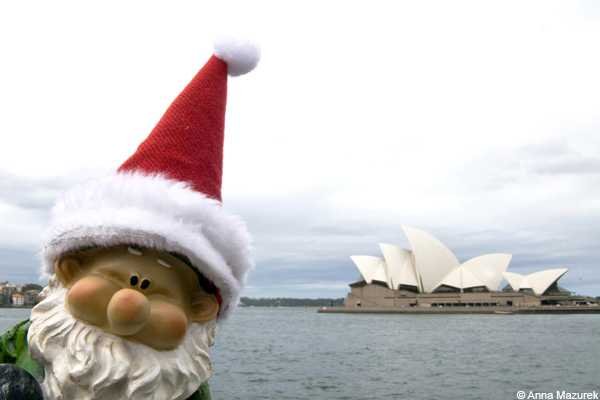
Meet Alfred, my traveling gnome! I take photos of him worldwide and create holiday cards and postcards for friends to keep in touch.
Stay Connected
Distance doesn't mean you can't maintain relationships or enjoy sports. My closest friends are spread across three continents, and I chat with them regularly via apps like Skype and WhatsApp. I update friends and family on my travels through posts on Instagram and this blog. When I have fast internet, I even stream my favorite sports games.
Send postcards; everyone loves receiving real mail. Remember important birthdays. If you can't find stamps, the Postagram app allows you to send postcards featuring your travel photos! I always send pictures of my favorite gnome, Alfred, shown above.
Reduce Clutter
Sell Unneeded Items
Adopt a minimalist mindset and release your attachment to possessions. Experiences are a far better investment than material goods. eBay is a great platform for selling collectibles like my childhood Hard Rock Café shot glass collection, which sold quickly and funded my first week of travel! Consignment shops are excellent for clothes, housewares, and art. Donate anything else to charity.
Set a deadline three months before your departure. After that point, refrain from purchasing anything unless it's for your trip.
Cancel Bills
Eliminate all bills while traveling. That's right—no bills! Cancel subscriptions like Pandora, Netflix, and Amazon Prime. You can sell, rent, or have a friend list your home on Airbnb.com for a small fee. Consider selling or renting your car through Relayrides.com or Flightcar.com. Many cell phone carriers let you suspend your service with minimal fees. For student loans, set aside enough funds to cover payments during your trip and two months afterward. For more tips, check out my post on Eliminating Bills.
Pack Wisely
The film, Fight Club, got it right: possessions can weigh you down. Pack only a week's worth of clothing and do laundry frequently. Your back will thank you.
Here are my top five packing essentials from eight years of global travel:
- Quality Rain Gear
Invest in a durable raincoat with zippered vents for warmer conditions; it can also provide insulation in colder weather. - Headlamp
A headlamp is one of the best travel inventions ever. - Stainless Steel Water Bottle and Filter
Protect the environment and your health with a stainless steel water bottle and a chemical-free filter. I use a Klean Kanteen bottle and a Sawyer Mini Water Filter, both of which are practical and easy to pack. - Dr. Bronner's Soap
Dr. Bronner's is organic, biodegradable, and versatile as body wash, dish soap, and laundry detergent. - Quick Drying Towel or Sarong
A small quick-drying towel can dry your entire body. Sarongs are incredibly versatile, serving as a towel, dress, skirt, blanket, and mop!
(I have no affiliation with these products; I simply love their utility during my travels!)
Extra Packing Tips:
- Consider renting camping gear instead of carrying your own for the entire trip.
- Ensure all electronic chargers are dual-voltage and don't forget plug adapters.
- To avoid overpacking, start packing a few days before leaving and eliminate unnecessary items.
- Pack for a single season. I packed mainly for summer and had to buy a llama sweater and matching accessories in Bolivia.
- Don't forget to bring a reliable paperback travel book for long bus journeys. You'll appreciate it when your Kindle runs out of battery. I recommend works by Pico Iyer or Paul Theroux.
- Check out my Packing List Top 10.