
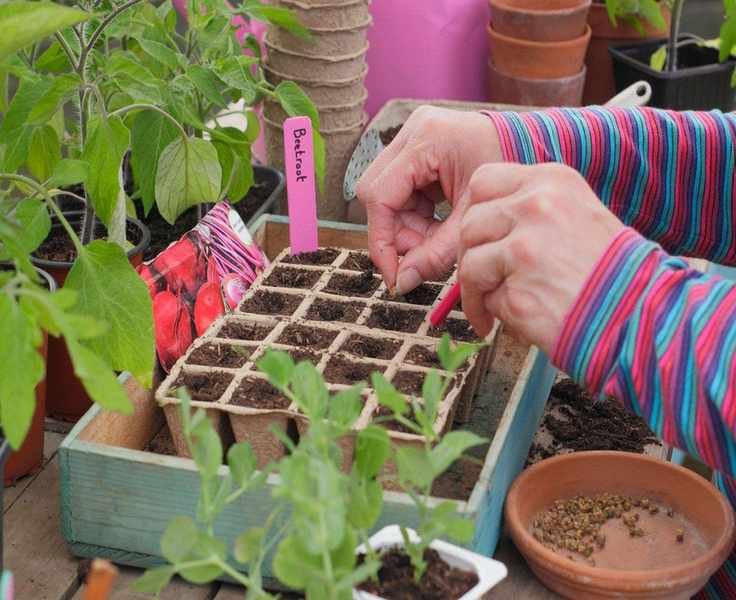
Taking the time now to prepare for seed sowing can significantly enhance your garden's productivity this growing season. Proper organization leads to robust seedlings and a more enjoyable gardening experience.
Instead of rushing through sowing a mix of old and new seeds, gather your supplies and strategize. This thoughtful approach will boost your success rates, resulting in a bountiful array of plants for your outdoor space. Whether you're interested in vegetables, herbs, or unique heirloom varieties, seed sowing offers both intrigue and satisfaction.
As an experienced horticulturist notes, 'A new season is an excellent opportunity to explore and expand your garden. Planning and preparation are key for a successful spring and summer.' Here are seven essential tips to kick off your seed sowing journey this year.
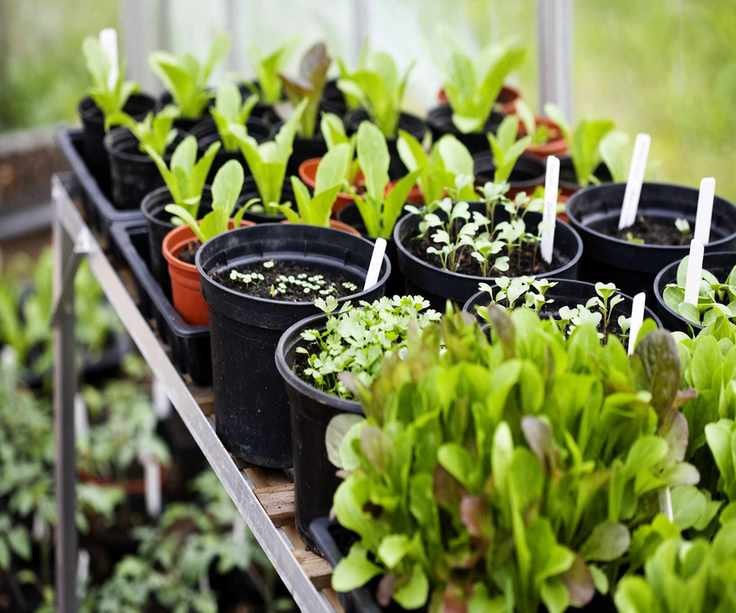
7 Effective Strategies for Seed Sowing Preparation
From selecting seeds to organizing your workspace, these expert tips will pave the way for successful sowing.
1. Outline Your Planting Plans

Creating a comprehensive list of seeds you want to cultivate is fundamental to effective preparation. This list helps you schedule sowing dates and assess the space, soil, and pots you'll require.
Consider areas of your garden you want to refresh or enhance this year. Whether it's vibrant dahlias or new crops like rutabaga and okra, sound preparation makes a significant impact.
2. Gather Your Seeds

Before you start sowing, take inventory of your seed collection. Identify any missing varieties so you can order what you need. Early purchases are crucial for rare seeds to ensure you don't miss out.
There are many reputable seed retailers, but also consider community resources like seed swaps. Avoid unreliable sources, as they often lead to disappointment and wasted funds.
3. Check Your Sowing Supplies
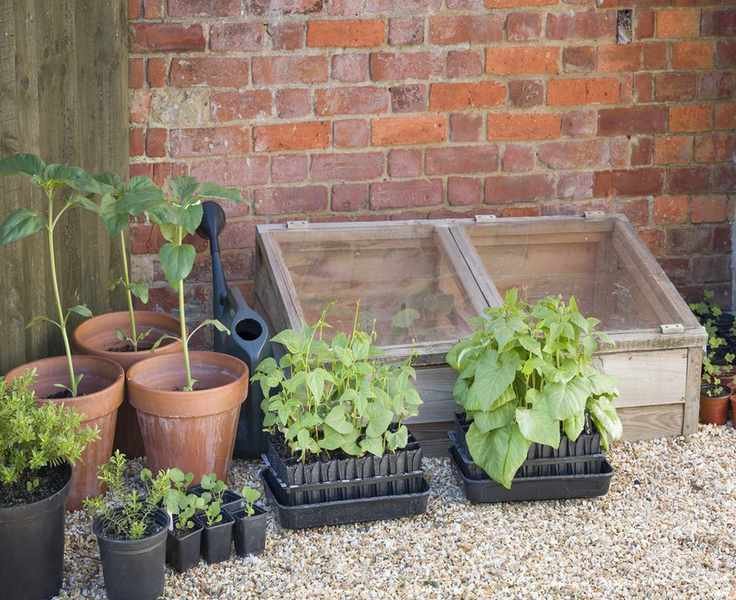
Seed sowing is straightforward but requires basic tools, including seed compost, pots, and protective coverings. Ensure you have everything ready to avoid unnecessary stress.
For indoor sowing, verify your stock of pots, trays, lights, and heat mats. Cleaning your tools now will save headaches later. Fresh seed compost is a wise investment, as stale supplies can harbor harmful bacteria.
4. Organize Your Seed Packets
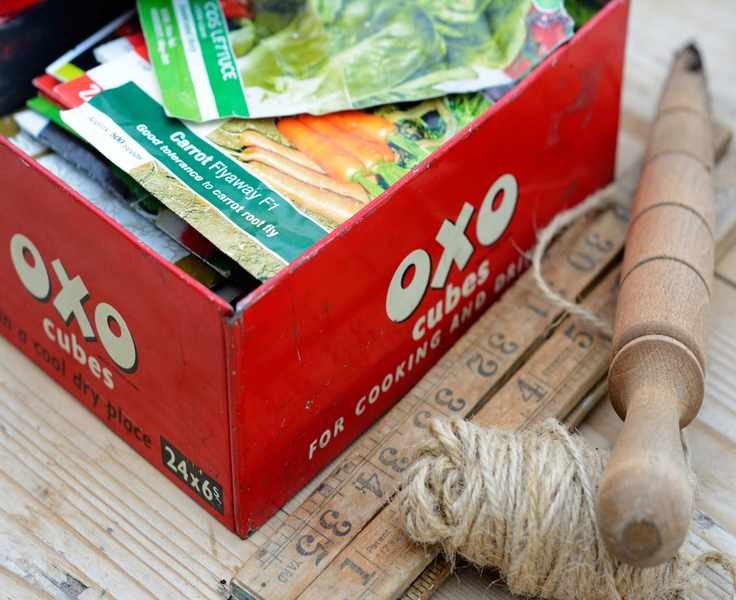
Storing seeds properly is essential. Keep them cool and dry to maintain dormancy until needed. Original packets contain vital information, so if you're using envelopes, label them clearly.
Develop a personal system for organizing seeds, whether by sowing date or type, using a compartmentalized container for easy access.
5. Set Up Your Potting Area
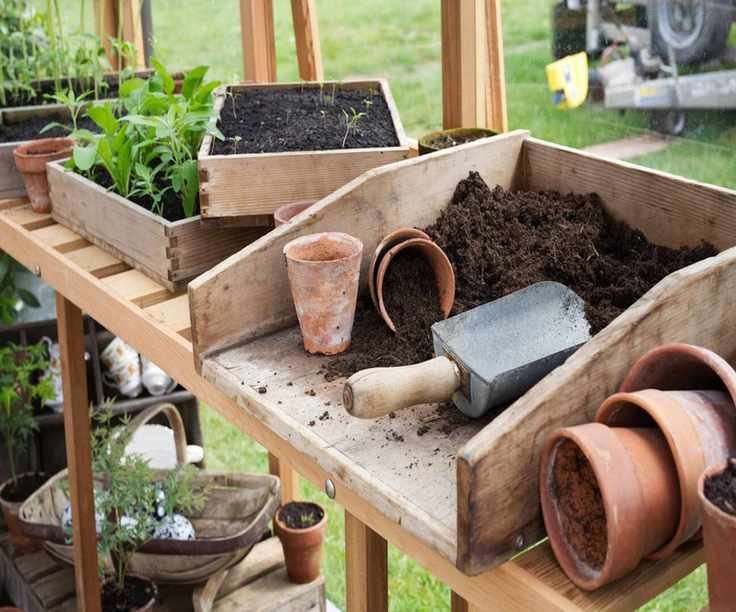
A tidy workspace is critical for successful seed sowing. Whether it's a potting bench or a kitchen table, keeping your area organized will prevent waste and confusion.
Clean the surface thoroughly to eliminate dirt that may harbor mold. Consider designating specific areas for sowing and labeling to streamline your process.
6. Create Space for Seedlings
Once sowed, seeds need ample space. Ensure a warm, well-lit spot for germination, like a sunny windowsill or greenhouse. Temporary shelving can help accommodate various trays.
7. Timing is Key

Planning when to sow seeds is crucial. Sowing too early can result in slow growth or frost damage, while waiting too long may lead to missed blooms or crops. Familiarize yourself with local weather patterns to establish an effective sowing schedule.



