

Your bed is a haven, making proper care of bed linen vital for cleanliness and durability. Knowing how to wash, dry, and treat your sheets can transform your bedtime experience.
With expert insights, this guide will help you maintain your sheets, ensuring they remain cozy and inviting for years.
Washing Your Bed Sheets the Right Way
Your bed is a key area in your home. Getting your washing technique right will enhance the pleasure of slipping into freshly laundered sheets. Most sheets can be washed in a machine, but understanding the right cycle and heat settings for various materials, like cotton, silk, or bamboo, is crucial.
Generally, sheets should be washed every one to two weeks. If you share your bed with pets, kids, or are a hot sleeper, consider washing them more frequently. Seasonal changes may also affect this frequency.
Follow these steps to wash your cotton sheets correctly, with specific notes for other materials:
- Read the care label: Start by checking the care symbols to follow fabric-specific guidelines.
- Pre-treat stains: Before washing, inspect for stubborn stains. Use a pre-treatment spray like Shout Active Enzyme Laundry Stain Remover Spray available at Amazon. Alternatively, a baking soda paste can be effective. Apply it to dampened stains, let it dry, and then brush off before washing.
- Load the washer: Place pre-treated sheets in the washer, ideally alone, to avoid damage. Wash them inside out to protect fibers and colors. For non-machine-safe sheets, hand-wash with the same care.
- Select the right detergent: Choose a suitable detergent like Tide Free & Gentle Liquid Laundry Detergent available at Amazon for sensitive skin. Use bleach cautiously for white sheets, ensuring it's fabric-safe. Follow dosage instructions on the label, and avoid fabric softeners for natural fibers.
- Set the temperature: For cotton sheets, use hot water (90-130°F). Linen benefits from cold or lukewarm washes. Always wash silk in cold water, and opt for medium spin speed for most fabrics, low for delicate ones.
When washing bamboo sheets, stick to cold water and air dry when possible. If using a dryer, select low heat to prevent wrinkles.
Iron only when necessary, using low heat to protect fibers.
For silk and linen sheets, use specialized detergents and avoid bleach. Oxygen bleach is a gentler alternative.
To wash fleece bedding, pre-treat stains, use a cold, delicate cycle, and a suitable detergent like Woolite Damage Defense Liquid Laundry Detergent.
If washing Tencel bedding, pre-treat stains and use a gentle detergent on a cold cycle. A mesh laundry bag available at Amazon can offer extra protection.
For viscose sheets, handwashing is safest. Soak in cool water with mild detergent for five minutes, then rinse. If machine-washing, use a delicate cycle and a mesh bag to minimize fiber damage.
Eliminating Stains from Bed Linen

Even the toughest stains can be removed with the right methods.
Over time, white sheets can yellow due to sweat or skincare products. Here's how to restore their brightness:
- Wash with vinegar: For mild discoloration, pre-soak sheets in warm water with half a cup of baking soda for a few hours, then wash with a cup of vinegar in the rinse cycle.
- Use oxygen bleach: Mix half a cup of oxygen bleach with warm water and soak sheets overnight. Add vinegar and baking soda during the wash for added effect.
- Opt for enzyme-based detergents: These detergents are effective against organic stains. Pre-treat stains promptly for the best results with products like Nature's Miracle Laundry Boost available at Amazon.
- Soak in glycerin: Apply glycerin to the stain, let sit for 15 minutes, then gently scrub with a soft brush dipped in warm water until the stain lifts.
- Dry in sunlight: Sunlight helps to naturally brighten whites.
Hair dye stains can be tricky. Act quickly, pre-treat, and wash with the hottest water safe for the fabric to soften the stain. Air drying in sunlight can also help.
Reviving Rough Sheets

There are ways to restore the softness of your sheets.
If your sheets feel stiff, try these methods to regain comfort:
- Pre-soak: Dissolve 1/2 cup of baking soda in warm water and soak sheets for a couple of hours before washing.
- Use Epsom salts: Soak sheets in a mixture of cold water and Epsom salts overnight to relax fibers.
- Combine baking soda and vinegar: Add 1 cup of baking soda and 1/2 cup of vinegar to the washing machine without regular detergent for a refreshing clean.
- Longer wash cycles: Increase wash time to allow for better agitation and softening.
- Add wool dryer balls: Use wool dryer balls available at Walmart to fluff fabrics and enhance softness.
- Use less detergent: Overusing detergent can lead to residue buildup and roughness.
- Invest in quality sheets: Higher-quality natural sheets become softer over time, avoiding the pitfalls of lower-quality fabrics.
Drying Your Bed Linen

Proper drying of bed linen is key to maintaining its quality.
Nothing compares to sheets dried outside on a sunny day. Use a clothesline or drying rack for the best results, turning colored sheets inside out to prevent fading.
In inclement weather, your dryer works well. Always opt for low heat settings and consider adding dryer balls like New Zealand Wool Dryer Balls available at Target to enhance drying efficiency.
For silk bedding, air-dry only. Fleece sheets can be dried on cold settings to fluff them up, while Tencel and viscose should also be air-dried to prevent damage.
To expedite drying during winter, consider these tips:
- Three-hanger method: Clip two corners of the sheet to one hanger, drape the center over another, and clip the remaining corners to a third hanger for better air circulation.
- Smaller load sizes: Washing smaller loads allows for more efficient moisture removal, making drying quicker.
- Strategic drying rack placement: Position your drying rack in a warm, well-ventilated area to speed up the process.
- Maximize your dryer's efficiency: Regular maintenance and cleaning of dryer vents are essential for optimal performance.
- Ensure good ventilation: Keep windows open to facilitate moisture release.
- Use a dehumidifier: A dehumidifier, like the TABYIK Dehumidifier available at Amazon can help with indoor drying.
Storing Bed Linen

Smart storage solutions can protect your linens.
Bed linen storage often gets overlooked. Consider these options:
- Under-bed storage: Use under-bed storage solutions like vacuum-sealed bags for linens. This area is excellent for maximizing space.
- Linen closet: A dedicated linen closet is ideal for storing bed linens alongside towels and other textiles.
- Bedroom bench or ottoman: A storage ottoman, such as the Arshi Tufted Square Storage Ottoman available at Wayfair, can provide seating and additional linen storage.
- Dresser drawers: Allocate a few dresser drawers for linens if you have extra space.
- Vintage ladder display: Use a vintage ladder to display and store linens aesthetically.
For effective organization, group and label linens, and store seasonal items in breathable bags to keep them fresh. Use cedar and lavender sachets, like the MYARO Lavender Scented Sachets available at Amazon, to deter pests.
Folding fitted sheets can be tricky. Here's how:
- Lay it flat.
- Fold from bottom to top.
- Tuck corners into each other.
- Fold in half, then again.
- Finally, fold from the bottom twice for a neat finish.
Use Bed Sheet Organizers available at Amazon to keep linen closets tidy and organized.
Shopping Essentials
 Compact
KLOUDIC Dehumidifier: This powerful, portable dehumidifier features an auto shut-off function to prevent overflow.
 Hand-curated by Kelly Clarkson
Wood Blanket Ladder: This stylish wooden ladder offers an attractive storage solution for your linens.
 Pack of six
Wool Dryer Balls: Reusable and chemical-free, these wool dryer balls effectively speed up drying times.
 Folds flat
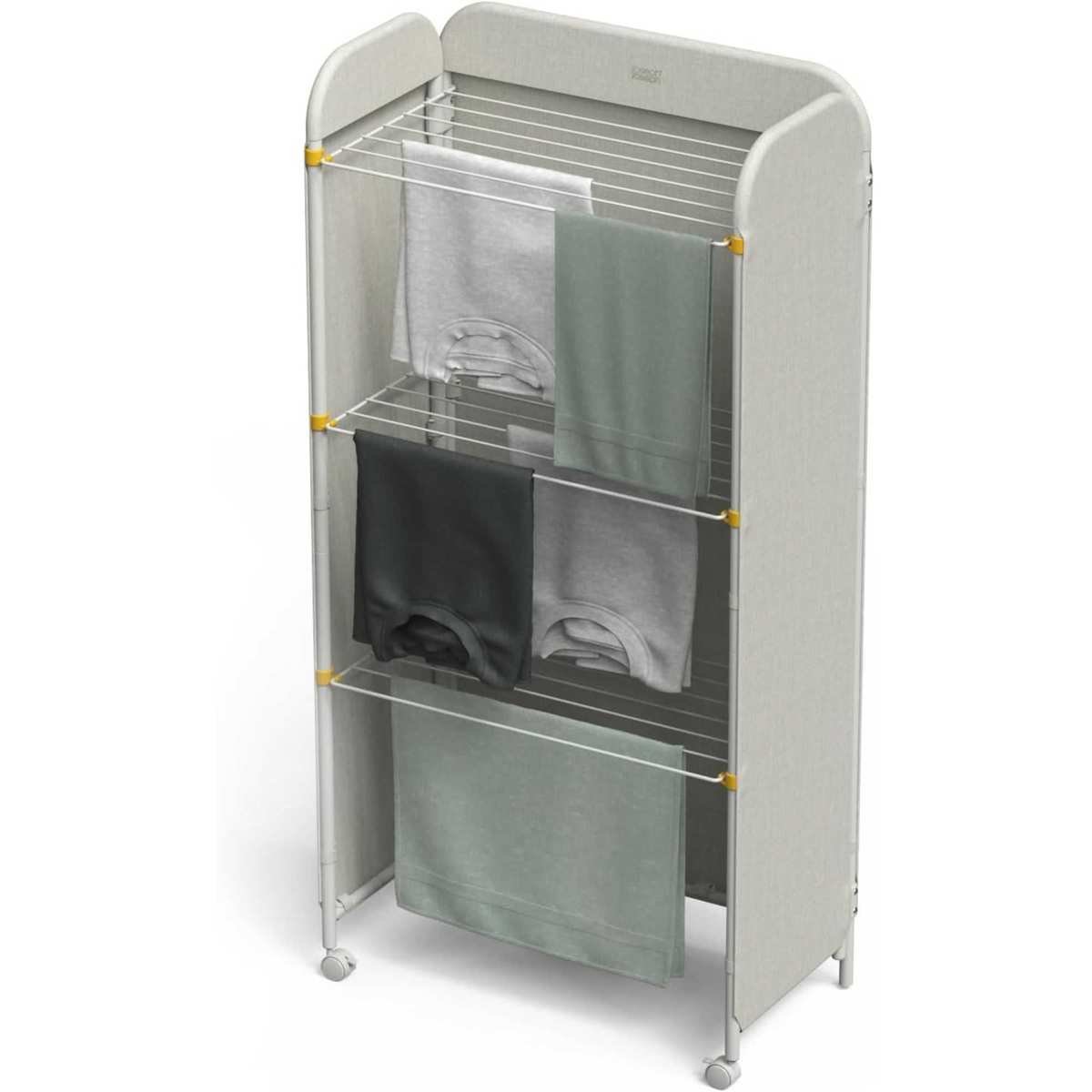
Joseph Joseph Eclipse Drying Rack: This indoor airer is perfect for small spaces, keeping your linens out of sight.
 Available in eight colors
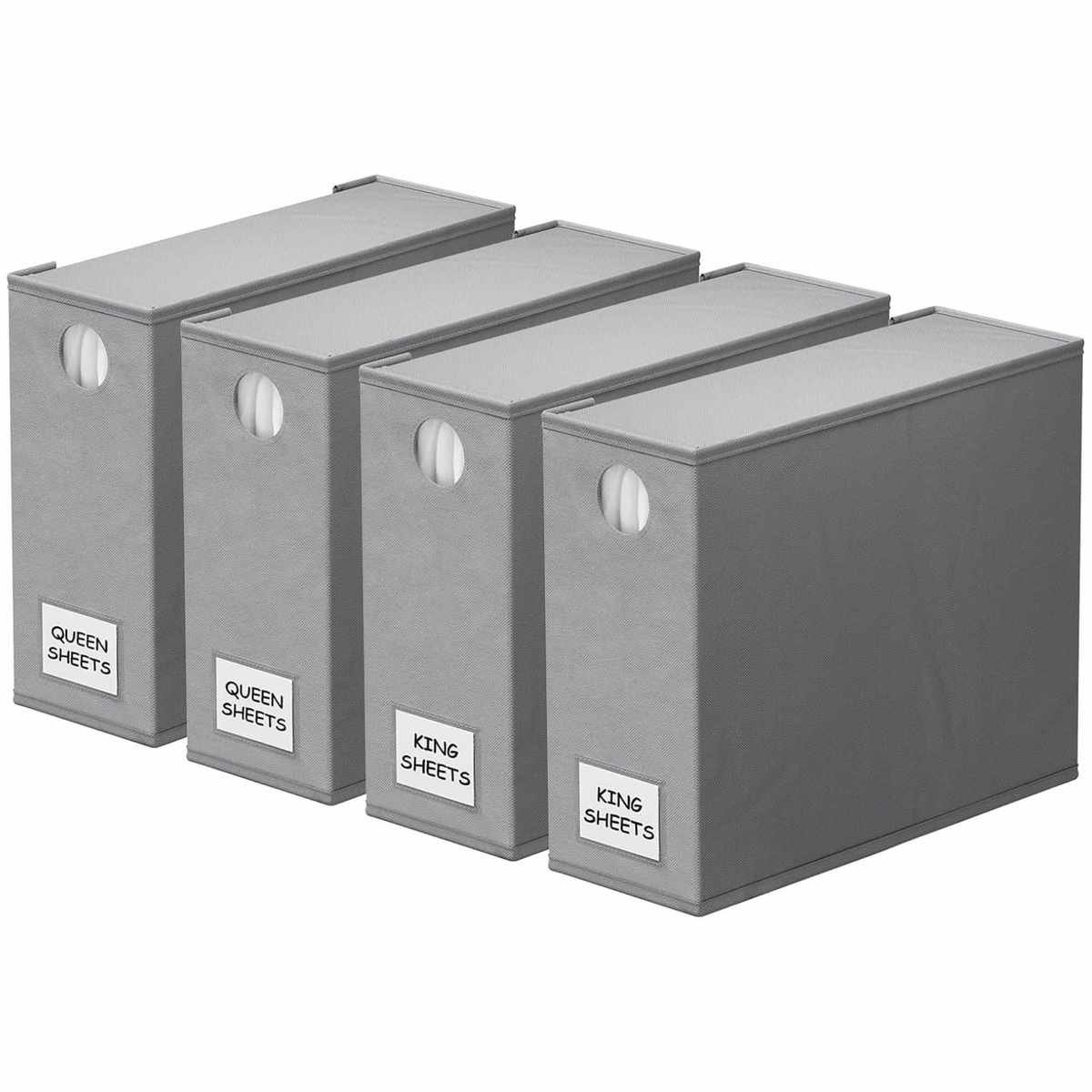
SpaceAid Bed Sheet Organizers: These sturdy organizers are stackable and include label cards for easy identification.
 Multifunctional
Collantes Upholstered Storage Bench: This versatile bench offers storage for linens, blankets, and pillows.
Frequently Asked Questions
Why are my sheets pilling?
Pilling occurs when loose fibers tangle and form small knots on the fabric. This can happen due to friction while sleeping or during washing, especially with lower-quality materials.
To remove pilling, a fabric shaver like BEAUTURAL Fabric Shaver available at Amazon can efficiently remove these fibers.
Do I need to iron my sheets?
While ironing isn't essential, it can provide a polished look. Cotton and linen sheets can be ironed on high heat, while synthetics should be on a lower setting. A steamer, like the HiLIFE Steamer available at Amazon can also be used.
Most wrinkles tend to ease after a night's sleep, so ironing may not always be necessary.
Once you've mastered your bed linen, check out our tips for caring for blankets and throws.



