This week, we explore life in a camper with travel photographer Whitney Tressel. After nearly a decade in New York City, Whitney purchased a camper, affectionately named Penny Lane, and embarked on a full-time adventure eight months ago. She shares the ups and downs of camper living and how she juggles work while traveling!
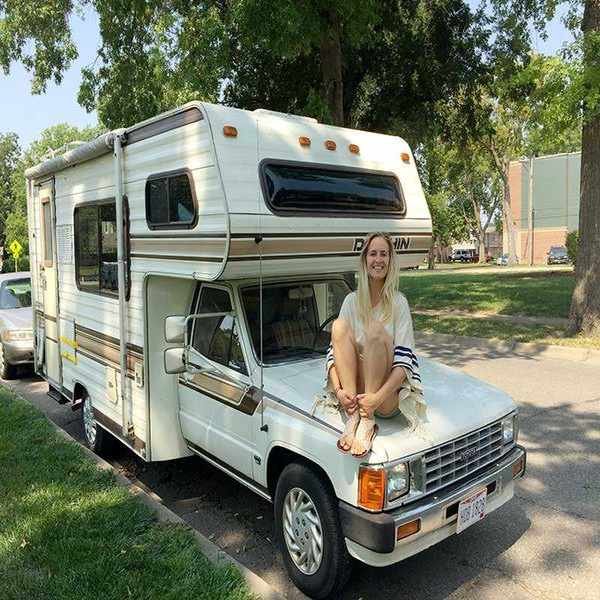
Whitney Tressel left her New York City job in March 2017. By January, she began searching for the perfect camper, ultimately settling on a Toyota model. “Being able to stand upright in my home, car, and office made a huge difference,” she said. Spotting a 1985 Toyota Dolphin in Pennsylvania while in Florida, she instinctively knew it was the right fit after viewing over 30 campers. She purchased Penny Lane on May 1st and hit the road by May 15th. (Photo by Shaylene Rees)
Name: Whitney Tressel (& camper Penny Lane!)
Age: 32
Hometown: Youngstown, Ohio
Countries visited: 32
Website: @whitneytravels & whitneytressel.com
1. What sparked your interest in travel?
Traveling was ingrained in me from a young age. My dad coached football, and our family frequently traveled to distant playoff games across the U.S., including places like Missoula, Montana, and San Luis Obispo, California. We even spent Christmas in San Antonio, Texas, and welcomed New Year’s in Tempe, Arizona. My first international trip was at 20 when I studied abroad in southern Spain, living with a Muslim family who spoke limited English. It was challenging at first, but I learned to adapt and eventually became fluent, cherishing those paella Sundays.
2. How did you transition to camper living and full-time travel?
Living in a camper wasn’t my initial dream. I often hear people say I’m living their dream, but for me, it felt like a practical choice. As a travel photographer and road trip producer rarely in my pricey NYC apartment, I thought, “Why not live on the road?” After leaving my NYC job in Spring 2017, I struggled to decide my next destination. Cities like Denver, Pittsburgh, Austin, and Los Angeles didn’t feel right, so I figured a camper would allow me to explore various places instead of settling in one. While not as glamorous as #vanlife suggests, it’s a unique way to live, and I’ve already visited 49 out of 50 states before this journey. A friend recently called me a “professional traveler,” a label I’ve grown to embrace more than “professional photographer.”
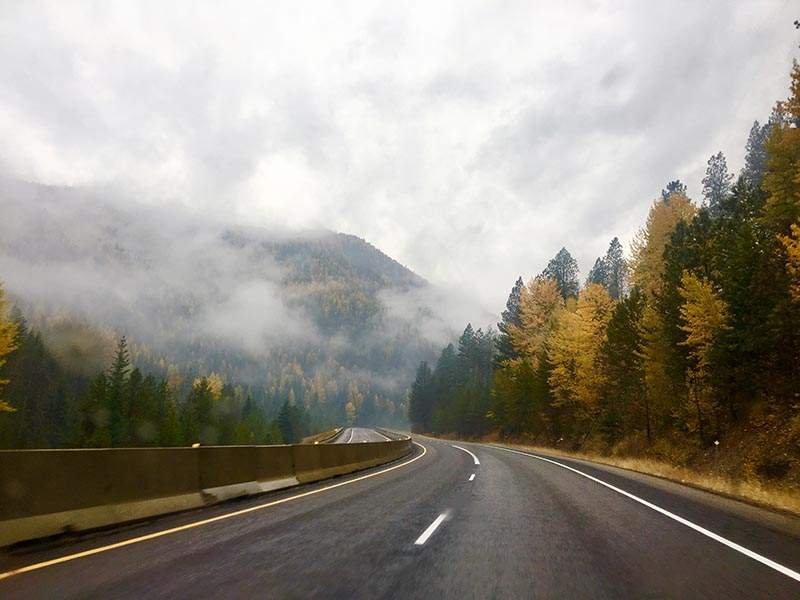
A view of Lolo National Forest in Western Montana through Penny Lane's windshield.
3. How do you manage work and travel?
Finding a balance between work and travel is tricky. I understand why many choose to save up and take breaks from work. Keeping up with basic needs like clean water, safe sleeping spots, hygiene, and work deadlines is challenging. I work less than I did in New York, but I didn’t anticipate how time-consuming simple tasks would be. Finding power outlets and reliable internet varies significantly by location. Most of my work comes from previous freelance clients, but I’ve also picked up new projects with companies like Samsung and WeWork this year. I suspect this balancing act will continue into 2018, as maintaining balance is a lifelong endeavor.
4. What’s a highlight of your camper life?
The surprises! Setting up camp in the dark can be unsettling, but waking up to an astonishing view is exhilarating. It reminds me why I’m out here: to feel alive and discover new things. Another highlight is the people I meet. Brene Brown once said, “People are hard to hate close up,” and it’s true on the road. The country may seem divided from afar, but face-to-face interactions reveal the kindness shared among people of all backgrounds and beliefs. I chose to explore the U.S. post-election to experience the culture in detail. I’ve found strangers to be incredibly generous, and during my vintage vehicle journey, “angels of the road” have made this lifestyle more enjoyable.
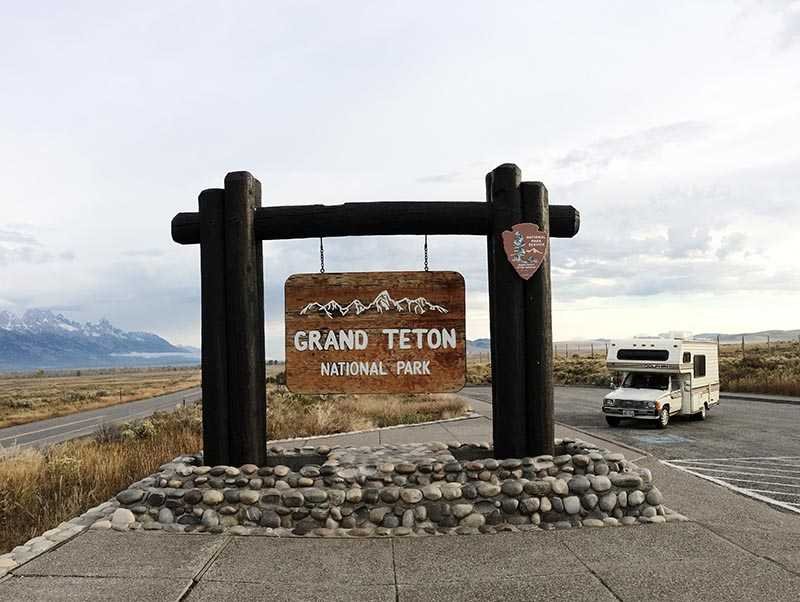
Penny Lane in the Grand Tetons, Wyoming.
5. How does living in a camper compare to apartment life?
It varies by location. In New York, camper living is much more affordable. In Ohio, it can be comparable once you account for the vehicle cost, gas mileage, campsite fees, and unexpected repairs. Costs also fluctuate depending on my location and whether I’m working. Cooking for one can be tricky, but it’s healthier and less expensive than eating out. Social expenses are similar to what I spent in New York, as I still enjoy outings with friends. Heating with propane is cheaper, but I often feel colder. Water is free, but it requires planning. There's no electricity bill, but access can be difficult.
6. What are your tips for keeping expenses down?
Having the right credit card is crucial for travel. I use Chase Sapphire Preferred for double points on travel and dining. A gas card is also wise for accumulating gas points. The website freecampsites.net is excellent for finding affordable camping options. I’m a Good Sam member, which offers discounts at their campsites and is my choice for camper insurance. Apps like GasBuddy help find the cheapest fuel nearby. I keep receipts for tax write-offs since many purchases support my work. I’m focusing on living my projects rather than confining myself to any specific one.
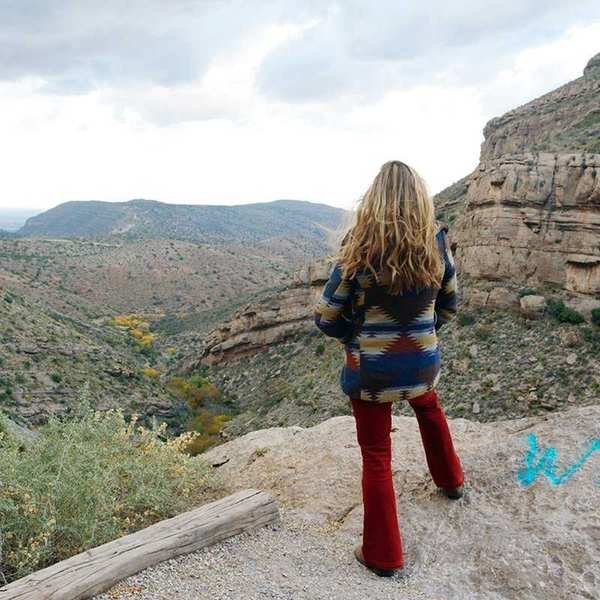
Whitney Tressel in Lincoln National Forest, New Mexico.
7. What was the biggest challenge with camper life, and how did you handle it?
Adjusting to the inconveniences was tough. I’ve learned to manage drinking water carefully before bedtime to avoid nighttime trips outside. Filling water bottles frequently is now a habit, along with checking oil at gas stations. I’m also getting used to longer periods without showers or heat, and I can’t drive too fast or cover more than 250 miles in a day. Overcoming these challenges means being more present and grateful for the experience.
8. What advice would you give to those wanting to live in a camper?
Stay flexible, observant, and patient. Embrace it! A “normal life” will always be waiting. Avoid idealizing this lifestyle; social media doesn’t tell the whole story. This can be a remarkable way to live, but it has its challenges. I’ve experienced incredible moments, often intertwined with discouraging ones. It’s hard to predict what each day will bring, and that unpredictability can be a wild ride. A yoga instructor once taught me that life’s events happen for us, not to us. Shifting my perspective has been transformative.
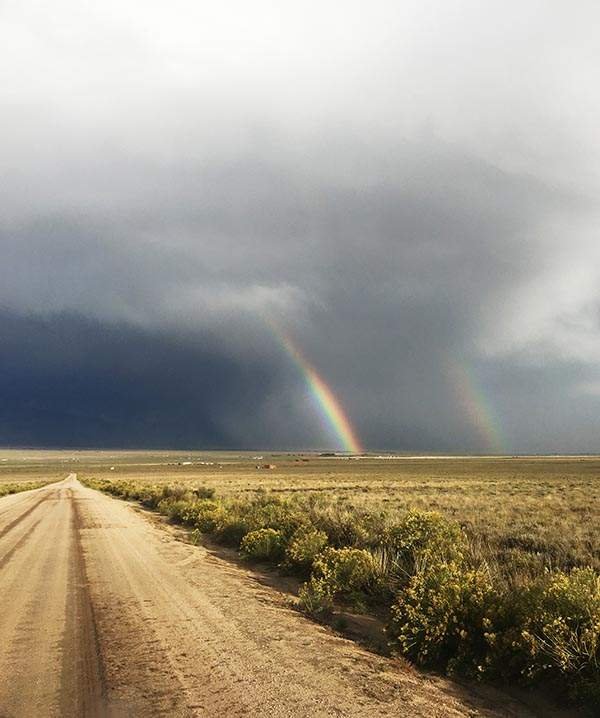
Penny Lane's windshield frames a stunning view of double rainbows in Crestone, Colorado.
9. What essentials do you always pack for a trip?
Apart from the basics like a toothbrush, underwear, phone charger, and camera:
- For international travel: Copies of my passport, credit cards, and emergency contacts.
- For tent camping: A headlamp and bear spray.
- For other travel: Essential oils like lavender and rose to promote relaxation and freshen my space.
10. What’s next for you?
This is the exciting part: I’m not certain! I started 2018 in Los Angeles, assisting with social content for the Women’s March in Las Vegas. Next, I’m heading to Puerto Rico to produce videos promoting volunteer tourism post-Hurricane Maria, and I plan to explore national parks in Utah in March. This summer, I’ll lead another trip with National Geographic Student Expeditions, continuing my goal to travel to as many countries as my age. Ultimately, I hope to engage more in activism and use my skills for positive change.
__________________________________________
UPCOMING ADVENTURES
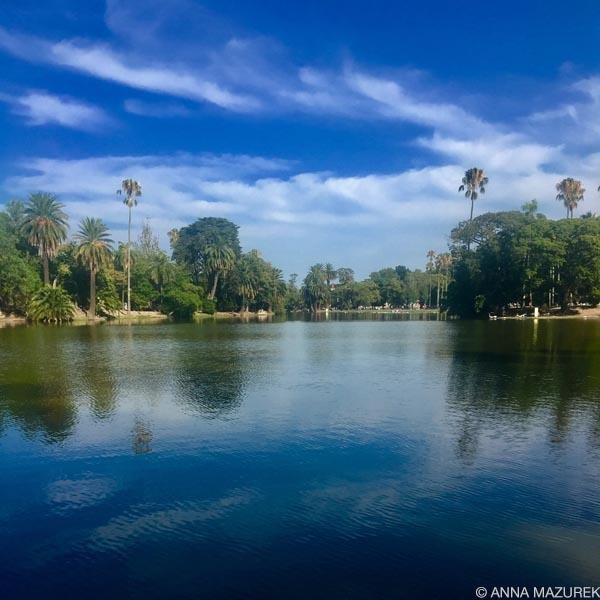
South America Chronicles
Last week, I began my year of travel with a one-way flight to Buenos Aires, where I’ll be for the next month. I’ll document my daily experiences as a full-time traveler, providing an honest perspective on life on the road. Stay tuned for a packing post detailing everything I brought!