Explore the Galapagos
The Galapagos Islands were the standout highlight of my four-month adventure across South America. With around 220,000 visitors annually, these islands remain one of the planet's most untouched ecosystems!
Located 1,000 kilometers off the coast of Ecuador, this chain of 13 volcanic islands isn’t tropical, thanks to cold ocean currents from Antarctica. Many landscapes resemble Mars, barren yet teeming with life. The islands host diverse wildlife, including unique birds, iguanas, and vibrant marine species. Notably, many animals here are endemic, offering a rare chance to see species found nowhere else. The intriguing aspect of the Galapagos is the animals’ lack of fear towards humans, allowing for incredible photo opportunities.
Among the islands, five are inhabited, with Isla Santa Cruz and San Cristobal serving as primary tourist spots. Visitors must explore designated areas and be accompanied by trained naturalists to visit uninhabited locations. Boat trips are restricted from visiting the same site twice within a two-week time frame, leading to limited exploration—my journey covered just eight islands.
Here’s a detailed pictorial guide of my Galapagos experience, organized by location, complete with helpful tips and a packing checklist.
Day 1: San Cristobal Island
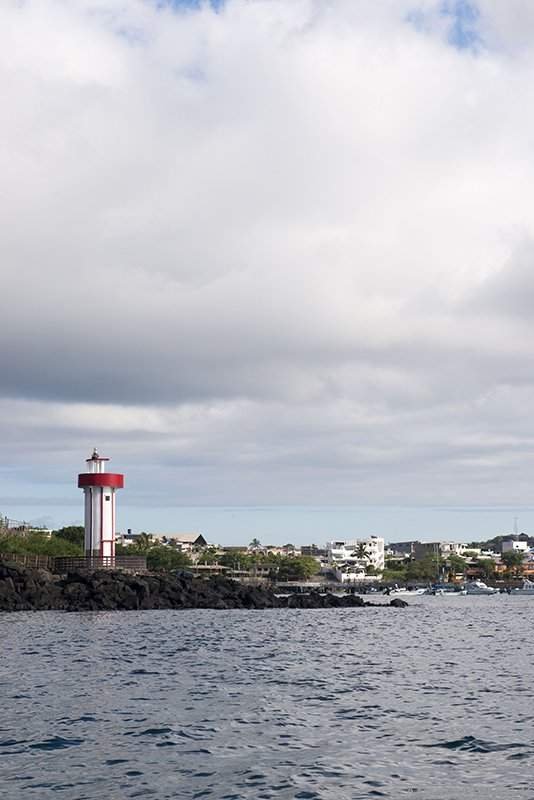
View of Puerto Baquerizo Moreno from the water. San Cristobal, Galapagos
I arrived in San Cristobal, the only island with fresh water and a town airport. It serves as the Galapagos' capital and has the second-largest population after Santa Cruz, making it a popular day trip destination.
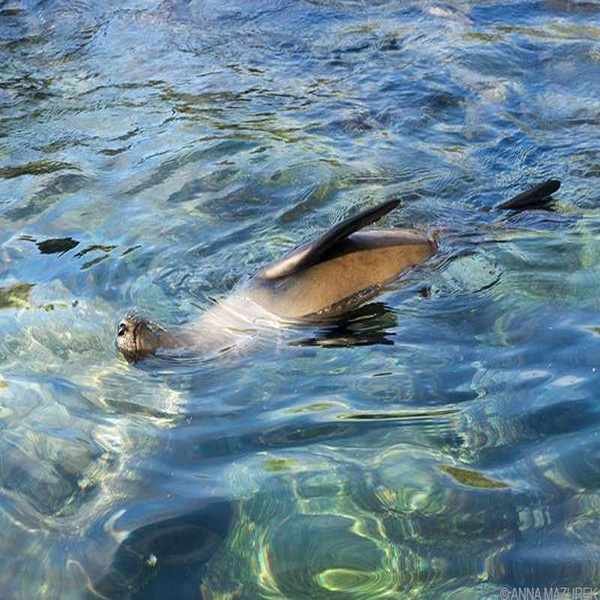
We took an afternoon boat ride through Puerto Baquerizo Moreno, a haven for sea lions lounging everywhere, including the town’s benches. With two beautiful sandy beaches and a freshwater lake at 700 meters above sea level, the island is a delight.
Day 2: Espanola
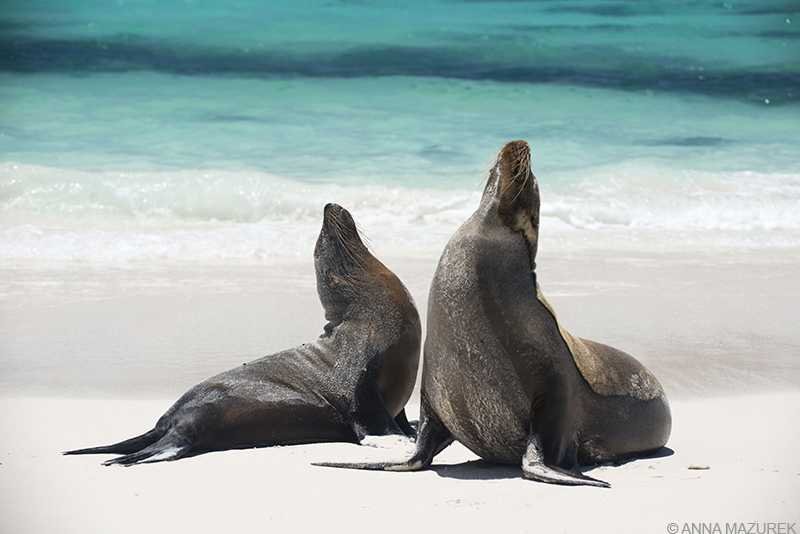
Espanola ranks among my favorite islands. Bird and sea lion lovers will be thrilled here. Gardner Bay boasts one of the most breathtaking beaches, often filled with resting sea lions, alongside many marine iguanas.
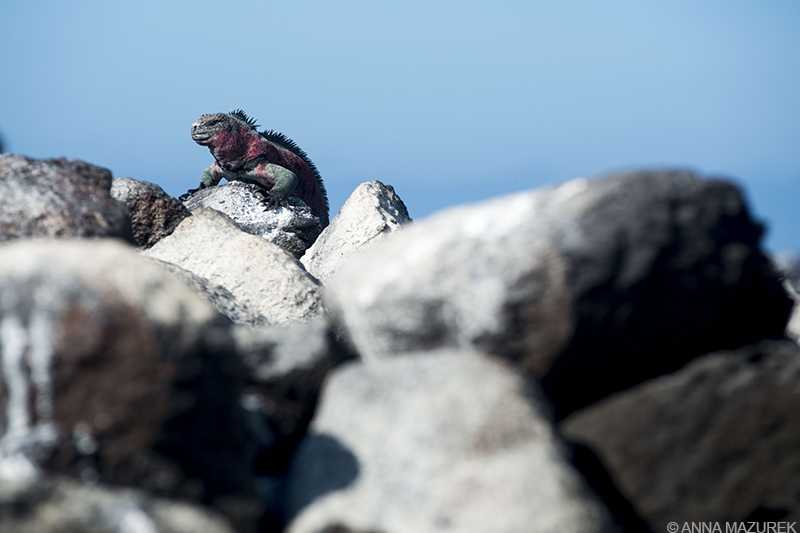
The marine iguanas on Espanola are the Galapagos' most vibrant, often dubbed “Christmas Iguanas.”
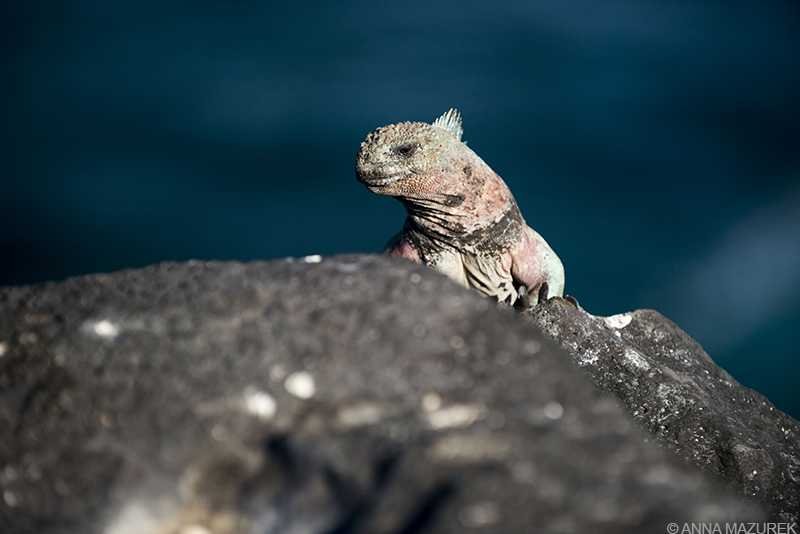
Marine iguanas likely arrived in the Galapagos via vegetation rafts from South America.
A two-kilometer trail at Punta Suárez leads through colonies of Nazca and blue-footed boobies. The island's highlight is the waved albatross, which mates here from December to March. We visited in early April, and while we saw many flying, we couldn’t spot any on land.
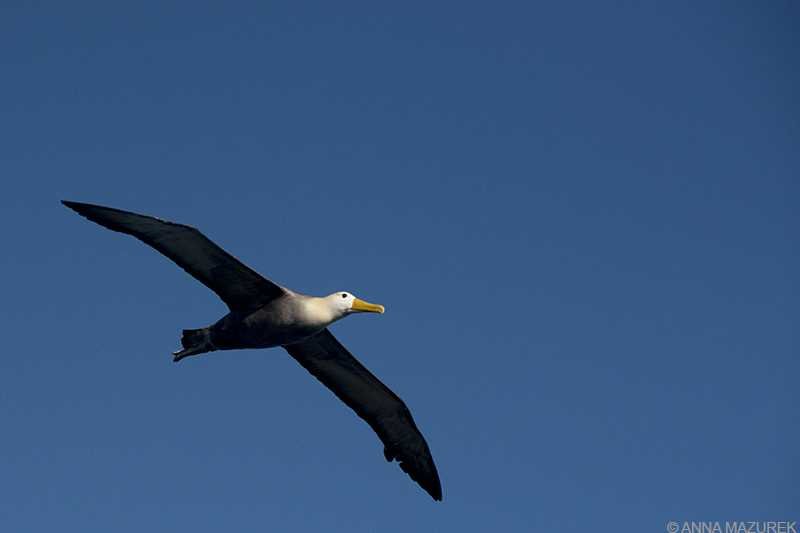
The waved albatross has the longest wingspan of any bird in the Galapagos.
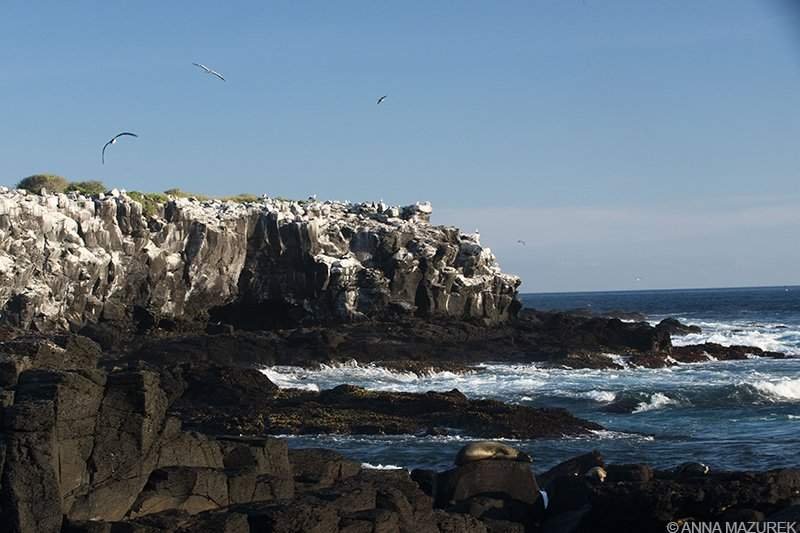
Waved albatross and Nazca boobies soar above Espanola's cliffs near the saltwater blowhole.
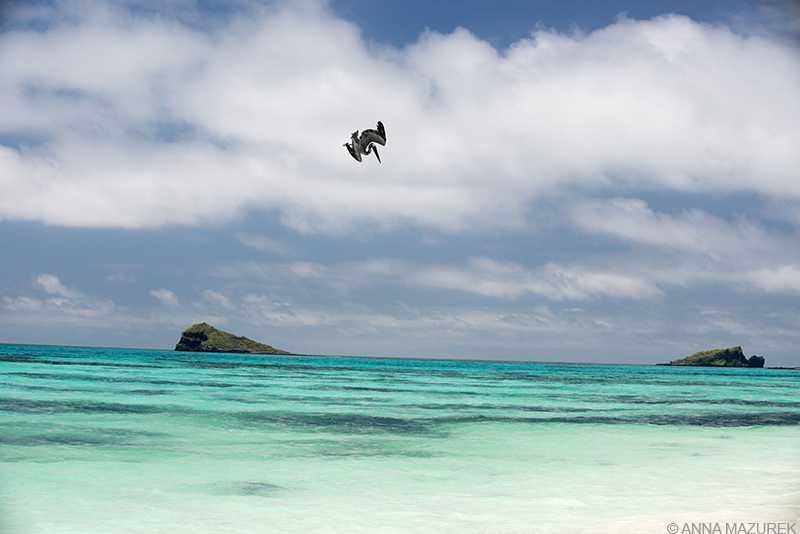
A brown pelican searches for fish off Gardner Bay, Espanola Island.
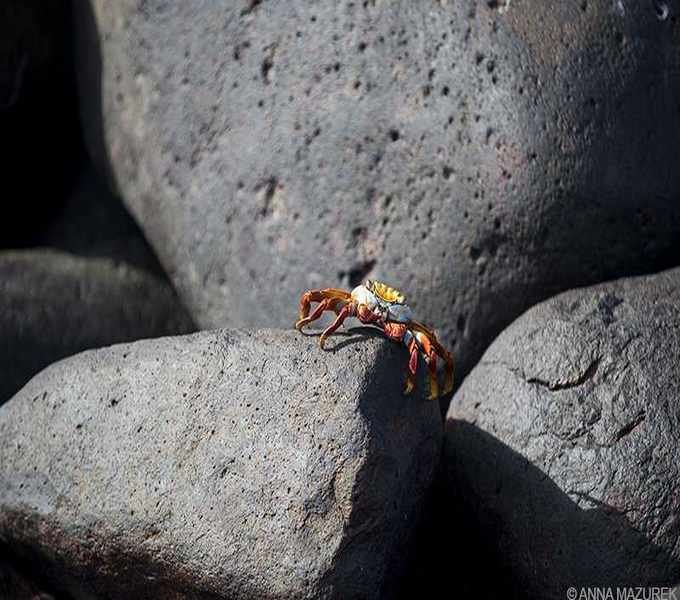
Colorful Sally Lightfoot Crabs were a common sight on every island we visited.
Day 3: Floreana & Post Office Bay
On Floreana, we spotted numerous blue-footed boobies nesting and performing their mating dance, with males bringing sticks to impress females. A lagoon here occasionally hosts flamingos, but they were too distant for good photos.
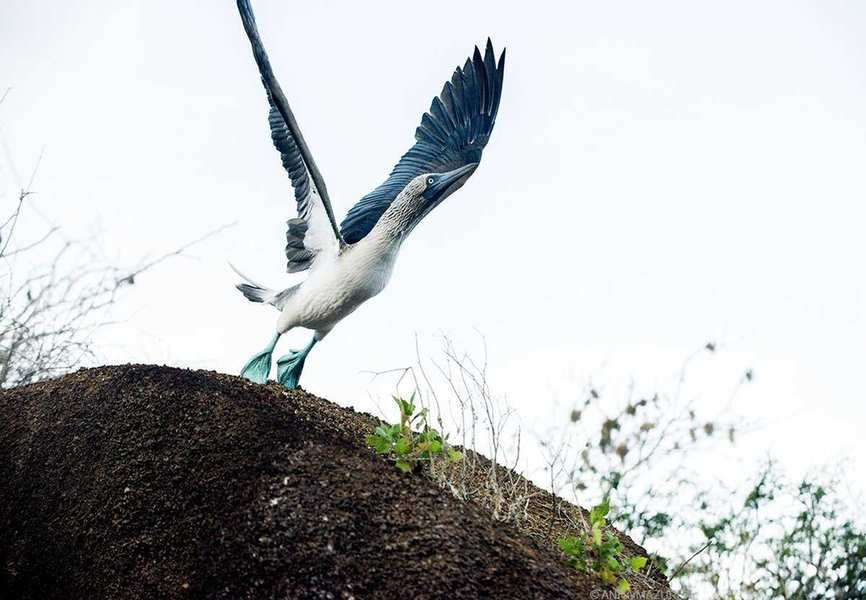
Blue-footed boobies show off their bright feet to attract potential mates. The bluer their feet, the more appealing they are.
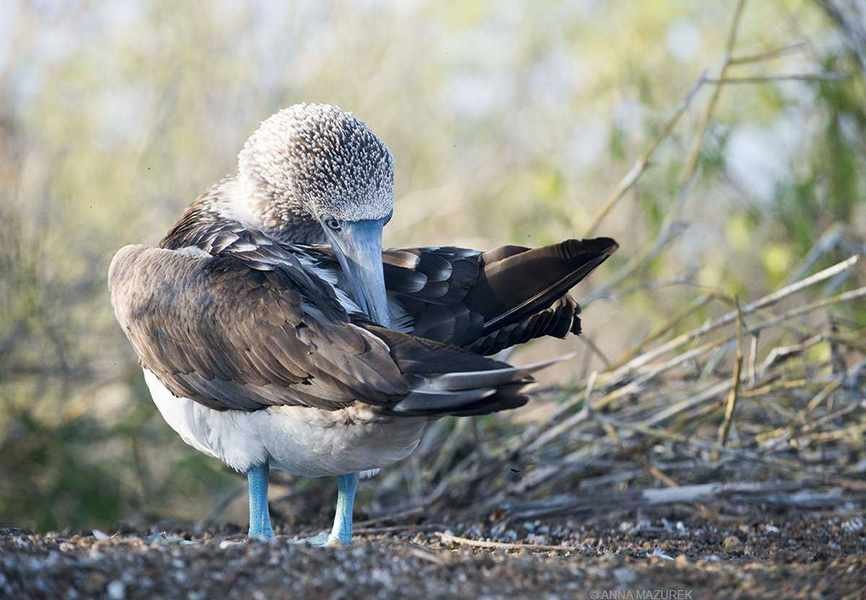
These birds have an oil gland that helps waterproof their feathers.
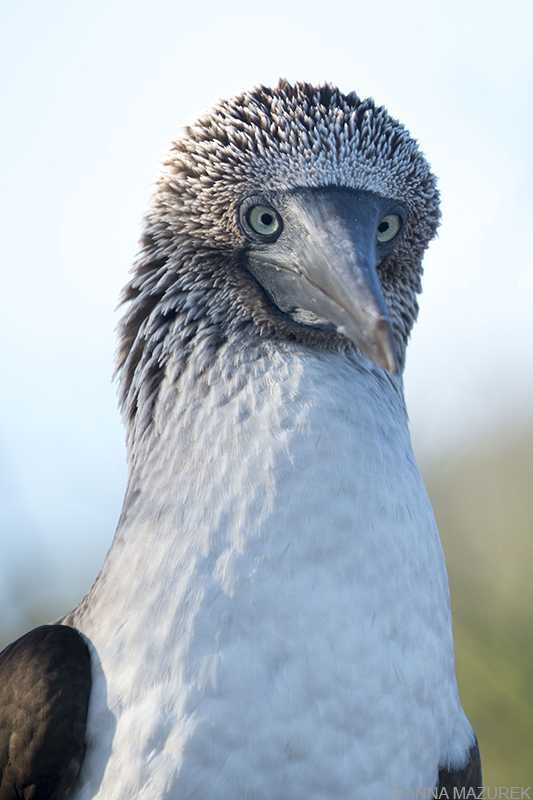
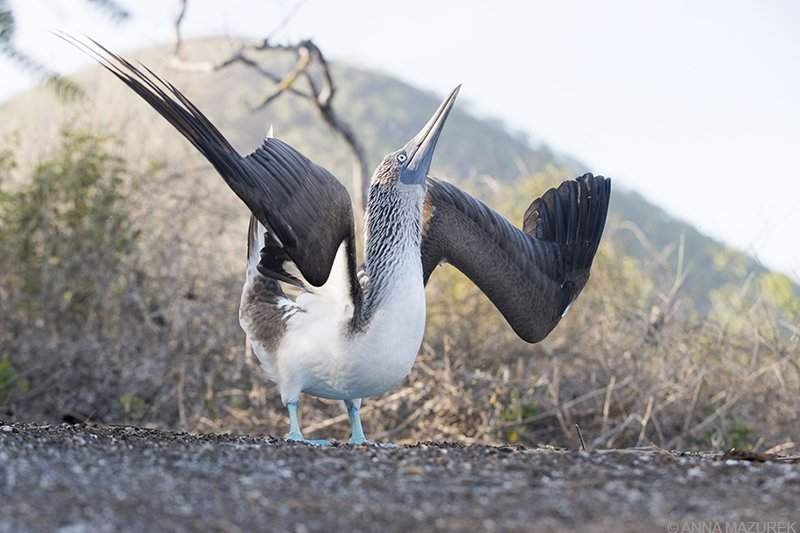
The male blue-footed booby performs a courtship dance. The Galapagos hosts half of all breeding grounds for the species.
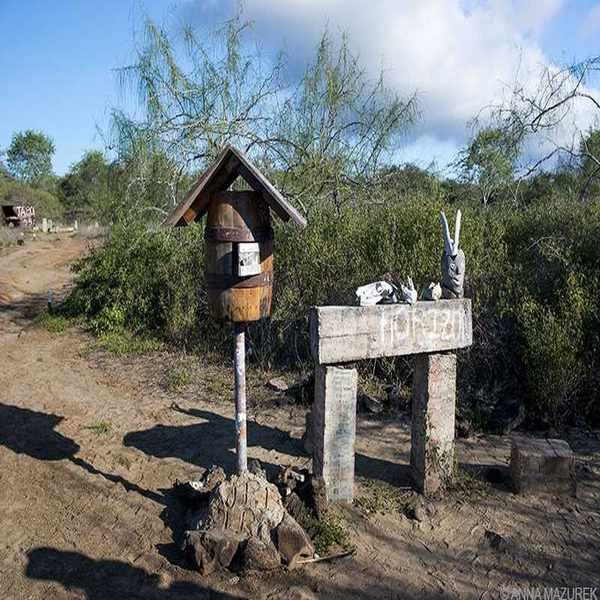
Post Office Bay served as a mailing stop for whalers in the 18th century.
Post Office Bay was once an actual mail stop for whalers. Now, tourists leave postcards in a barrel, hoping another traveler will hand-deliver them. I picked up two postcards; one was delivered to Texas, while another, far from my hometown, may need to be mailed instead!
This bay is ideal for paddleboarding and kayaking. I enjoyed both activities and encountered many sea turtles and vibrant marine life. Paddleboarding was effortless at every Galapagos spot.
Day 4: Santa Cruz
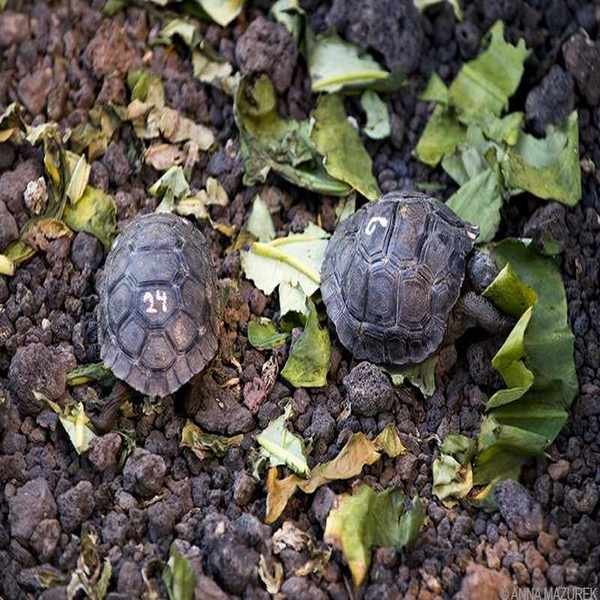
These baby tortoises are part of the breeding program at the Darwin Center on Santa Cruz. They’re tagged and released into the wild when ready.
Puerto Ayora, the largest town in the Galapagos with 18,000 residents, is located on Santa Cruz. It hosts the Charles Darwin Research Center, known for its giant tortoise breeding program. Visitors can see outdoor enclosures with tortoises of various ages and the preserved body of Lonesome George, the last of his kind from Isla Pinta, though the center isn’t very photogenic.
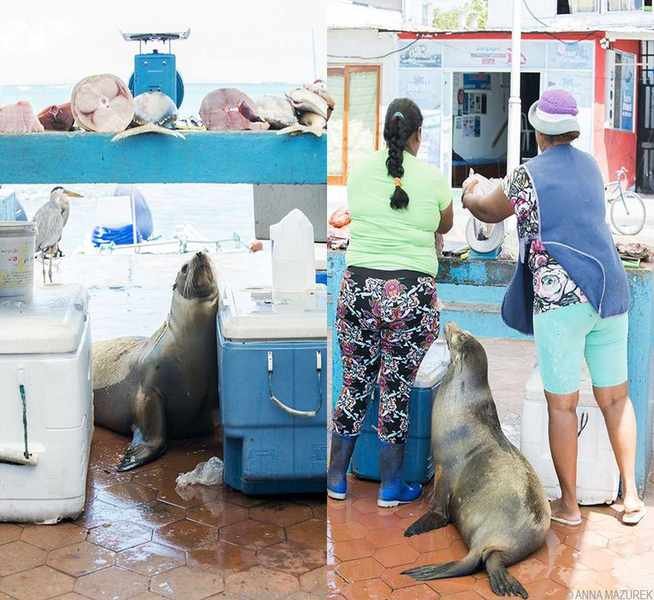
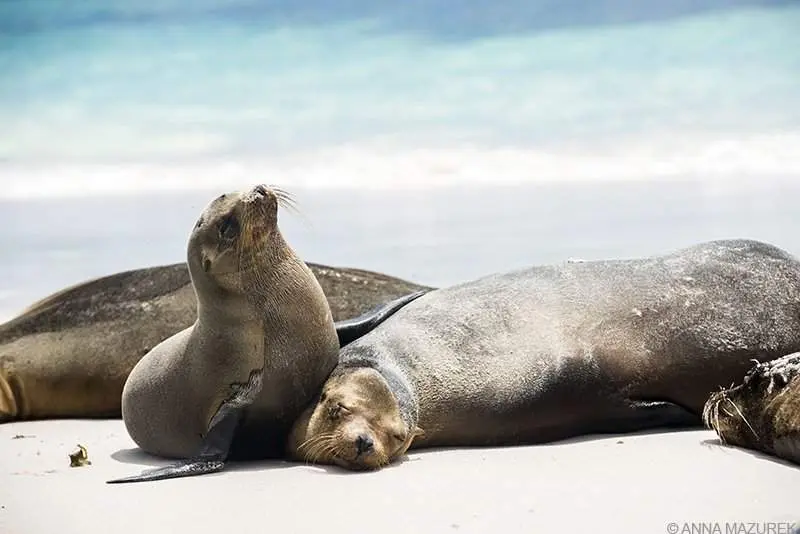
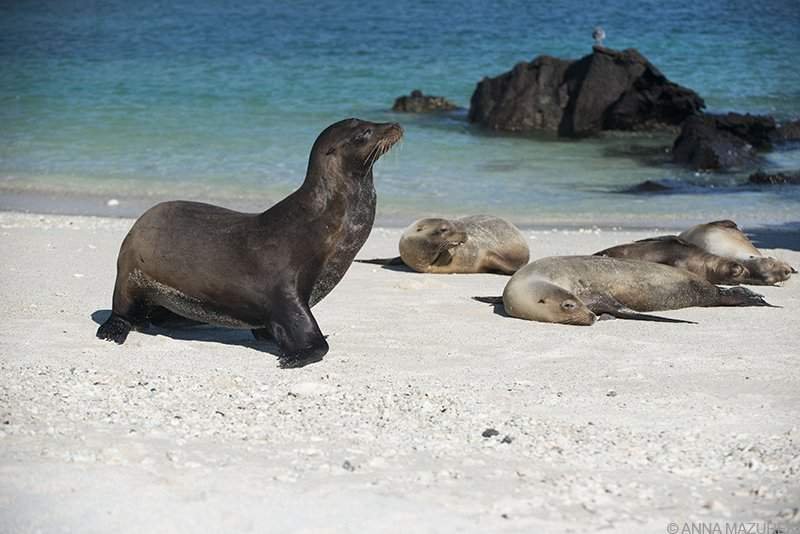
A resident sea lion at the fish market was one of the highlights of Santa Cruz.
The tiny fish market was my favorite spot. A sea lion often hangs out near the fishmongers, having been raised by them after being abandoned. It’s a fantastic photo opportunity. Santa Cruz is also the best location for souvenir shopping.
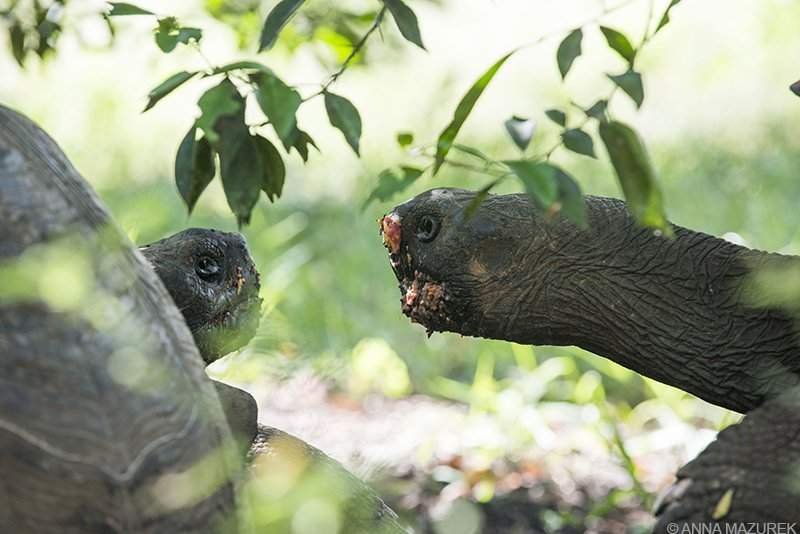
Two giant tortoises face off after a dispute over guava.
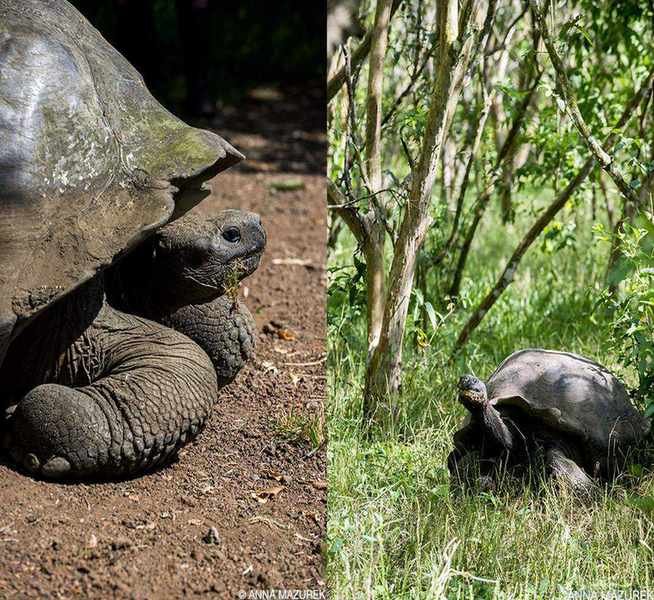
Giant tortoises can also be seen in the wild at El Chato Tortoise Reserve on Santa Cruz.
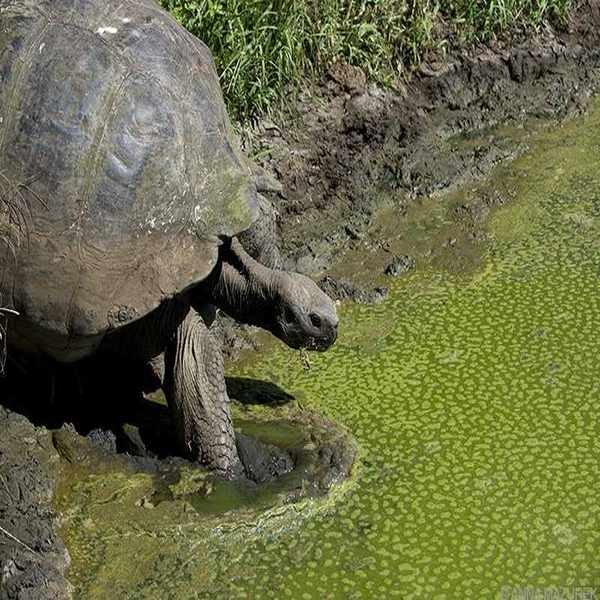
Wear long pants and rubber boots when exploring the wildlife reserve for the best tortoise photos.
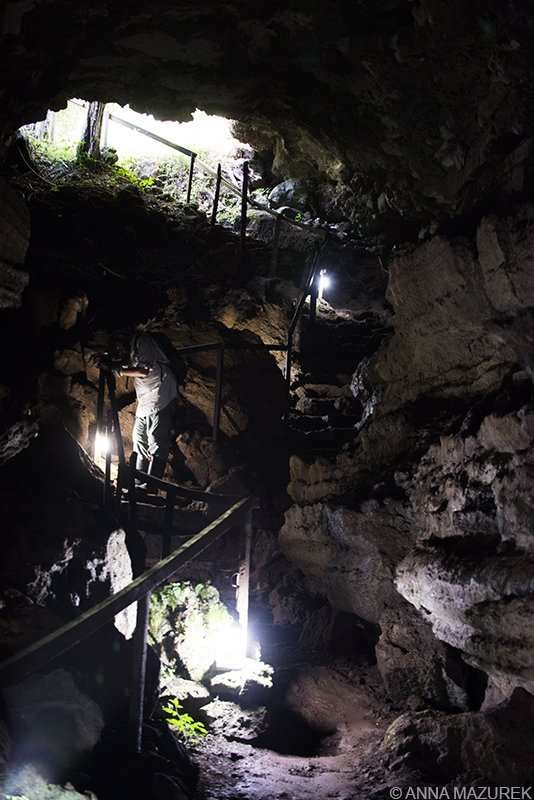
A lava tube cave near El Chato Tortoise Reserve.
Day 5: Santa Cruz & Daphne
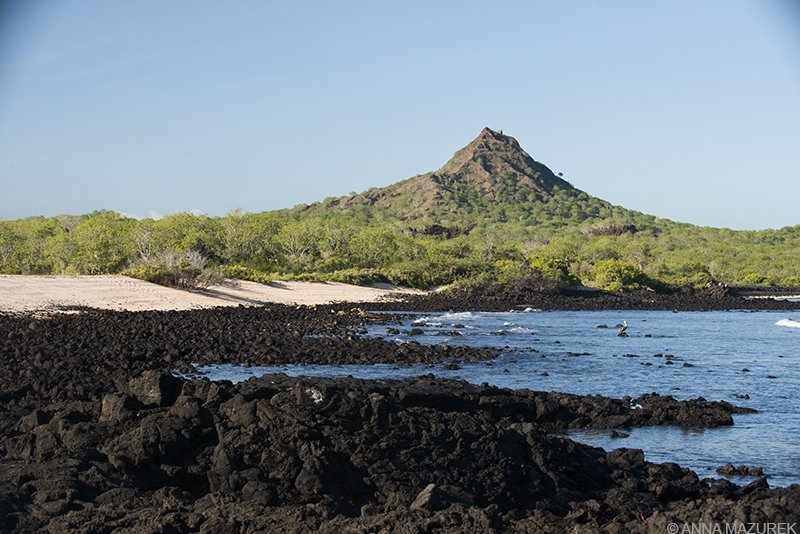
Cerro Dragon on Santa Cruz island.
In the northwestern corner of Santa Cruz lies Cerro Dragon, featuring a 1.75 km trail where you might spot colorful land iguanas while ascending to a viewpoint.
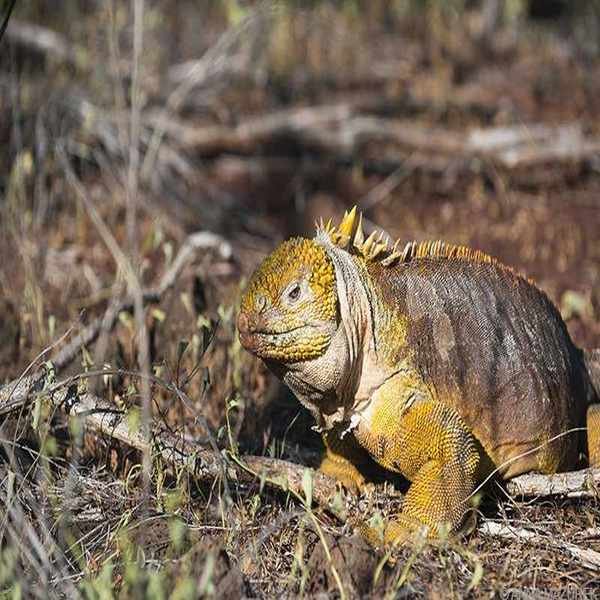
Land iguanas are notably larger than their marine counterparts, and we encountered several during our hike.
I also visited Islas Daphne, consisting of Daphne Major and Minor, home to both blue-footed and Nazca boobies. Accessing the island is challenging due to rocky landings but manageable with tour staff's help. Highlights included seeing baby blacktip sharks and rays swimming near the shore!
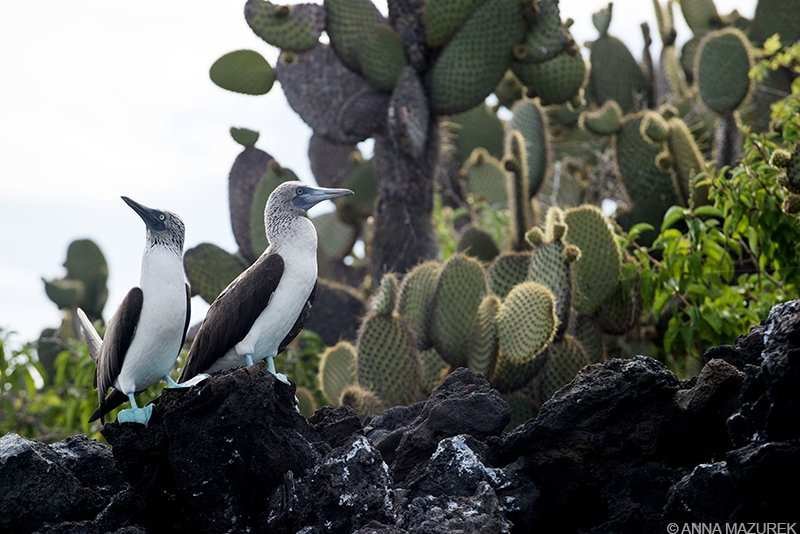
A pair of blue-footed boobies.
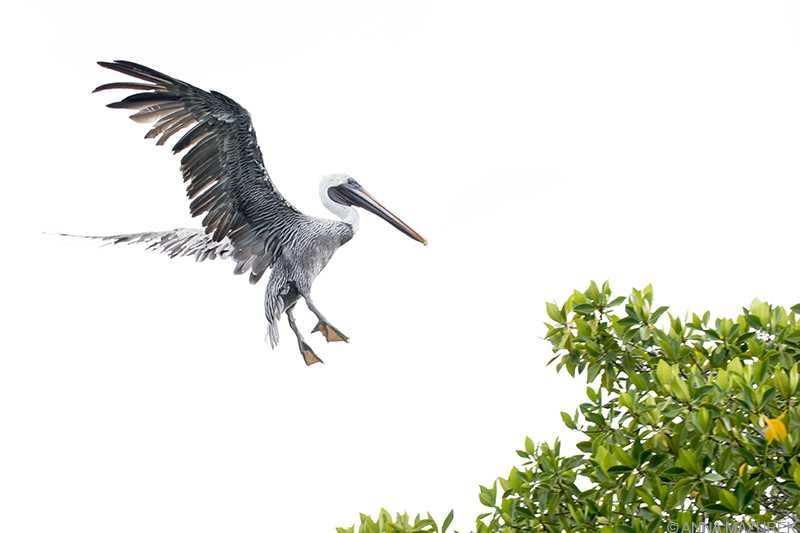
Brown Galapagos Pelican.
Day 6: Bartoleme & Sombero Chino
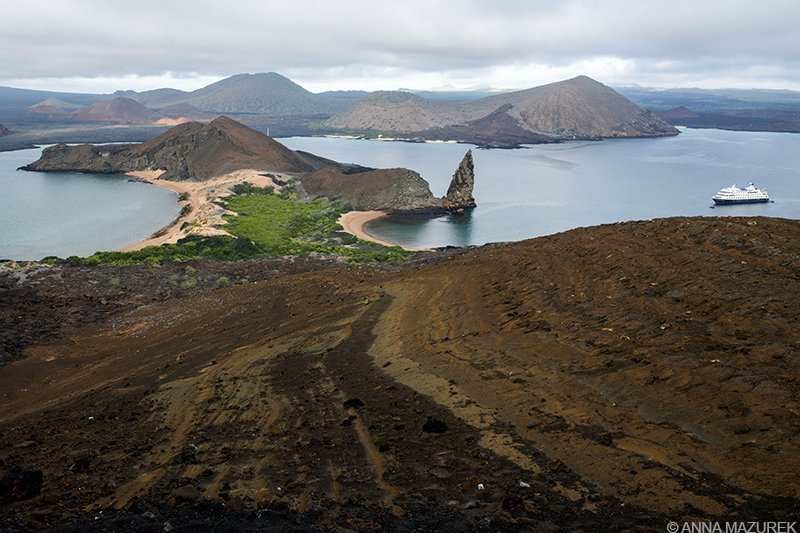
The iconic view from Isla Bartolemé.
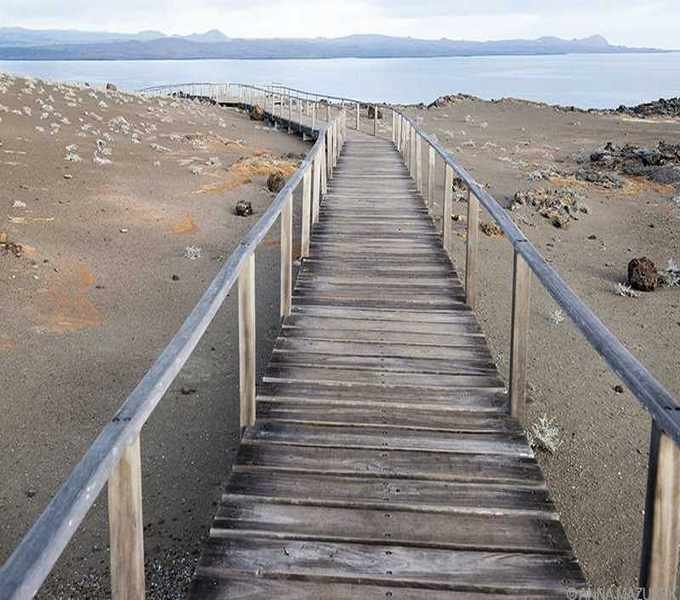
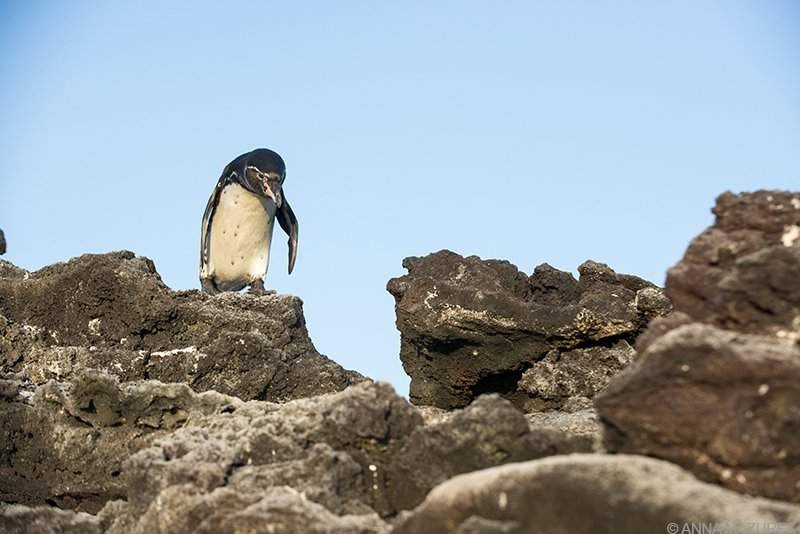
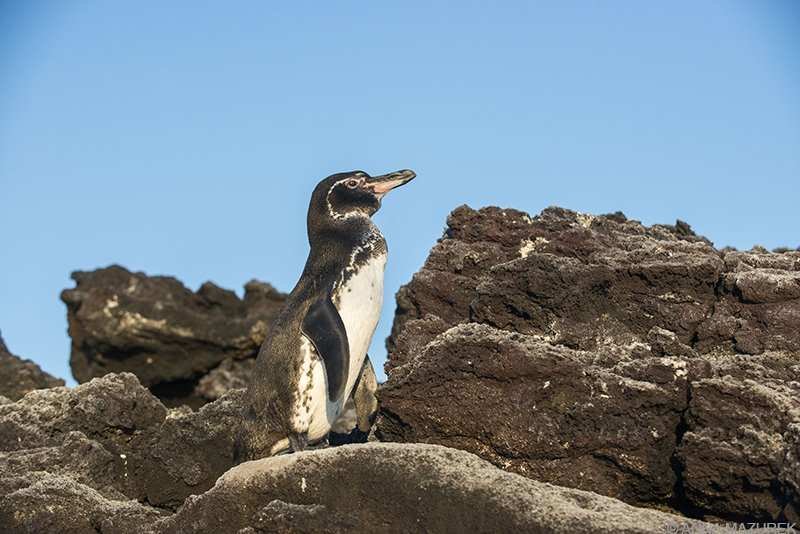
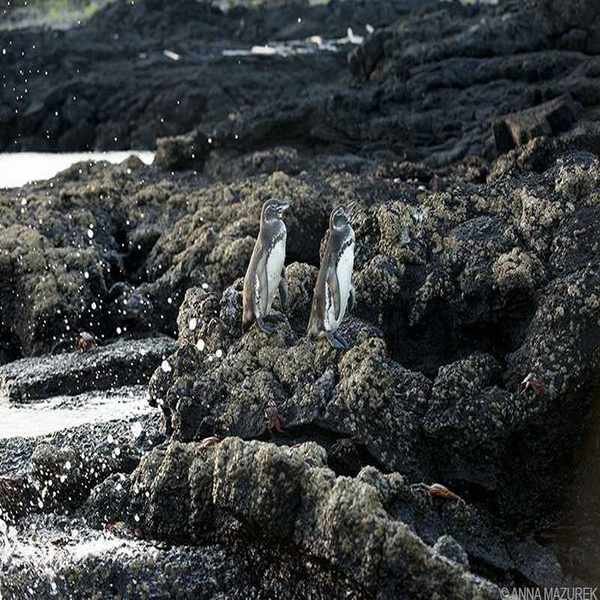
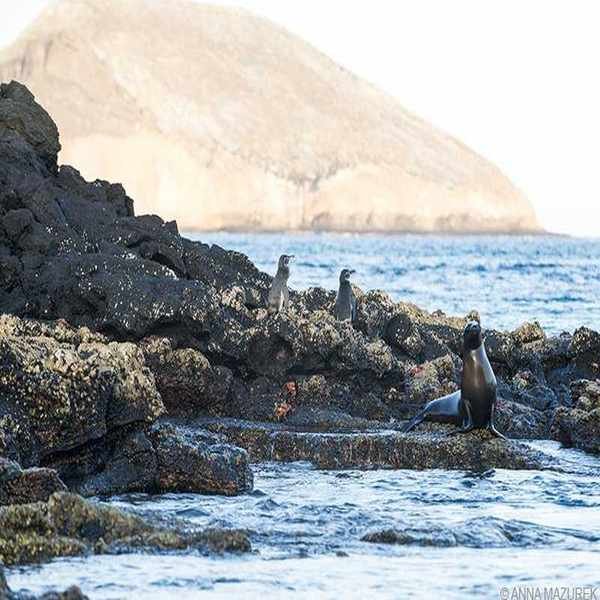
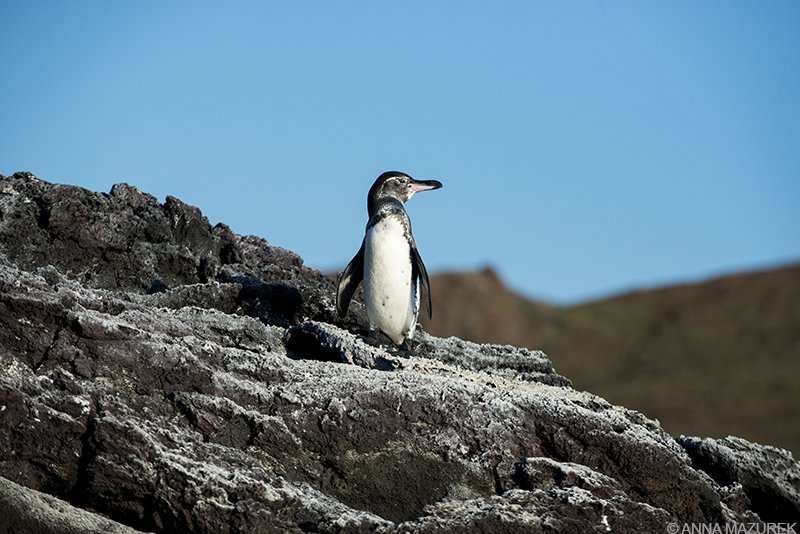
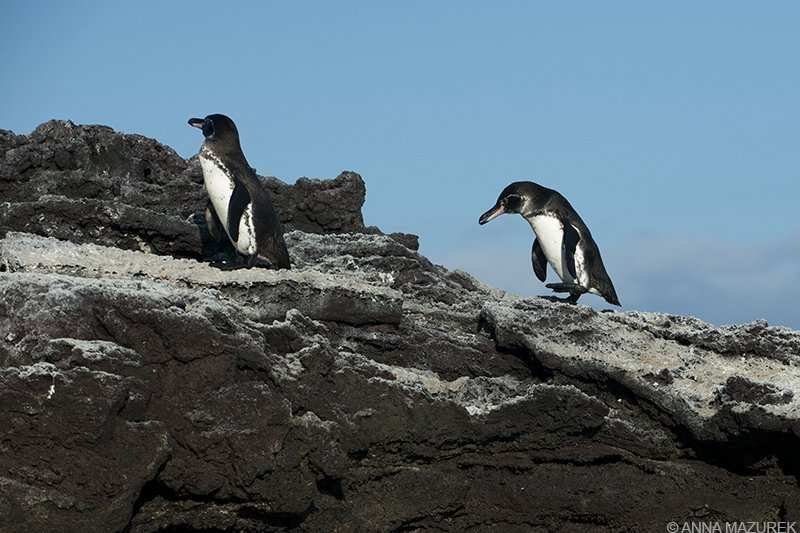
You might recognize the stunning panoramic scene from Isla Bartolemé. A wooden boardwalk leads through volcanic terrain to a 375-foot summit with breathtaking views of the sandy beaches below. Snorkeling here was exceptional; I even saw a penguin diving in like a torpedo! Though I lacked an underwater camera, witnessing various penguins along the coast was unforgettable.
Here are some of my favorite penguin photos:
Sombero Chino, a conical island resembling a “Chinese hat,” offers a short trail with excellent snorkeling opportunities. Wildlife includes sea lions and a colony of marine iguanas.
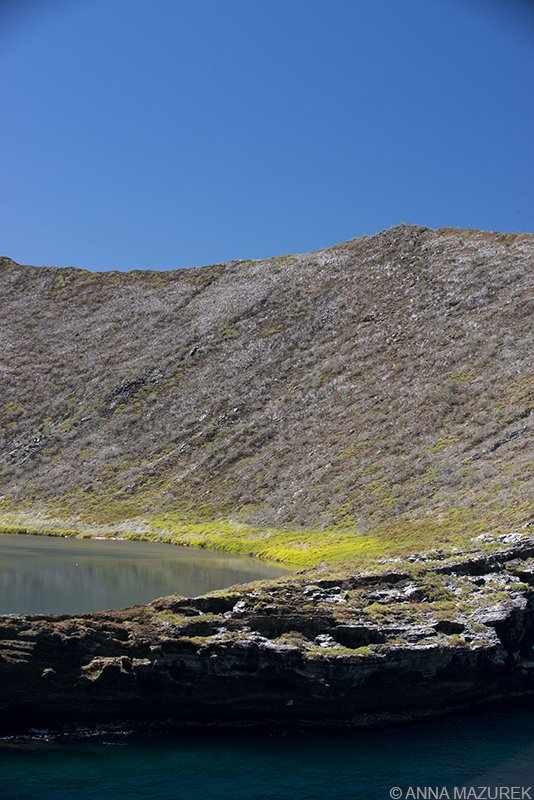
Sombero Chino as seen from our boat.
Day 7: Genovesa
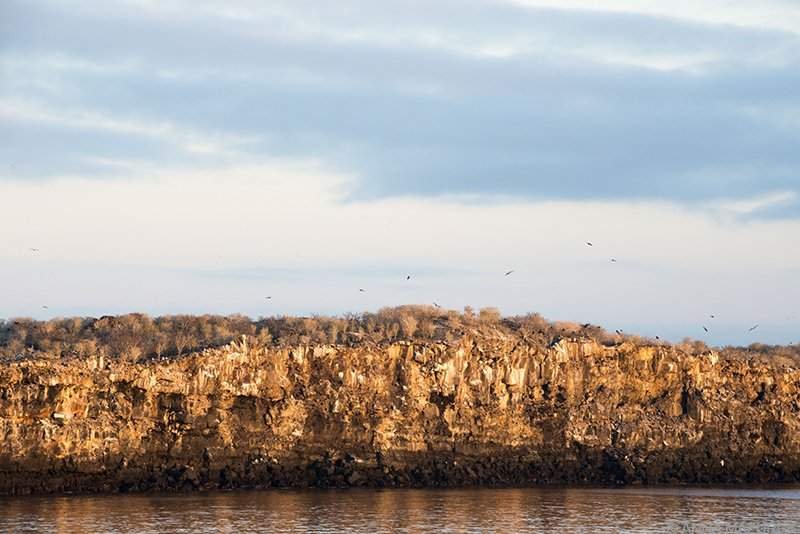
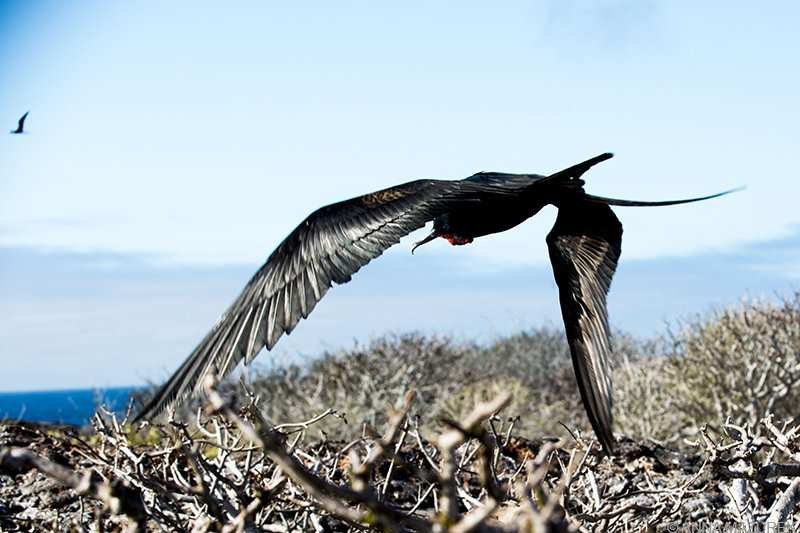
Genovesa is a paradise for birdwatchers, featuring red-footed boobies and striking frigatebirds. The males inflate their red throat pouches to attract mates, making it one of my favorite islands. Plus, you cross the equator to reach it!
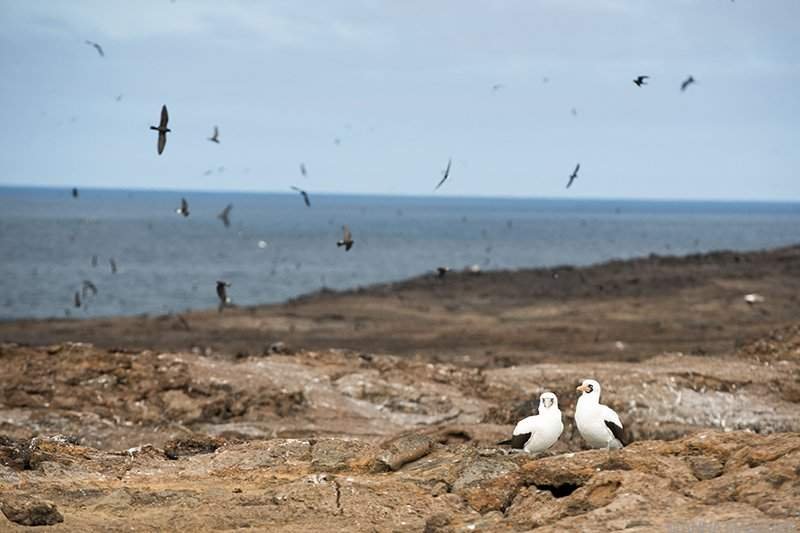
Nazca boobies, Genovesa island.
Two main sites to explore on this island are Darwin Bay Beach, a coral beach with a 750-meter trail through bird breeding grounds, and the Prince Phillip Steps, which feature steep stairs leading to a one-kilometer trail inland. Here, I spotted short-eared owls, though they were too distant for a clear photo!
Enjoy some of my favorite frigatebird shots:
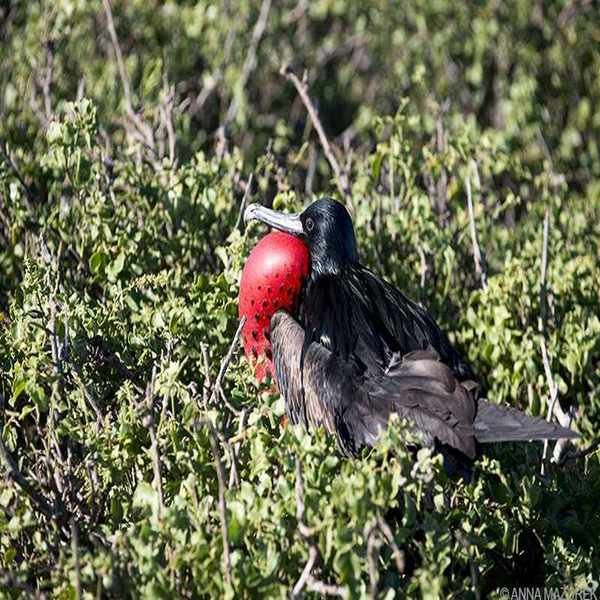
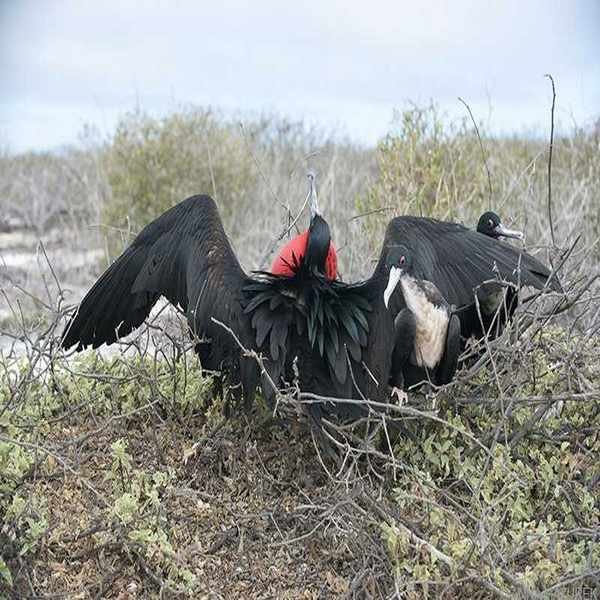
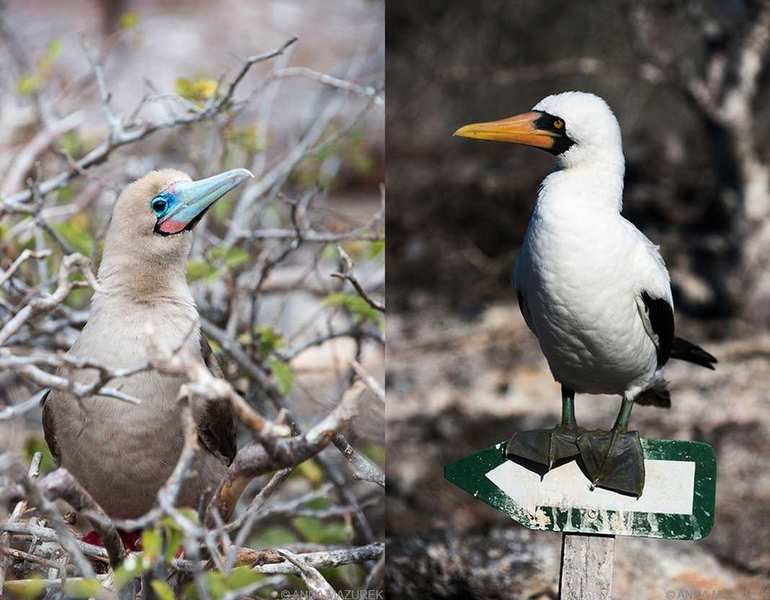
Red-footed boobies (left) and Nazca boobies (right) both mate on Genovesa island.
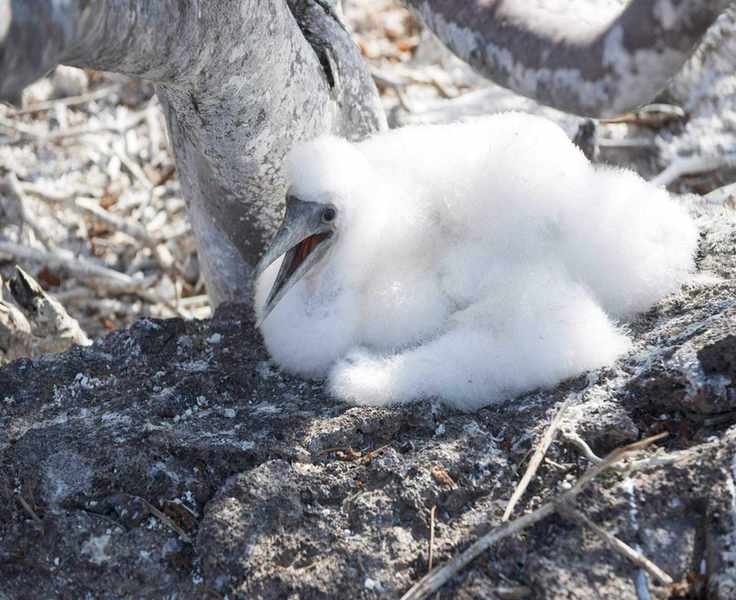
A baby Nazca booby.
Best Time to Visit the Galapagos
Visit from December to May for warm weather and occasional rain, ideal for turtle nesting on beaches and active animal behaviors. Expect sunny days averaging 85°F, with calm seas.
June to December brings cooler, choppier waters due to the Humboldt current. Birds and marine mammals are most active during this dry season, with the chance to see penguins. Sea conditions can be rough from July to October, while peak seasons align with school breaks in mid-June to early September and mid-December to mid-January. For those prone to seasickness, February to April offers calmer waters.
Snorkeling Experience
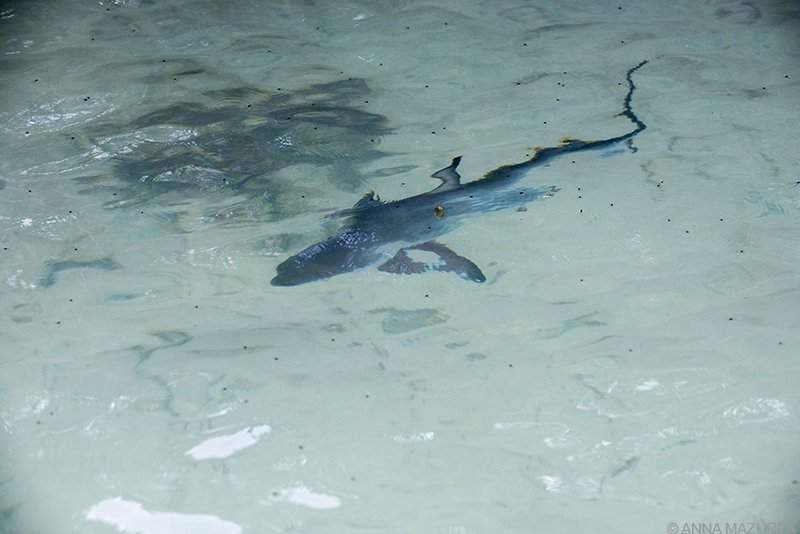
I captured a group of blacktip sharks from our boat during one outing.
The water temperature was in the low 70s°F, the warmest time of year, yet I still needed a wetsuit. After about 45 minutes, I had to exit the water due to feeling cold. We frequently encountered sizable white tip sharks, and although some were intimidating, our naturalists were unfazed. Other snorkeling highlights included sea lions, turtles, rays, and a variety of fish.
Packing Essentials for the Galapagos
Camera Equipment
Here’s the gear I packed for my Galapagos trip, along with some recommendations.
- Nikon D800 Body (D810 is the latest model of my camera)
- 24-70 mm f/2.8 lens: Ideal for wide-angle photography.
- 70-200 mm f/2.8 VR lens (Perfect for close-ups of wildlife, except for landscapes like Isla Bartolemé.)
- Circular Polarizer Filter: Reduces glare from sunlit water and sky, enhancing colors. You’ll need one for each lens size or a step ring for compatibility.
- Lens cloth: Your lens can fog up when transitioning from air conditioning to humidity. Go outside 15 minutes early to let your lens acclimate.
Packing Must-Haves:
Items I wished I’d packed:
*Some Amazon and REI affiliate links are included. If you make any purchases through these, I earn a small commission at no extra cost to you. For questions, feel free to reach out.
____________________________________________________
UP NEXT
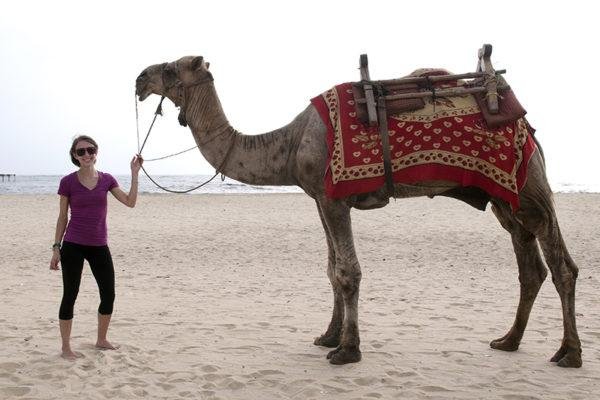
I’m heading to Mongolia next week, so expect plenty of camel photos! Stay tuned for my upcoming adventures.