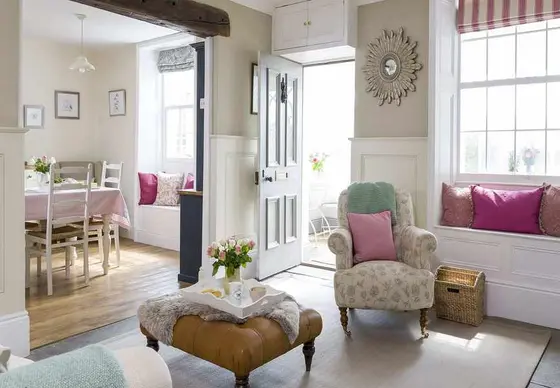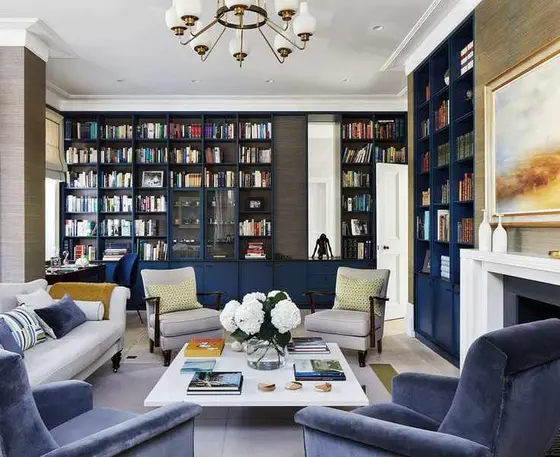
If you're in search of a home that boasts symmetry, refined proportions, airy spaces with high ceilings, and an abundance of light from numerous multi-paned sash windows, a Georgian house might be just what you need. This architectural style encompasses everything from quaint wooden cottages to grand townhouses and expansive estates.
Let's explore this classic home style in the United States.
What Defines Georgian Architecture?
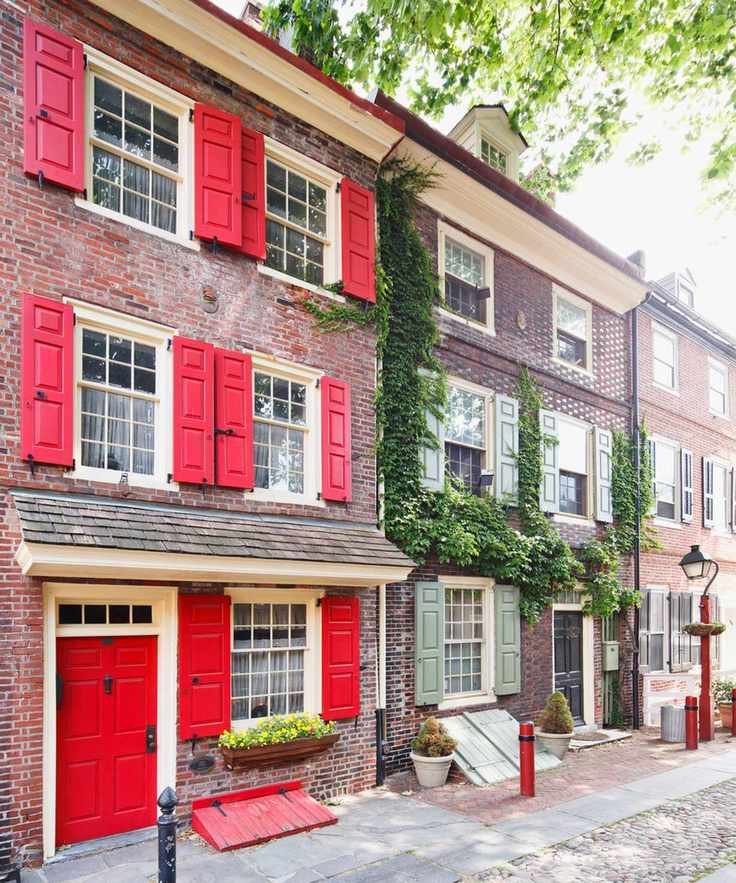
Georgian homes emerged in the 18th and 19th centuries during the reigns of four British monarchs named George, reflecting Palladian influences that emphasize symmetry. In the UK, these homes range from iconic terraced townhouses found in cities like London, Edinburgh, and Bath to country estates and Cotswold farmhouses.
In America, Georgian designs include a spectrum of styles, from wooden houses in New England to plantation homes in the South. Notably, Elfreth's Alley in Philadelphia features homes constructed between 1728 and 1836, making it one of the oldest residential streets in the country.
'The appeal of Georgian architecture in the US has fluctuated since the early 1700s,' explains a preservation expert. 'These two-story structures, built from stone or brick, feature gabled roofs, evenly spaced windows, a central entrance, and decorative details that are easily identified, especially on the East Coast.'
'While often referred to as Colonial, early Georgian architecture also integrated elements of Baroque and Neoclassical styles,' the expert adds. 'Following its peak in the 18th century, the more refined Federal style became prevalent, and later in the 19th century, Neo-Georgian architecture emerged, blending classical symmetry with ornate detailing.'
Origins of Georgian Architecture
Georgian architecture began in England between 1714 and 1830, coinciding with the reigns of Georges I through IV.
'Colonists brought this style to America during the 18th century,' the expert states. 'The symmetrical design, classic decorative features, and light-filled rooms resonated with North East colonists, who initially focused on practicality in their home designs.'
Why Georgian Homes Remain Popular

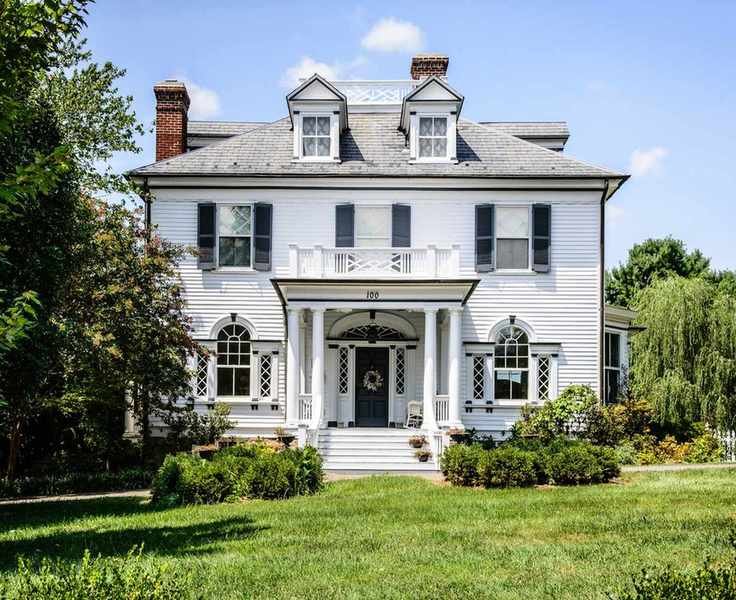
Georgian homes continue to capture American homeowners' admiration due to their balanced proportions and decorative details, as seen in a stunning Virginia residence. 'Just as early colonists were drawn to this style, today's owners appreciate how the ample windows create bright, inviting interiors.'
The layout of Georgian homes also appeals to families, with informal spaces located toward the back and more formal living areas at the front. Bedrooms are typically situated on the second floor. 'The boxy room design allows for flexibility in decor and remodeling while retaining the distinctive crown moldings and other stylish elements,' the expert notes.
Where Are Georgian Homes Located?
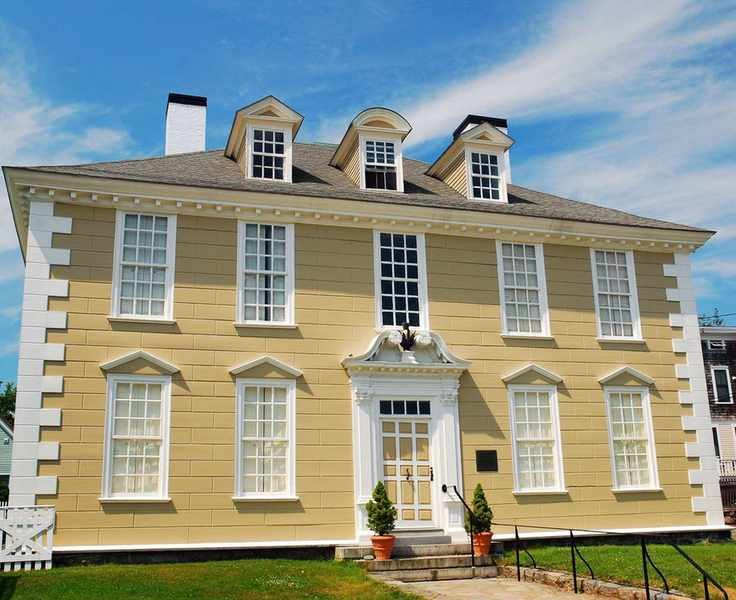
'In the US, Georgian-style residences are most commonly found along the East Coast (like the one in New Hampshire above), with regional variations introduced by early settlers, such as the wood detailing in northern constructions,' the expert remarks.
'Brick and stone structures define Georgian homes in the middle colonies, including New York and Pennsylvania, while southern homes often feature separate wings.'
'Many 18th-century Georgian houses still exist in rural areas or smaller towns on the East Coast, although numerous examples have been lost in larger cities like Boston, New York, and Philadelphia due to urban development. Neo-Georgian or Colonial Revival homes can be found throughout the country,' the expert adds.
Characteristics of Georgian Homes
Typically, Georgian houses are two-story buildings made from wood, stone, or brick, featuring a side-gabled roof.
'You can recognize these homes by their symmetrical layouts, including centered chimneys, multi-paned windows, and a front door with an overhead transom. Often, they showcase a pediment or entablature above the door, flanked by pilasters. Additional features may include terraces, dormer windows, painted shutters, and intricate details like cornices and columns. Inside, high ceilings adorned with crown moldings enhance the square rooms, while the numerous windows invite abundant natural light.'