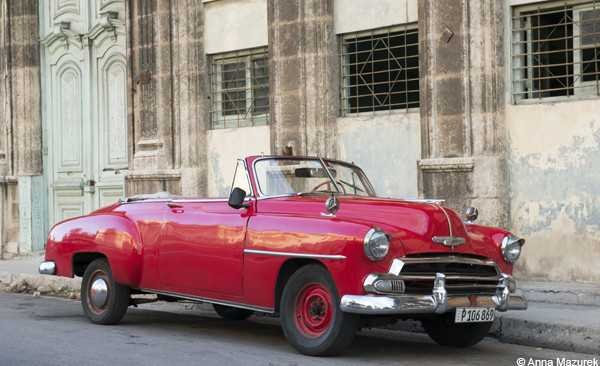
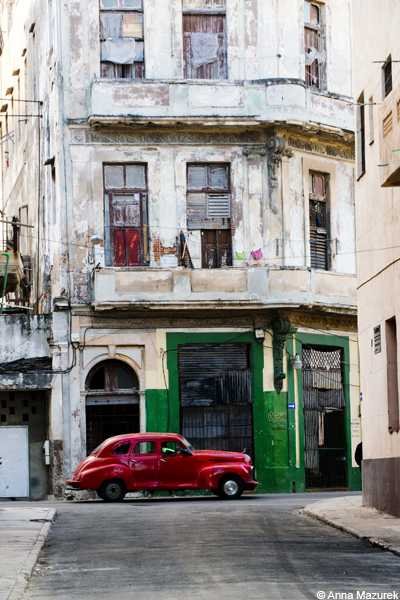
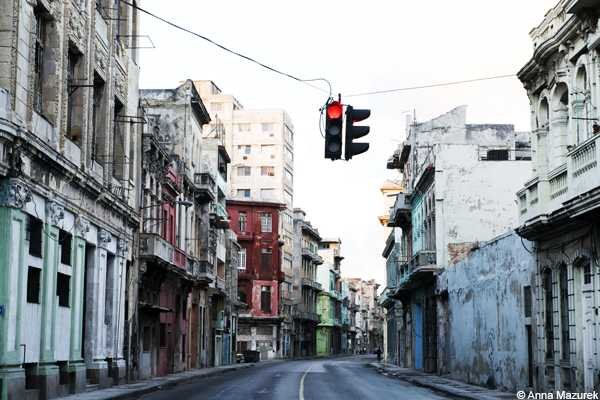
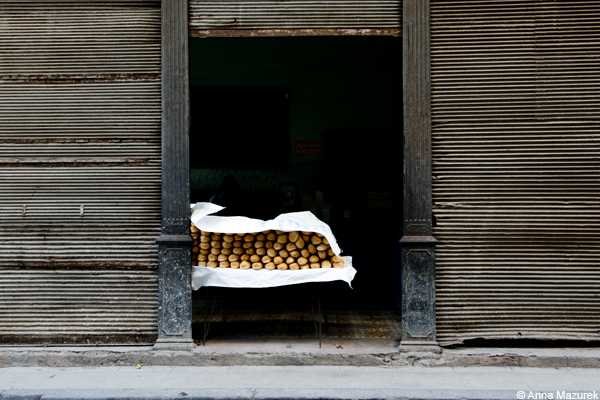
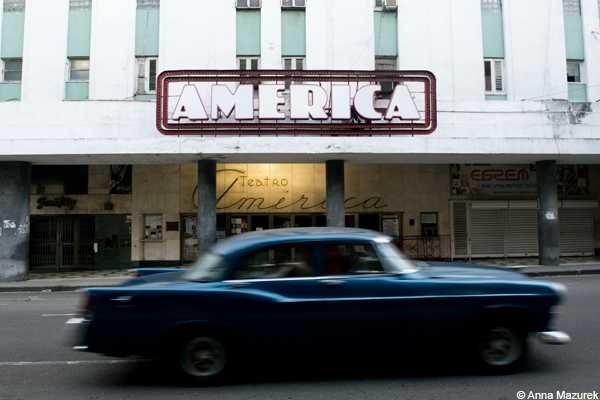
Visiting Cuba feels like stepping back into the 1950s—colonial architecture, classic cars, and the scent of cigars fill the streets. Each evening, the sound of salsa spills into the alleys where locals gather around card tables for dominoes.
Havana quickly captured my heart. I spent countless hours wandering the streets with my camera or enjoying long runs along the Malecón, the city’s iconic eight-kilometer seawall.
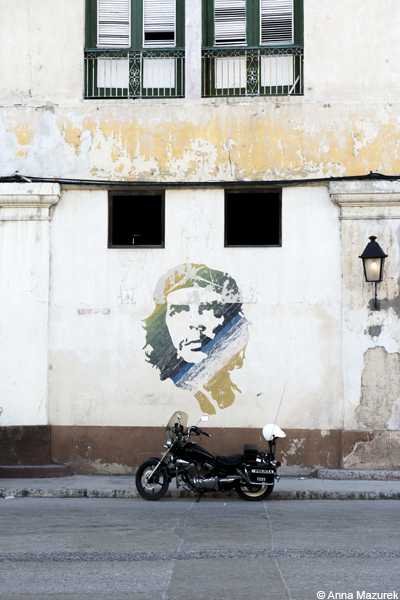
During one run near the ferry terminal, I encountered a vibrant mural of Che Guevara. His image seems to follow me everywhere—on t-shirts in Burma, stickers on tuk-tuks in Laos, graffiti in Panama, and jeeps in India.
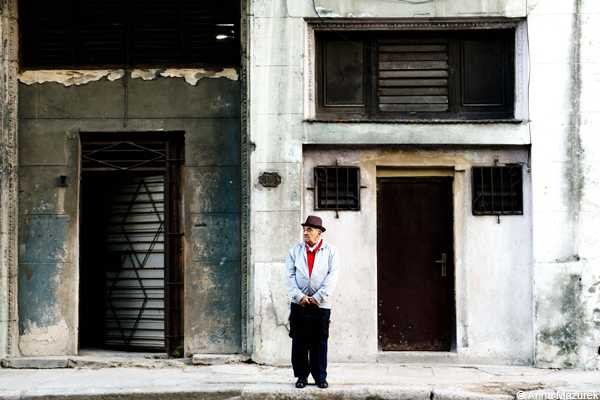
My journey to Cuba began in an unexpected place—Burma. This untouched Asian country lacked fast-food chains and Western influences. As I gazed out the taxi window in Yangon, I thought, “This is what Cuba must be like.” I’m drawn to remote locations and the beauty of life on the edges. I find charm in the dilapidated buildings and worn streets, perfect subjects for my photography alongside local vendors.
Despite facing hardships, Cubans radiate warmth and resilience. I observed similar strength in Burma and the remote Himalayas. As whispers of change circulate through Havana, I hope Cuba retains its unique charm while improving the locals' quality of life.
Travel Tips for Havana
Accommodation Recommendations:
- For an authentic experience, consider staying in casas particulares, which are bed and breakfasts hosted by locals. One highly recommended option is Casa Deysi. A fellow traveler from Brazil suggested it to me, and Deysi made my stay unforgettable!
- Costs for casas particulares typically range from $20-30 USD per night. Look for the small white rectangle sign with a blue symbol resembling an upside-down anchor.
Dining and Drinks:
- Starbien Restaurante is a top choice for a fantastic meal in Havana. Other great options include Ivan Justo and La Terraza, all of which require reservations.
- For an affordable breakfast, Francesca’s Bakery near Parque Central serves delicious ham and cheese croissants.
- Don’t miss the Cuban sandwich at Hotel Nacional on the Malecón.
- Visit one of Hemingway’s favorite spots—Floridita. Order a daiquiri, enjoy the live band, and snap a photo with Hemingway’s statue.
Currency and Costs:
- Cuba has a dual currency system, consisting of the Cuban convertible peso (CUC) and the Cuban peso (CUP). The CUC is commonly used for lodging, transportation, and state-run eateries, with an exchange rate of about $1 USD to $1 CUC. Some local restaurants and markets accept only CUP.
- Euros offer the best exchange rates currently. ATMs are scarce, and many cards may not function. Currency exchange can be done at the airport and local banks.
- A taxi ride from the airport to central Havana is set at a standard rate of $25 CUC.
For more travel insights about Cuba, check out articles from The New York Times and The Guardian.