Spanish-style homes often evoke images of rustic stone, vibrant white stucco, red-tiled roofs, arched doorways, intricate ironwork, and exposed wooden beams. These elements define the aesthetic of Spanish house design.
While we use the term broadly, understanding the roots of these beloved architectural styles enhances our appreciation.
Defining Characteristics of Spanish-Style Homes
Spanish colonial architecture began in Spain around 1500 and made its way to North America with settlers in the 1600s. They constructed homes in Florida, California, and the Southwestern states, replicating the structures left behind in Europe. They utilized materials like clay and straw for walls, topped with a stucco finish and clay tiles.
This colonial style persisted in America until the mid-1800s, later resurfacing during the Colonial Revival movement in the early 1900s. A surge of Spanish revival homes emerged, showcasing instant curb appeal with their low roofs and white or stone facades, blending luxury with simplicity that reflects their humble origins.
It's this contrast that lends Spanish architecture its enduring allure. Today, we continue to create and enjoy Spanish colonial, revival, and modern Spanish designs.
Explore our curated selection of Spanish-inspired living spaces below, highlighting the essential components of this style.
1. Admire the Charm of Natural Stone Exteriors
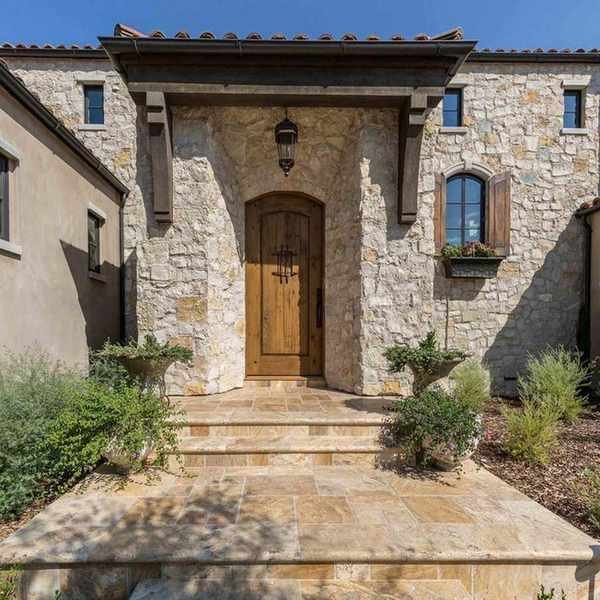
In regions like Florida, California, New Mexico, and Arizona, Spanish settlers crafted homes using local materials that adapted to their environment. Adobe, a blend of clay and straw with stucco, was one option, but stone was also frequently used.
This modern revival home in Northern California, constructed in 2022, showcases rustic stone reminiscent of rural Spain. Interior designer Nastassja Bowman of Kristen Elizabeth Designs describes the concept: "The stone exterior is designed to harmonize with the landscape, as Spanish style emphasizes nature's prominence. On the coast, the blue waters take center stage, and connecting with nature is vital in Spanish culture. Historically, stone helped shield against the heat. It's a perfect representation of Spanish style on the home's exterior, with its varied patterns and textures enhancing a neutral palette."
Key architectural features include small windows for heat reduction, low-pitched clay-tiled roofs, and arched window and doorway designs, all firmly anchoring this build in Spanish revival style.
2. Enhance Your Space with Decorative Ironwork
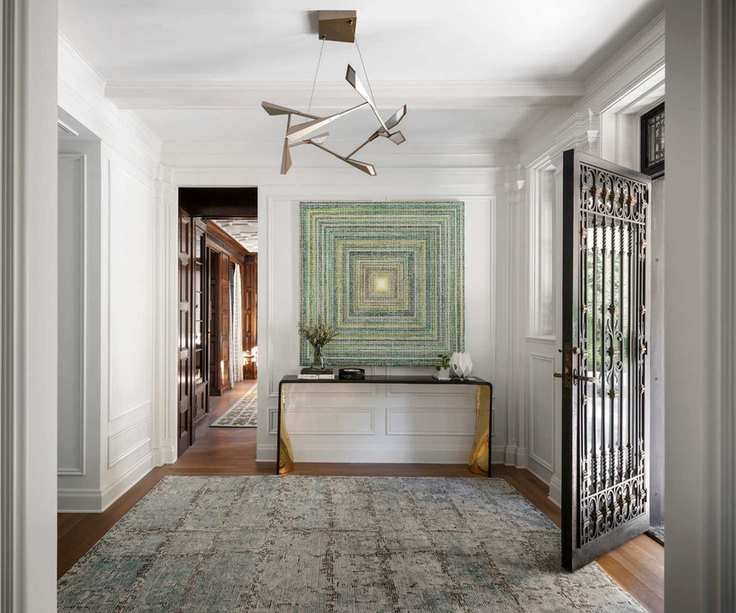
Details matter. While the exteriors of 1920s Spanish revival homes may appear straightforward, a closer look reveals a wealth of decorative elements, such as Juliet balconies on upper windows or ornate iron grills for doors and windows, reflecting a time-honored craft that lends a rural charm to the home.
Inside, the style remains simple yet elegant. According to Aaron Mollick, co-founder of Studio AM, "Influences from Italian and Spanish revivals in the 1920s led to a blend of simplified Spanish interiors with more ornate Italianate styles." During the renovation of a 1910 Spanish revival home, the original service areas were expanded to enhance the entryway, and although the front door was replaced, the ironwork door grill maintains the era's decorative flair.
3. Revel in Rustic Beams and Arched Doorways
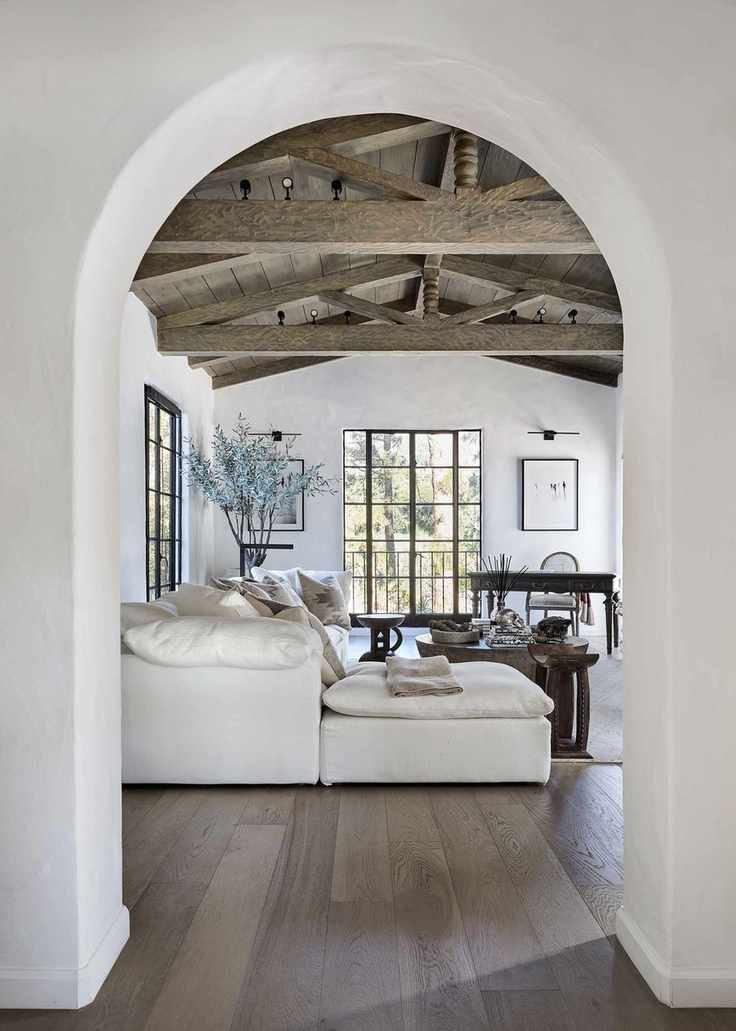
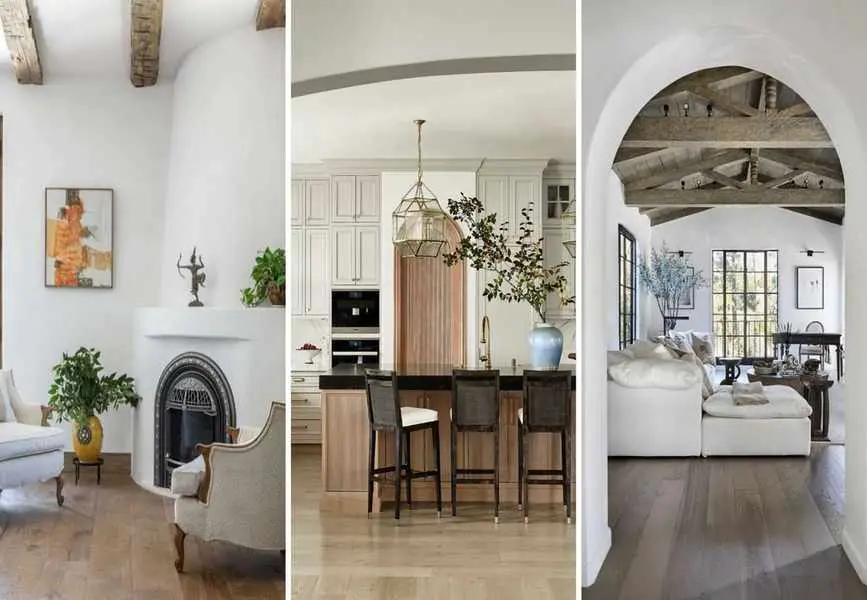
This Spanish-style living room invites relaxation with its classic arched doorway and exposed wooden beams. Designer Julia Dempster, who renovated the 1927 property, shares, "The living area's design reflects careful attention to detail, creating nostalgia and elegance. The whitewashed walls bathed in sunlight provide a serene backdrop, allowing the timber ceiling and wide oak floor to shine. The intricate patterns and warm tones of the high timber ceiling add grandeur to the space."
Natural light filtering through black steel windows creates a tranquil atmosphere, complemented by neutral textiles and reclaimed wood furniture. Julia's favorite feature is an olive tree that introduces a touch of nature indoors.
4. Infuse Spanish Revival Style into Your Kitchen
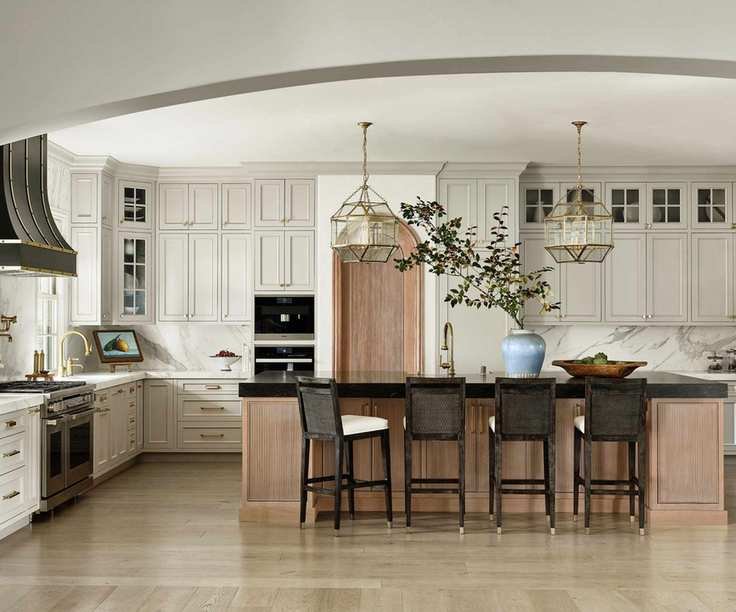
It's entirely feasible to incorporate Spanish colonial or revival elements into a new kitchen design. Given the cultural significance of cooking and entertaining in Spanish and Mediterranean traditions, this approach works seamlessly.
The kitchen showcased here, renovated in a 2018-built home in Danville, CA, retains the classic arched opening typical of Spanish homes. Designer Lauren Evans explains, "While this kitchen isn't strictly Spanish, it aligns beautifully with that style, creating a light, warm, and elegant environment that resonates with the home's Spanish roots." She emphasizes the use of white and black tones reflective of many Spanish colonial homes, along with warm greige cabinetry and brass finishes to soften the look.
We dive deeper into Spanish-style kitchen inspirations in a dedicated feature.
5. Capture Traditional Essence with Dark Wood Kitchens
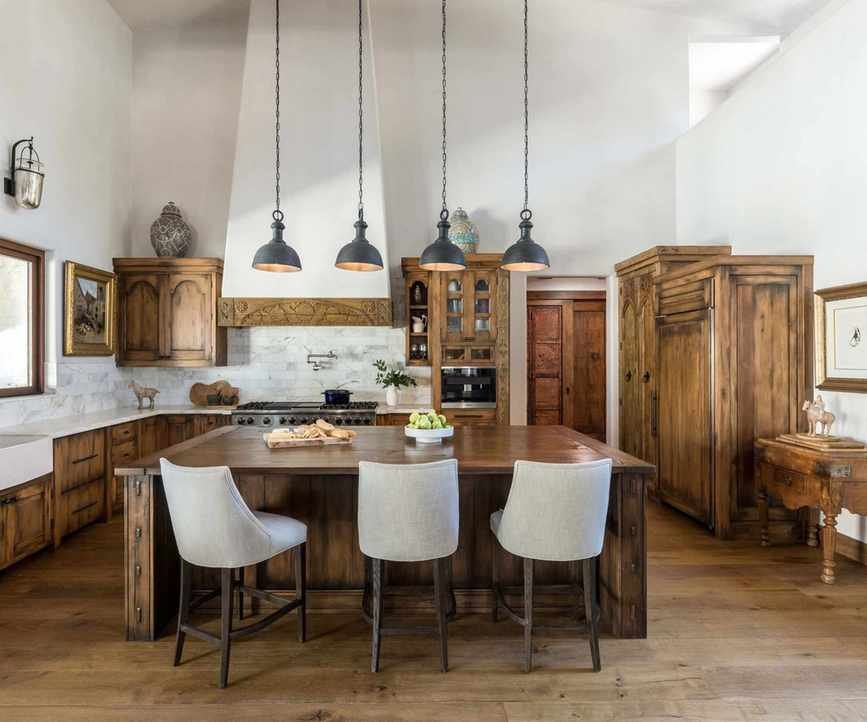
This kitchen, part of another new build, embodies traditional Spanish elements with dark wood cabinetry and flooring paired with white walls and a plaster hood. It's easy to envision classic dishes being prepared in such a space.
According to Nastassja Bowman of Kristen Elizabeth Designs, "The creamy white walls mimic the Spanish mission style, creating a canvas for the rich woodwork. Warm, worn wood tones evoke rustic charm and reflect the craftsmanship inherent in Spanish architecture. Hammered ironwork highlights the natural elements forming the Spanish aesthetic. This style thrives in spaces where natural materials abound, mirroring the environment in the home's interior."
Nastassja advises, "Recreate this style with handcrafted pieces from skilled artisans, as the small variations add character. The human touch in these creations fosters an inviting atmosphere."
6. Cozy Up with a Charming Fireplace Nook
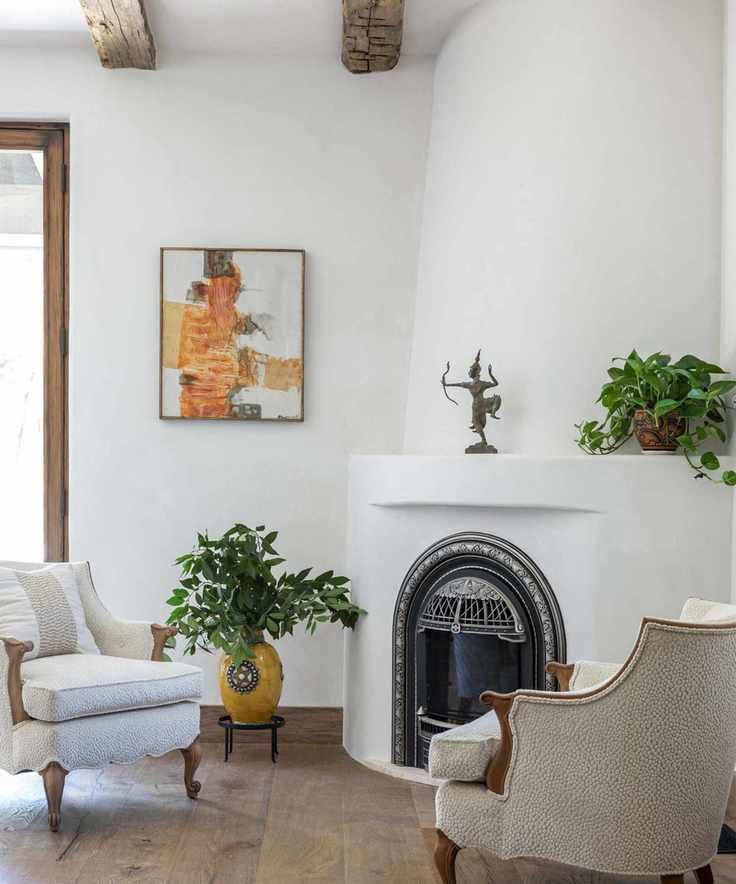
This inviting family room nook, featuring a rounded fireplace, highlights another common theme in Spanish-inspired interiors.
Nastassja explains, "This curved fireplace showcases the arched shapes prevalent in Spanish architecture. The consistency of materials used reflects the abundance in early Spanish homes. Beyond materials, this design symbolizes community, as it creates a space for family gatherings and conversations."
7. Adorn with Colorful Tiles and Terracotta

Spanish interiors excel at showcasing decorative tiles. This stunning stairway in a 1927 colonial home features simple whitewashed walls paired with vibrant patterned tiles. Julia Dempster, who renovated the house in LA's Pacific Palisades, shares, "Through careful restoration, we revitalized original tiles and brickwork, honoring the design's heritage. Each tile narrates a story of craftsmanship, with its glazed surface capturing light beautifully."
These simple yet impactful details define Spanish style, merging natural beauty with understated elegance.
To discover more chic, European-inspired interiors, check out our feature on modern Mediterranean design.