
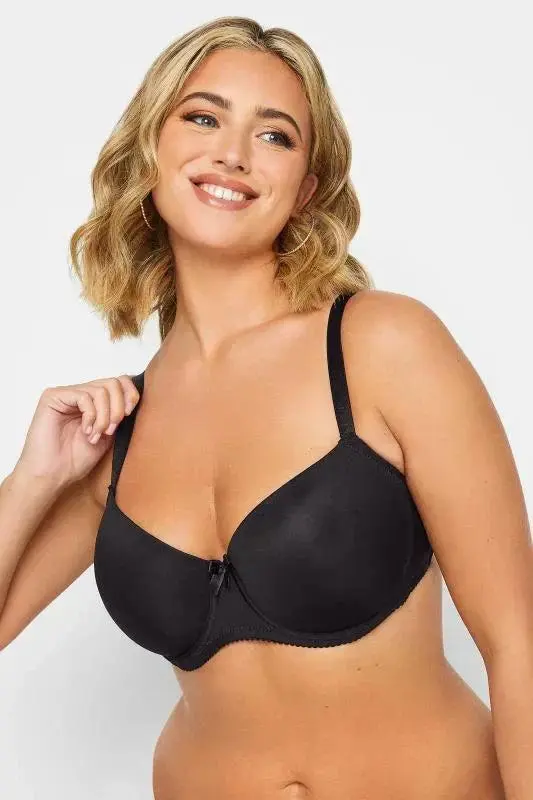
Exploring 30D Bra Size: Fit, Shape, and Support Insights
What Exactly Are 30D Breasts? In the often puzzling realm of bra sizing, "D cup" is frequently misunderstood. Contrary to common beliefs, 30D breasts are not large in volume but rather proportionate to a smaller frame. Your breast size is a combination of both band and cup measurements, not just the cup letter.
If you have a narrow ribcage and your bust measures 4 inches more than your underbust, you likely wear a 30D. The bust measurement, taken at the fullest part of the breast, is crucial for determining your correct bra size. Different sizing systems cater to a variety of body types and preferences, providing a range of band and cup combinations. If you've been wearing a 32C or 34B, thinking your breasts are "average" or "hard to fit," this guide will clarify things. Notably, the cup volume of a 30D matches that of a B cup in a larger band size, showcasing the sister size concept. A sizing chart can help illustrate how different sizes relate, especially with sister sizes.
Understanding 30D Size
Two elements define your bra size:
- The number (30) = band size, suitable for ribcages measuring 26–28 inches.
- The letter (D) = cup size, indicating a 4-inch difference between band and bust measurements.
For someone with a small frame, 30D breasts may appear more prominent relative to their body. Thus, 30D breasts are full and projected, not necessarily large in volume. A 30D cup holds the same volume as a 32C or 34B; this illustrates the concept of sister sizes, where cup volume remains consistent across different sizes.
Visualizing 30D Breasts
Due to the small band size, 30D breasts look lifted and proportionate, not wide or heavy.
- On petite or athletic frames: 30D looks naturally full and projected.
- In tight or unstructured outfits: Clothing choices can impact how 30D breasts appear, potentially leading to slight gaping or strain if the top isn't designed for curves.
- Wearing the wrong size: Spillage, gaping, or inadequate support can occur, especially with a loose band.
Cup letters aren't universal; a D on a 30 isn't equal to a D on a 36, contributing to confusion in bra sizing.
Common Fit Challenges for 30D Breasts
If you have 30D breasts, you might encounter these issues while shopping for bras:
- Loose band in 32 or 34: This results in inadequate support.
- Shallow or wide cups: This leads to underwire digging or cup gaping.
- Straps slipping or digging: Especially when they bear weight without adequate band support.
- Bras compressing your bust: Due to shallow cup designs.
If you face these problems, consider reassessing your bra fit and experimenting with different sizes or styles for optimal comfort and support. Maintaining a nutritious diet and wearing supportive bras during workouts is advised to prevent sagging and aid muscle growth. The idea of "30 days" in breast enhancement refers to a timeline to show improvements in the chest area through targeted exercises.
After 30 days, results are typically seen as enhanced tone or lift rather than an increase in cup size. These routines often include gradually increasing intensity and focus on bodyweight exercises that can be done at home. Consistent exercises like push-ups and chest presses can strengthen the pectoral muscles under the breast tissue and improve posture. A 30-day challenge can foster exercise habits and consistency.
Choosing bras designed with petite bands and deeper cups is essential, rather than simply scaled-down versions of standard sizes. Specific features like side support or plunge designs can also help with fit issues. While muscle toning may show visible changes in 30 days, significant structural alterations like a breast lift aren't feasible.
Finding the right fit requires patience and a willingness to explore options until discovering the most comfortable and supportive solution.
Factors Influencing Breast Shape and Size
Understanding your unique bra size and achieving the perfect fit involves recognizing that breast shape and size are influenced by various factors. Genetics significantly determine breast tissue volume, impacting cup size and overall breast dimensions. Additionally, hormonal changes, body weight, pregnancy, and aging can cause fluctuations in bust measurements and cup volume over time.
Your band size is measured snugly around your rib cage, and the difference between this measurement and the fullest part of your bust is crucial for finding your true bra size. Many women wear the wrong size simply because they haven't updated their measurements or are unaware of sister sizes that might better suit them. For instance, a smaller-framed woman with a full bust may need a smaller band and deeper cup for comfort and support, while someone with a larger frame might require different sizing.
Breast shape varies individually; some women have narrow breasts, while others have rounder shapes. The way breasts sit on the chest, tissue distribution, and nipple position affect bra fit and appearance in various styles. The type of bra selected, whether push-up, underwire, or wireless, significantly impacts breast shape. Push-up bras and those with structured cups can enhance natural shape and size, while a smaller band can enhance lift and support.
Lifestyle factors, including exercise, diet, and clothing choices, also influence breast characteristics. Regular exercise can alter body composition and, in some cases, breast size. Preferences regarding how breasts look can lead to choices in clothing or surgical options. Understanding your body and how different bras suit your shape is essential for comfort and confidence.
To find the right bra, regularly measure your bust, especially after changes in weight, pregnancy, or other life events. Observe how the straps, cups, and band fit, and don't hesitate to try various sizes or styles, including sister sizes, to achieve optimal support. A well-fitting bra can greatly enhance daily comfort and confidence, so invest the time needed to find what best suits your body and lifestyle.
By considering all these factors, you'll be better equipped to find bras that not only fit well but also support your unique shape, helping you look and feel your best every day.
Bra Fitting and Sister Sizes
Finding the ideal fit in bra sizing can be daunting, especially with a 30D. Understanding sister sizes is a valuable tool in this process. Sister sizes are bra sizes that share the same cup volume but have different band sizes and cup letters. For example, wearing a 30D means you have the same cup volume as a 28DD or a 32C. This means options are available; if your 30D feels tight in the band, a 32C may be more comfortable, while a 28DD could provide a snugger fit.
When trying on a 30D bra, focus on three crucial areas: band, cups, and straps. The band should fit snugly and supportively, not loose or riding up. An excessively tight band can be uncomfortable, while a loose band fails to support the breasts adequately. Cups should fully contain breast tissue without spillage or gaping, ensuring the size and volume align with your shape. Adjustable straps are essential; they must remain in place without digging into shoulders or slipping off.
Navigating the 30D Bra Options
If your 30D bra doesn't feel right, such as having a tight band or unsmooth cups, don't hesitate to explore sister sizes. Moving up to a 32C offers a looser band while maintaining the same cup volume, whereas a 28DD provides a smaller band for better support. Remember, the perfect fit is determined by how the bra feels on your body, not merely the label.
Additionally, cup size and band size can differ among brands and styles. Some brands may cut their cups larger or smaller, and styles like balconette, plunge, or t-shirt bras may suit different breast shapes and preferences. Don't hesitate to try a variety of bras from different brands to find what works best.
For precise measurements, consider a professional fitting at a lingerie store. A fitter can accurately measure your bust and underbust, assist in understanding sister sizes, and recommend styles that fit your figure and support needs. If you prefer shopping online or at home, try various sizes and styles, moving around in each bra to gauge comfort throughout the day.
Key Considerations for 30D Bra Fitting:
- Sister sizes (like 28DD and 32C) share the same cup volume as 30D but differ in band sizes.
- Cup size and fit can vary between brands and styles, so always test before purchasing.
- A smaller band size may offer more support for a petite frame, while a larger band can provide comfort if you prefer a looser fit.
- Both professional fittings and at-home trials are beneficial in finding your ideal fit.
- Focus on comfort, support, and how the bra aligns with your body and style preferences.
By understanding sister sizes and being open to experimenting with various sizes and styles, you'll be on your way to finding a bra that feels as great as it looks. Whether you choose to stick with a 30D or explore the broader family of sister sizes, the goal is always to achieve a fit that supports your unique shape and lifestyle.
Best Bra Styles for 30D Breasts
For optimal support of 30D breasts, the right structure and shaping are vital. Here are styles that excel:
✅ Plunge Bras
These accentuate a projected bust and prevent gaping at the neckline, perfect for V-necks or petite frames.
✅ Balconette Bras
These provide lift and shape without full coverage, ideal for rounder busts or when aiming for a defined silhouette.
✅ T-Shirt Bras
With seamless cups offering depth, these prevent compression and ensure a smooth look under clothing.
✅ Underwire Bras with Side Support
These deliver lift and forward projection, particularly beneficial for those with fuller outer breast tissue.
✅ Wireless Bras with Firm Bands
If you prefer no wires, choose options with molded cups and snug, supportive bands to maintain everything in place.
Recommended Brands for 30D Sizes
While mainstream brands often start at 32 bands, several lingerie lines cater to smaller bands with deeper cups:
- Freya – Known for supportive plunge bras in 28–30 bands.
- Panache & Cleo by Panache – UK brands specializing in full-bust/petite-band sizing.
- ThirdLove – Offers a variety of sizes, including 30D, with personalized fit options.
- Natori & Wacoal – Excellent for seamless and elegant everyday wear.
- Bravissimo – A full-bust brand that provides tailored support for smaller frames.
Shopping and Fitting Tips for 30D
- Get measured at least annually—especially after weight changes, hormonal shifts, or pregnancy.
- Utilize sister sizing wisely (30D = 32C = 34B), but prioritize checking band snugness first.
- Choose three-hook bands for better anchoring on small frames.
- Emphasize cup depth to prevent flattening or spilling.
- Avoid "S-M-L" sizing in bralettes, which often lack support for a 30D bust.
Final Thoughts: 30D Represents Proportion, Not Volume
Ultimately, the 30D size reflects a unique balance of a petite underbust and fuller bust—body types that deserve adequate support and style. Wearing a well-fitted bra enhances posture, comfort, and confidence, as it complements your natural shape.
In caring for 30D breasts, finding the right support is crucial for comfort throughout your day, whether exercising or simply browsing online. A well-fitted bra can alleviate issues like nipple irritation or back pain caused by inadequate support. Many women experience these challenges, but with the right guidance, it's entirely possible to find well-fitting, comfortable bras. It's all about comfort and confidence—no one should endure discomfort while living their best life!
Whether you're in a seamless bra for work, a lacy balconette for a night out, or a cozy wireless bralette on the weekend, the perfect fit for your 30D body is achievable without compromise.
We hope you feel empowered and comfortable embracing your 30D size.



