
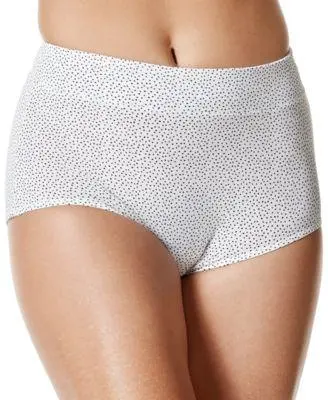
Undergarments play a vital role in our wardrobes, offering support and comfort while contributing to our confidence. But what are they, and why do they matter? Let’s explore the significance of undergarments in everyday life.
Defining Undergarments
Undergarments, commonly referred to as underwear or intimates, refer to clothing worn under outer garments. These pieces are designed for direct contact with the skin and come in various styles and materials to meet diverse needs. Traditionally, undergarments were made from simple fabrics, which were essential in their evolution.
The Importance of Undergarments
Undergarments fulfill key functions such as support, protection, and modesty. They help maintain hygiene by absorbing sweat and keeping outer clothing clean. This is particularly crucial for children, with designs focusing on comfort and practicality. Additionally, items like bras and shapewear enhance body shape and create a sleek look.
Historical Roots of Undergarments
The history of undergarments dates back thousands of years, with ancient cultures creating the first garments closest to the skin. Men and women utilized loincloths made from natural materials like animal skin or woven fibers. In ancient Egypt, the “schenti” served as a favored undergarment, crafted from soft cotton or flax to keep cool in the heat. The Greeks wore a similar garment called the “subligaculum,” worn by athletes and soldiers for modesty. These early pieces prioritized practicality and comfort, laying the groundwork for modern underwear.
Undergarments in Medieval Times
During the Middle Ages, undergarments evolved significantly. Men donned “braies,” which were loose-fitting linen or wool pants that tied at the waist, reaching the knees. This innovation introduced leg openings, marking a significant advancement. The codpiece emerged to allow easier access, later becoming a fashion statement, famously worn by figures like King Henry VIII. The fabrics of the time, such as linen and wool, reflected the need for comfort and durability, influencing modern designs.
Varieties of Undergarments, Including Boxer Briefs
Undergarments come in many styles to cater to different body types and occasions. Common types include:
Bras: Supportive garments shaping and lifting the breasts.
Panties: Women's underwear available in styles like briefs and thongs.
Boxers and Briefs: Comfortable men's underwear for support and ease.
Shapewear: Designed to smooth and contour the body for a flattering appearance.
Jockstraps: Athletic men's underwear featuring elastic support.
Jockey shorts: Supportive men's undergarments inspired by jockstraps.
G-strings: Minimal coverage underwear with a slender back strap.
T-shirts: Versatile garments for both under and outerwear.
Many underwear styles, such as thongs, are designed for minimal coverage. The crotch area is a key design feature for comfort and hygiene. A single item of underwear is often referred to as a 'pair,' like a pair of briefs. Men's options range from boxer briefs to jockstraps, while women's underwear has evolved significantly, with historical references to past styles like drawers. Certain designs cater to specific activities, including sports and swimwear.
Materials Used in Undergarments
Common materials for undergarments include soft, breathable fabrics such as cotton, nylon, spandex, and polyester. These materials are chosen for their comfort, durability, and ability to wick moisture.
The Evolution of Men's Underwear
Men's underwear has transformed over the years, adapting to shifts in fashion and lifestyle. By the 18th and 19th centuries, designs became more modest, with the codpiece becoming less prominent. The introduction of the union suit or “long johns” provided warmth, especially in colder climates. These one-piece garments featured sleeves and a flap at the back, endearingly called the “crap flap.” The 20th century ushered in boxer shorts and briefs, popularized by a Chicago sporting goods company. Innovations like elastic waistbands enhanced comfort and practicality, resulting in today's diverse styles including boxer briefs and thongs.
Celebrity Impact on Undergarment Trends
Celebrities often influence fashion trends, and undergarments are no exception. From red carpet appearances to film sets, celebrity choices in underwear frequently grab attention. One memorable anecdote involves Carrie Fisher from Star Wars, who revealed she went commando during filming, inspired by George Lucas's unique take on space attire. Other stars, like Andre Agassi, have made headlines for their daring choices. The realm of celebrity underwear showcases a mix of extravagant lingerie and bold thongs, reflecting how pop culture shapes our views on clothing and body image.
Selecting the Right Undergarments
Choosing the right undergarments requires consideration of size, fit, style, and material. The right choices can boost comfort and confidence. With a wider selection than ever, individuals can find undergarments that meet their needs and complement various outfits. Opting for well-fitting, supportive options that align with personal style is essential.
With a deeper understanding of undergarments and their importance, you can make informed choices for your wardrobe. Whether for daily wear or special occasions, the right undergarments can significantly enhance comfort and self-assurance.
Interesting Facts and Trivia about Undergarments
Undergarments boast a colorful history filled with intriguing facts. For instance, the record for most pairs of underwear worn simultaneously is an astonishing 266, set by Australian weatherman Steve Jacobs. Additionally, King Tutankhamun was interred with roughly 145 pairs of underwear, underscoring their significance in ancient Egypt. In various cultures, red underwear is seen as a symbol of luck and love, while going commando may represent confidence and freedom. The evolution of styles like boxer briefs and thongs reflects the dynamic world of underwear, ensuring there's a perfect option for everyone.



