Been dreaming of a more affordable place to live now that you can work remotely? Here are some budget-friendly cities worth considering.
As housing prices continue to soar, many Americans find themselves priced out of their favorite cities. With some homes costing over $100,000 more than last year, it’s clear that the pandemic has reshaped where we can live and work.
In January 2021, after nearly a year of working remotely due to the COVID-19 pandemic, Chris Glynn, a principal economist, decided to leave Boston for Raleigh, North Carolina. He sought a more affordable home where he could enjoy the outdoors year-round.
“Two main trends are emerging,” Glynn notes about the shift away from high-cost cities. “People are looking for affordable housing and more outdoor living options. Many have become untethered and are now envisioning the kind of lifestyle they desire.”
With remote work becoming more common, many are looking for cities that enhance their quality of life rather than just their career prospects. If you've been priced out and feel the pull to explore new horizons, there are several affordable and vibrant areas across the U.S. to consider. Below, we compare five pricier metros with their more budget-friendly counterparts.
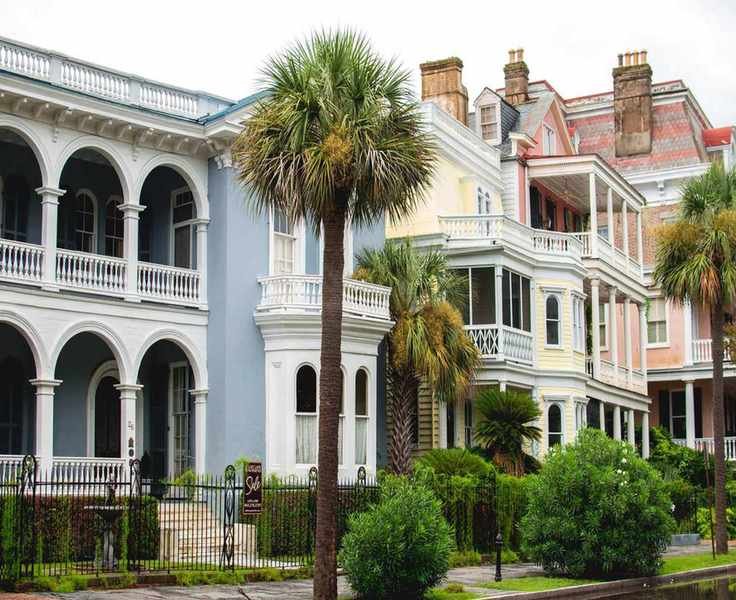
Charleston too costly? Consider Greenville, S.C.
In the Charleston metro area, families spend 17.3% of their income on mortgages, with typical home values around $299,338. Just three hours and 200 miles away, you can find more affordable housing.
In Greenville, about 14.8% of income goes toward a mortgage, with home values averaging $224,877. Plus, this area offers closer proximity to the mountains and potentially lower homeowner’s insurance due to reduced hurricane risk. Recently, Greenville earned accolades as one of the “South’s Tastiest Towns” and was ranked 13th for young adults by Forbes in 2011.
Austin too expensive? Check out San Antonio
Texas remains appealing with no state income tax and vast spaces. In Austin, homeowners spend 21.2% of their income on mortgages, with typical home prices at $408,106. Known for its vibrant food and music scenes, Austin is a lively college town.
San Antonio shares many features with Austin but boasts a lower cost of living. Here, residents commit 17.7% of their income to mortgages, with average home values at $225,999. In 2019, the greater Austin area had a population of around 2.5 million, offering city benefits without the hefty price tag.
Miami too pricey? Shift your sights to Tampa
Located at the southern edge of the U.S., Miami has long attracted those seeking oceanfront living coupled with a dynamic nightlife and rich culture. In Miami, 23.5% of income goes toward a mortgage, with home prices averaging $324,457.
Just three hours north in Tampa, residents spend 20.2% of income on mortgages, with typical home prices at $261,314—about $60,000 less than in Miami. “It’s the classic East Coast versus Gulf Coast debate,” Glynn states. Tampa residents enjoy a coastal lifestyle with year-round outdoor activities and are close to a successful professional football team.
Is Boise too costly? Explore Ogden, Utah
Recognized as the best affordable city to live in by MarketWatch in 2019, residents of Boise allocate 25.7% of their income for mortgages, with typical home values at $410,927.
Ogden, Utah, surrounded by mountains and known for outdoor adventures, only requires 18.9% of income for a mortgage, with homes averaging $387,977—nearly $25,000 less than Boise.
Twin Cities too steep? Look at Kansas City
Minneapolis and St. Paul are known for their family-friendly quality of life, featuring numerous museums and parks. In Minneapolis, 17.1% of income goes toward mortgages, with typical home values around $323,661 in 2021.
In contrast, Kansas City only requires 14.8% of household income for mortgages, with home values about $100,000 less than Minneapolis, averaging $233,102. Both cities boast charming Midwestern attributes, but Kansas City tends to have fewer snow days than its northern counterpart.
If you're searching for more space at a lower cost, now might be the ideal moment to discuss remote work options with your employer. Glynn mentions, “In the last six months, we’ve seen companies beginning to implement work-from-home policies. This could lead to a significant reshuffling in living arrangements.”
EXPLORE MORE:
- Top 10 places where home-price gains have dramatically outpaced wages
- As affordability gap widens, some wonder if expensive cities are worth it
- Top 10 U.S. housing markets that could be hit hardest by coronavirus