
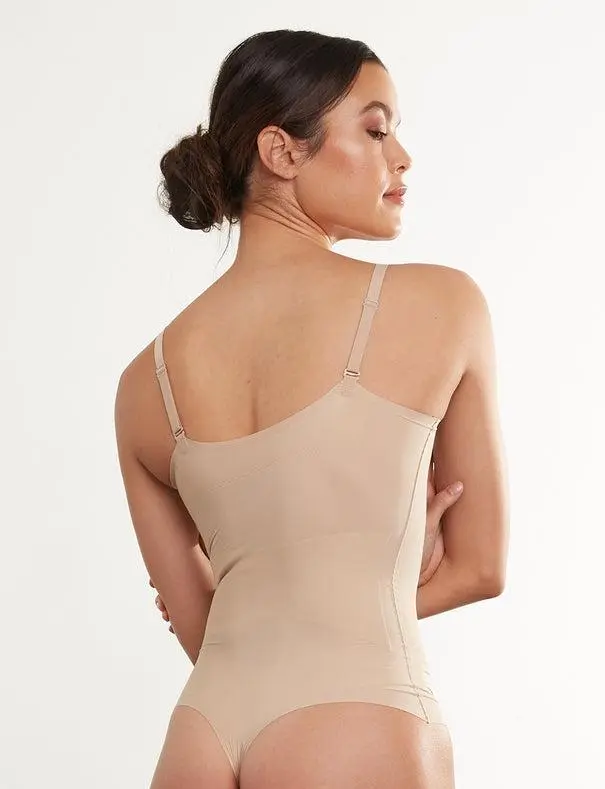
Distinctions Between Thongs and G-Strings
In the realm of lingerie, "thong" and "g-string" are often used as if they mean the same thing, but they actually represent two unique types of underwear. Each style comes with its own level of back and front coverage, design, and fit to cater to various tastes and body shapes.
Defining a Thong A thong features a slim strip of fabric that runs between the buttocks, exposing most of the rear. Compared to g-strings, thongs provide more coverage in the back and typically have a V-shaped design that covers more of the rear. They can be crafted from lace or elastic materials, often featuring wider straps or a thicker waistband for added comfort and support. Thongs can offer full coverage in front while maintaining minimal coverage in back, with styles available for low-cut looks. You'll find them in a variety of designs, including low-rise, high-rise, and seamless, making them ideal for minimizing panty lines under fitted clothing. The whale tail effect may occur if the V-shaped back peeks above low-rise pants.
Understanding the G-String. A g-string is even more revealing than a thong, with minimal fabric that barely covers the genital area and leaves the buttocks fully exposed. The rear strap forms a T-shape, providing very little back coverage, while a narrow strip connects to the waistband. G-strings utilize less fabric than thongs, making them a favored choice for those looking to avoid panty lines. Their slender design allows the fabric to hug the skin closely, and the material choice (like elastic or lace) can influence comfort. G-strings are selected for their daring aesthetic, with some wearing them as a fashion statement, emphasizing both functionality and self-expression.
Key Comparisons: What Sets Thongs Apart from G-Strings? The primary distinctions between thongs and g-strings lie in shape, back coverage, and the amount of fabric used. Thongs have more material and wider straps, while g-strings are thinner, yielding a more revealing appearance. The shape of the back design—V-shape for thongs, T-shape for g-strings—affects both coverage and silhouette. Variations like the V-string, which has a V-shaped back, also exist. Thongs serve as a versatile option for different outfits and occasions.
Another difference is in the waistband. Thongs usually have a thicker waistband that rests higher on the hips, while g-strings feature a skinnier band that sits lower, creating a more minimalistic vibe. The fit and use of elastic materials enhance comfort and support. The choice of fabric, whether cotton, lace, or elastic, plays a role in how the underwear feels against the skin. Some individuals favor g-strings for daily wear, while others opt for more coverage. The minimal design of both styles makes them popular choices for tight or sheer clothing, but this also means they provide limited coverage, which can affect comfort and hygiene.
Exploring Intimate Apparel
Intimate apparel transcends basic necessity; it's a vital part of expressing your personal style and ensuring daily comfort. With a multitude of styles available, from classic briefs to bold g-strings and thongs, finding the right fit can be daunting. Particularly, thongs and g-strings are favored by women seeking a combination of comfort, confidence, and a sleek appearance under any outfit. Knowing the differences between these styles is crucial for making informed choices for daily wear.
Characteristics of G-Strings and Thongs
Both g-strings and thongs are crafted for minimal coverage, ideal for avoiding visible panty lines beneath fitted clothing, sheer fabrics, or bikini bottoms. A g-string is characterized by its ultra-thin string that runs between the buttocks, accompanied by a small triangle of fabric at the front for essential coverage. In contrast, thongs deliver slightly more coverage with a wider strip of fabric or a thicker waistband, ensuring a more substantial feel while still preventing panty lines. These styles are predominantly worn by those desiring a seamless look, whether for special occasions or everyday use. Your choice between a g-string and a thong often hinges on desired coverage and the outfit in question.
Evolution of Thongs
Thongs trace their origins back thousands of years, with early versions utilized by ancient hunter-gatherers for practicality. Over time, thongs evolved, particularly with modern materials like nylon and cotton enhancing comfort and accessibility. The g-string emerged as a bold, minimalist variation of the traditional thong, quickly becoming popular due to its nearly invisible design. Today, thongs and g-strings are available in various fabrics, colors, and styles, solidifying their status as essentials in many women's lingerie collections. Whether for daily wear or a special occasion, there's a style of thong or g-string to suit every fashion need and personal taste.
Comparing Key Features of Thongs and G-Strings
When you compare thongs and g-strings, the main difference lies in coverage and the design of the waistband and back. Thongs offer more coverage with a wider strip of fabric, making them a comfy option for those seeking extra support. In contrast, g-strings feature a thin string, providing the least coverage possible, making them ideal for achieving a truly seamless look under tight clothing. The choice between these two styles ultimately depends on your personal preference, comfort, and the specific outfit you have in mind. Whether you lean towards the extra coverage of a thong or the barely-there feel of a g-string, understanding these differences can assist you in selecting the right underwear for any event.
Advantages of Wearing Thongs and G-Strings
Opting for thongs or g-strings comes with numerous benefits, especially if your goal is to avoid visible panty lines and achieve a smooth silhouette beneath your clothes. Both styles excel in tight clothing, ensuring panty lines remain hidden regardless of your outfit. They also offer versatility, suitable for everyday wear or special occasions. For those who appreciate a more revealing, fashion-forward appearance, these underwear styles can enhance confidence and add allure to any ensemble. When weighing the choice between a string and a thong, think about your personal style, comfort level, and the clothing you'll be wearing. With the right fit, both thongs and g-strings can become your go-to for comfort, style, and a flawless finish.
Choosing the Right Option
Ultimately, selecting between a thong and a g-string is a matter of personal taste and comfort. When choosing your underwear, consider styles that make you feel good and complement your body shape. If you favor more coverage and support, a thong may be your best bet. Conversely, if you're after a bold and provocative style, a g-string is an excellent option.
Consider the occasion and your outfit when deciding between a thong and a g-string. Thongs are ideal for daily usage and may be more comfortable for some, while g-strings are often saved for special occasions or when you wish to make a striking statement. The fabric and elastic waistband can influence how the underwear feels on your skin, impacting your comfort throughout the day.
Now that you're aware of the distinctions between thongs and g-strings, you can make a well-informed choice based on what you prefer and your comfort level. Some may lean towards g-strings for their minimalistic feel, while others might opt for thongs or other styles for added support. Whether you choose the more conservative thong or the bold g-string, both styles bring unique benefits to your lingerie collection.



