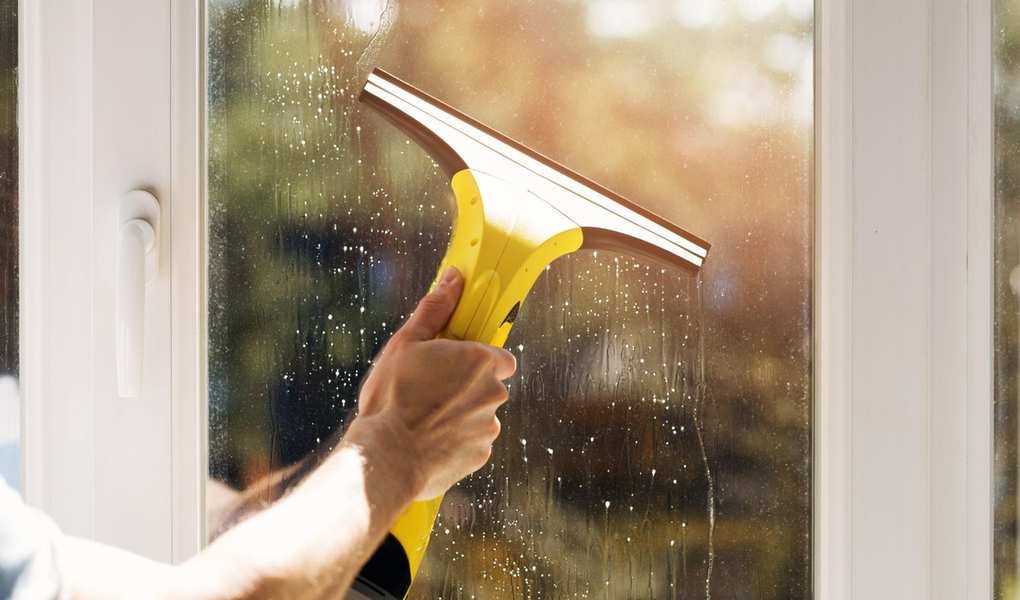
Living by the sea in a 120-year-old house has its perks: stunning views and spacious rooms. However, it also means dealing with condensation. The humidity from the coast, combined with our chilly, drafty home made from 'bungaroosh'—a mix of stones, pebbles, flint, and wood in lime mortar—creates a damp environment.
While condensation on windows isn't an issue for most of the year, it becomes noticeable as colder weather arrives with increased rainfall, snow, and fog. Initially, the warmth of the sun helps evaporate the moisture, but as fall gives way to winter, the problem escalates. On particularly cold days, water can even drip from the windows onto the sills, forming little pools.
After trying numerous methods to tackle window condensation, I discovered a window vacuum that significantly reduces condensation. I recommend my Karcher WV 1 Plus Window Vacuum Squeegee (currently discounted on Amazon), which has been a game changer for managing moisture in our home.
Karcher WV 1 Plus Window Vacuum Squeegee | Was $79.99, now $49.99
This window vacuum isn't just for removing condensation; it also cleans windows, leaving them streak-free in no time.
Why I Use a Window Vacuum to Address Condensation

Condensation forms when warm, moisture-laden air hits a cooler surface, leading to droplets on windows. This is common since glass tends to be colder than the air in the room. Opening windows, using vents, and installing double glazing can all help mitigate this issue.
Downstairs, we have double glazing, which keeps our sitting room free from condensation. The east-facing back of the house benefits from sunlight that helps evaporate any moisture. It takes a significant drop in temperature for condensation to become a problem there.
However, our bedroom and bathroom, located at the cooler front of the house, are where I encounter condensation issues. I needed an efficient solution to tackle the moisture accumulating on the sills of our sash windows, which posed a risk of water damage and rot.
Initially, I wiped the condensation off with a cloth each morning, but this was tedious. Following my sister-in-law's advice, I invested in a window vacuum cleaner.
Tips for Using a Window Vacuum Cleaner
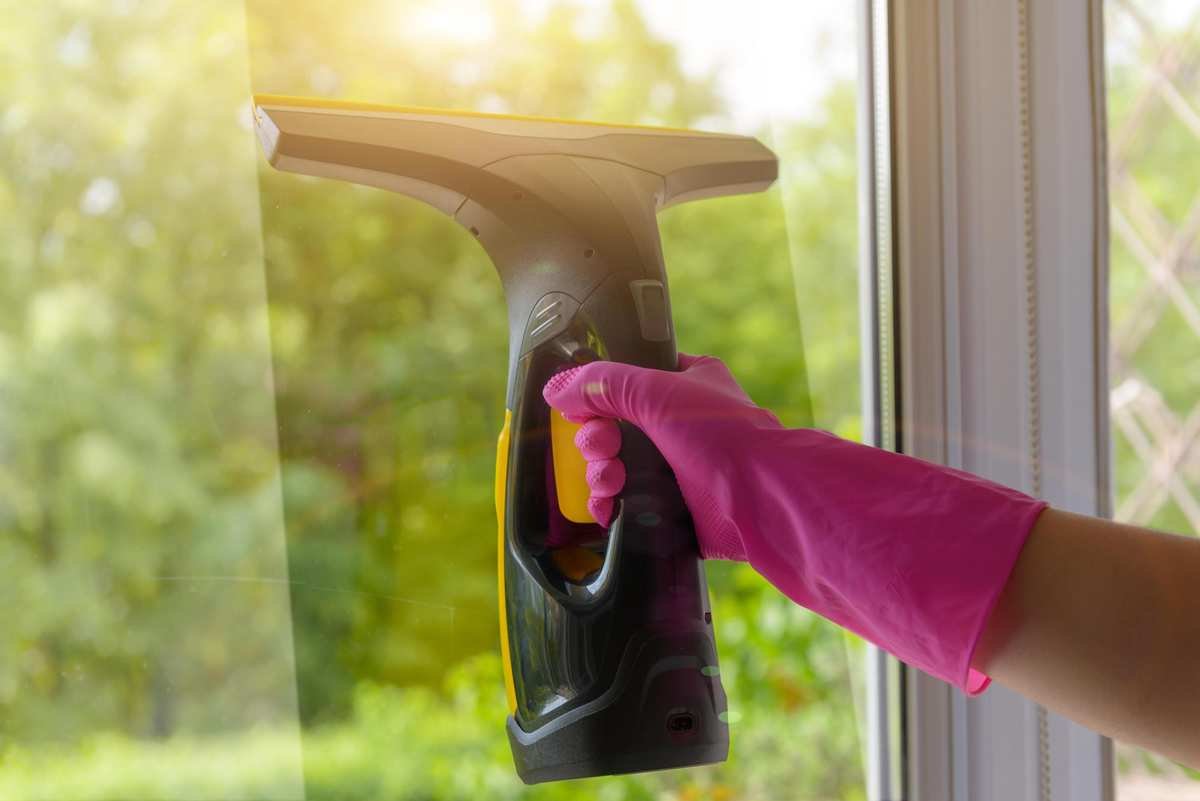
A window vacuum cleaner operates like a suction squeegee. You glide it down the glass, and the water collects in a tank that's easy to empty. My cordless model stays charged and ready for use.
It's quick and effective for eliminating condensation, but I've learned a few tips to maximize its performance.
First, always start at the top of the window and work your way down, ensuring to reach the corners and edges. Many vacuums are versatile for both horizontal and vertical use, but be cautious about the water tank filling up, as this can lead to leaks. Regularly emptying the tank is key.
Adjust the angle of the vacuum head as you move down the window to maintain contact. A model with a flexible neck can make this easier.
To capture any water pooling at the bottom of the frame, press the vacuum head flat against the frame for direct suction.
Lastly, using your vacuum regularly during cold and wet weather—even when condensation seems minimal—can help. I've noticed easier cleaning and less moisture buildup in my home when I use it daily.
Using a Window Vacuum on Walls
Condensation can also form on cold walls, especially in winter. While I may not see water collecting on them, mold can develop if humidity isn't managed.
I've previously shared ways to eliminate black mold, but I find that regular vacuuming of windows reduces this issue significantly. Some people even use window vacuums to clear moisture from bathroom walls after showers.
There are several insights on choosing the right window vacuum, and their versatility is a major advantage.
My Dehumidifier and Window Vacuum Cleaner Duo
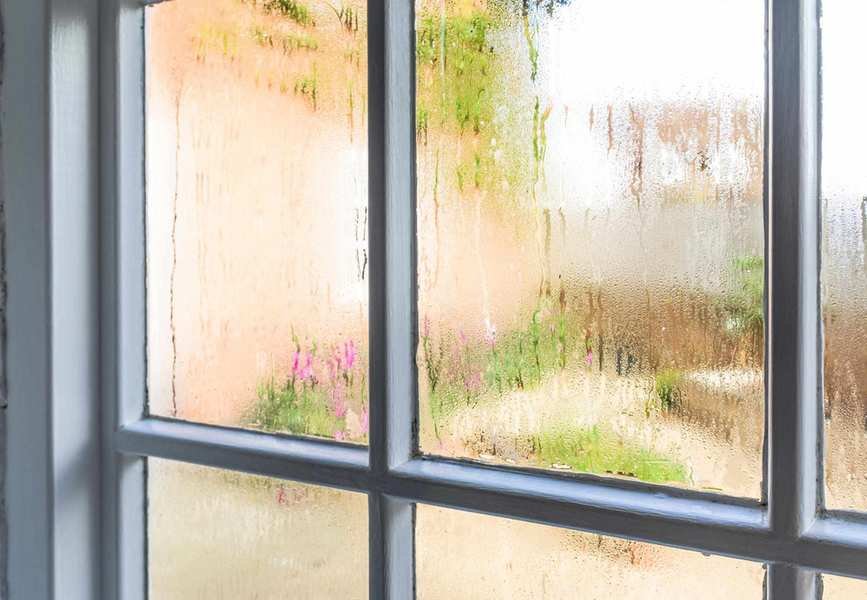
While a window vacuum helps manage condensation, preventing moisture from reaching the glass is even better. That's why I opted for a quality dehumidifier tailored to our home's layout and humidity challenges.
I was curious about the costs of running a dehumidifier and chose a smart model that activates only when necessary to save energy. Like many, I can't imagine living without one.
With the dehumidifier running on the second floor, it effectively reduces moisture in our bedrooms and bathrooms, especially in laundry mode.
As a result, I still use my window vacuum to remove condensation, but with less moisture to contend with, making the task quicker and easier. I believe I've found my ideal solution for condensation.
Condensation alone doesn't clean your windows. For spotless glass, consider making DIY cleaning solutions for window vacuums to give them a thorough polish monthly. Additionally, the dish soap trick for condensation can keep droplets away for a week or so.