
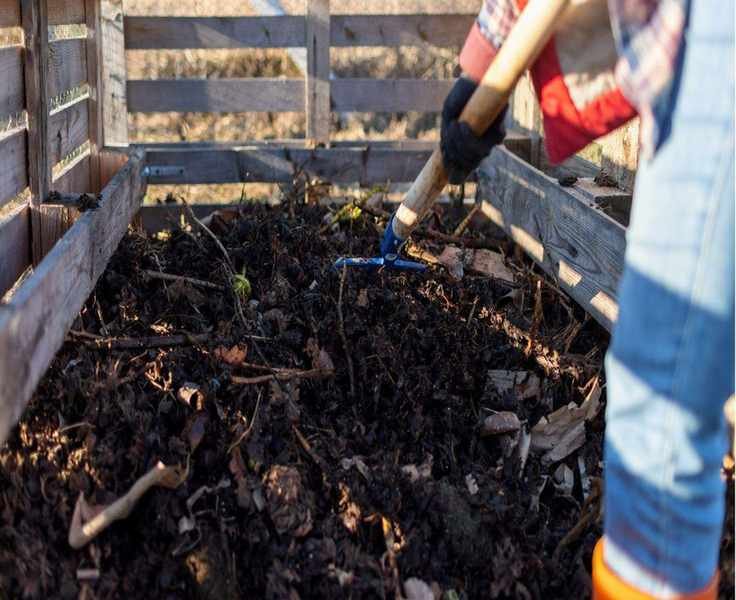
Cold temperatures might discourage outdoor activities, but staying on top of garden chores like composting is crucial during winter. Maintaining your compost ensures you have ample material ready for spring.
If you're unsure how to care for your compost in winter, several strategies can help keep it active even in the chill. Composting relies on warmth, which encourages microbes to decompose materials. Thus, preventing your compost from freezing is essential to keep the process going.
Fortunately, we have five winter composting tips that will help maintain your composting efforts during the colder months.
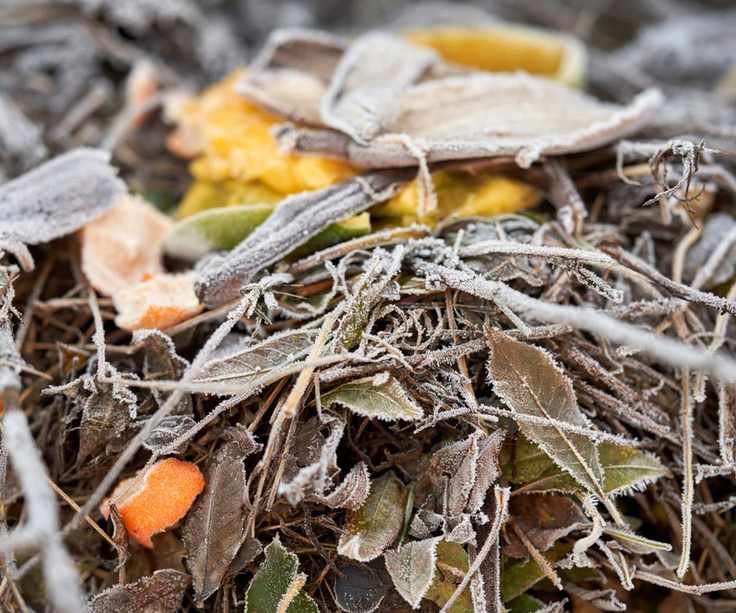
5 Winter Composting Tips
Winter presents unique challenges for composting, but these tips will help accelerate the process in cold conditions.
1. Utilize an Electric Composter for Material Preparation
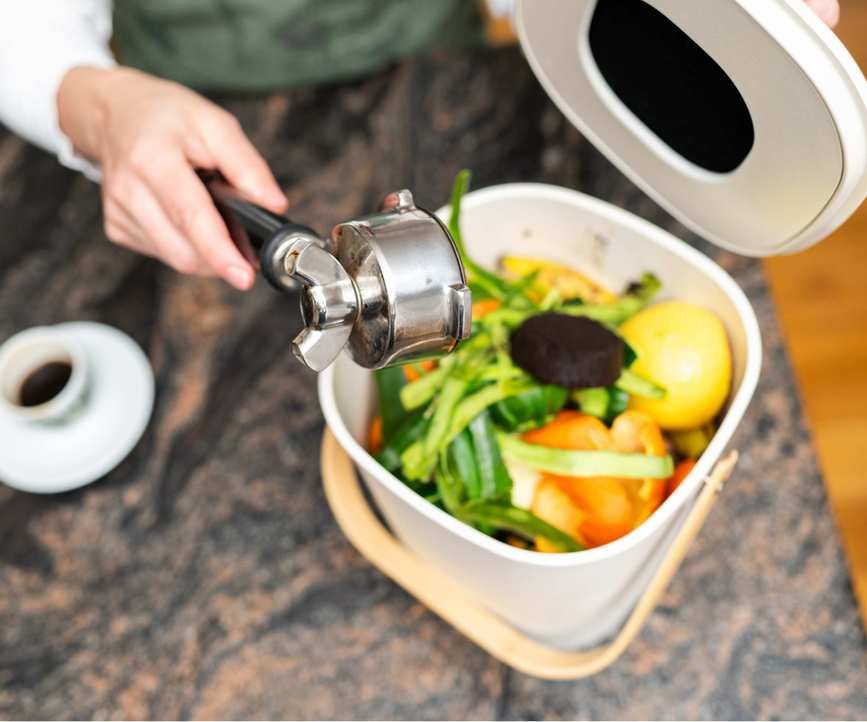
To enhance breakdown speed in your compost bin, chop your materials into smaller pieces. Smaller particles provide more surface area for microbes, accelerating decomposition, especially in winter's cold.
Our first tip is to use an electric kitchen composter to finely chop your food scraps—consider this electric model from Amazon.
'These devices dry and grind food waste into a pre-compost material that still needs further composting to enrich it,' shares Lauren Click, an expert in composting. 'Use this output as a nitrogen-rich 'green' addition to your outdoor compost pile, but remember to mix it with carbon-rich 'brown' materials.'
Lauren also cautions against assuming that this material is safe for direct soil application, as it might still contain partially decomposed food and salts, which can harm plants and animals.
2. Insulate Your Compost Bin
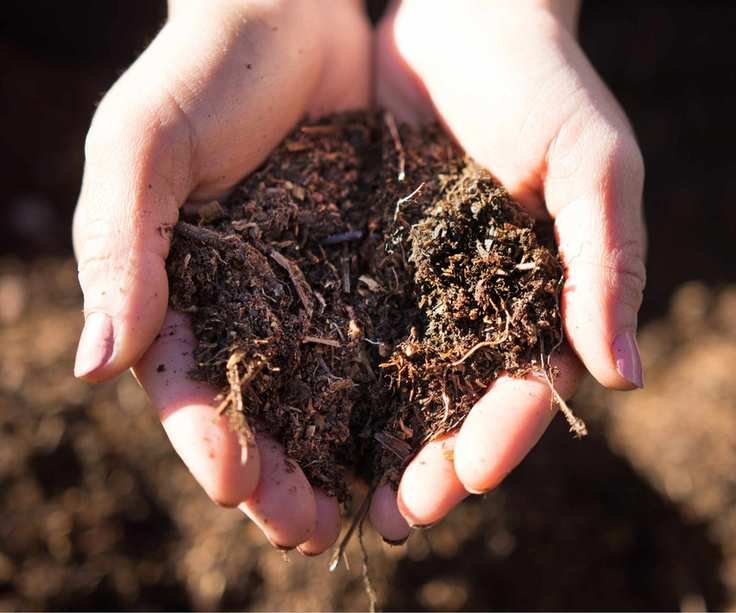
Insulation is crucial for preventing your compost from freezing and retaining heat to keep it productive. There are various methods to achieve this.
'Using straw bales, old blankets, or compost bin insulation kits will help maintain warmth,' advises Lauren.
You can also use cardboard from Amazon for wall insulation and a tarp (from Walmart) to cover your bin.
Be sure to allow for some airflow to prevent bad odors and to maintain moisture levels.
3. Introduce Worms to Your Compost
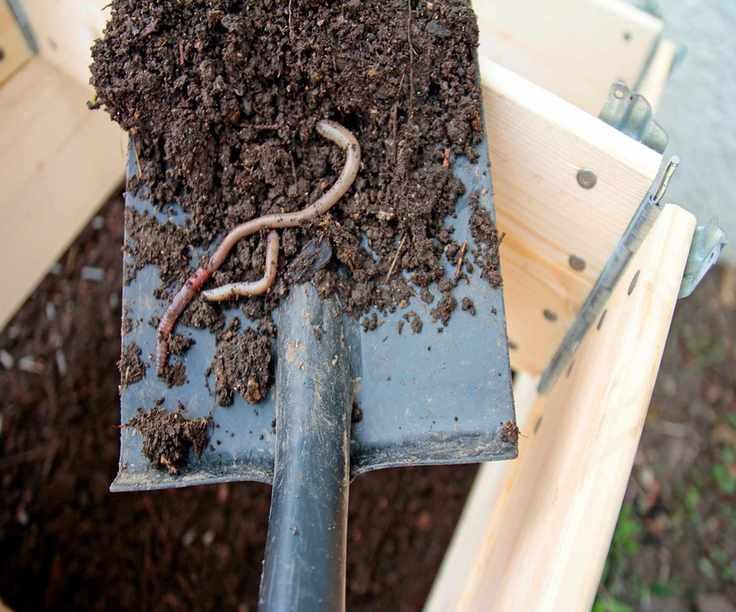
Worms can be excellent allies in winter composting. If you already utilize a wormery, your compost will benefit as outdoor temperatures drop. Worms consume waste, hastening decomposition—this method is known as vermicomposting.
'Worms thrive in controlled conditions, making vermicomposting a great indoor option during winter,' Lauren notes.
Keep the temperature between 50-77°F to keep worms active. For best results, place your wormery in a sheltered area like a garage.
'Feed your worms by cutting food scraps into small bits and avoid giving them too much citrus, meat, or dairy,' Lauren recommends.
You can acquire red wigglers from Amazon to enhance your compost.
4. Monitor Compost Moisture Levels
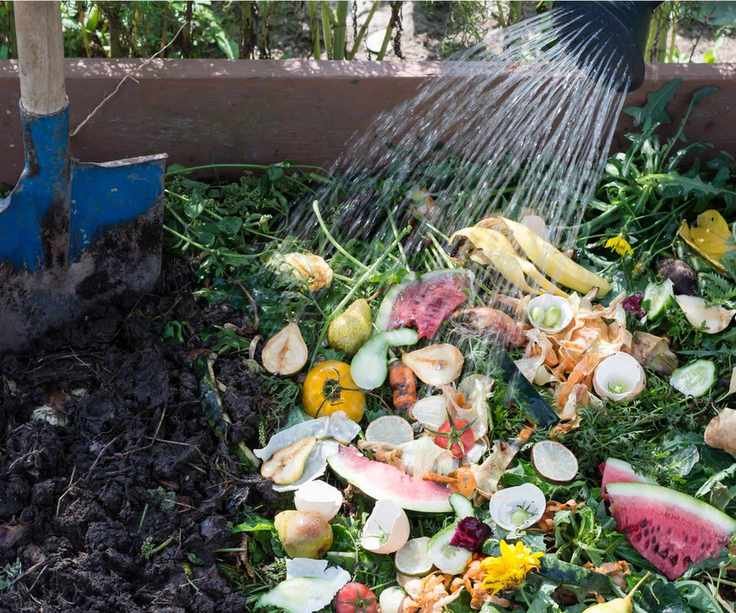
While too much moisture can freeze, overly dry compost can halt decomposition. Striking the right balance is key.
'Turn your compost occasionally and add water if it feels dry,' Lauren suggests.
A handy moisture meter from Amazon can help you check moisture levels. If your pile is too dry, use your hose to add water, but avoid overwatering to prevent ice formation.
5. Implement Hot Composting Techniques
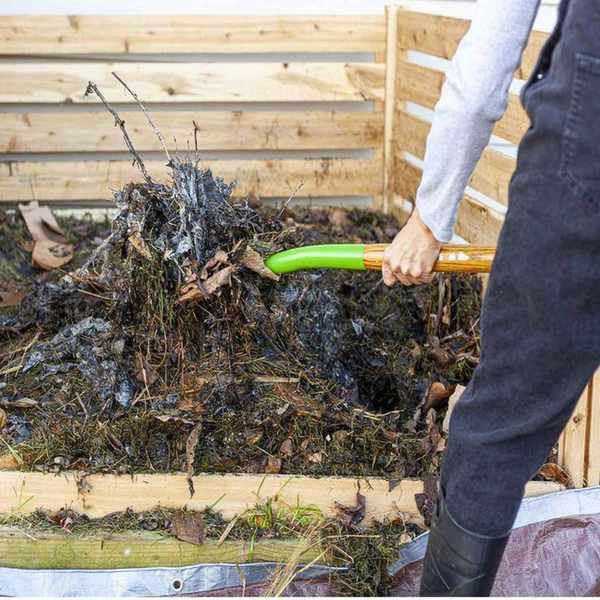
Hot composting is effective year-round, particularly in winter, as it utilizes heat to decompose even challenging materials.
'By carefully managing the carbon-to-nitrogen ratio (30:1), turning the pile regularly, and monitoring temperatures, you can sustain a hot compost pile even in winter,' advises Lauren.
Use a compost thermometer (from Amazon) to maintain temperatures between 135-160°F for optimal breakdown. Ensure a balanced mix of green and brown materials.
Best Location for Your Compost Bin in Winter
To keep your compost heap thriving in colder months, place your bin in the sunniest part of your yard. Insulation will help it retain captured warmth.
While you can start a compost pile any time of year, many experts suggest beginning in spring to take advantage of warmer weather.



